Whether you are preparing for a debut, a wedding, a graduation, or a cultural celebration, finding the right traditional Filipino dress can feel both exciting and a little overwhelming. The vocabulary alone, calado, terno, filipiniana, barong tagalog, can stop a first-time shopper in their tracks. This guide breaks down the most important pieces of Filipino formal wear, explains what makes each one special, and gives you the practical knowledge to shop with confidence, whether you are based in the Philippines or ordering from the United States.
Why Traditional Filipino Formal Wear Still Matters
Filipino formal clothing is not just costume or nostalgia. These garments carry centuries of craft, regional identity, and family pride. A well-made barong tagalog or filipiniana dress signals respect for the occasion and for the culture. For Filipino-Americans and the broader Filipino diaspora, wearing traditional Filipino dress at milestone events is one of the most tangible ways to stay connected to heritage. Demand for authentic pieces has grown steadily, and with it, so has the availability of handmade options that honor the original craft.
The Core Pieces of Traditional Filipino Formal Wear
Understanding the main garments helps you shop smarter and dress more intentionally.
Barong Tagalog
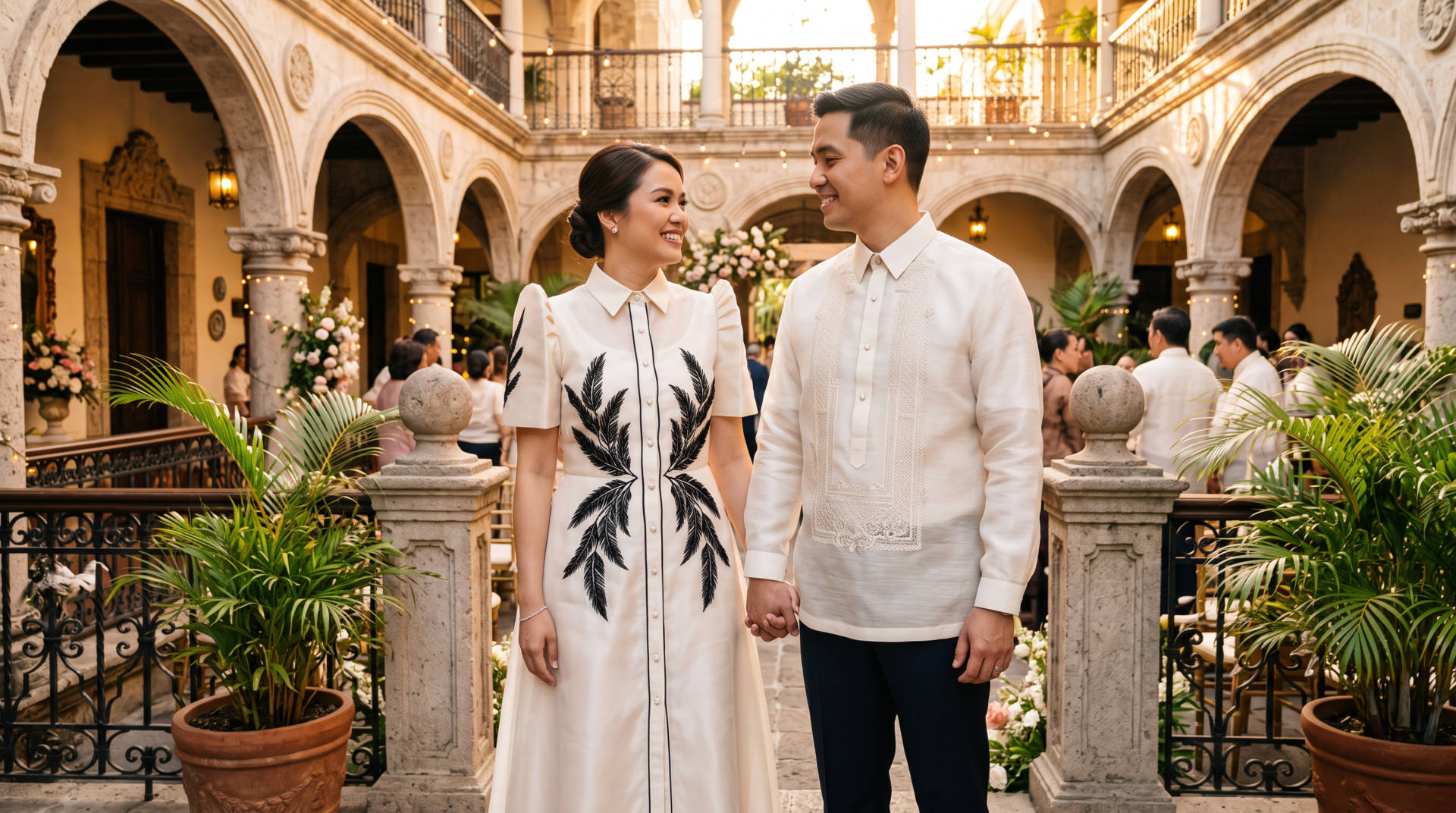
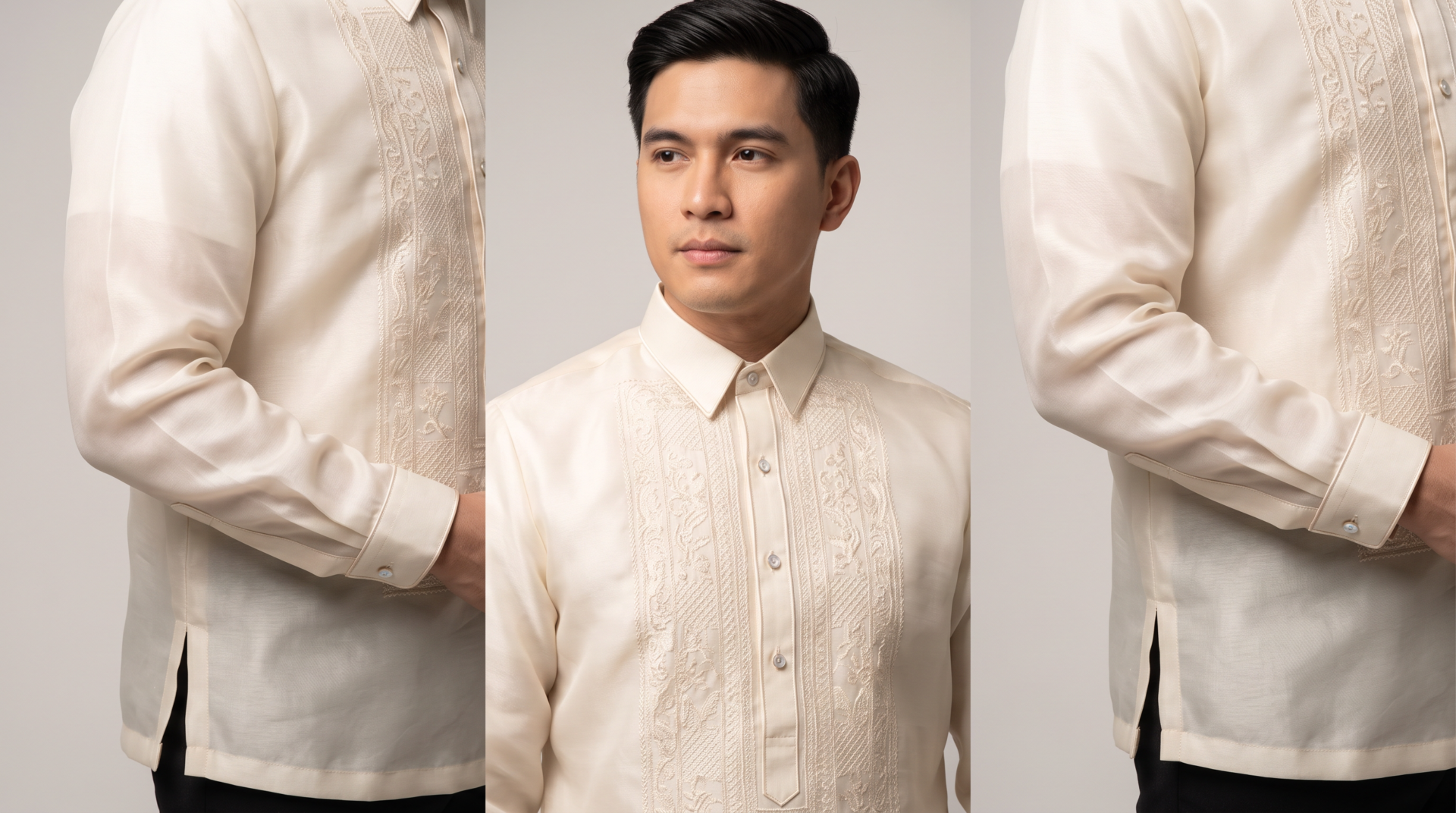
The barong tagalog is the national formal shirt of the Philippines, worn by men at weddings, state events, graduations, and religious celebrations. It is typically made from sheer, lightweight fabric and worn untucked over a white undershirt. The embroidery across the chest and cuffs is the defining feature, ranging from simple geometric patterns to elaborate floral designs depending on the occasion and the wearer’s preference.
Because the barong is sheer, fit and layering matter. A crisp white crew-neck shirt underneath keeps the look polished. Most barongs come in classic cuts, though some contemporary versions offer a slim fit for a more modern silhouette.
Filipiniana Dress
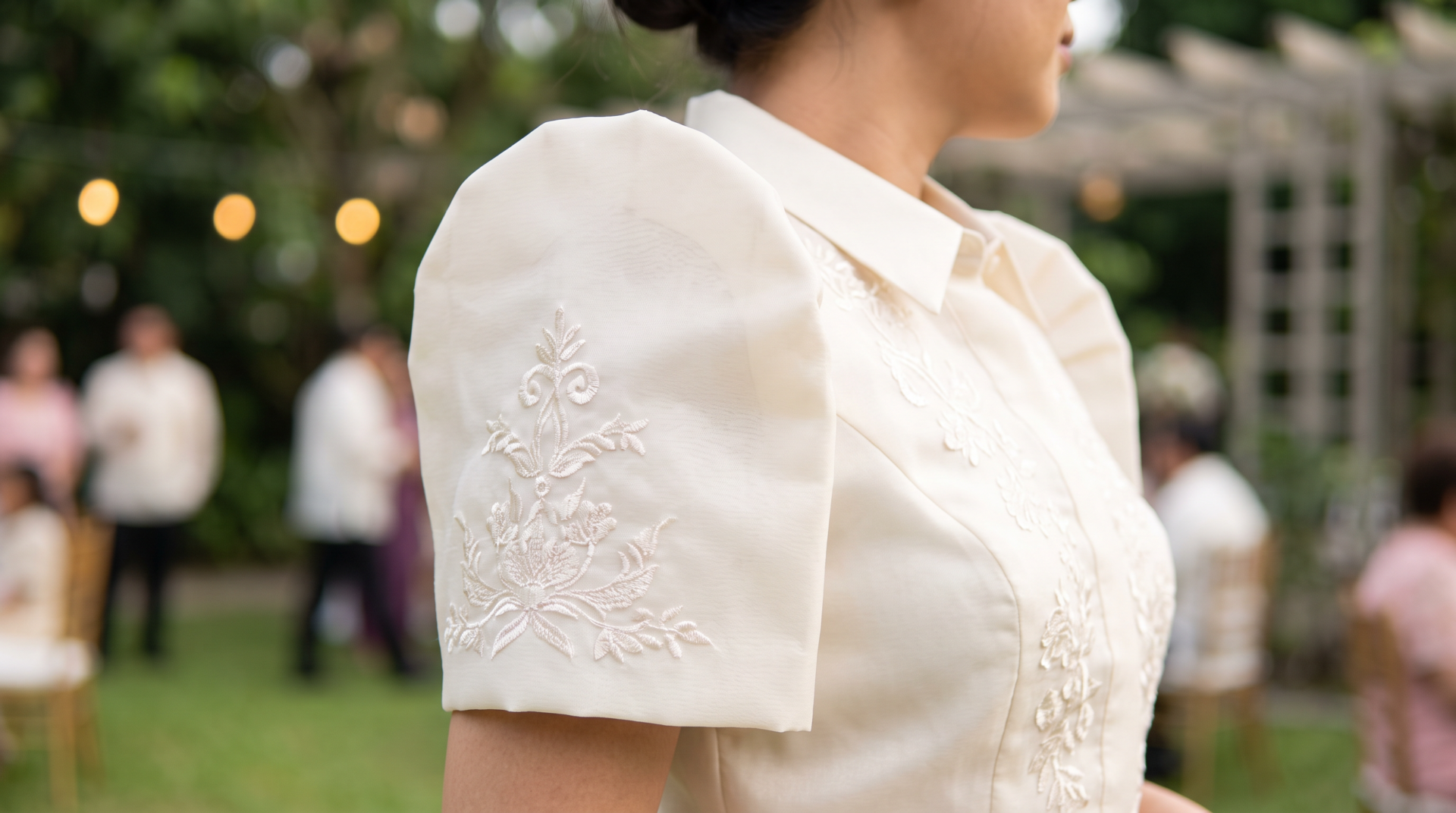
The filipiniana is the feminine counterpart to the barong tagalog and is the traditional Filipino dress most people picture when they think of Philippine formal wear for women. It features the iconic butterfly sleeves, also called *paro-paro* sleeves, that frame the shoulders and neckline. The silhouette is elegant and modest, making it a popular choice for mothers of the bride or groom, principal sponsors, debutantes, and women attending cultural events.
Filipiniana dresses vary widely in style. Some are floor-length gowns, others are knee-length or tea-length. Some designs keep the classic straight silhouette while others have an A-line or fitted skirt. If you are shopping for a specific event, note the dress code. A grand debut calls for a full gown, while a garden reception might suit a shorter hemline.
Bolero (Women’s Barong)
The women’s bolero is a shorter, jacket-style version of the barong tagalog, usually worn over a slip or paired with a skirt or slacks. It gives the wearer the embroidered elegance of traditional Filipino formal wear with a bit more flexibility in how it is styled. This makes it a practical option for women who want a traditional look without committing to a full gown.
Graduation Stoles
Handmade Filipino graduation stoles are a newer but meaningful addition to traditional Filipino dress culture, especially in the United States. Embroidered with Philippine flags, sun motifs, or cultural symbols, they let graduates celebrate their heritage during commencement ceremonies. These stoles are typically worn over academic regalia and have become popular at schools and universities with large Filipino-American student populations.
A Guide to Common Fabrics
Fabric is one of the most important factors in both the look and the price of traditional Filipino formal wear. Here is a quick overview of the fabrics we carry.
- Polyester organza – Most of our barongs, including the Ivory White Organza Barong, the colored barongs and the kids’ and infant barongs, plus most of our women’s dresses, boleros and blouses. It is light with a soft sheen, double-layered and opaque on the men’s barongs, and easy to care for. On filipiniana pieces it gives butterfly sleeves structure without adding bulk.
- Jusilyn – A lightweight, single-layer synthetic barong fabric with a fine crosshatch texture. It is lightly translucent. We carry it in two barongs: the White Jusilyn Barong and the Deluxe Intricate Jusilyn Barong.
- Cocoon fabric – Used in our Ivory Cocoon Barong. It is single-layer, with a slubby crosshatch weave and a soft, dry lustre.
- Cotton – Our navy short-sleeve polo barongs are cotton, a relaxed option for casual events.
You will also hear about piña, the historic heirloom textile woven from pineapple-leaf fiber, and jusi. We don’t sell piña or jusi. For weddings, debuts and the entourage, organza is our go-to. A groom who wants texture can choose cocoon, Jusilyn gives a lighter single-layer look, and the cotton polo works for casual events.
Practical Sizing Tips for Buying Online
Buying traditional Filipino dress online requires a little more preparation than picking a standard size. Here are some tips to help you get the fit right.
- Measure chest, waist, hips, and sleeve length before ordering, not just your usual shirt or dress size.
- Philippine sizing can run smaller than US sizing, so check the specific size chart for the brand you are ordering from.
- For barong tagalog, the fit across the shoulders is the most critical measurement. A barong that is too wide in the shoulders will look sloppy even if the length is correct.
- For filipiniana dresses, pay attention to sleeve width as well as bust and waist. Butterfly sleeves that are too tight at the armhole are uncomfortable and restrict movement.
- If you are between sizes, size up. Most traditional pieces are easier to take in than to let out, especially when the embroidery is along the front panel.
- Handmade garments may have slight variations from piece to piece, which is part of their character. Read product descriptions carefully for any notes on fit.
Caring for Handmade Filipino Formal Wear
These garments are investments, and they deserve proper care.
- Hand wash or dry clean only – Most barongs and filipiniana pieces should be hand washed gently in cool water or taken to a professional cleaner. Machine washing can damage delicate embroidery.
- Avoid wringing – Gently press excess water out and lay flat to dry in the shade. Direct sunlight can fade fabric and yellow white pieces.
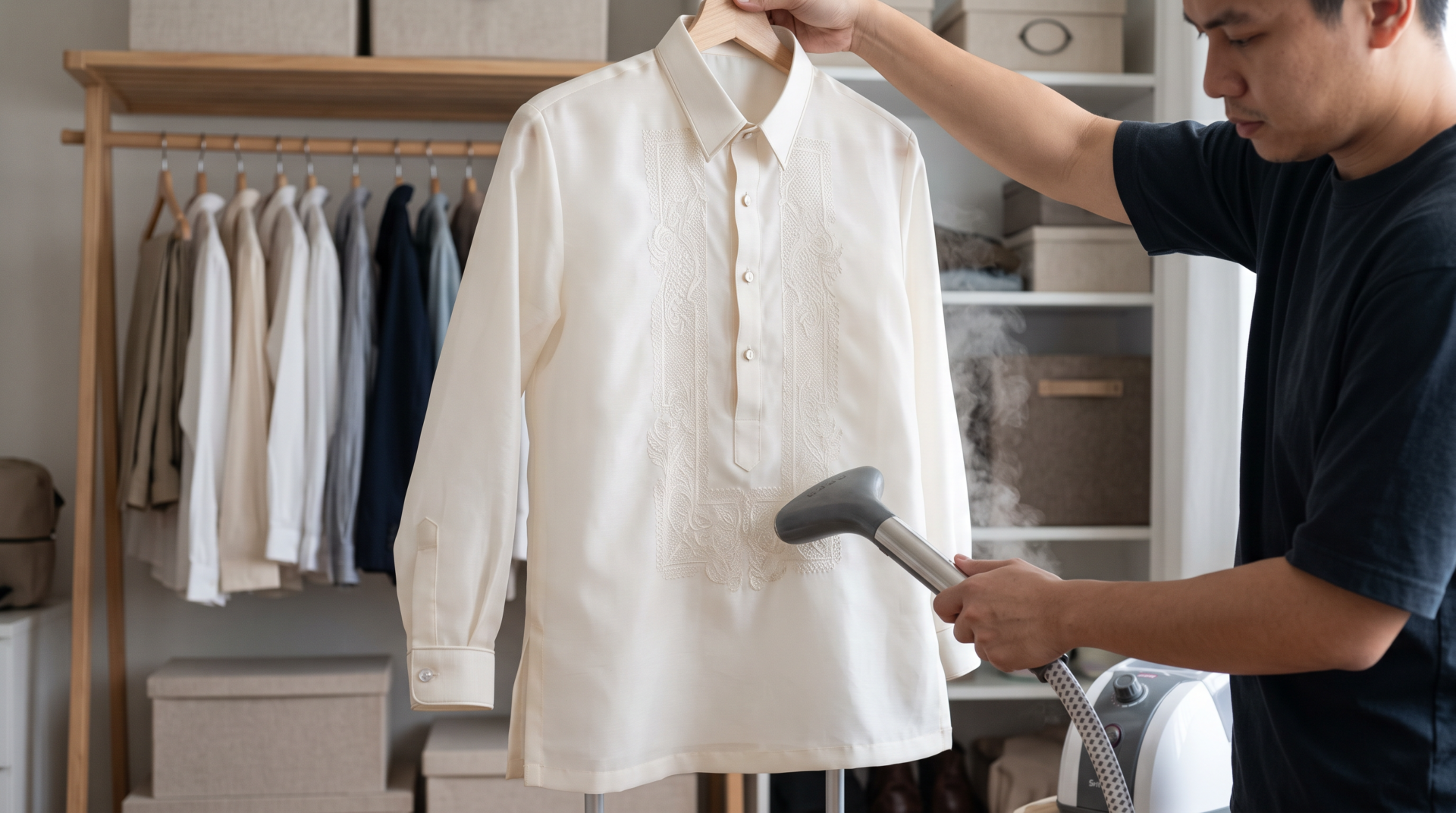
- Steam, do not iron directly – Use a garment steamer or place a thin cloth between the iron and the fabric. Direct heat can scorch sheer materials.
- Store in a breathable bag – Avoid plastic garment bags for long-term storage. Use a cotton or muslin cover to allow air circulation and prevent yellowing.
- Fold carefully – If hanging is not possible, fold along existing seams and stuff sleeves with acid-free tissue paper to hold their shape.
With the right care, a quality filipiniana or barong tagalog can be worn for years and even passed down.
Choosing Authentic, Handmade Pieces
Not all traditional Filipino dress is created equal. Mass-produced garments exist at every price point, but if you want something that honors the craft, look for pieces that are genuinely handmade in the Philippines, with hand-embroidered details rather than machine-printed patterns. The difference in quality, feel, and meaning is real.
At Handmade Kapamilya, our pieces are hand-embroidered by artisans in the Philippines, and we ship them from Minnesota. We offer barong tagalog, filipiniana dresses, women’s boleros, and graduation stoles in several sizes, picked for Filipino-Americans and anyone who wants to dress with cultural intention. You can find our collection on Amazon or browse the blog here for more buying guides and styling ideas.
When you wear a well-made traditional Filipino dress, you are not just dressing for an event. You are carrying a piece of Philippine culture with you, and that is worth getting right.
Discover More About Philippine Culture & Heritage
- Burial Etiquette:What to Wear to a Filipino Funeral: A Respectful Dress Guide
- Fabric Masterclass:Barong Fabric Terms Explained for Shoppers
- US Shopping Guide:Where to Buy Barong Tagalog in the US: Authentic Guide
- Garment Care:How to Wash a Barong Tagalog: The Expert Care Guide
- Modern Outfits:How to Style a Filipiniana Bolero with Denim: Modern Outfits
- Cultural Traditions:Filipino Wedding Traditions: A Beautiful Guide to Rituals & Meaning