Tag: Fashion
How to Style Modern Filipino Fashion with Heritage Influence
Kumusta po, Kapamilya!
You’ve chosen a beautiful Barong Tagalog or a striking modern Filipiniana—crafted from Piña, Jusi, or Cocoon, rich with history and meaning. Then comes the modern styling question almost everyone asks:
Can I wear contemporary accessories without disrespecting tradition?
The answer is yes—when done thoughtfully.
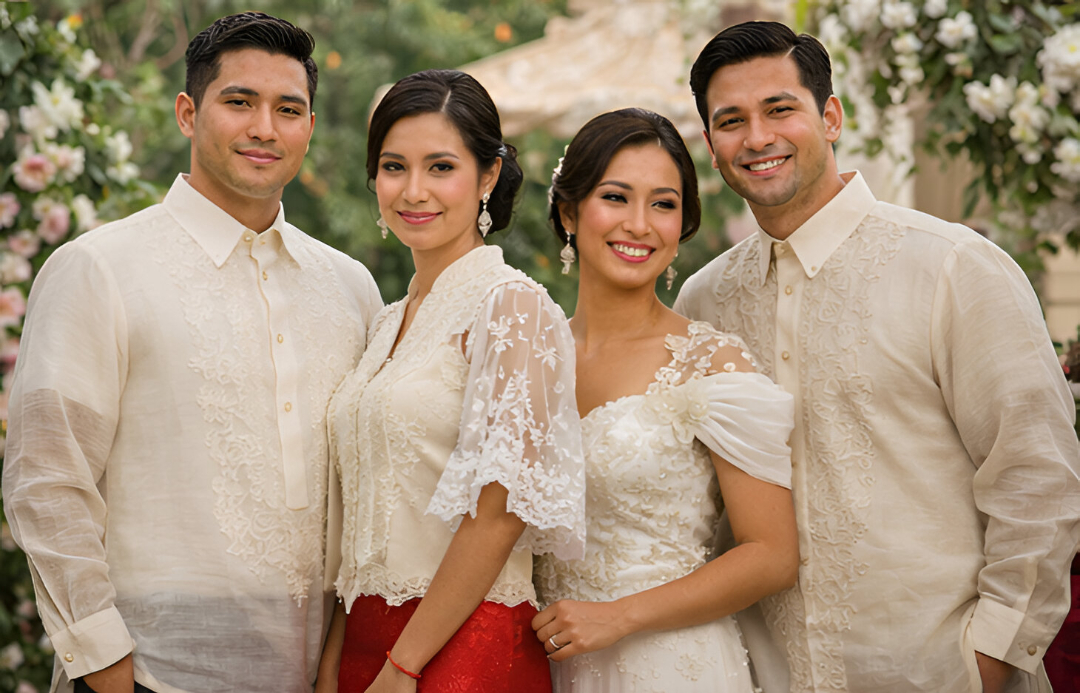
At Handmade Kapamilya, we style grooms, wedding guests, and gala attendees who want to honor Filipino heritage while looking current, confident, and comfortable. Filipino formalwear isn’t frozen in time—it has always evolved alongside our people.
This guide will show you how to style a Barong Tagalog or Filipiniana with modern accessories while maintaining cultural authenticity.
Mabuhay!
Why Modern Styling Works with Traditional Filipino Attire
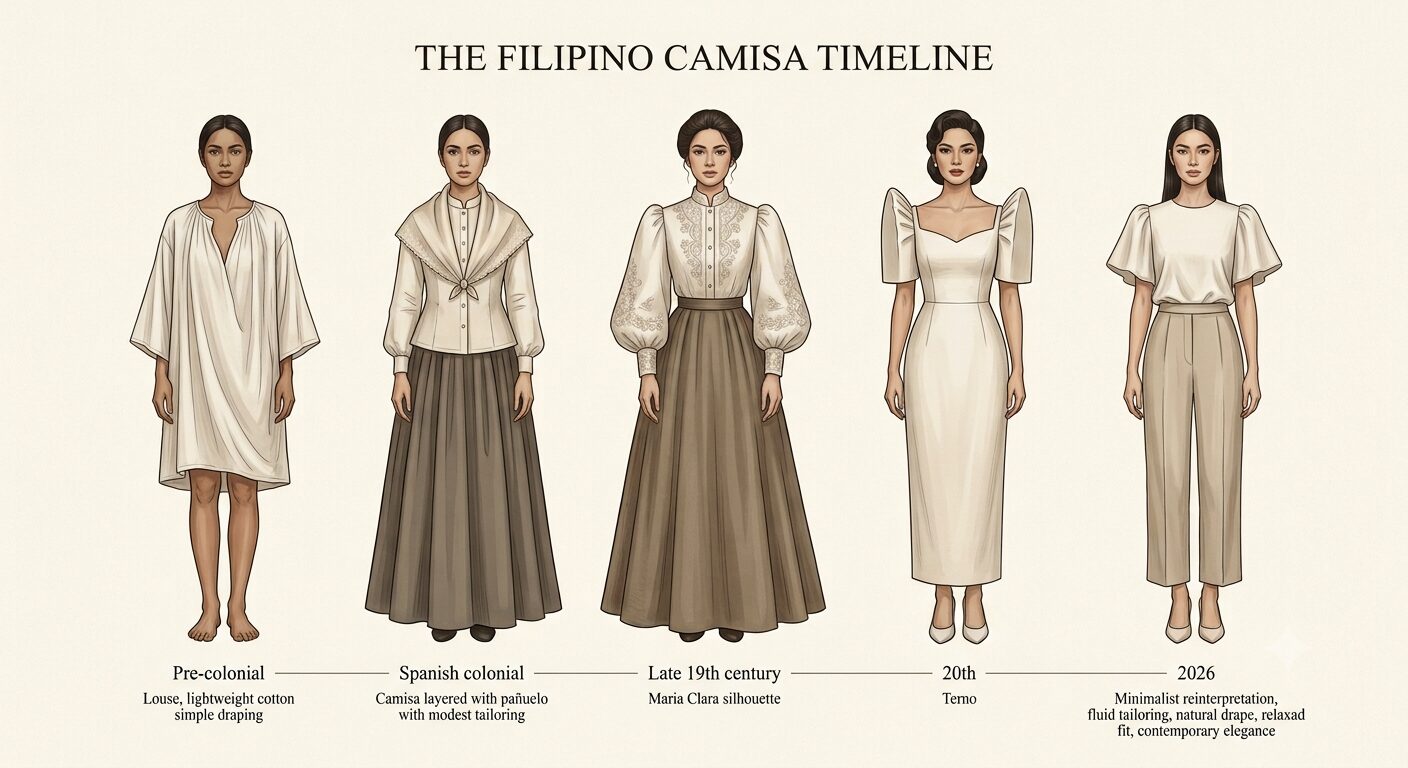
The Barong Tagalog and Filipiniana were never static garments. Historically, they symbolized adaptation and resistance—from colonial constraints to global recognition.
Today, modern styling allows you to:
- Express individuality without erasing tradition
- Adapt to Western venues (ballrooms, gardens, lofts)
- Stay comfortable during long weddings and formal events
Tradition sets the foundation. Styling tells your story.
How to Style a Modern Barong Tagalog (Men’s Guide)
The Barong Tagalog is intentionally minimal—your accessories define the final look.
1. What to Wear Under a Barong Tagalog
Traditional: Camisa de Chino (long-sleeved white undershirt)
Modern Options:
- High-quality white V-neck (best for Cocoon or opaque Barongs)
- Avoid visible crew necks at all costs
Style Tip:
Your undershirt sleeves should align with the Barong sleeves to prevent awkward layering.
2. Watches & Smartwatches: What’s Acceptable?
Can you wear a smartwatch with a Barong Tagalog?
- Strictly formal / Barong Proper:
✔ Slim analog watch with leather strap - Semi-formal or cocktail events:
✔ Smartwatch only with leather or metal band
✘ Silicone or rubber straps (too sporty + snag risk)
3. Shoes: Classic vs Modern
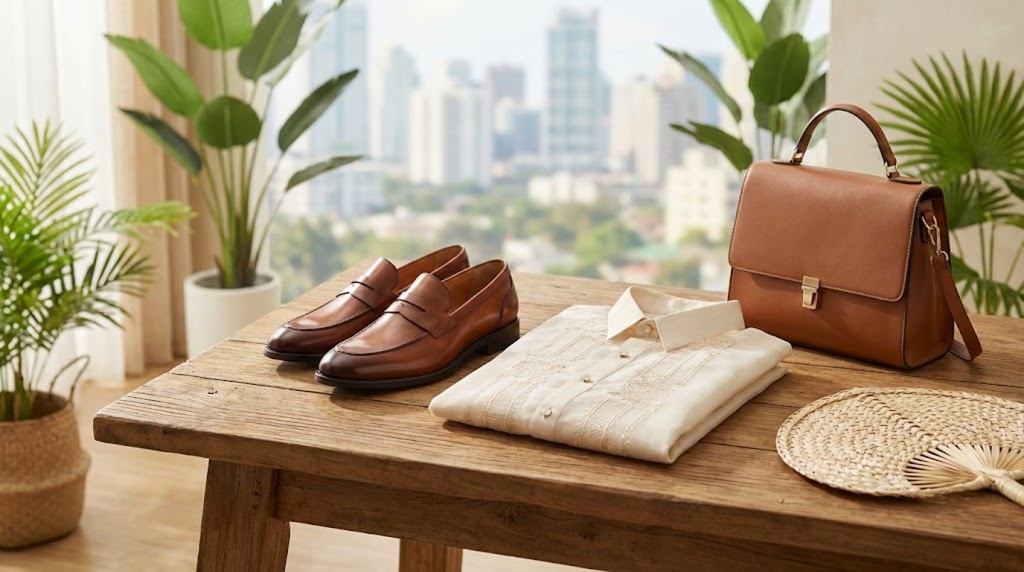
- Formal: Polished black Oxfords or patent leather loafers
- Contemporary / Filipiniana Casual:
Minimalist white or black leather sneakers (clean, logo-free)
Rule of Balance:
Modern shoes require a shorter, modern-cut Barong to keep proportions sharp.
Styling Filipiniana with Contemporary Accessories (Women’s Guide)
Modern Filipiniana celebrates structure, texture, and movement—accessories should enhance, not overwhelm.
1. Jewelry: Modern Takes on Filipino Elegance
- Philippine South Sea Pearls in asymmetric or architectural settings
- Layer heirloom gold with thin contemporary chains
- Use Capiz or mother-of-pearl for garden or daytime weddings
2. The Pamaypay (Fan) as a Style Statement
A fan is both functional and fashionable.
- Upgrade to embroidered abaniko or indigenous textiles (Inabel, T’nalak)
- Pair with a modern clutch that can secure the fan when not in use
3. Handbags That Complement Filipiniana
Avoid oversized leather bags.
Best choices:
- Structured clutches (Rattan, Buntal, Capiz)
- Modern hardware finishes (gold or brushed metal)
- Use color intentionally—Filipino red, indigo, or deep emerald
Matching Accessories to Barong & Filipiniana Fabrics
|
Fabric |
Best Accessories |
Why |
|
Piña |
Heirloom jewelry, gold, silk |
Most formal, deserves restraint |
|
Cocoon Silk |
Modern watches, leather shoes |
Structured fabric handles sharp lines |
|
Jusi / Organza |
Minimalist silver or white gold |
Light fabric pairs best with subtle accents |
|
Linen / Ramie |
Sneakers, wooden beads |
Ideal for casual or office Barong looks |
Styling Mistakes to Avoid (Important!)
- ❌ Wearing a tie with a Barong (never appropriate)
- ❌ Over-accessorizing—embroidery is the statement
- ❌ Visible undershirts at the neckline
- ❌ Mixing gold and silver tones inconsistently
Cultural Etiquette: Wearing Filipino Attire with Respect
Modernization is welcome—but respect is essential.
- Barongs should be worn untucked
- Undershirts are mandatory
- Garments should always look intentional, not costume-like
As echoed in Filipino communities worldwide, pride comes from seeing tradition worn properly, even when styled creatively.
Conclusion: Tradition Is the Foundation—Style Is the Expression
When you mix contemporary accessories with traditional Filipino clothing, you’re not breaking tradition—you’re continuing it.
Your Barong or Filipiniana tells a story of heritage.
Your styling tells the story of who you are today.
At Handmade Kapamilya, we create the canvas—timeless, artisan-crafted Filipino formalwear designed for modern lives.
Ready to style your story?
Explore our Exclusive Barong Tagalog Collection or discover Modern Filipiniana & Boleros crafted for today’s celebrations.
Internal Linking Opportunities
Barong Tagalog Guide: A Powerful Journey to Modern Elegance
Mabuhay po! Whether you’re a groom preparing for your wedding, a guest at a high-profile gala, or a Fil-Am reconnecting with your roots, wearing a Barong Tagalog is more than fashion. Indeed, it is a statement of pride, identity, and history.
At Handmade Kapamilya, we believe that understanding the story behind this iconic garment enhances the confidence with which you wear it. Therefore, this guide explores the rich history of the Barong Tagalog, tracing its journey from pre-colonial kangan to modern formalwear.
1. Pre-Colonial Kangan: Origins of Filipino Elegance
Long before Spanish colonizers arrived, Filipino men in the Tagalog region wore the kangan, collarless, short-sleeved shirts suitable for tropical heat. Interestingly, colors reflected social rank: chiefs wore red, while commoners wore blue or black.
Key Features:
-
Fabric & Function: Crafted from rough abaca or linen-like fibers, the shirts were breathable and ideal for humid climates.
- Evolution to Baro: These simple, loose-fitting shirts laid the foundation for today’s Barong Tagalog silhouette.
Ultimately, the Barong’s essence has always been comfort and cultural identity.
2. Spanish Colonial Era: Tradition Meets European Influence
A common myth suggests that Spanish authorities mandated the untucked, sheer Barong to differentiate locals from Europeans and prevent concealed weapons. While partially true, practical adaptations to the tropical climate also played a significant role.
Developments During This Era:
- Untucked Style: Functional for heat, it becomes symbolic over time.
- Lace & Embroidery: The introduction of collars and delicate calado hand embroidery transformed the Barong into wearable art.
As a result, the garment merged tradition with European influence.
3. 19th Century: The Rise of the Ilustrados
By the 1800s, the Barong symbolized the Ilustrados—educated, affluent Filipinos. High collars, intricate chest embroidery (pechera), and luxurious fabrics defined this era.
Fabric Innovations:
- Piña Fabric: Golden age of pineapple fiber for elegance.
- Jusi (Silk): Labor-intensive and luxurious, elevating the Barong to a status symbol.
Cultural Identity:
During revolutionary movements, the Barong quietly conveyed Filipino pride and resistance against colonial rule.
4. American Commonwealth Era: Naming & National Recognition
The term Barong Tagalog officially emerged in the early 20th century, meaning “Tagalog shirt.” Its status further evolved when President Ramon Magsaysay wore a Barong at his 1953 inauguration.
Impact:
- Popularization: Symbol of the “people’s president.”
- Classic Style Standardized: Long sleeves, open or half-open front, and a distinct collar become the standard.
Consequently, the Barong became a national emblem.
5. Modern Evolution: 21st Century Barong Tagalog
Today, the Barong blends tradition and innovation, offering options for weddings, galas, and even casual wear.
Modern Fabrics:
- Cocoon Silk: Durable yet elegant alternative to Piña.
- Organza: Lightweight and affordable, ideal for casual events.
- Linen/Ramie: Practical for office or everyday Barongs.
Inclusion & Gender Fluidity:
Women’s Barongs and Filipiniana-inspired dresses expand accessibility and relevance, making the garment inclusive and modern.
The Handmade Kapamilya Difference
While mass-produced Barongs exist, Handmade Kapamilya emphasizes craftsmanship. In addition:
- Hand-Guided Embroidery: Artisan-made in Lumban, Laguna.
- Bespoke Fit: Perfect shoulder drop, cuff length, and tailored silhouette.
- Preserving Legacy: Each piece honors centuries of Filipino history.
Choosing Your Barong by Occasion
- Weddings (Groom): Piña-Suksuk or Piña-Seda with calado embroidery.
- Formal Events: Cocoon Silk for black-tie Filipino gatherings.
- Office/Church: Short-sleeved Linen or Jusilyn Barongs for everyday pride.
Conclusion: Wear Your Story
The Barong Tagalog is more than attire—it embodies 500 years of Filipino culture, resilience, and artistry. At Handmade Kapamilya, you’re not just buying a shirt; you’re wearing history.
Ready to own your piece of history?
- Shop The Men’s Barong Collection – From Classic Jusi to Premium Piña.
- Shop The Women’s Filipiniana Collection – Modern elegance meets tradition.
- Shop Kids & Accessories – Complete the look for the whole family.
Further Reading: