

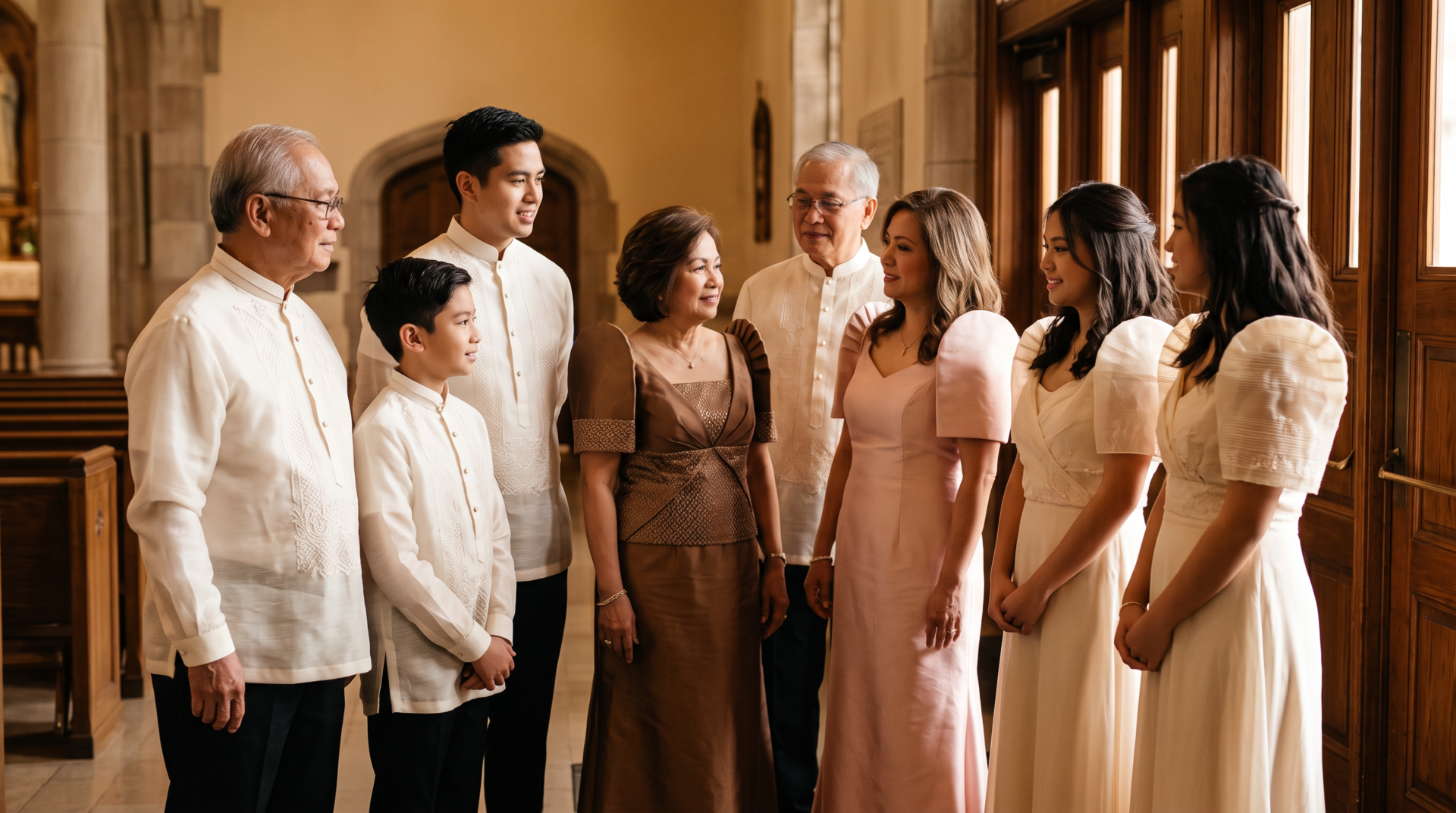
If you searched “filipiniana dress near me,” you are likely getting dressed for something that matters. A wedding, a debut, a graduation, a baptism, or a cultural program where showing up in Filipiniana is the whole point. This guide walks you through what to look for, how to shop from anywhere in the US, and how to make sure the dress fits and suits the occasion.
Why “near me” is harder than it sounds for Filipiniana
Outside of a few cities with large Filipino communities, there is no local shop carrying Filipiniana on a rack in your size. You might find a tailor in Daly City, Jersey City, or Carson, but most kapamilya in Texas, the Carolinas, the Midwest, or the Pacific Northwest are out of luck locally.
That is why “near me” searches for Filipiniana usually end online. The good news is that a well made Filipiniana dress ordered online, with the right measurements, will serve you better than a rushed local buy in the wrong cut. What you want is a shop that ships to the US, understands US sizing, and treats the dress as formalwear rather than a novelty.
If you are shopping from home and worried about timing, order earlier than you think. Give yourself at least three to four weeks before the event for shipping and any small adjustments a local seamstress might need to make.
What actually counts as a Filipiniana dress
Filipiniana is the umbrella term for the traditional formal dress of Filipino women. It is not a costume. It is heritage attire worn to the most important days of a family’s life, and it has a long, documented history that runs from the Maria Clara of the Spanish colonial period through the terno of the early twentieth century to the modern silhouettes worn today.
The dress you are shopping for likely falls into one of a few families.
The terno is the one most people picture: a floor length gown with structured butterfly sleeves that rise from the shoulders. It is the most formal option and is common at weddings, galas, and state occasions.
The Maria Clara is a four piece look with a blouse, a long skirt, a panuelo (a kerchief worn over the shoulders), and often a tapis (an overskirt). It reads softer and more historical.
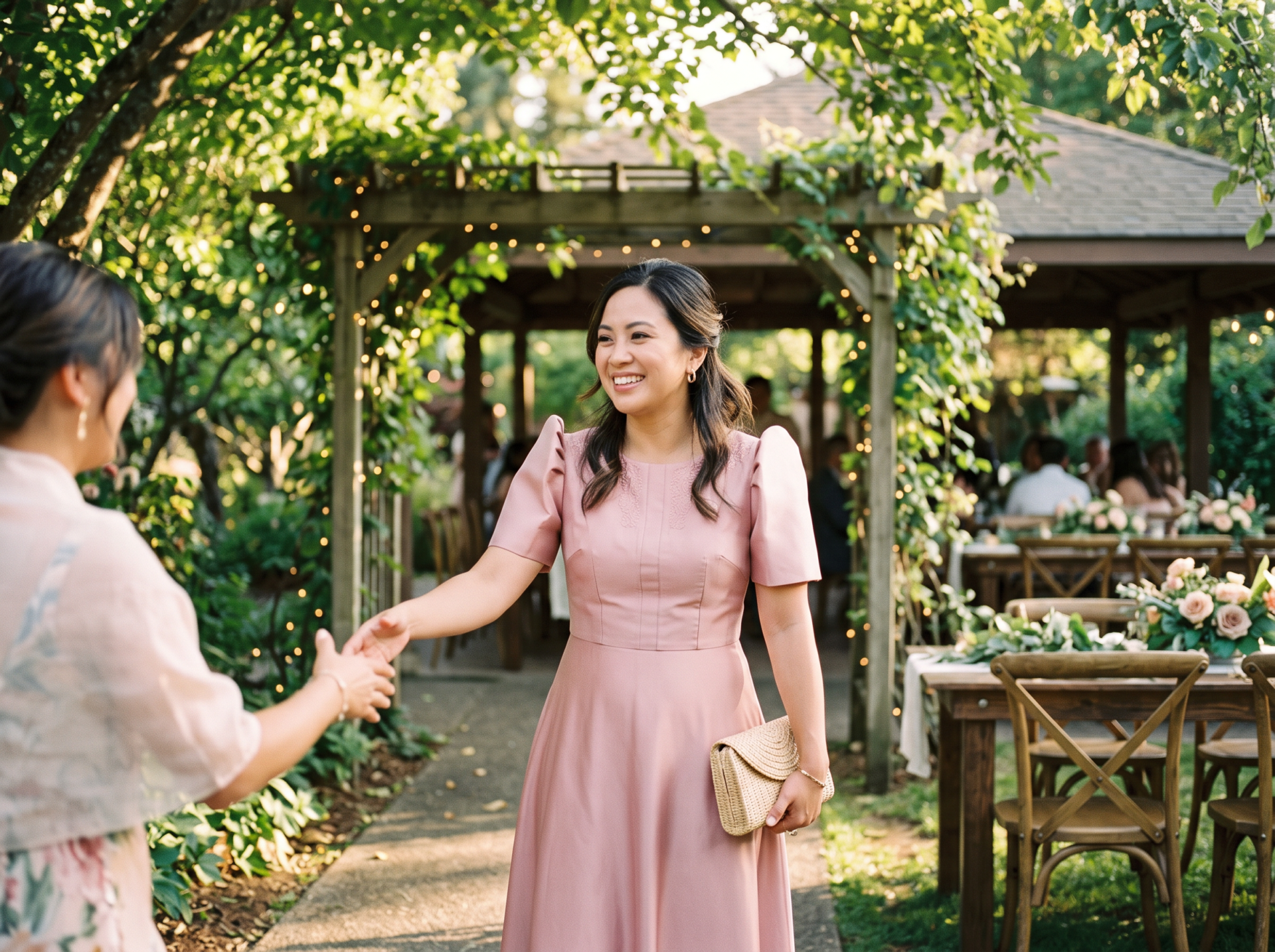
The modern Filipiniana keeps a nod to the butterfly sleeve or the paneled skirt but simplifies everything else. Think a knee length dress with a subtle sleeve, or a jumpsuit with a butterfly detail. This is what many wedding guests and debutantes wear today.
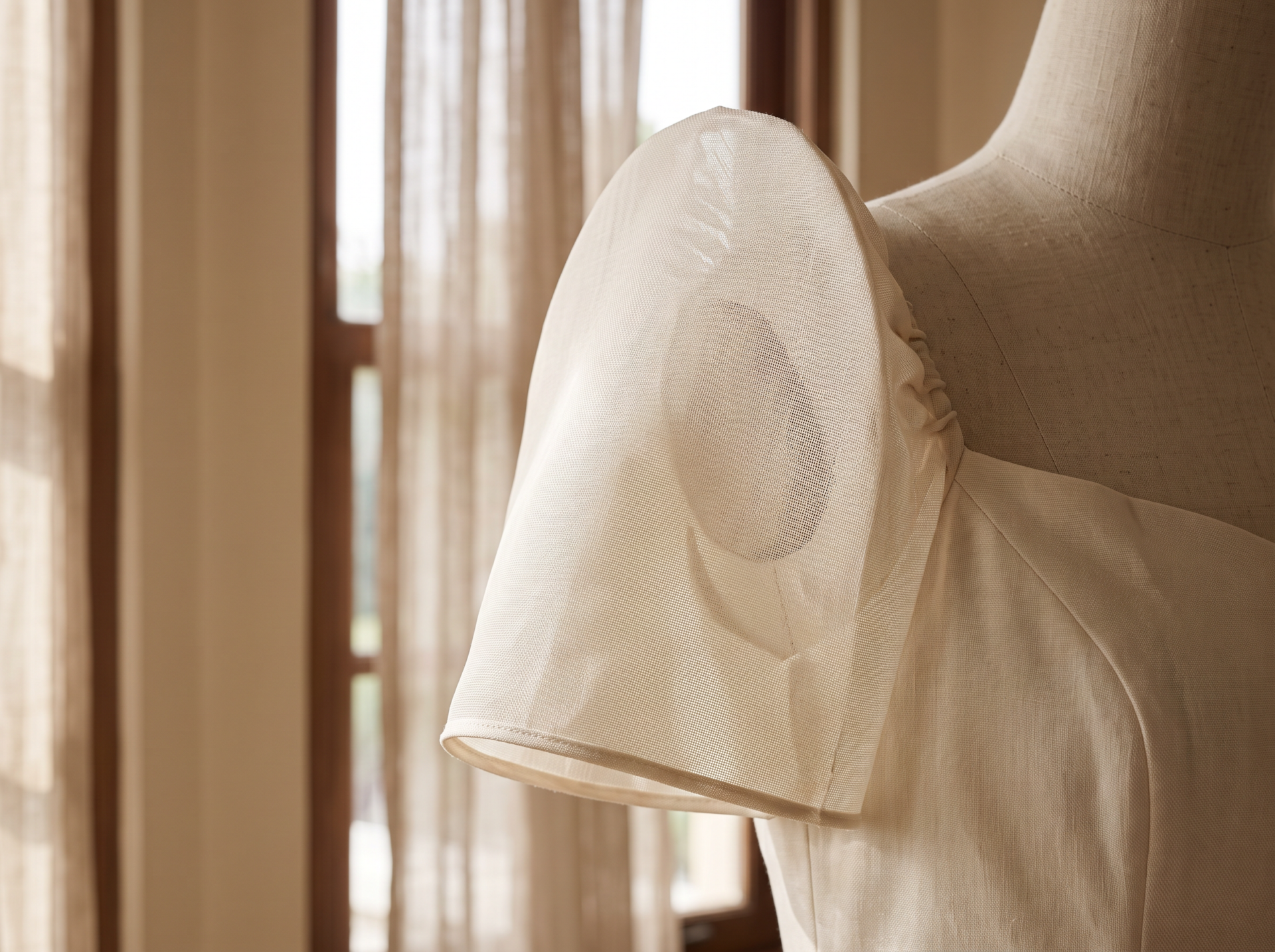
A Filipiniana bolero is a short jacket, often sheer, worn over a slip dress or gown to add the traditional sleeve shape without committing to a full terno. It is a smart pick if you want flexibility.
What are the parts of a Filipiniana dress
Knowing the vocabulary helps you shop with confidence and read product pages properly.
- Butterfly sleeves (also called angel sleeves): the stiff, upward curving sleeves at the shoulder. These are the signature of the terno.
- Camisa: the blouse of a traditional Maria Clara set.
- Saya: the long skirt.
- Panuelo (or pañuelo): the stiff kerchief folded over the shoulders and pinned at the chest.
- Tapis: a decorative overskirt wrapped over the saya.
- Baro: the general word for the top or blouse, as in baro’t saya.
Not every modern piece will use all of these. A contemporary Filipiniana dress may take the butterfly sleeve and pair it with a clean, single piece silhouette. That is a valid, current interpretation, not a shortcut.
How do I pick a Filipiniana dress for a wedding as a guest
Start with what the couple has asked for. If the invitation says Filipiniana attire, that is a request to honor the culture of the day, and any of the styles above will fit.
A few gentle guidelines. Avoid white, off white, and champagne unless the couple has specifically asked guests to wear them, since these can read as bridal. Reserve the fullest, most dramatic terno silhouettes for the bride, the mothers, and the ninang, unless you have been told otherwise. As a guest, a modern Filipiniana with a softer sleeve or a bolero over a simple gown is almost always the right call.
For a daytime beach or garden wedding, look for lighter, flowy cuts. For an evening church wedding or reception, a longer, more structured piece will feel appropriate.
If you are the ninang, the mother, or part of the entourage, coordinate with the bride’s team on color and formality before you order. This is the one part of Filipiniana shopping that is worth a phone call.
Fit, fabric, and occasion
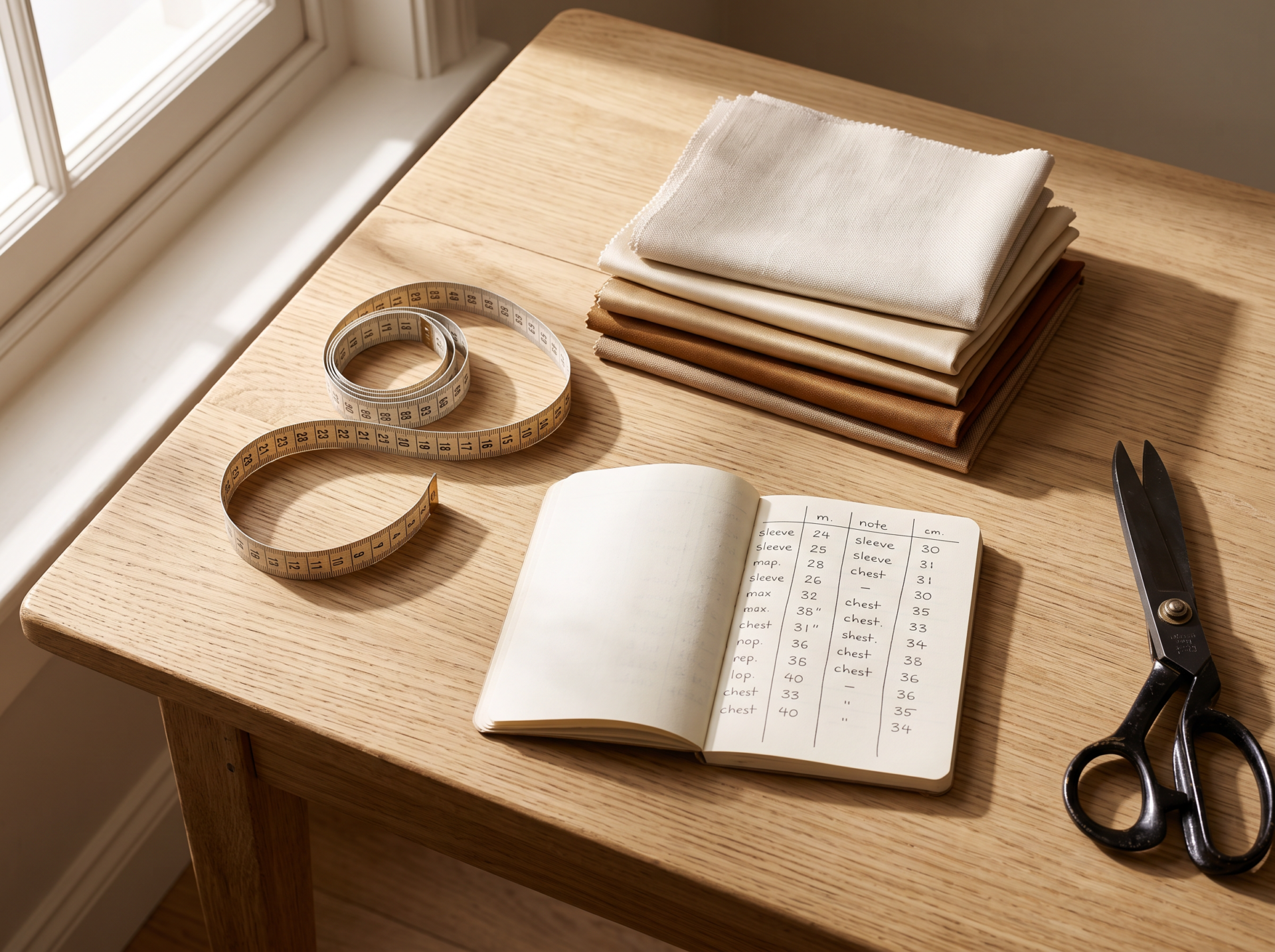
Fit. Filipino sizing generally runs one step smaller than US sizing. A US size 8 shopper often needs what a Manila label calls a size 10 or large. Always shop by your measurements, not by the label. Bust, waist, hips, and, for a terno, your shoulder to floor length are the numbers to have ready. If a shop offers made to measure, use it.
Fabric. Traditional Filipiniana has been made from many fine woven fabrics, some quite sheer and structured. These hold the butterfly sleeve beautifully but need care. Our Filipiniana dresses, boleros and blouses are mostly polyester organza, which holds its shape, travels well and is easy to care for. Think about your venue: an outdoor summer wedding in Houston asks for something different than an air conditioned ballroom in Chicago.
Occasion. Match the formality to the event. Full terno for weddings, milestone birthdays, and formal cultural nights. Modern Filipiniana or a Filipiniana bolero for debuts, graduations, corporate galas, and being a guest at most weddings. For a funeral or a solemn mass, choose a quiet color and a covered, restrained silhouette. The dress should support the moment, not compete with it.
How to shop online with confidence
A few things to check before you order.
Look for a shop that lists measurements in inches and states clearly how their sizing maps to US sizing. Read the shipping page carefully so you know when the dress will arrive. Check the return and alteration policy, since formalwear often needs a small adjustment at the hem or bust once it is in your hands. And look at how the pieces are photographed on real people, not only on flat lays.
If the site does not tell you which family of Filipiniana you are looking at, whether that is terno, Maria Clara, or modern, that is a sign the seller is not thinking about the dress the way you are.
Where to look next
If you came here searching for a Filipiniana dress near you and realized the answer is going to be online, take your time with it. The dress you choose will show up in photographs your family will keep for decades.
You can browse our Filipiniana collection to see the current pieces, with US sizing, full measurements, and shipping across the United States. When you are ready, we are here to help you find the right one for your day.
More for you:
To dive deeper into Filipino heritage wear and styling, explore these related topics:
- How to Wash a Barong Tagalog: The Expert Care Guide
- Filipiniana Dress Guide: A Simple Look at Heritage, Style & Elegance
- How to Style a Filipiniana Bolero with Denim: Modern Outfits
- Filipino Debut Dress Code: Guest & Court of Honor Guide