
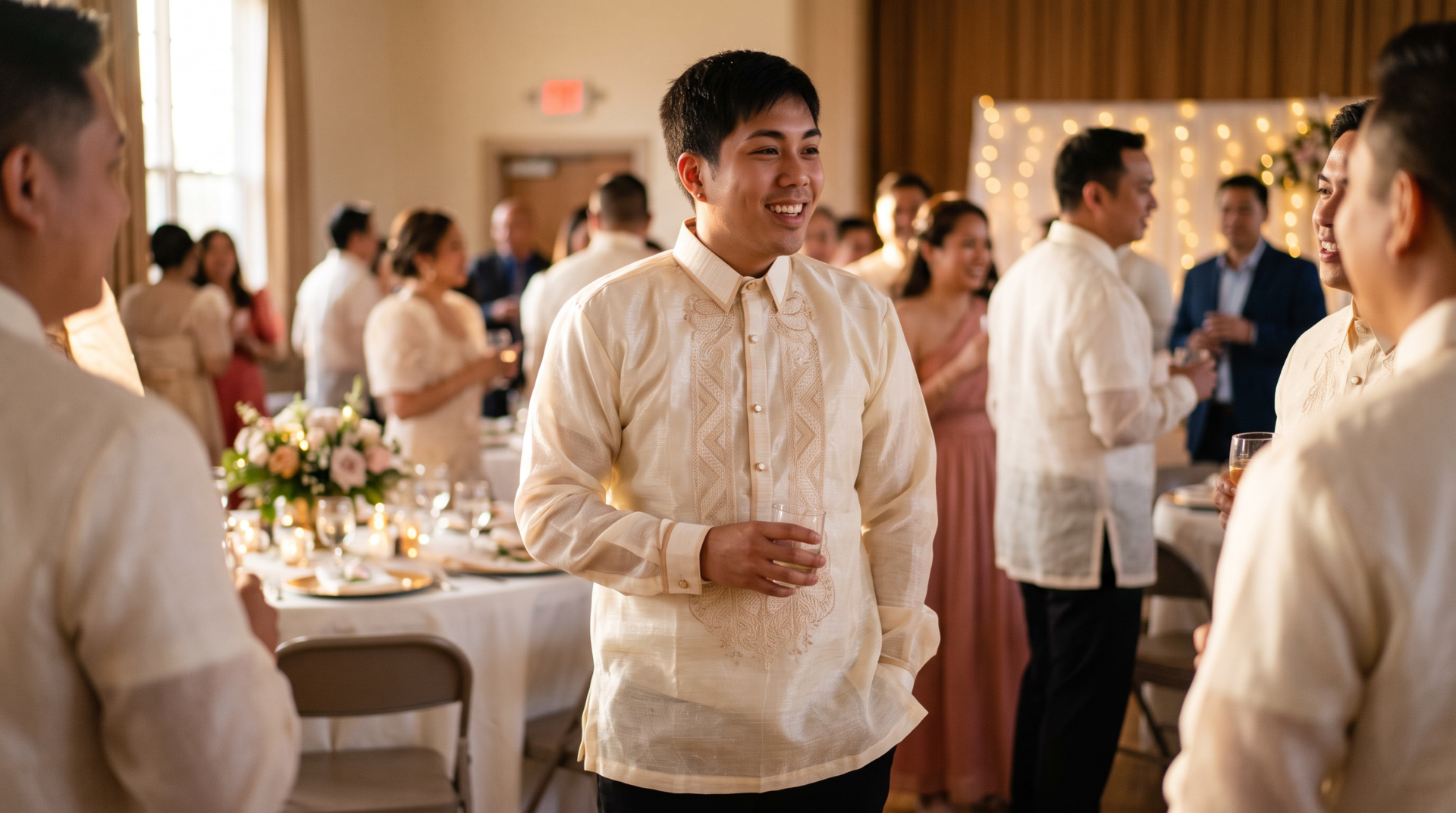
If you just typed “barong near me” into a search engine, you are probably in a bit of a rush, or at least feeling the pressure of an upcoming event. A family wedding, a debut, a graduation, a cultural festival, maybe a baptism where the ninong is expected to show up looking sharp. The clock is ticking and you want something you can hold in your hands as soon as possible.
You are not alone. Thousands of Filipinos and Filipino-Americans search for local barong sources every month, often landing on frustration because the honest truth is that authentic barong tagalog is genuinely hard to find on a physical rack outside of a few major metropolitan areas with large Filipino communities.
This guide is here to help you understand your options, know what to look for, and walk into your event feeling confident and well-dressed, whether you end up finding something locally or ordering online.
What Is a Barong Tagalog, Exactly?
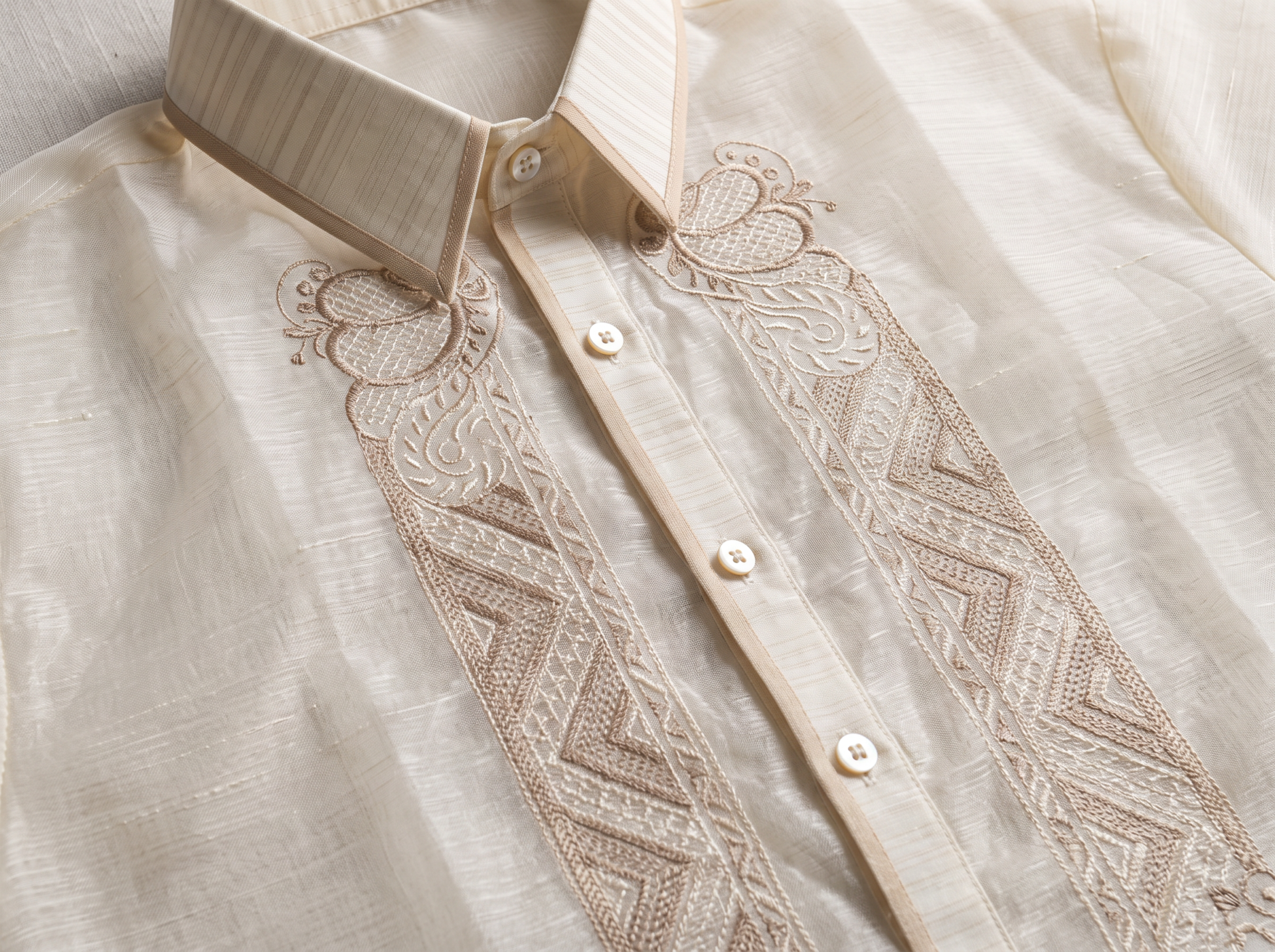
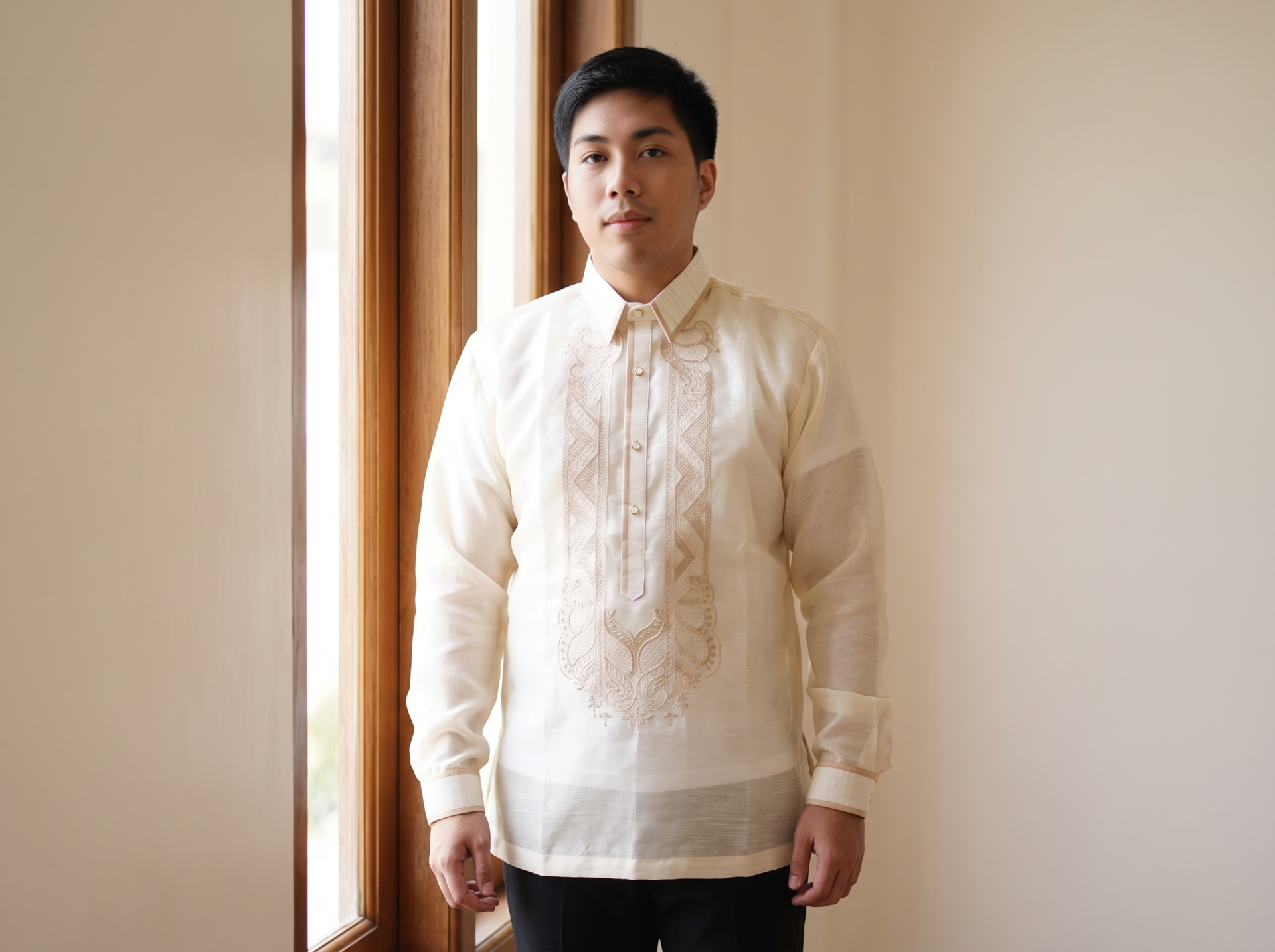
For anyone new to Filipino formal wear, a quick orientation. The barong tagalog (often shortened to just “barong”) is the national formal garment of the Philippines, worn by men for weddings, formal dinners, government functions, and important family gatherings. It is a long-sleeved, collarless or mandarin-collared shirt, typically made from sheer or semi-sheer fabric, worn untucked over a plain white or colored undershirt.
Historically, the finest barongs were made from piña (pineapple-leaf fiber) and jusi. We don’t sell piña or jusi; our barongs are polyester organza, with a few in Jusilyn, cocoon fabric and cotton. The front panel is usually embroidered, ranging from delicate floral hand-stitching to bold geometric machine embroidery depending on the occasion and budget. The result is something that manages to feel both lightweight and formal at the same time, which is particularly practical for warm-weather events.
For women and girls, the equivalent piece is the filipiniana or terno, though bolero-style pieces and embroidered separates fall into the same cultural category of Filipino formal dress.
Why Finding a Barong Locally Can Be So Difficult
Let’s be direct about the landscape. Outside of cities like Los Angeles, Chicago, New York, and parts of Hawaii and the Bay Area, dedicated Filipino clothing boutiques are rare. Even in cities with substantial Filipino-American populations, the selection at local stores can be limited to a handful of styles, often in a narrow size range, and the stock is not always consistent year to year.
General formal wear shops almost never carry barong at all. Department stores do not stock them. A Filipino grocery or gift shop might carry one or two options, but these tend to be basic pieces rather than the kind of well-constructed garment you want for a significant occasion.
This is simply a supply-and-demand reality. Barong tagalog is a niche product in the broader North American retail market, which means the physical retail infrastructure has not caught up with the demand from the diaspora community.
What Online Shopping Actually Solves
This is where the story gets more encouraging. The rise of online marketplaces, particularly Amazon, has made it genuinely possible to find authentic, well-made barong without leaving your home, often with faster delivery than you might expect.
When evaluating an online barong purchase, here is what to pay attention to:
- Fabric description. Look for listings that specify the material clearly, whether that is polyester organza, Jusilyn, cocoon fabric, or cotton. Each has different qualities, care requirements, and price points. Organza is the most common choice for weddings and formal events.
- Embroidery type. Hand embroidery is the most labor-intensive and typically most expensive. Machine embroidery can still be beautiful and is perfectly appropriate for most occasions. The listing should tell you which it is.
- Country of origin. Barong made in the Philippines, by Filipino artisans, carries cultural authenticity that is worth seeking out, especially for meaningful events.
- Size chart specificity. A good seller will provide chest, shoulder, and sleeve measurements, not just small, medium, and large labels.
- Customer photos in reviews. Verified buyer photos give you the most realistic sense of how the garment actually looks on a person.
- Return and exchange policy. For a garment you have not tried on, a reasonable return window matters.
Brands like Handmade Kapamilya source their pieces from Filipino makers, which means the craft and cultural integrity of the garment are genuinely present in the final product, not just in the marketing.
Sizing Tips for Ordering Filipino Formal Wear Online
Sizing is the most common concern when ordering a barong without trying it on first. Here are practical steps to get it right:
1. Measure yourself, do not guess. Use a soft measuring tape to measure your chest at its widest point, your shoulders from seam to seam, and your sleeve length from shoulder to wrist.
2. Compare those numbers to the seller’s size chart. Do not default to your usual shirt size, since cut and proportions vary significantly between brands.
3. When between sizes, consider the undershirt layer. A barong is worn over a white crew-neck or round-neck undershirt. If you are borderline between sizes, going up one size gives you more comfort.
4. Note the length. Barong are worn untucked, so the hem should fall around mid-hip or slightly below. Check if the listing specifies garment length.
5. Check if alterations are feasible. Sheer barong fabric can be tailored by an experienced seamstress, but it requires care. If you are between sizes and worried, a local tailor who works with delicate fabrics can make minor adjustments.
Care Tips to Keep Your Barong Looking Its Best
Once you have your barong, treat it well. These garments are made from delicate materials and deserve a little extra attention.
- Hand wash or use a delicate machine cycle in cold water with a gentle detergent. Avoid wringing.
- Lay flat or hang to dry rather than using a dryer. Heat can damage embroidery and distort sheer fabric.
- Iron on a low setting with a pressing cloth between the iron and the fabric, especially over embroidered areas.
- Store hanging rather than folded when possible, to prevent crease lines in the sheer fabric.
- Follow the care label. Polyester organza is easy to care for; dry clean only if the label calls for it.
The Bigger Picture: Online Is Often the Better Option
Searching for a “barong near me” comes from a completely understandable instinct. You want to see what you are buying, try it on, and take it home that day. But for most Filipinos outside major urban hubs, the local option simply does not exist at the quality level a meaningful occasion deserves.
Shopping from a reputable online source, one that is transparent about materials, sizing, and origin, often results in a better garment than what you would find at a local shop with limited inventory. Shipping timelines from established sellers on Amazon are frequently fast enough that ordering even a week or two before an event is realistic.
The Filipino formal wear you wear to a wedding, a graduation, or a cultural celebration is not just clothing. It is a statement of heritage and respect for the occasion. Taking a little time to find the right piece, even if it means ordering online rather than walking into a store, is worth it.
If you are shopping for a barong tagalog, a filipiniana, or a graduation stole that carries genuine Filipino craftsmanship, take a look at what is available in several sizes and styles, and use the tips above to make a confident, well-informed choice.
Further Reading & Related Guides
To help you prepare for your event and keep your traditional Filipino formalwear looking pristine, explore these related resources: