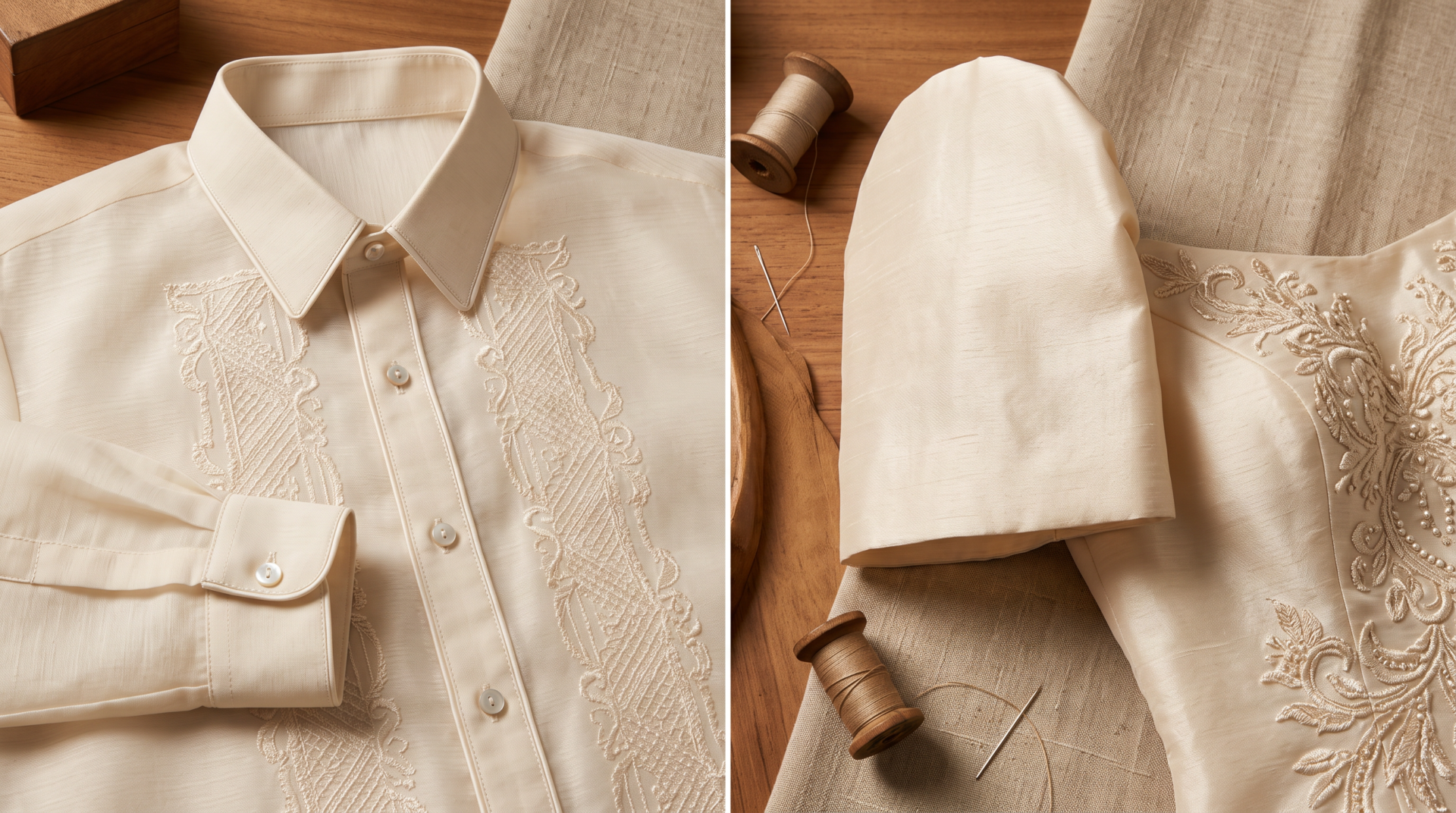
If you have ever shopped for a barong tagalog, a filipiniana dress, or a bolero and found yourself staring at two fabric options, piña jusi and piña cocoon, you are not alone. These two weaves look similar at first glance, both carry the prestige of Philippine craftsmanship, and both are woven with pineapple fiber at their core. But they feel different on the body, drape differently on the shoulders, and suit different occasions in subtle but meaningful ways.
This guide breaks down what each fabric actually is, how they compare side by side, and how to decide which one is right for your next formal Filipino outfit.
A Quick Word About Piña Fabric
Piña (pronounced PEE-nya) is one of the most celebrated luxury textiles in the Philippines. It is woven from fibers extracted from the leaves of the native pineapple plant, a tradition rooted in the Visayas region, particularly in Aklan. The resulting cloth is sheer, lightweight, and naturally ivory or off-white. It has a subtle luster that catches light in a way that synthetic fabrics simply cannot replicate.
Because raw piña fiber is labor-intensive to produce, pure piña has historically been expensive and reserved for the most formal occasions, think state ceremonies, presidential barongs, and couture filipiniana. To make the fabric more accessible without sacrificing too much of its character, weavers developed blended versions. That is where piña jusi and piña cocoon come in.
What Is Piña Jusi?
Piña jusi (sometimes written as piña-jusi) is a blend of pineapple fiber and jusi. Jusi itself is a fine, slightly crisp fabric traditionally made from silk or, more commonly today, from ramie or synthetic filaments. When combined with piña fiber, the resulting weave is:
- Crisper and more structured than pure piña
- Less sheer, making embroidery and embellishments stand out more clearly
- More affordable than pure piña or piña-silk blends
- Widely available in barong tagalog and filipiniana cuts across many price points
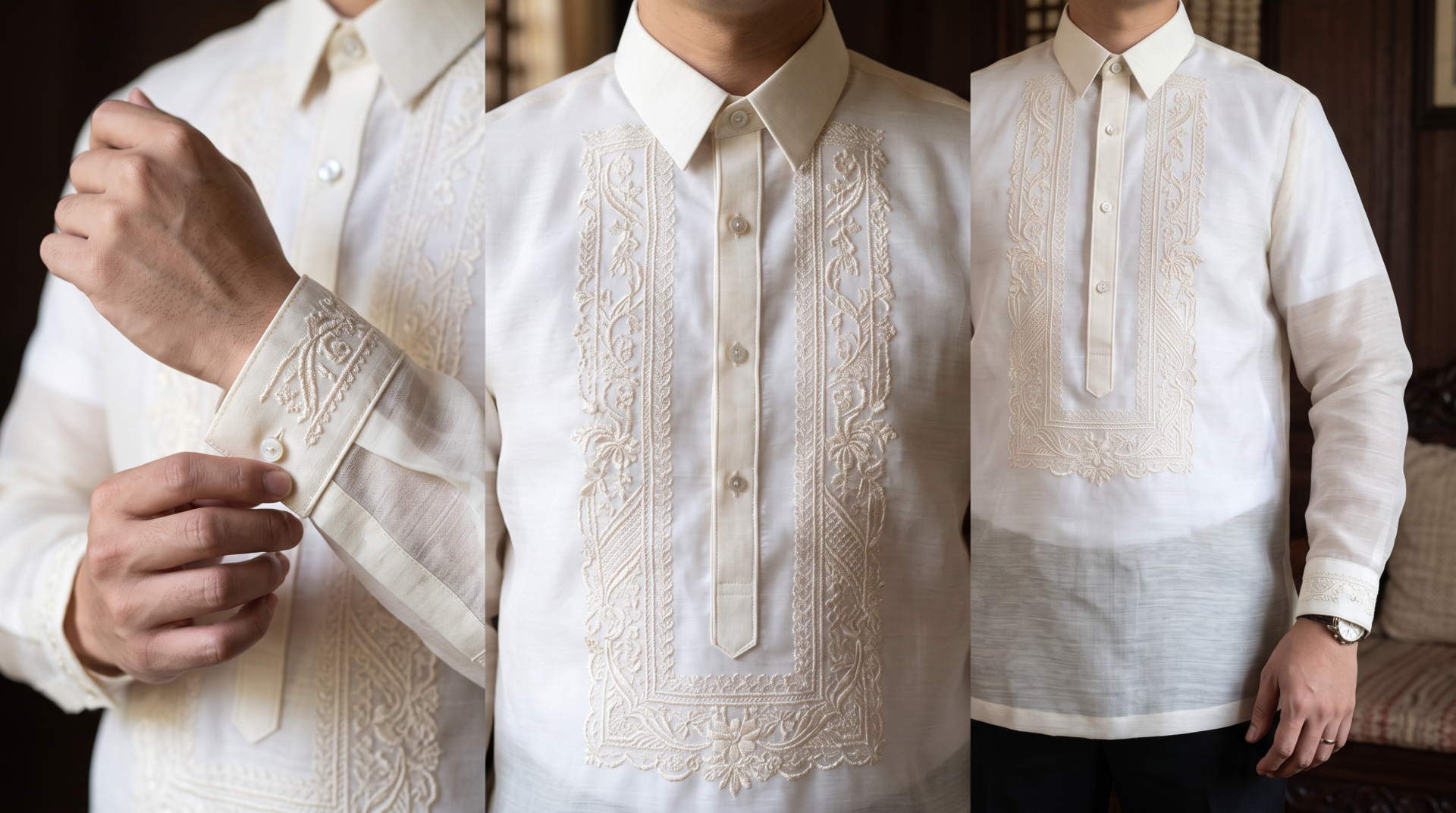
Piña jusi has become the most common fabric choice for formal Filipino wear sold online and in Filipino-American communities abroad. It holds its shape well, which is ideal for barong tagalog shirts worn over a camisa de chino or for grad stoles that need to drape flat and crisp across the shoulders during a ceremony.
The slight stiffness of jusi in the blend also makes the fabric forgiving to wear, it does not cling, and it handles embroidery thread tension without puckering the way a softer weave might.
What Is Piña Cocoon?
Piña cocoon, sometimes called piña-cocoon or piña silk-cocoon, blends pineapple fiber with cocoon silk, meaning actual silkworm-derived fiber. The addition of natural silk changes the character of the fabric considerably:
- Softer and more fluid drape, close to the feel of high-end silk
- Higher natural sheen, giving the fabric a gentle glow even in low light
- Slightly more transparent than piña jusi, which adds elegance but may require a lining
- More delicate to care for, as silk fiber is sensitive to heat and moisture
- Positioned at a higher price point compared to piña jusi
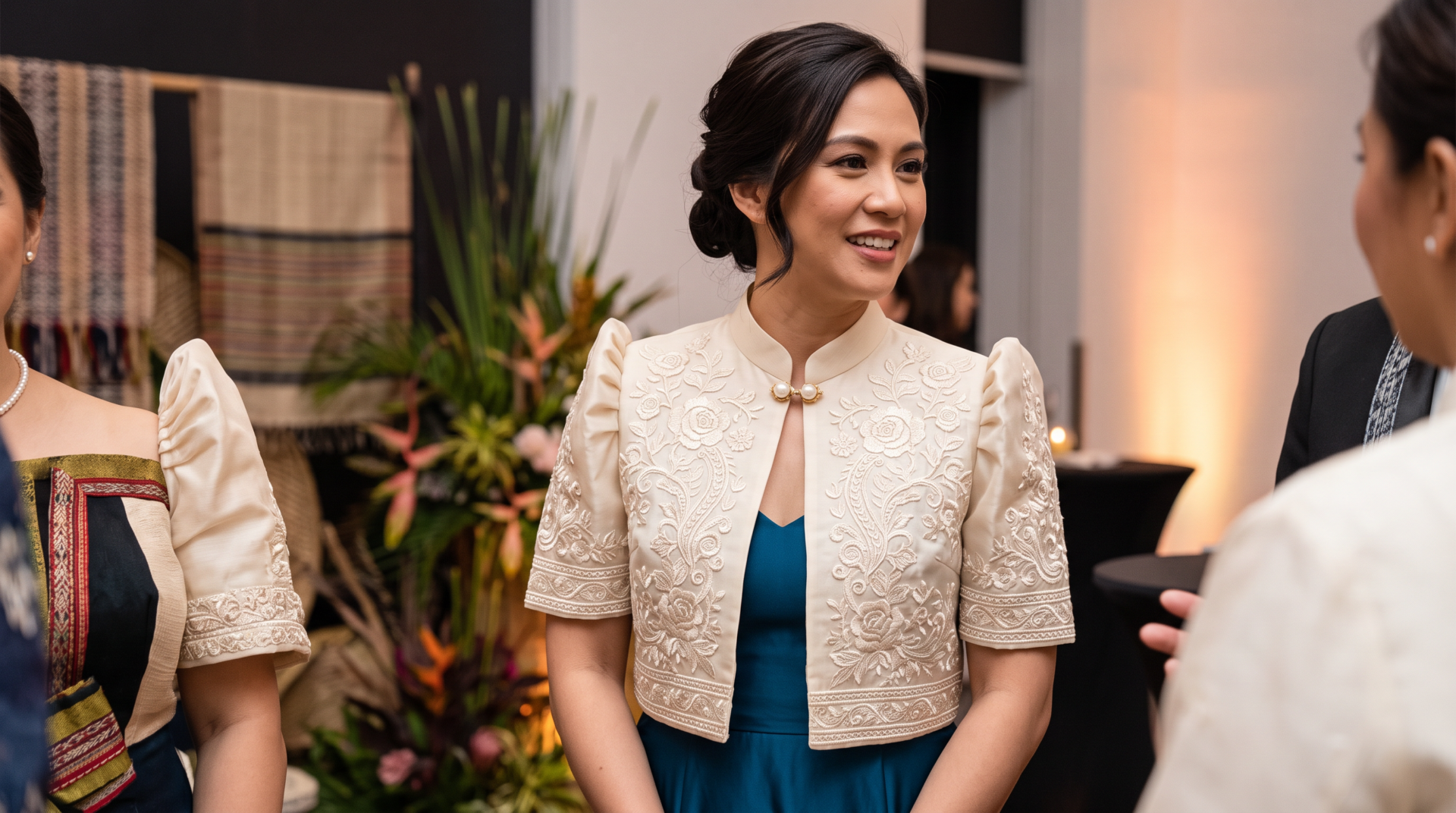
Piña cocoon is often chosen for filipiniana gowns, bolero jackets, and any garment where luxurious drape and a dressed-up look are the priority. The silkier quality makes it especially flattering in flowing cuts and princess-line dresses. For wearers attending weddings, debutante balls, or cultural galas, piña cocoon signals a step up in formality and investment.
Piña Jusi vs Piña Cocoon: A Side-by-Side Look
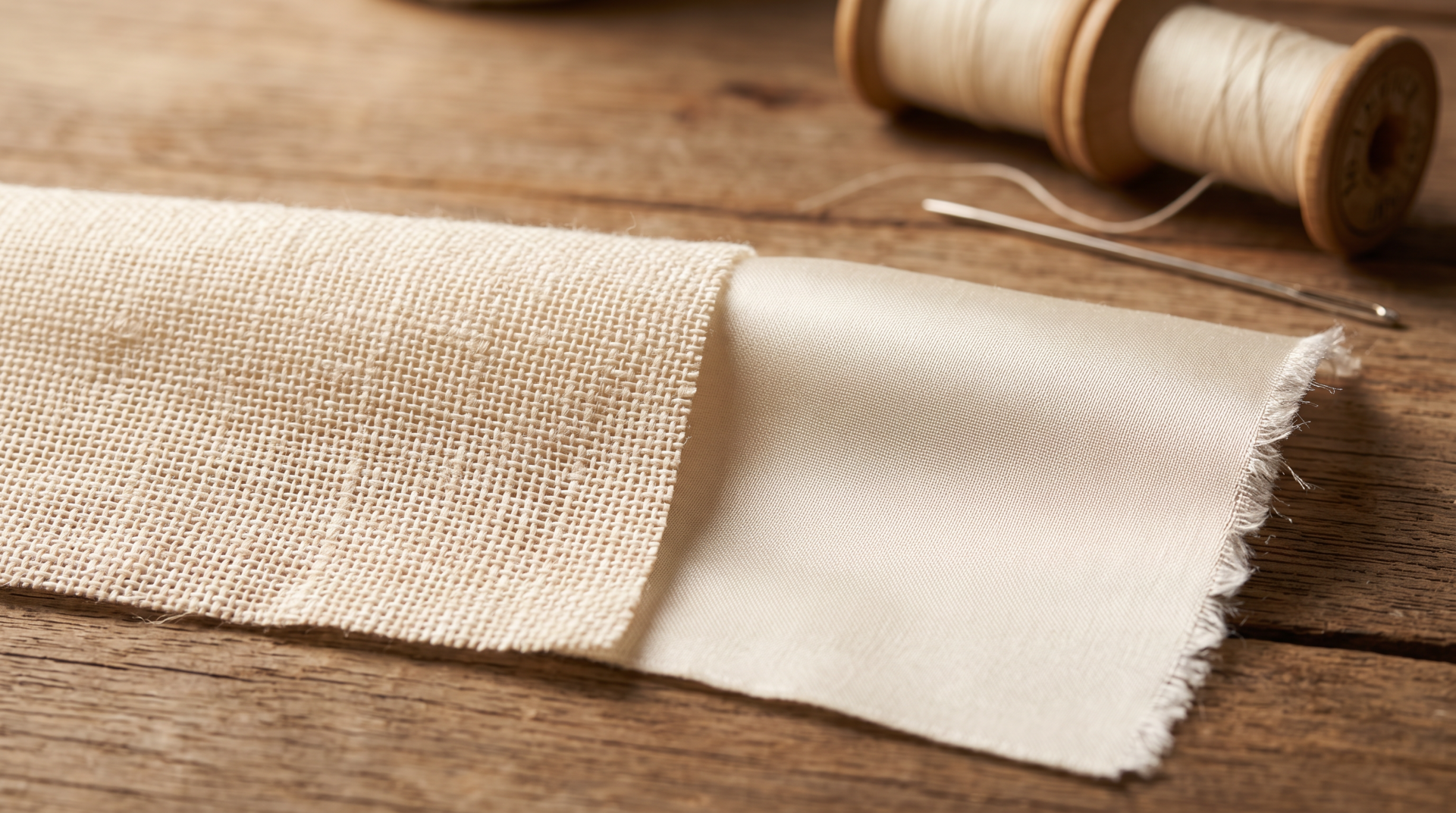
Here is a quick comparison to help you see the differences at a glance:
| Feature | Piña Jusi | Piña Cocoon |
|—|—|—|
| Fiber blend | Piña + jusi (ramie or synthetic) | Piña + cocoon silk |
| Texture | Crisp, slightly stiff | Soft, fluid |
| Sheen | Subtle matte-to-light luster | Higher, silkier sheen |
| Sheerness | Moderate | Slightly higher |
| Best for | Barong tagalog, grad stoles, everyday formal | Filipiniana gowns, bolero, gala wear |
| Care | Easier, more resilient | More delicate, hand wash or dry clean |
| General price range | More accessible | Higher investment |
Neither fabric is objectively better. The right choice depends entirely on the garment type, the occasion, and your personal comfort priorities.
How to Choose: A Practical Guide
Asking yourself these questions before you order can save you from surprises when the garment arrives:
1. What garment are you buying? Barong tagalog shirts and grad stoles benefit from the structure of piña jusi. Filipiniana dresses and bolero jackets often look more elegant in piña cocoon.
2. How formal is the event? For everyday office or school formal wear, piña jusi is perfectly appropriate. For a black-tie Filipino cultural event or a debut, piña cocoon elevates the look.
3. Will you be wearing it in warm weather? Both fabrics are lightweight and breathable compared to Western formalwear, but piña jusi’s crispness can feel a touch warmer. Piña cocoon’s softer weave tends to move with air more easily.
4. Are you comfortable with delicate garment care? If you need something you can hand-wash at home without much fuss, piña jusi is more forgiving. Piña cocoon benefits from professional care or very gentle hand washing.
5. What is your budget? Both fabrics represent genuine Filipino craftsmanship, but piña cocoon’s silk content places it at a higher price point. If budget is a consideration, piña jusi delivers beautiful results without the premium.
6. Do you plan to pass the garment down? Heirloom-quality garments are often made in piña cocoon because of its luxurious feel, but proper storage (away from humidity, moths, and direct light) matters more than fabric choice alone.
Caring for Piña Jusi and Piña Cocoon
Both fabrics share some care principles, but piña cocoon requires a little extra attention.
For piña jusi:
- Hand wash gently in cool water with mild detergent, or dry clean
- Do not wring; press out excess water gently by rolling in a clean towel
- Iron on a low-heat setting while slightly damp, or use a pressing cloth
- Store flat or hanging in a breathable garment bag
For piña cocoon:
- Dry cleaning is strongly recommended, especially for embroidered pieces
- If hand washing is necessary, use cool water and a silk-friendly detergent
- Never twist or wring the fabric
- Iron on the lowest silk setting, always with a pressing cloth between the iron and the garment
- Store in a cool, dry place away from direct sunlight, as silk fiber can yellow over time
Making a Confident Purchase
When you shop for Filipino formal wear online, the fabric description in the product listing is one of the most important details to check. A listing that specifies piña jusi or piña cocoon is telling you something real about the garment’s feel, care requirements, and appropriate occasion.
At Handmade Kapamilya, garments are crafted by skilled Filipino artisans and are available in several sizes to fit a range of body types. Whether you are looking for a barong tagalog for a graduation, a filipiniana for a cultural celebration, or a bolero for a wedding party, understanding the fabric before you buy helps set accurate expectations and keeps you happy long after the event is over.
Both piña jusi and piña cocoon are beautiful expressions of Philippine textile heritage. Knowing the difference simply helps you choose the right one for your moment.
Further Reading & Styling Guides
Expand your knowledge of Filipino heritage fashion and event etiquette with these related guides from the Handmade Kapamilya library:
- Looking for the Perfect Fit Stateside? Check out Where to Buy a Barong in the USA: Ultimate Buyer Guide.
- Master the Heritage Look: Explore our complete Barong Tagalog Style Guide (USA): How to Choose & Style It.
- Garment Preservation Secrets: Step-by-step masterclass on How to Wash a Barong Tagalog: The Expert Care Guide.
- Casual Modern Styling: Learn How to Style a Filipiniana Bolero with Denim: Modern Outfits.
- Baptism Guide & Traditions: Read Filipino Baptism Guide: What to Wear & Binyag Traditions.