
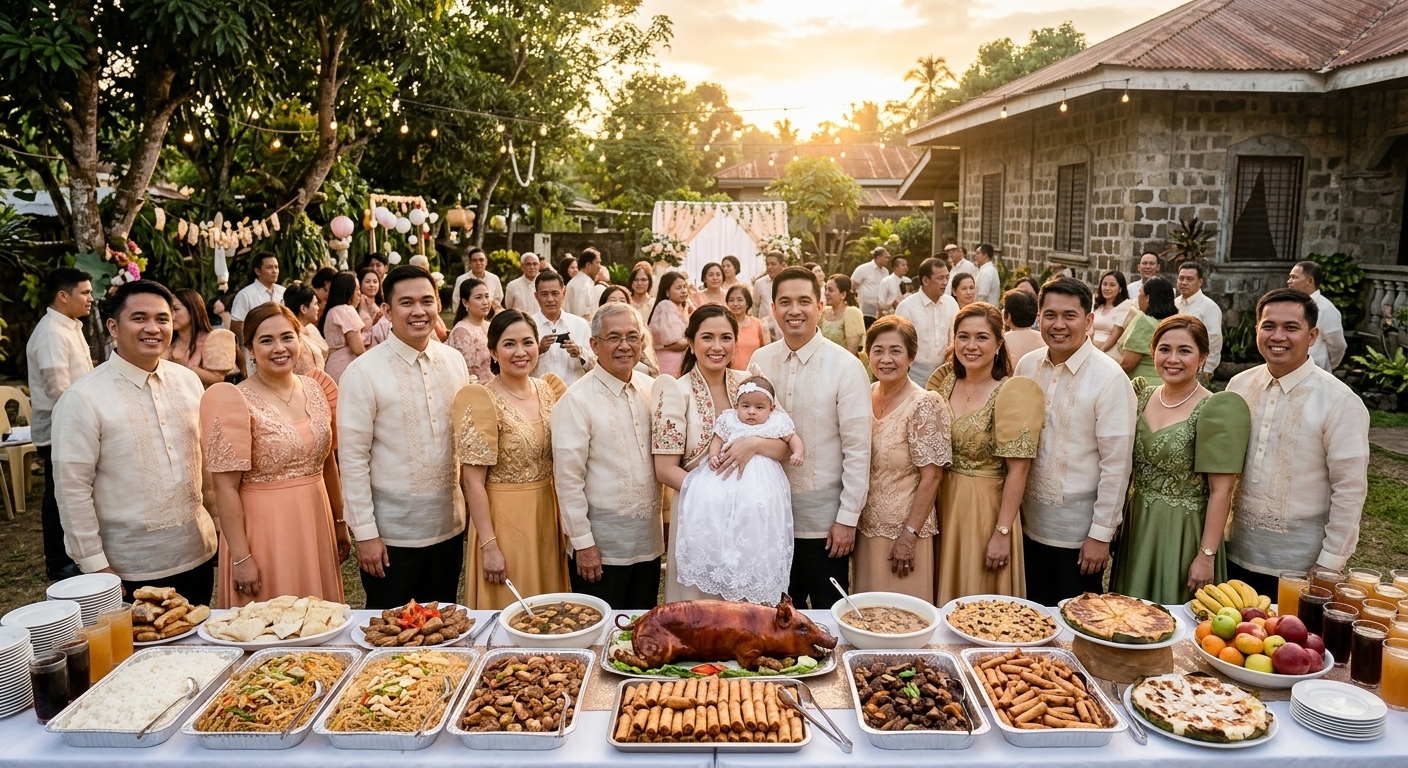
For many Filipino families, a baptism is not simply a religious sacrament. It is a full community celebration, a reason to gather the extended family, prepare a long table of food, and dress up in a way that honors both faith and culture. If you have been invited to a Filipino baptism, or if you are a parent or godparent preparing for one, this guide will walk you through the traditions you can expect and help you figure out exactly what to wear.
What Makes a Filipino Baptism (Binyag) Special
The word binyag comes from the Tagalog term for baptism, and the event carries enormous cultural weight in Filipino Catholic life. The Philippines is one of the largest Catholic nations in the world, and baptism is typically the first major sacrament a child receives, often within weeks or months of birth.
Beyond the church ceremony itself, a Filipino baptism usually includes a reception, sometimes called a handaan, at the family home, a restaurant, or a rented event space. Expect traditional Filipino dishes, a lot of laughter, and relatives you may not have seen in years. The atmosphere is festive and warm, meaning the dress code leans formal but joyful rather than stiff or somber.
The Role of Godparents: Ninong and Ninang
One of the most distinctive aspects of Filipino baptism traditions is the prominent role of godparents. Filipino families often invite multiple godparents, sometimes six, eight, or even more pairs of ninong (godfather) and ninang (godmother). This practice, sometimes called compadrazgo, reflects the belief that a child benefits from a wide network of spiritual mentors and community supporters.
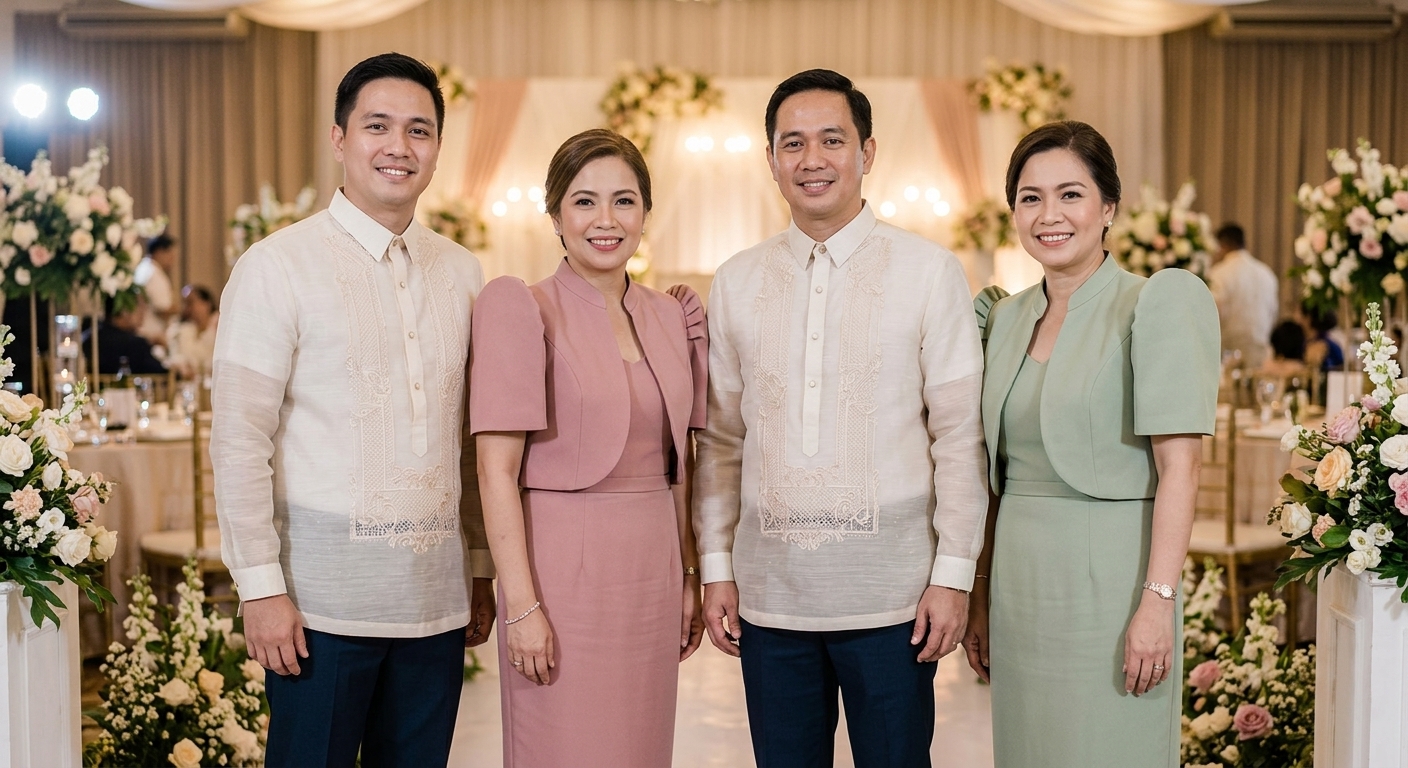
Being asked to serve as a ninong or ninang is considered a great honor. It also comes with expectations: showing up well-dressed is part of respecting that role. Godparents are typically expected to wear coordinated or complementary formal attire, and the family may even send a suggested color palette in advance so the group looks cohesive in photos.
What the Baby Wears: Heirloom Gowns and Little Baby Barongs
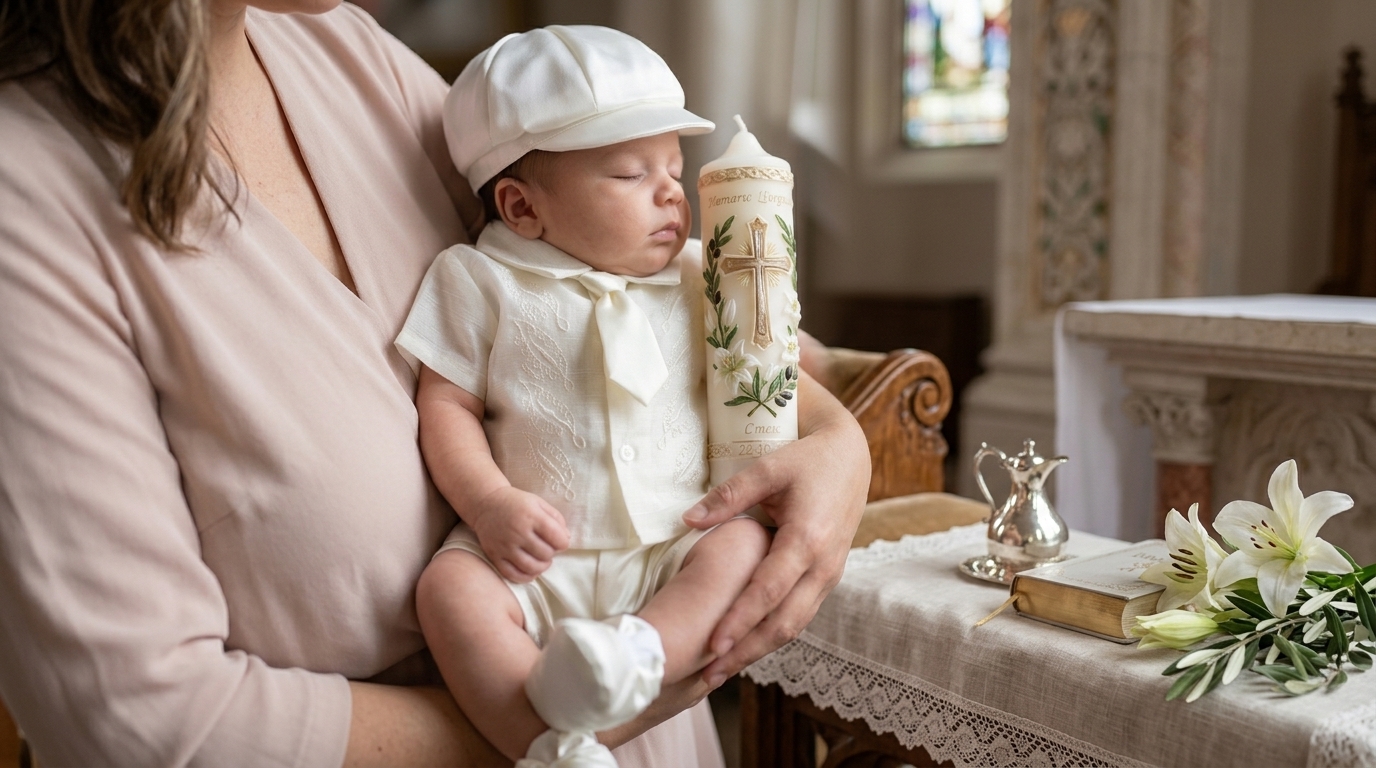
The baptized infant is traditionally dressed in pristine white or ivory, symbolizing purity and the new beginning of the sacrament. In our workshop at Handmade Kapamilya, we often see families choosing between two deeply meaningful paths for their little one’s binyag outfit:
- The Classic Baptismal Gown: Many families cherish long, delicate, and intricately detailed gowns—often heirloom pieces handed down through generations. These garments carry profound sentimental value and look breathtakingly timeless in church photographs.
- The Baby Barong Tagalog: For baby boys, dressing them in a custom-crafted baby barong is a wonderful way to introduce them to Filipino formal wear early on. It mirrors the classic attire worn by the ninongs and the father, creating a heartwarming, perfectly coordinated look for family portraits. Crafted from lightweight, breathable piña or jusi fabrics, a baby barong ensures that the little man stays comfortable and cool throughout both the solemn church ceremony and the joyous handaan reception.
Whether you are passing down a generational gown or commissioning a miniature barong for your baby boy, these garments help anchor the child in our rich cultural heritage right from the start. Mabuhay to the newest member of the family!
Dress Code for Ninongs, Ninangs, Parents, and Guests
Here is where Filipino formal wear comes into its own. A binyag is one of the occasions where a barong tagalog, filipiniana, or bolero is not just appropriate but genuinely celebrated.
For men (ninongs, fathers, and male guests):
A barong tagalog is the classic choice. The translucent fabric, intricate embroidery, and tailored silhouette signal respect for the occasion without the heaviness of a Western suit. For a baptism, a white, cream, or pale-colored barong works beautifully and coordinates easily with the baby’s white baptismal look.
For women (ninangs, mothers, and female guests):
A filipiniana dress or a formal bolero paired with a skirt or gown is a graceful, culturally resonant option. Soft, light colors tend to photograph well and complement the celebratory atmosphere. Many ninangs coordinate their outfits with the ninong group, so a bolero in a shared color can pull the whole look together.
General guest attire:
If you are attending as a guest rather than a godparent, smart-casual to semi-formal is usually appropriate. Filipino events tend to be slightly more dressed up than equivalent American celebrations, so when in doubt, err on the side of dressing up a bit more rather than less.
Practical Tips for Choosing Filipino Formal Wear for a Binyag
Shopping for a baptism outfit, especially from abroad or on a tight timeline, comes with its own considerations. Here are a few things to keep in mind:
- Order early. If you are purchasing a barong tagalog or filipiniana online, build in time for shipping and, if needed, minor alterations. Handmade pieces especially may have slightly longer lead times.
- Check the sizing details carefully. Filipino formal wear sizing can differ from standard American sizing. Look for brands that provide detailed measurements (chest, waist, length) so you can compare against your own measurements rather than relying on a size label alone.
- Think about fabric weight. Baptisms may be held in an air-conditioned church followed by an outdoor or semi-outdoor reception. Lighter fabrics like piña-jusi blends or organza are comfortable across different settings.
- Consider versatility. A well-made barong tagalog or filipiniana can be worn to multiple Filipino celebrations, from baptisms to debuts, weddings, and fiestas. Choosing a classic style and neutral color extends the value of the purchase.
- Coordinate with the group if you are a godparent. Reach out to the other ninongs and ninangs early to align on color family or style so the group photos look intentional and beautiful.
- Pack a lint roller. Lighter-colored fabrics, especially those made from natural fibers, can pick up lint or pet hair during travel. A small roller in your bag saves the day.
Styling and Care After the Celebration
After a special occasion, proper garment care ensures your Filipino formal wear stays beautiful for the next event. A few general guidelines:
- Spot-clean any stains as soon as possible, especially from food at the handaan reception.
- Follow the care label instructions. Many embroidered barong tagalogs are best hand-washed or dry-cleaned to protect the needlework.
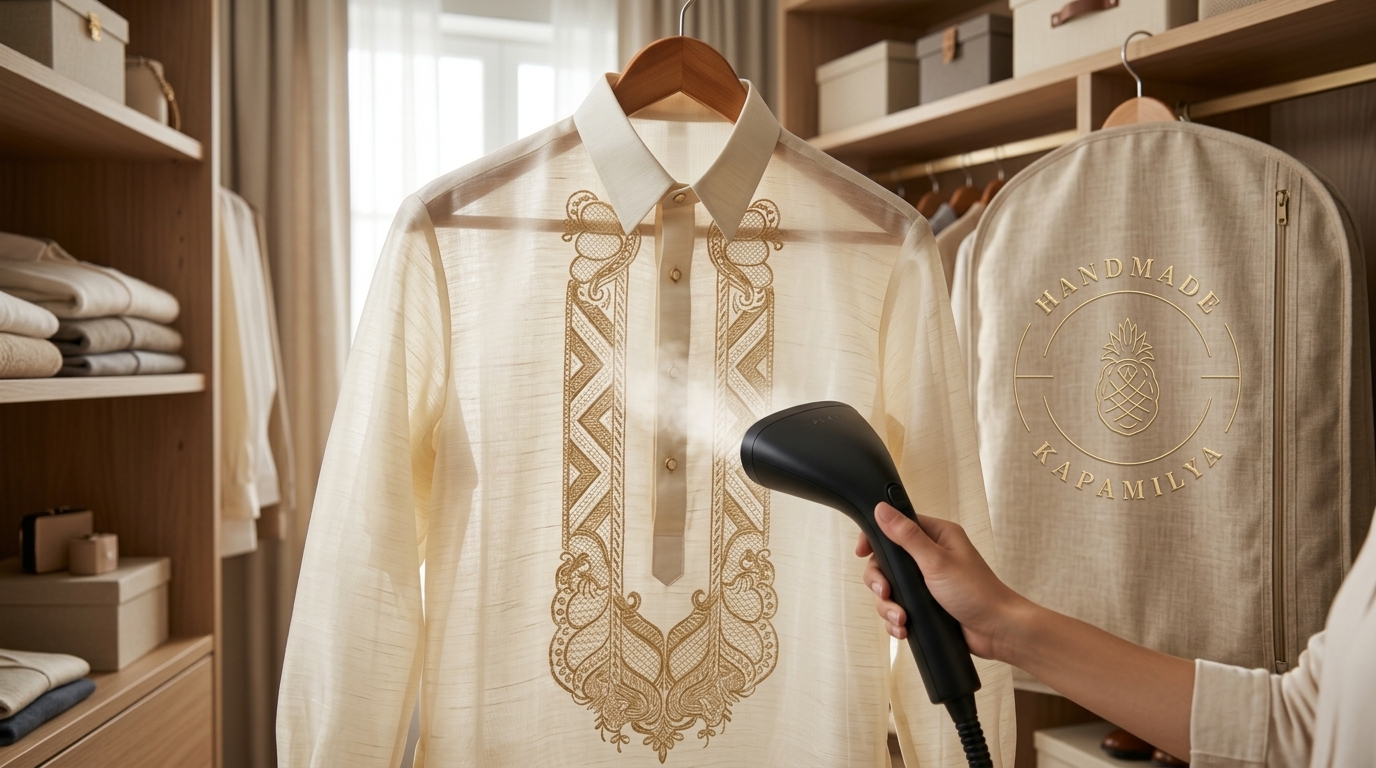
- Store garments in a breathable garment bag rather than plastic, which can trap moisture and cause yellowing over time.
- Steam rather than iron when possible, especially on delicate embroidered sections, to avoid flattening the texture of the fabric.
Taking care of your garment means it is ready the next time a binyag, a graduation, or a family reunion calls for something special.
Honoring Tradition Through Thoughtful Dressing
Filipino baptism traditions are layered with meaning: faith, family, community, and a genuine love of celebration. Dressing well for a binyag is one of the simplest and most visible ways guests and godparents can show respect for the family and participate in that tradition.
Whether you are a Filipino-American attending a baptism stateside, or someone shopping for a first piece of Filipino formal wear for a special occasion, the barong tagalog, filipiniana, and bolero are all beautiful, culturally meaningful choices that work naturally in this setting. Brands like Handmade Kapamilya offer handmade options in several sizes for shoppers who want garments crafted with care in the Philippines.
A binyag is a joyful milestone. Showing up dressed to honor it makes the moment a little more memorable for everyone, especially the newest member of the family being welcomed into the community.
Explore Our Collections:
- Shop our Authentic Barong Tagalog Collection
- Discover the Elegant Filipiniana Dress Collection
- Browse our Stylish Formal Boleros
Continue Your Style Journey: More Expert Guides From Our Workshop
- 6 Heartwarming Secrets to a Beautiful Filipino Binyag
Planning a Filipino Binyag? Learn about Ninong duties, Pinoy traditions, and finding the perfect handmade baby Barong Tagalog for your child’s big day. - Barong Tagalog Style Guide (USA): How to Choose & Style It
Master the Barong Tagalog. Choose Piña or Jusi, find a modern slim fit in the USA, and buy Barong Tagalog online with confidence. - Barong Tagalog Fabrics: How to Choose the Right One
Confused about Barong Tagalog types? From luxe Piña to versatile Jusi, find the right fabric for your wedding or gala with our expert guide.