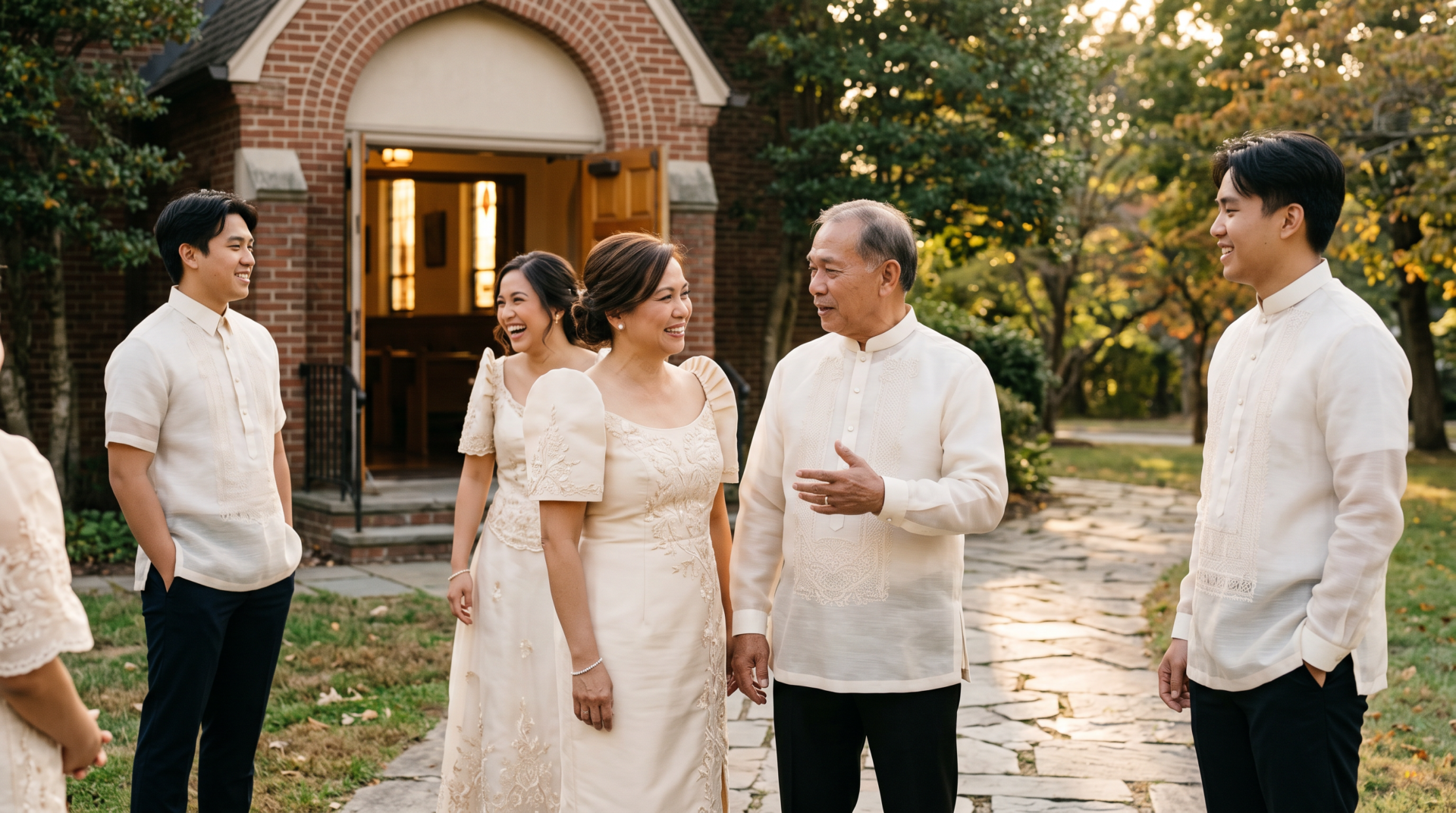
A kultura dress is a modern Filipiniana piece that carries real Philippine heritage into everyday American milestones, from a church wedding in New Jersey to a graduation dinner in California. The phrase blends two ideas kapamilya shoppers care about: the fresh boutique Filipiniana look popularized in Manila, and the Tagalog word *kultura*, meaning culture. This guide will help you shop for one in the US without guessing on quality, silhouette, or fit.
What Does “Kultura Dress” Mean for Modern Filipino Style?
When Filipino Americans search for a kultura dress, they are usually looking for one of two things, sometimes both. The first is an aesthetic: the clean, ready-to-wear Filipiniana silhouettes that heritage boutiques in the Philippines have made familiar over the last decade. Think embroidered sheath dresses, collared barong dresses, and cropped terno boleros paired with a long skirt.
The second meaning is simpler and more important. *Kultura* means culture. Wearing a kultura dress is a way of showing up to an occasion in actual Philippine heritage dress, not a thin, mass-printed lookalike that treats our clothing like a costume. For a ninang at a baptism, a graduate crossing the stage, or a sponsor at a wedding, that distinction matters.
The good news for US-based shoppers is that this aesthetic translates beautifully to American occasions. The structure and embroidery read as formal in any room. The silhouettes are flattering across body types. And the modern cuts work just as well at a Napa winery wedding as they do at a reception hall in Manila.
Quality Details vs. Mass-Market Lookalikes: 4 Clues to Check
Before you buy any kultura dress online, take a closer look. These four details separate a piece you will keep for years from one you will regret wearing in family photos.
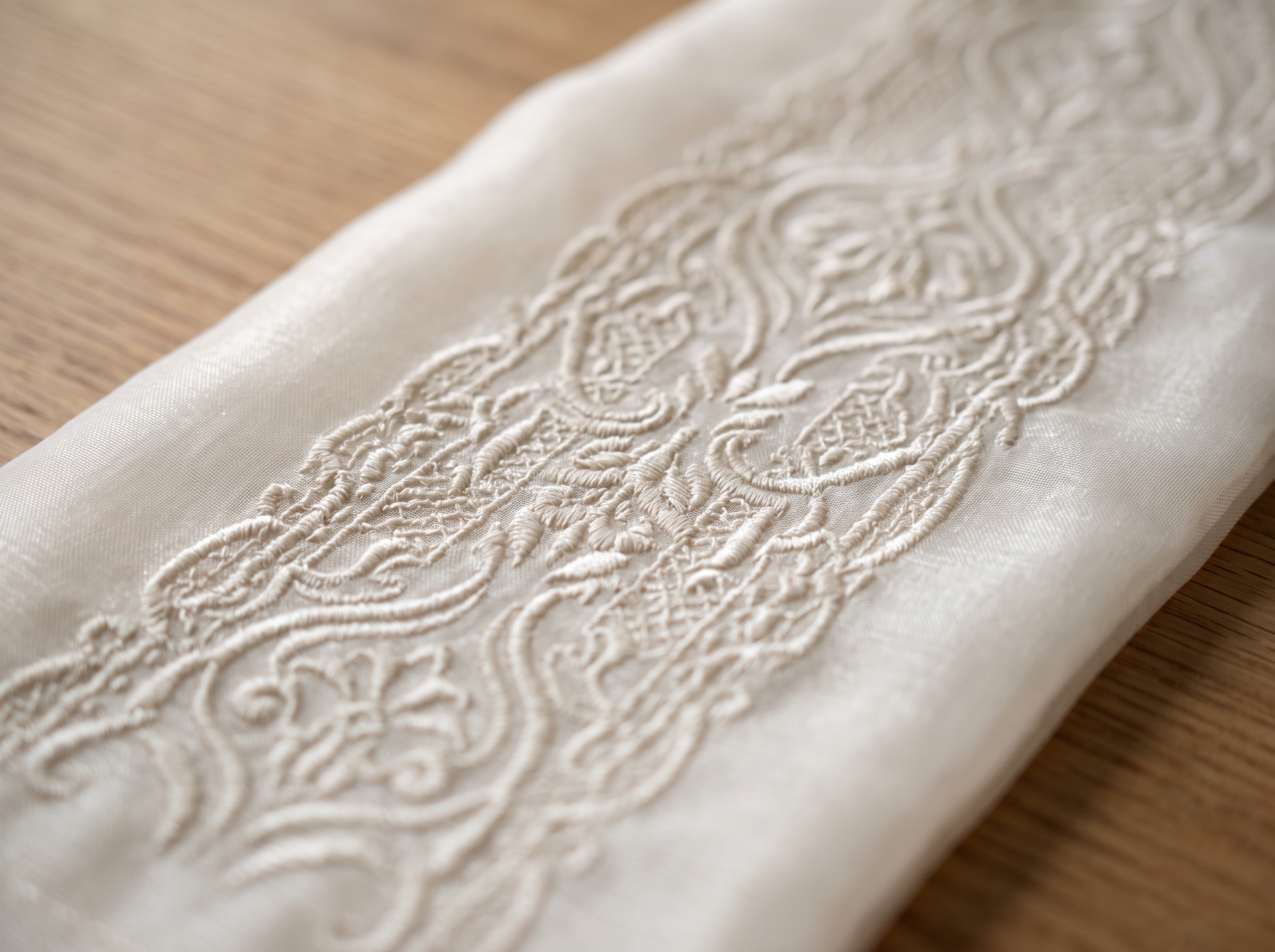
1. Raised, dense embroidery (bordado). Real Filipiniana embroidery has dimension. You should be able to see individual stitches creating the pattern, with a slightly raised texture against the fabric. Flat, printed patterns that mimic embroidery are the clearest sign of a costume-grade piece.
2. Structured butterfly sleeves that hold their arch. The signature butterfly sleeve is meant to stand up on its own. Look for crisp pleating at the shoulder and a defined architectural curve. A sleeve that droops or collapses in product photos will droop in person too.
3. Crisp, luminous organza or smooth, structured Jusilyn. These are the two fabrics worth looking for in a modern kultura dress. Organza gives you that light-catching sheen and the body needed to support a sculpted sleeve. Jusilyn has a smoother, more structured drape that photographs cleanly and resists heavy wrinkling, which matters when you are traveling to a wedding.
4. Lined, comfortable interiors. A well-made Filipiniana dress has a proper lining so you can sit through a two-hour Mass, a long reception, and a full dance floor without discomfort. Check the product description or ask the retailer. If a listing is quiet about lining, that usually tells you something.
3 Ways to Wear the Kultura Dress Aesthetic in the US
Different occasions call for different silhouettes. Here are three that cover most of the celebrations on your calendar.
The embroidered Jusilyn midi or sheath dress. This is your daytime workhorse. It is polished enough for a church wedding, a baptism, or a heritage gala, and comfortable enough to wear from the ceremony through lunch. The sheath cut is flattering under cathedral lighting and reads as intentional without shouting.
The crisp organza barong dress. A barong dress takes the collar, placket, and embroidery traditions of the men’s barong tagalog and translates them into a dress silhouette. In organza, it feels airy and modern. This is a strong choice for semi-formal celebrations, rehearsal dinners, and university commencements where you want heritage detail without a full gown.
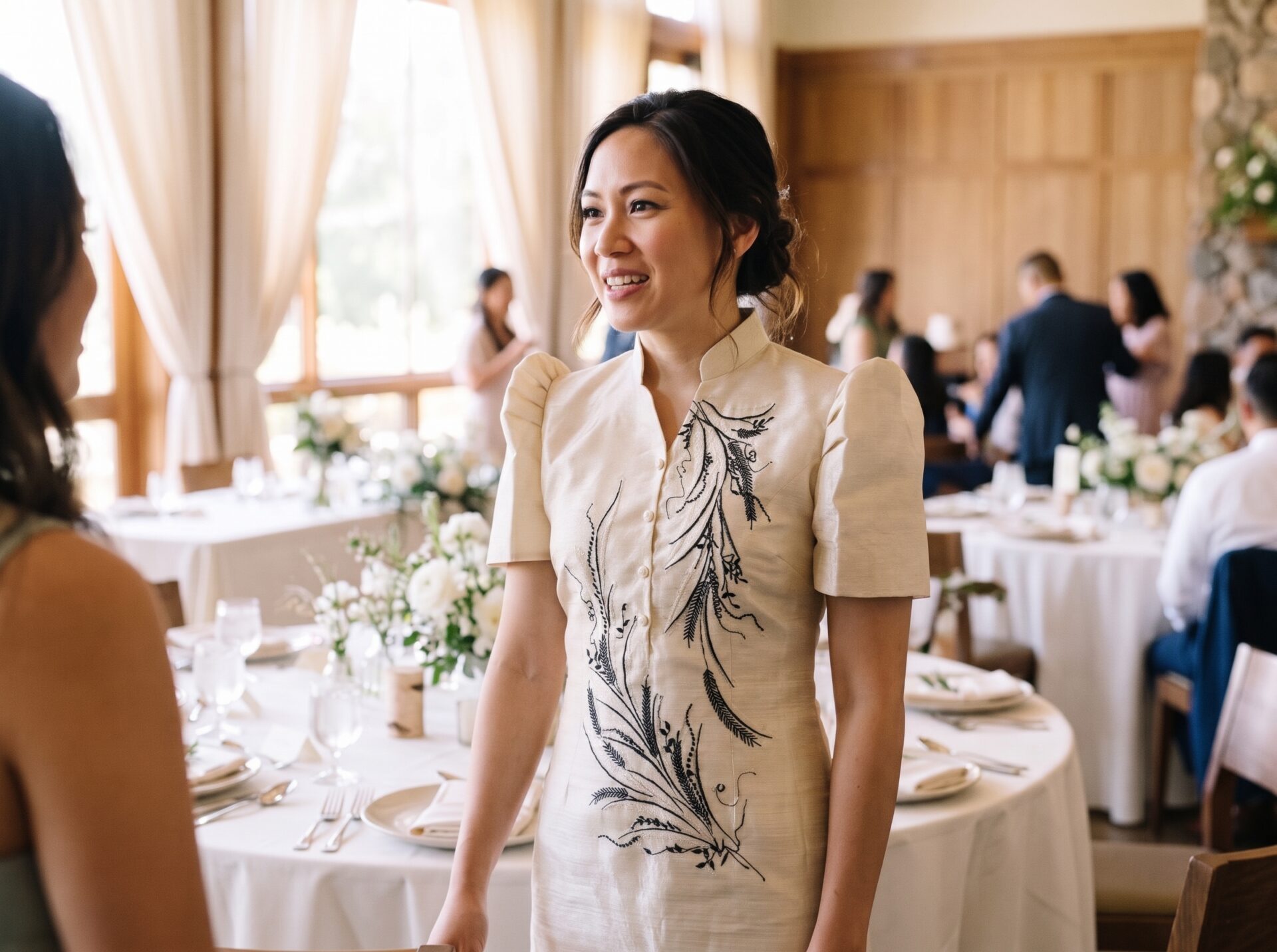
The two-piece terno bolero and dress. If you want one outfit that carries you through a full wedding day, look at a terno set with a cropped bolero. Wear the full ensemble with the structured butterfly sleeves for the ceremony and formal portraits. Remove the bolero at the reception for an easier silhouette on the dance floor. You get two looks from one piece.
How to Accessorize a Kultura Dress Without Overdoing It
The embroidery and the sleeves are the statement. Everything else should stay quiet and let them lead.
Keep jewelry clean and intentional. Mother-of-pearl or small gold sun drop earrings honor the garment without competing with it. Skip heavy necklaces, especially on a dress with a collar or a dense embroidered yoke. A single bracelet or cuff is plenty.
For your clutch, choose a neutral, structured shape in a soft gold, cream, or deep wood tone. For shoes, block heels in nude or black are reliable. They give you height for photos and keep you steady on grass, gravel, or a long processional aisle.
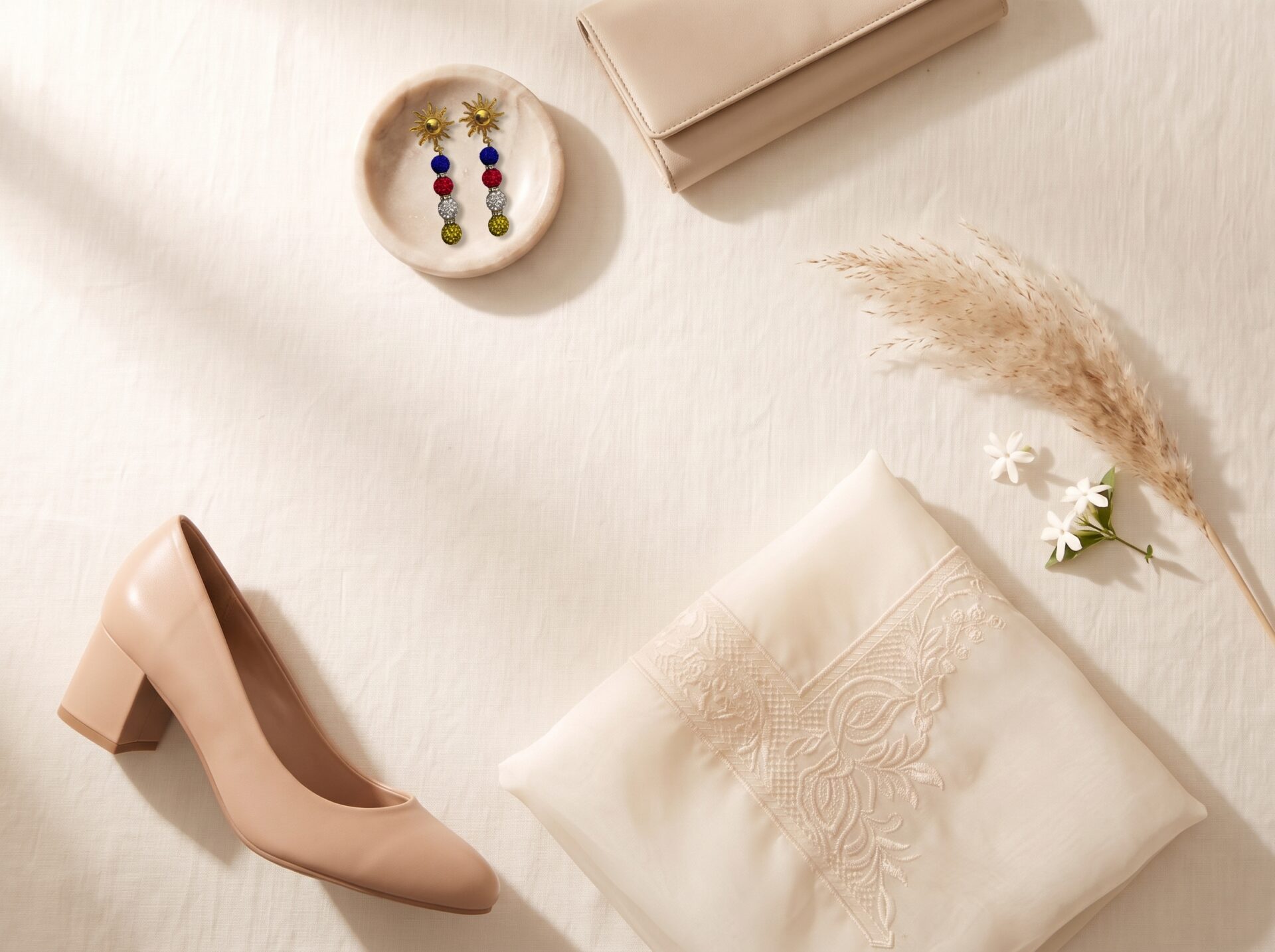
Hair should keep the sleeves and collar visible. An updo or half-up style frames the neckline and lets the embroidery show in every photo. Avoid loose waves that fall across the shoulders and hide the detail you paid for.
Skipping the Overseas Wait: Ordering Your Kultura Dress in the US
The biggest frustration we hear from kapamilya in the US is the shopping gap. You see the boutique Filipiniana look you want on Instagram, but the pieces are in Manila. You do not have a trip planned, the balikbayan box is already packed, and your event is six weeks away.
That is the gap Handmade Kapamilya was built to close. We are a US-based Filipino formalwear specialist offering curated, ready-to-ship organza and Jusilyn Filipiniana and barong tagalog pieces. Our barongs and dresses are hand-embroidered by artisans in the Philippines, then stocked here so your order ships domestically.
A note on fit before you check out. Filipino sizing typically runs one size smaller than US sizing, so a piece labeled medium in Manila often fits closer to a US small. Measure your bust, waist, hips, and armhole circumference in inches, then compare those numbers to the size chart on the listing. Do not assume your usual US size will match. If a retailer does not publish measurements in inches, that is a reason to pause.
Give yourself at least two weeks of buffer before your event in case you want to try the piece with your shoes, jewelry, and undergarments ahead of time. A quick fitting at home beats discovering a sleeve issue the morning of the wedding.
Bringing It Home
A kultura dress is more than a trend. It is a way to show up to the important days in your calendar wearing something that honors where your family comes from, made with the kind of embroidery and structure that holds up in person and in photos. When you shop with care, you end up with a piece you will pass down.
When you are ready to see what is in stock and ships from the US, visit our modern Filipiniana collection.
Further Reading: Complete Your Filipiniana & Barong Wardrobe
Planning an upcoming wedding, graduation, or family milestone in the United States? Explore our related styling and fabric guides:
- How to Find the Best Filipiniana Dress: Complete Guide – Shop for a Filipiniana dress with confidence. Explore traditional terno sleeves, modern silhouettes, US sizing conversions, and care tips for formal events.
- Crisp & Luminous: Why an Organza Barong Stands Out – Discover why an organza barong is the top choice for modern weddings and travel. Master undershirt styling, US sizing, and care tips for a sharp entourage.
- How to Style a Filipiniana Bolero with Denim: Modern Outfits – Elevate your casual style by pairing a Filipiniana Bolero with denim. Get 5 chic outfit ideas, modern styling rules, and essential fabric care tips.