

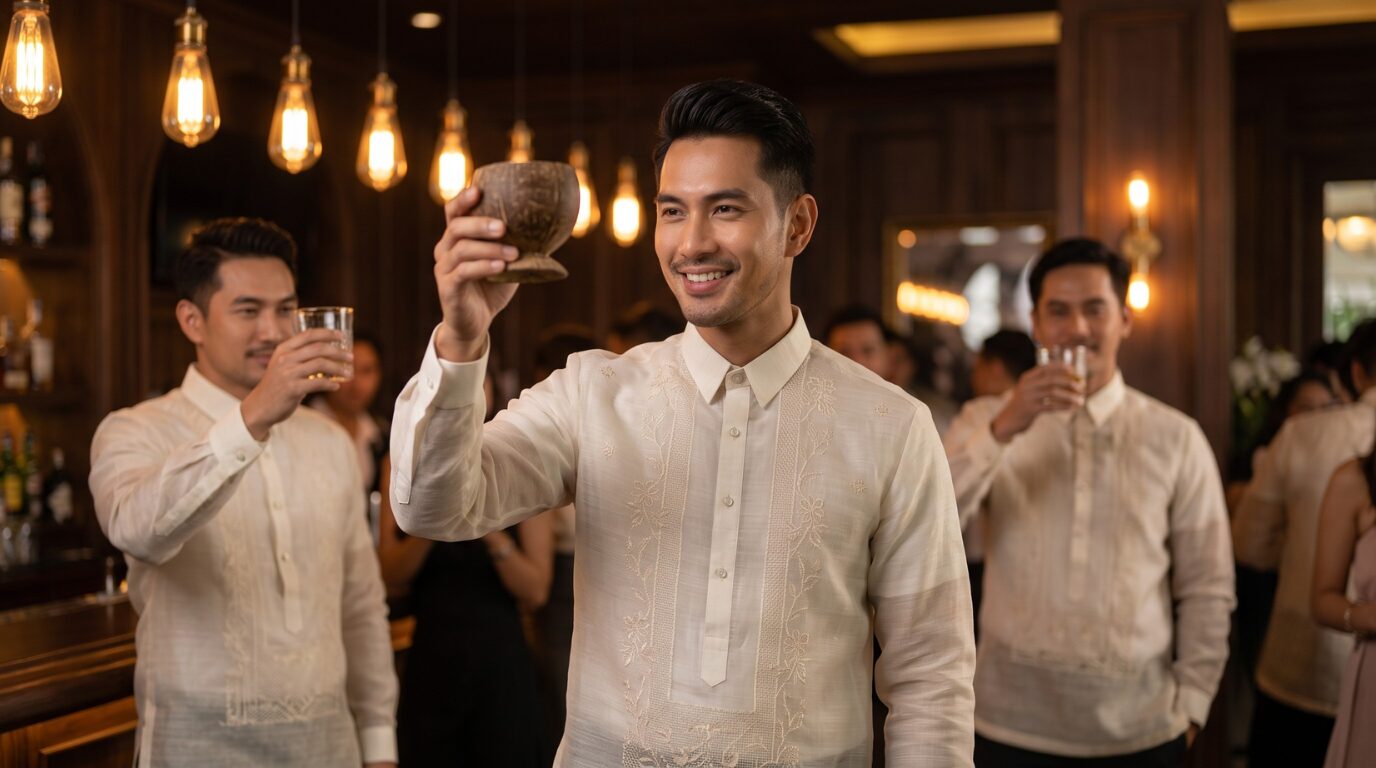
Salamat for asking! We get this question almost daily: “Do I really need a Camisa de Chino, or can I just wear a white crewneck tee?” Here is why proper undergarments make or break your silhouette.
Stepping out in a traditional Filipino Barong Tagalog is a celebrated rite of passage for weddings, formal galas, state dinners, and cultural festivities. However, for first-time wearers, the inherent elegance of the garment often brings a sudden wave of wardrobe anxiety: It’s completely sheer. Because a barong is made from light, airy fabric, what you wear underneath is never an afterthought. It forms the foundation of your entire formal outfit.
Choosing the wrong undergarment can instantly compromise an otherwise immaculate formal look, creating awkward shadow lines, visible sweat patches, or clashing color contrasts. This comprehensive guide breaks down everything you need to know about what to wear under a barong tagalog, ensuring you look exceptionally sharp, stay comfortable, and honor cultural tradition with confidence.
The Anatomy of the Barong Tagalog: Why Undergarments Matter
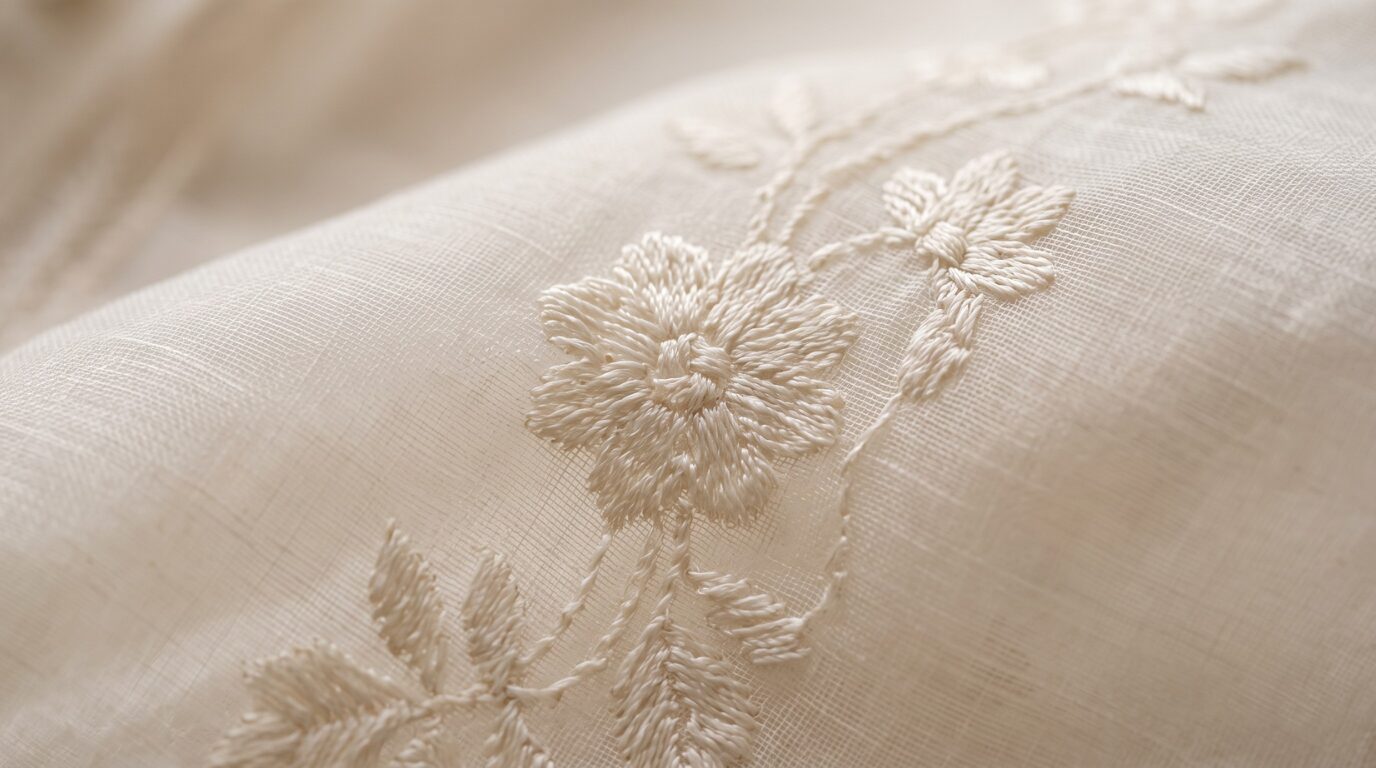
Before diving into styling rules, it helps to understand why the barong requires specialized consideration. Unlike a standard Western dress shirt crafted from heavy, opaque cotton twill or oxford cloth, the classic Barong Tagalog is specifically engineered to be lightweight and breathable in hot, humid tropical climates. This breathability is achieved through open-weave, translucent structural fabrics.
When learning how to wear barong transparent fabric, your primary goal is to balance modesty, temperature regulation, and visual aesthetics. If you wear a dark-colored, heavy, or patterned undershirt, it will show right through the delicate embroidery and sheer cloth, creating an unpolished, jarring appearance.
Fabric Opacity and Undergarment Requirements
| Fabric Type | Transparency Level | Recommended Undergarment Solution | Jusilyn (single-layer) | Medium / Lightly Translucent | Mandatory traditional Camisa de Chino or fine-gauge nude/white inner | Cocoon (single-layer) | Medium / Lightly Translucent | Traditional Camisa de Chino or clean V-neck | Polyester Organza (double-layered) | Low / Opaque | Standard professional undershirt or lightweight breathable tee | Cotton Polo Barongs | Low / Opaque | Light inner wear for sweat management and comfort |
Traditional vs. Modern: The Legend of the Camisa de Chino
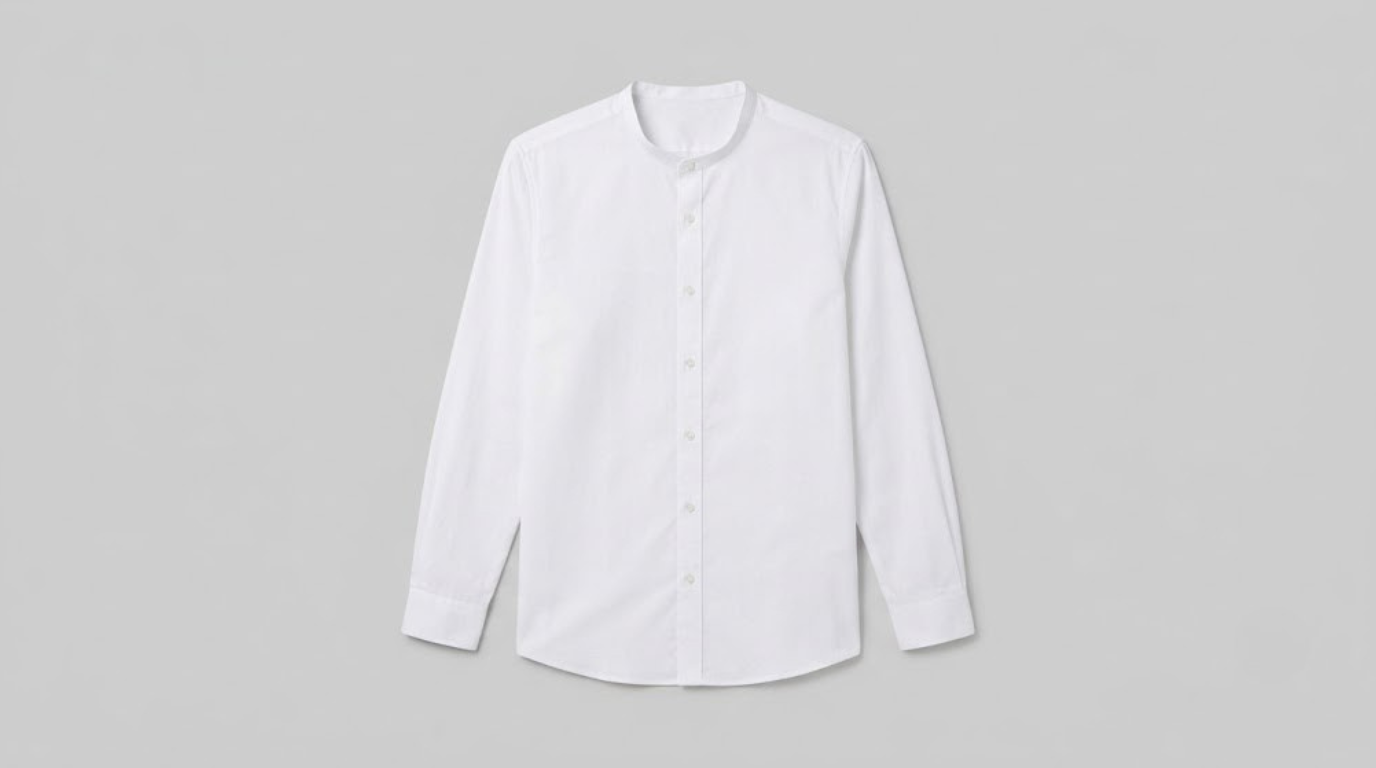
To wear a barong with ultimate authenticity, you must understand its historic companion: the camisa de chino barong. Originating from Chinese merchants, traders, and laborers during the Spanish colonial era in the Philippines, the camisa de chino (literally translating to “Chinese shirt”) is a collarless, lightweight cotton undershirt featuring long sleeves and a buttoned front placket.
Over generations, Filipinos embraced this garment as the definitive pairing for the transparent barong. It provides just enough opacity to maintain modesty and professionalism while keeping the upper body cool and dry.
Why Modern T-Shirts Often Fail Under a Barong
While contemporary menswear encourages experimentation, substituting a traditional undershirt with a random gym tee or casual t-shirt usually backfires for several technical reasons:
- Collar Interference: Standard crewneck t-shirts often peek out awkwardly from the mandarin, round, or folded collar of a traditional barong, breaking clean vertical lines.
- Hem and Seam Visibility: Thick hems and shoulder seams on standard t-shirts create harsh, rigid outlines across your chest and midsection, visible right through the sheer weave.
- Fabric Weight: Heavy cotton standard tees trap body heat, leading to rapid sweat accumulation that stains both your inner shirt and your expensive barong.
Choosing the Right Undershirt Style: Crewneck, V-Neck, or Long Sleeve?
When evaluating your options for a barong tagalog undershirt, your choice should depend heavily on the cut of your barong and your personal comfort preferences.
-
The Traditional Long Sleeve Camisa de Chino
Opting for a long sleeve camisa de chino is the gold standard for formal and ultra-traditional settings. Because the sleeves of a barong are sheer, having matching long sleeves underneath ensures a uniform, clean color from shoulder to wrist. It prevents your arms from showing uneven skin tones or hair shadows through the sheer fabric sleeves.
-
The Clean V-Neck Undershirt
If you are wearing a modern barong with an open collar or a tailored polo barong style, a tight crewneck will look out of place. A deep V-neck undershirt in crisp white or a flesh-toned nude ensures that the neckline remains completely hidden, leaving only the barong’s collar visible.
-
Tank Tops / Sando: Proceed with Caution
While some men wear a simple white tank top (sando) to stay cool during outdoor daytime events, this is generally discouraged for formal evening galas. A tank top leaves your arms completely bare underneath sheer sleeves, creating a stark visual contrast between your covered torso and transparent arms. Reserve the sando for opaque barongs, like a double-layered organza or cotton polo barong, or for casual outdoor day functions.
The Cardinal Rules of Color and Fabric
When curating your outfit, adhering to strict color rules prevents common fashion mistakes.
Rule #1: Stick to Pristine White or Nude/Beige
Pure white is the timeless default. It complements the bright, pristine look of traditional barongs. However, if you have a darker skin tone or are wearing an ecru, champagne, or beige barong, a nude or flesh-toned undershirt can actually look much more seamless than white, effectively disappearing beneath the fabric.
Rule #2: Avoid Colors and Graphics at All Costs
Never wear a black, gray, blue, or graphic tee under a sheer barong. Even a light gray shirt can cast a dull, muddy shadow through sheer barong fabric, ruining the crisp aesthetic of your formal wear.
Rule #3: Prioritize Breathable, Natural Fabrics
Look exclusively for 100% cotton or fine linen-cotton blends for your inner wear. Synthetic undershirts might keep costs low, but they trap body heat and moisture, which can make your barong cling uncomfortably to your skin.
Step-by-Step Guide: How to Layer Your Barong for Formal Events
Layering a formal Filipino outfit requires precision and attention to detail. Follow this step-by-step checklist to ensure a flawless presentation:
- Start with the Right Inner Foundation: Put on your fitted camisa de chino or seamless V-neck undershirt. Ensure it is tucked smoothly into your trousers to prevent bunching around your waistline.
- Button Up Properly: If using a traditional camisa de chino, button the collar placket completely if your barong collar covers it, or leave it neat and flat against your chest.
- Slip Into the Barong Tagalog: Carefully slide your arms through the sheer sleeves, ensuring the cuffs align properly with your wrists.
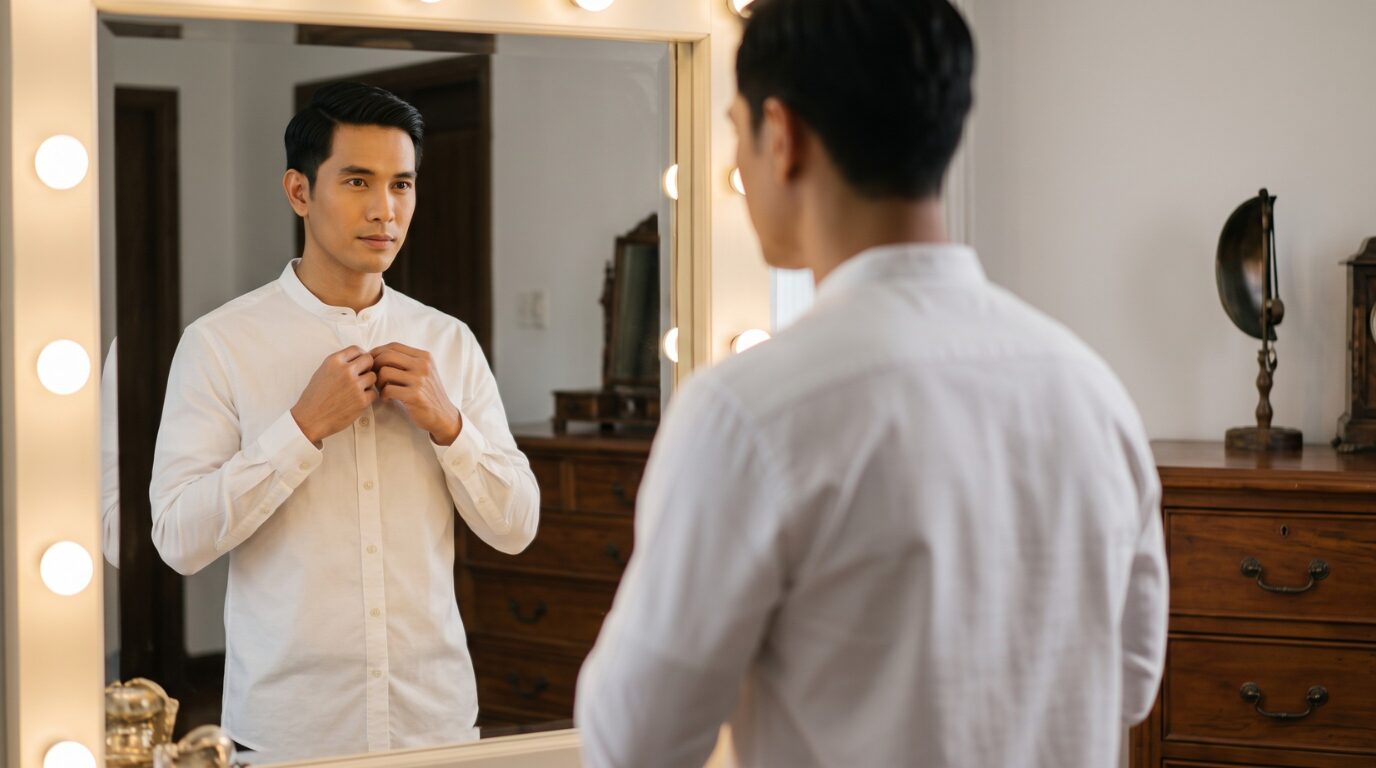
- Check the Fit and Silhouette: Stand in front of a full-length mirror with good lighting. Check for any harsh shirt lines, bunching at the beltline, or visible undergarment edges.
- Pair with the Right Trousers: Wear black or dark formal dress pants (slacks) paired with leather shoes. Remember that the barong is traditionally worn untucked over your trousers.
For further insights on sourcing and styling authentic garments abroad, read our comprehensive Barong Tagalog US Guide for the Authentic Formal Wear to ensure your entire ensemble meets cultural standards.
Caring for Your Investment: Maintenance and Longevity
Proper undergarments not only protect your appearance—they also protect your barong from body oils, sweat, and deodorant stains. Because traditional hand-embroidered barongs require specialized care, keeping a protective layer underneath minimizes the frequency of deep cleaning.
When the time comes to clean your attire, always follow expert maintenance protocols. Avoid standard harsh laundry detergents and machine agitation. For detailed instructions on keeping your garment pristine, consult our guide on How to Wash a Barong Tagalog Without Ruining It.
Frequently Asked Questions About Barong Underwear
Can I wear a regular t-shirt under a barong?
While you technically can, it is strongly discouraged. Regular crewneck t-shirts show visible collar lines and sleeve seams through transparent fabrics. A traditional camisa de chino or a seamless V-neck is always preferred for formal occasions.
Do I button up the camisa de chino completely?
Yes, traditionally the camisa de chino is buttoned up at the neck placket to provide a smooth, uniform chest canvas beneath the sheer barong fabric.
Is a long sleeve camisa de chino too hot for tropical outdoor weddings?
Not necessarily. Authentic camisa de chinos are made from lightweight, breathable cotton designed specifically for tropical climates. They actually help absorb sweat and regulate body temperature better than heavy synthetic shirts.
Conclusion & Complete Your Look
Mastering what to wear under a barong tagalog is the ultimate secret to pulling off a sophisticated, culturally respectful, and polished formal look. By ditching modern graphic tees in favor of a proper inner layer, you protect your silhouette, manage tropical heat, and honor the timeless craftsmanship of traditional Filipino attire.
Ready to complete your outfit with the finest heritage wear? Explore our exclusive collection of handcrafted Barong Tagalogs, elegant Filipinianas, and sophisticated boleros designed to make your next big celebration unforgettable.