The word kultura is more than a label. In Filipino, it carries the full weight of shared traditions, family pride, and the quiet elegance that generations of Filipino artisans have sewn into every formal garment. Whether you are preparing for a debut, a graduation, a wedding, or a cultural celebration, understanding Filipino kultura through the lens of formal wear helps you make choices that feel right, not just look right.
This guide is for anyone who wants to dress with intention, especially Filipino-Americans and guests at Filipino events who may be shopping for barong tagalog, filipiniana, bolero jackets, or graduation stoles for the first time.
What Kultura Really Means in the Context of Filipino Dress
Kultura, simply put, is culture. But in everyday Filipino use, it also implies refinement, propriety, and a deep respect for one’s roots. Dressing in traditional Filipino formal wear is one of the most visible ways Filipinos express kultura at milestone events.
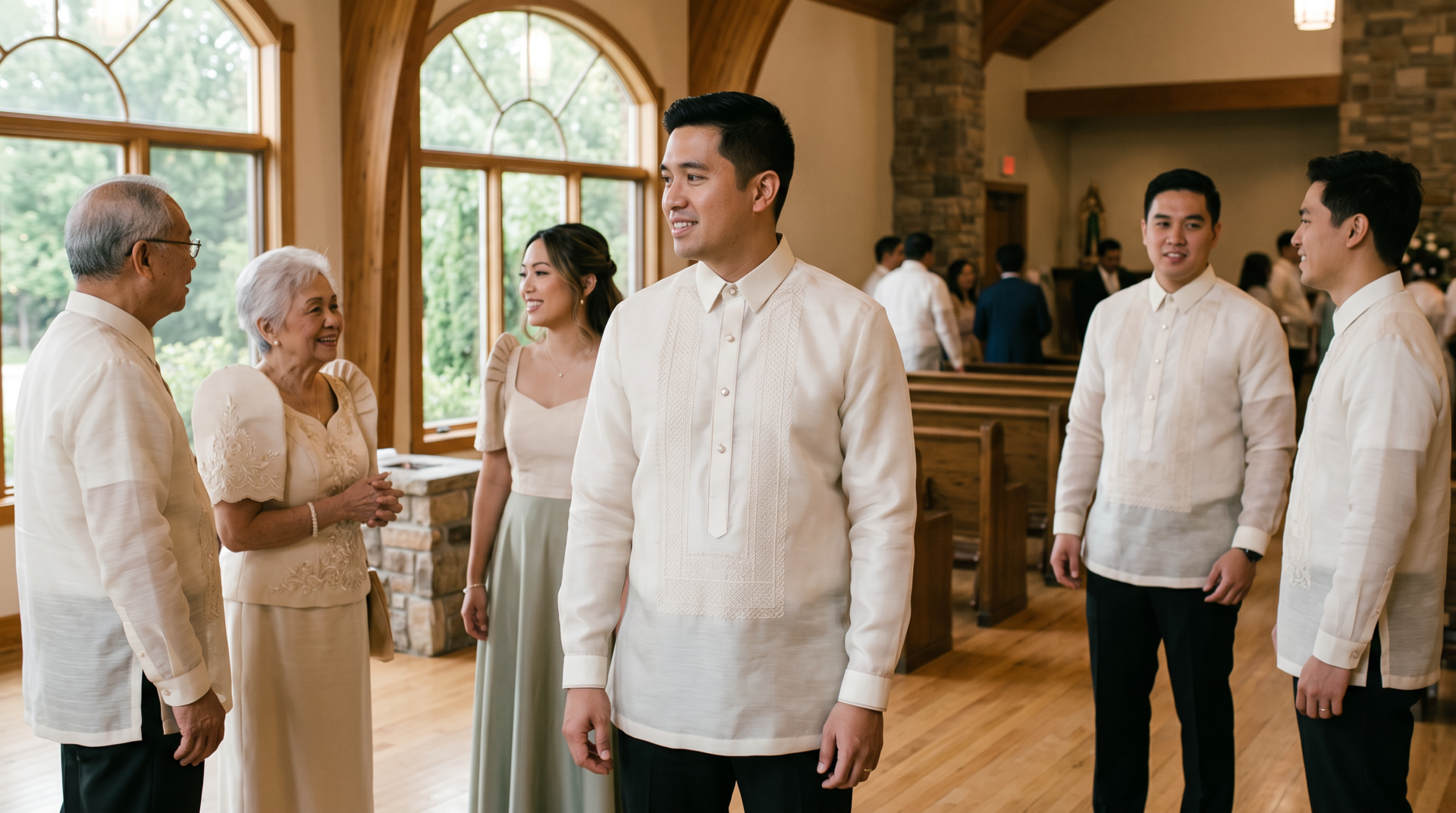
When you see someone walk into a venue wearing a crisp barong tagalog or a beautifully embroidered filipiniana, you are seeing kultura in action. The garment signals not just personal style but a connection to something larger, a history of craftsmanship, regional artistry, and community identity that stretches back centuries.
For shoppers outside the Philippines, finding authentic pieces that honor that heritage can be a challenge. That is exactly why knowing what to look for matters.
The Core Garments of Filipino Formal Wear
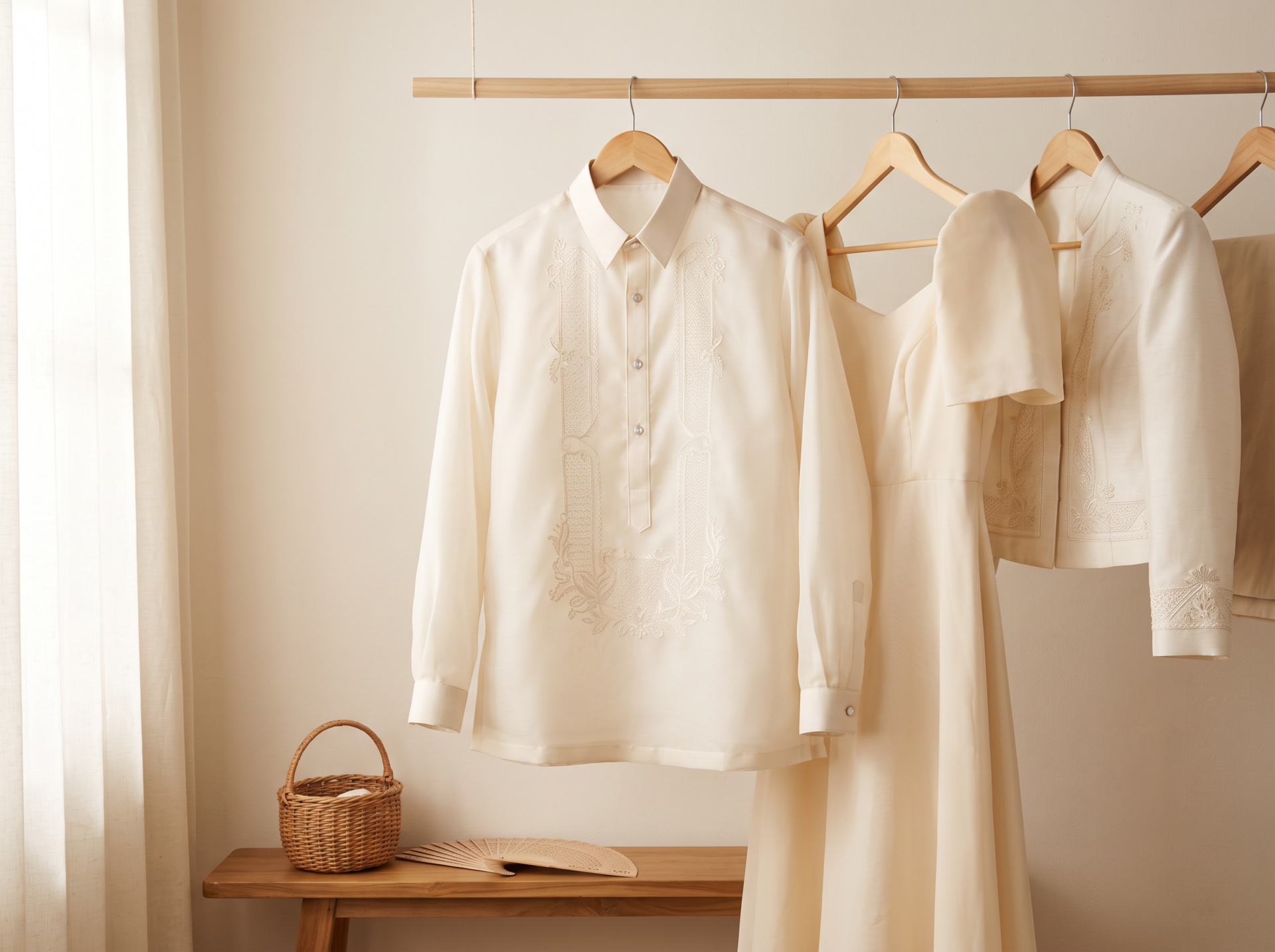
Filipino formal wear is not a single uniform. It is a family of garments, each suited to different occasions and wearers.
Barong Tagalog
The barong tagalog is the national formal shirt of the Philippines, traditionally worn by men. It is typically made from sheer, lightweight fabrics such as piña (pineapple fiber), jusi, or organza, and features delicate embroidery or woven patterns across the chest and cuffs. It is worn untucked over a white undershirt, giving it a distinctive, airy silhouette. For any formal Filipino occasion, the barong tagalog is almost always appropriate.
Filipiniana
The filipiniana is the feminine counterpart to the barong. It comes in many silhouettes, from the butterfly-sleeved terno to more modern fitted gowns and separates, but all share an emphasis on graceful lines and fine fabric. Women wear filipiniana to weddings, state events, cultural festivals, and formal dinners.
Bolero
A Filipino bolero jacket is a short, structured cover-up worn over formal attire. Often made from the same sheer or embroidered fabrics as the barong, it adds a layer of formality and elegance without being heavy. It is popular for bridesmaids, debutantes, and women who want a versatile piece they can wear over a dress.
Graduation Stoles
Filipino-themed graduation stoles have grown in popularity, especially in the United States, as a way for Filipino and Filipino-American graduates to honor their heritage at commencement ceremonies. They often feature the Philippine flag colors, regional patterns, or embroidered symbols of pride.
Choosing the Right Piece for Your Occasion
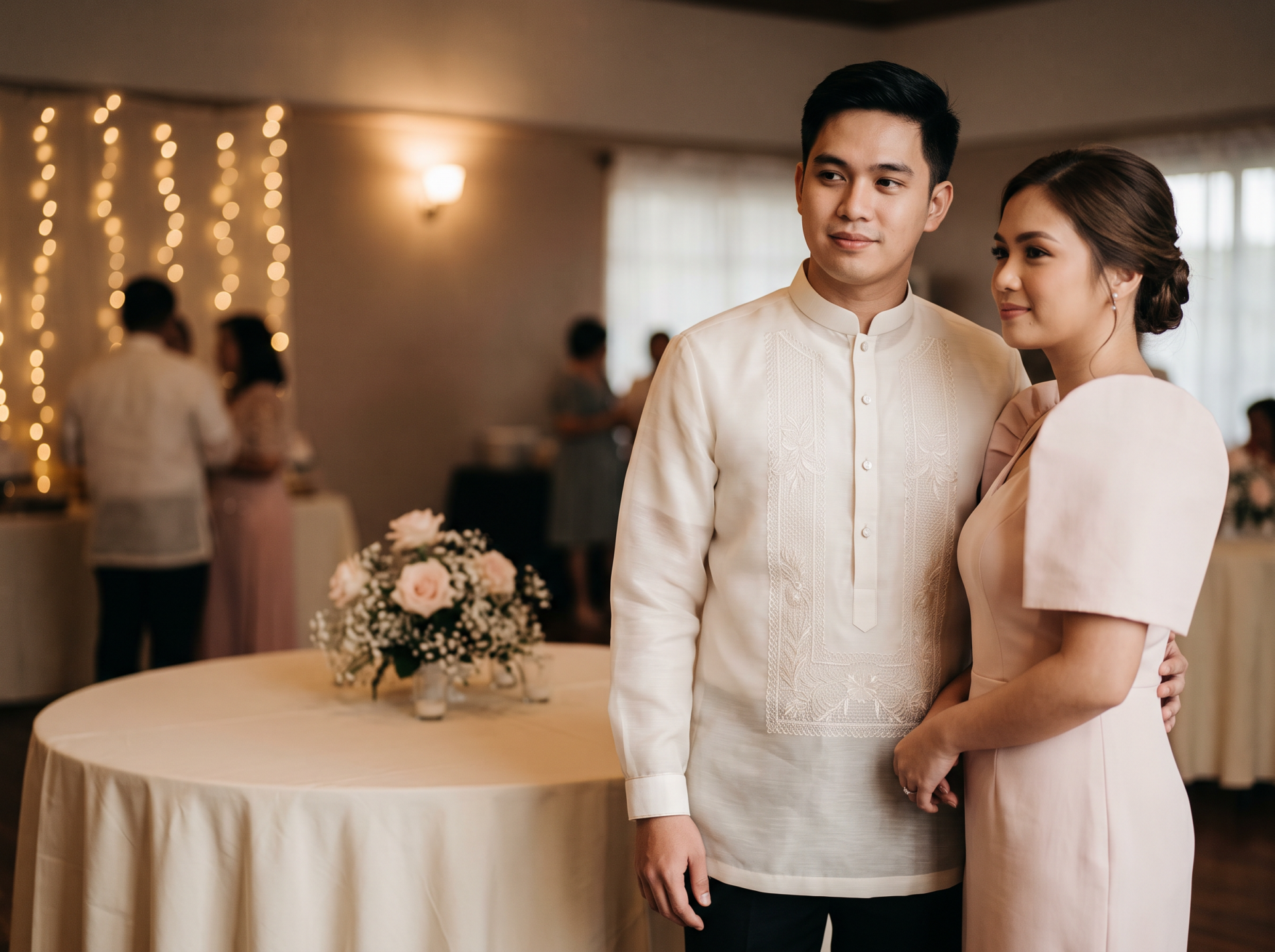
Not every event calls for the same level of formality, and Filipino formal wear reflects that range beautifully.
- Weddings (as a guest or member of the entourage): A full barong tagalog for men, or a filipiniana gown or bolero-and-dress combination for women, is ideal.
- Debuts (18th birthday celebrations): Filipiniana gowns in soft, festive colors are traditional. Escorts typically wear barong tagalog.
- Graduations: A graduation stole is a meaningful, lightweight addition to any cap-and-gown look. Some graduates also wear a barong tagalog or filipiniana beneath their gown.
- Cultural festivals and community events: Any level of Filipino formal wear is welcome, from a full barong to a simple bolero over everyday clothes.
- Business or state functions: A well-fitted barong tagalog is considered equivalent to a suit and tie in the Philippines, and it carries that same weight internationally.
Fabric and Craftsmanship: What Separates Authentic Pieces
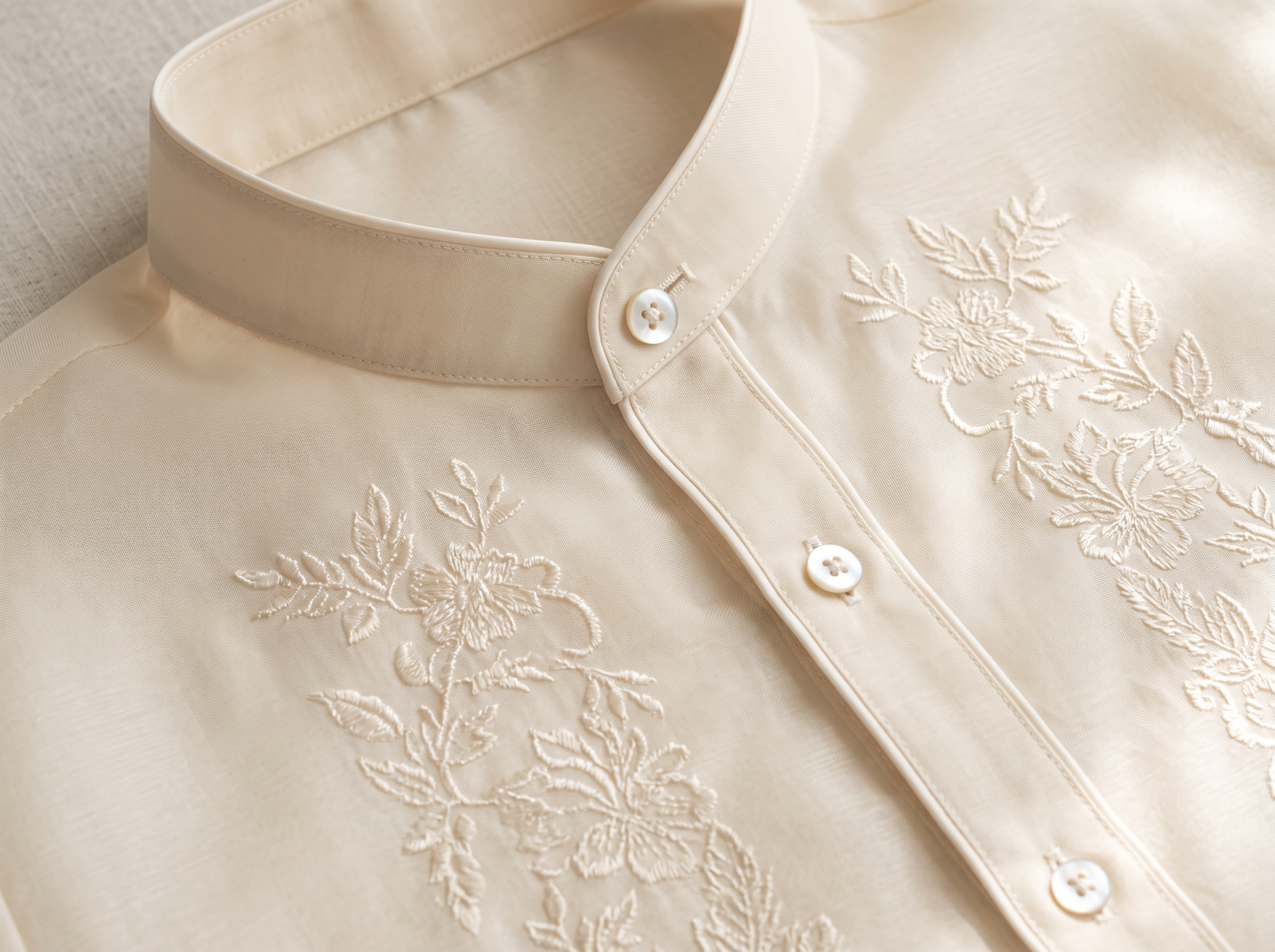
One of the most important things to understand about Filipino kultura garments is that fabric choice is not just aesthetic, it is cultural.
Traditional barong tagalog and filipiniana pieces are made from natural, often hand-loomed fibers. Piña cloth, woven from pineapple leaf fibers, is considered the most prestigious. Jusi (a blend of silk and ramie) is slightly more accessible but still prized for its drape and sheen. Organza versions are common for more affordable or everyday formal occasions.
Handmade embroidery, whether done by hand or by skilled machine operators following traditional patterns, adds significant value to any piece. When shopping, look for:
- Even, tight stitching with no loose threads
- Consistent embroidery patterns that align at seams
- Fabric that is sheer but not flimsy, with a clean hand feel
- Finishing details like clean hems, proper collar construction, and secure buttons
Garments made in the Philippines by Filipino artisans carry an additional layer of authenticity. The knowledge of how a barong should drape, where the embroidery should sit, and how the collar should fold is passed down through practice, not just instruction.
Sizing and Fit Tips for Buying Filipino Formal Wear Online
Buying formal wear online requires a little extra care, especially for garments with structured silhouettes or delicate fabrics. Here are practical tips to get the right fit:
1. Measure before you order. Take your chest, waist, hip, and shoulder measurements in inches or centimeters and compare them carefully to the seller’s size chart. Filipino formal wear sizing can differ from standard US sizing.
2. Check sleeve length. Barong tagalog sleeves should reach the wrist. Too short looks informal; too long is awkward.
3. Look for size guides with multiple measurements. A size chart that lists only S/M/L without actual measurements is harder to use accurately.
4. Read reviews from buyers with similar builds. This is especially helpful when shopping on platforms like Amazon, where verified purchase reviews often mention fit.
5. When in doubt, size up. Sheer fabrics in particular can feel tight if there is no ease built in. A slightly larger barong can be worn with a neater undershirt tuck, while a too-small one is uncomfortable and unflattering.
6. For boleros and filipiniana, consider the event silhouette. If you plan to wear a structured gown underneath, measure over that gown, not just your body.
Care and Storage: Preserving Your Filipino Formal Wear
Filipino formal garments, especially those made from piña, jusi, or embroidered organza, require gentle handling to stay beautiful for years.
- Hand wash or dry clean only. Machine washing can distort sheer fabrics and damage embroidery. When in doubt, dry clean.
- Use mild detergent. Harsh chemicals can yellow natural fibers or strip the luster from jusi.
- Air dry flat or on a padded hanger. Avoid wringing or twisting. Heat from dryers can shrink or warp the fabric.
- Store in a breathable garment bag. Avoid plastic bags, which trap moisture and can cause yellowing over time.
- Press with a low iron or a steamer on the reverse side. Direct high heat can scorch or flatten embroidery. Use a pressing cloth as a barrier.
- Keep away from direct sunlight during storage. Natural fibers can fade or become brittle with prolonged sun exposure.
With proper care, a quality barong tagalog or filipiniana can last decades and even become a family heirloom.
Finding Authentic Filipino Formal Wear Outside the Philippines
For the Filipino-American community and friends of Filipino culture, finding genuine, handmade Filipino formal wear can feel like a puzzle. Local stores may carry limited options, and not all online sellers offer garments actually made in the Philippines.
Handmade Kapamilya is one option worth knowing about. The brand specializes in handmade Filipino formal wear, including barong tagalog, filipiniana, bolero jackets, and graduation stoles, all made in the Philippines. Pieces are available in several sizes and are sold through Amazon (with a near-complete buy box presence, so you are buying directly from the brand) as well as through the HMK website.
The broader lesson, though, applies wherever you shop: look for clear origin information, authentic fabric descriptions, honest sizing guides, and real customer photos. Filipino kultura deserves garments that reflect it faithfully, and with a little research, you can find them.
Dressing in Filipino formal wear is one of the most tangible ways to participate in kultura, to carry history and community pride into a room. Whether you are a longtime wearer of the barong or shopping for a filipiniana for the very first time, the right garment has a way of making the occasion feel complete.