

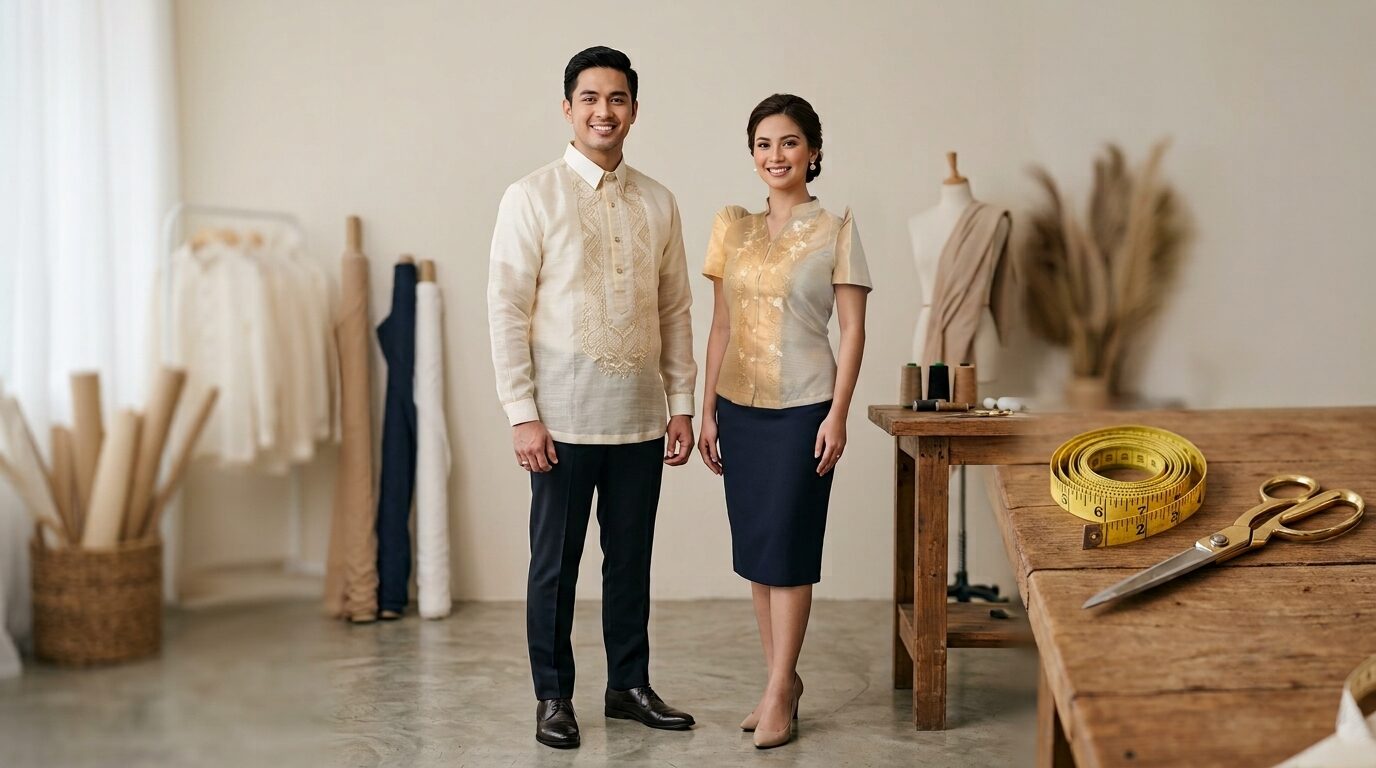
Buying traditional formal wear online from overseas or across states can feel risky. Here is our exact 4-step measurement formula tested on thousands of US customers, ensuring a tailored fit without ever stepping into a tailor’s shop.
Ordering heritage Philippine formal wear—whether a classic Barong Tagalog for a groom, a sharp Polo Barong for a gala, or an elegant Filipiniana dress—should be an empowering milestone, not a stressful guessing game. However, many shoppers discover too late that purchasing traditional garments online isn’t like buying a standard T-shirt or suit jacket.
Because our barongs and Filipiniana are cut from non-stretch woven fabrics (mostly polyester organza, plus Jusilyn, cocoon and cotton), precision sizing is essential. This comprehensive barong tagalog size guide covers everything you need to measure yourself accurately at home with complete confidence.
Understanding US vs. Philippine Sizing Discrepancies
The most common reason online buyers experience fit issues when buying barong online USA is the mismatch between Western off-the-rack sizing and traditional Philippine tailoring standards.
- Philippine Sizes Run Small: Garments manufactured in the Philippines typically run 1 to 2 sizes smaller than standard US letter sizes. A Manila-labeled “Large” frequently fits closer to a US “Medium.”
- Zero-Stretch Fabrics: Unlike modern suit blends with elastane or spandex, barong fabrics like organza have zero stretch. If a garment is too tight across the back or chest, high-tension seams can pull or tear upon movement.
- Body vs. Garment Measurements: A body measurement is your actual physical dimension. A garment measurement includes “functional ease”—the extra space added so you can comfortably sit, walk, reach, and dance.
Expert Sourcing Tip: If you’re currently shopping for authentic pieces within the United States, explore our companion guide on Where to Buy a Barong in the USA: Authentic Guide for tips on verified heritage suppliers and fast US shipping options.
The 4-Step Self-Measurement Formula for Men’s Barong Tagalog
To get started, you will need a flexible cloth measuring tape, a notebook, and ideally a helper to ensure the tape remains horizontal across your back. Wear a thin undershirt or light T-shirt while measuring.
Step 1: Chest Measurement (The Anchor Metric)
The chest is the most critical measurement for any Barong Tagalog.
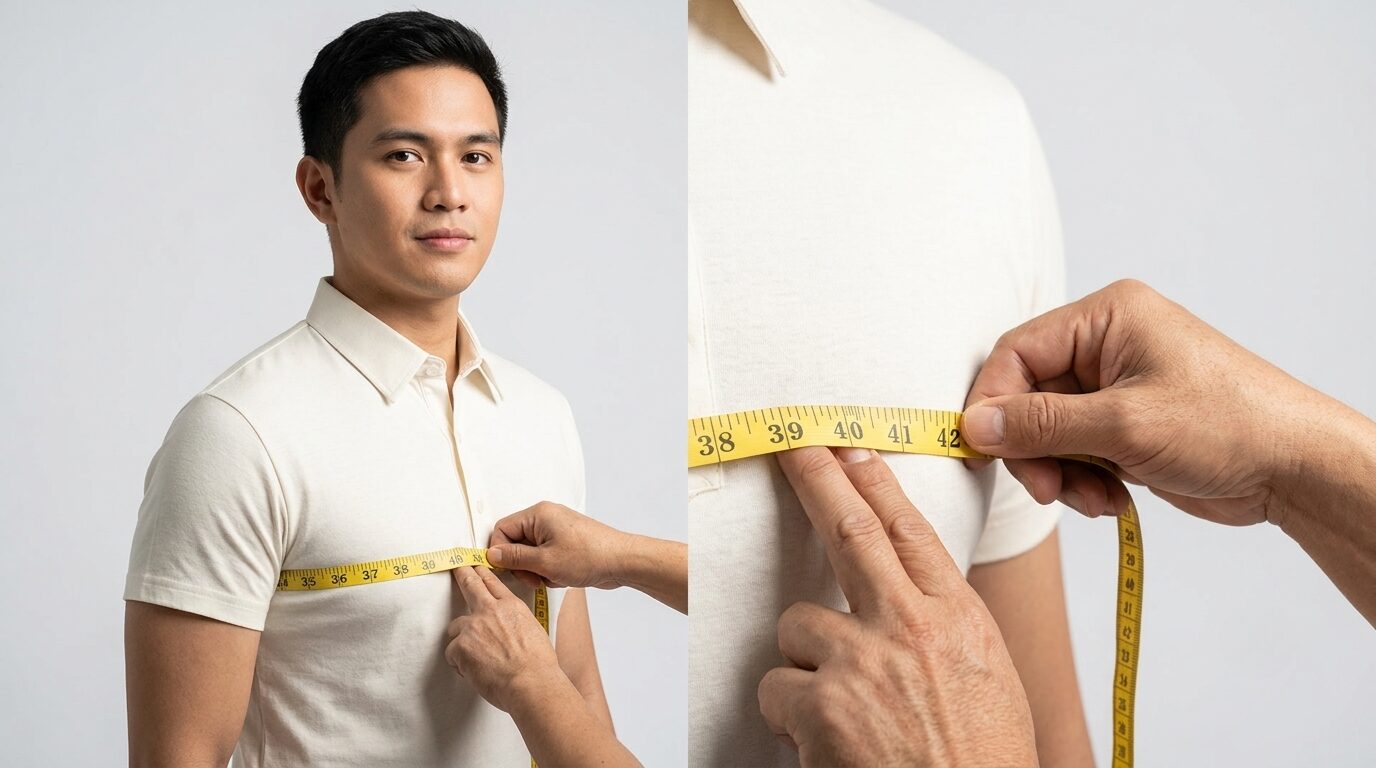
- Wrap the measuring tape horizontally around the broadest part of your chest (directly across the nipples).
- Keep the tape parallel to the floor, firm against the body, but not pulled tight.
- Insert two fingers beneath the tape to ensure slight ease. Record this number in inches.
Step 2: Shoulder Width (Bone-to-Bone)
Proper shoulder alignment ensures the embroidered front panels sit flat across your chest without bunching.
- Stand upright with your shoulders relaxed.
- Have your helper measure across your upper back from the outer edge of one shoulder bone across the base of your neck to the tip of the opposite shoulder bone.
Step 3: Neck Circumference & Sleeve Length
- Neck: Wrap the measuring tape around the base of your neck where a shirt collar naturally sits. Insert two fingers between your neck and the tape measure for breathing room.
- Sleeve Length: Measure from the outer shoulder bone down along the outside of your slightly bent arm to your wrist bone (or mid-palm if you prefer a classic fuller sleeve fold).
- Note for US Buyers: Standard US dress shirt sleeve sizes are measured from the center back of the neck. Barong sleeves are measured directly from the shoulder seam down.
Step 4: Back Length
- Measure from the base of the collar back down the center of your spine to the bottom line of your buttocks/hips. A classic Barong Tagalog should end right at the mid-to-lower hip level, hanging neatly over your trousers.
Filipiniana Measurement Guide for Women (Gowns, Boleros & Dresses)
Measuring for a Filipiniana garment requires additional key reference points to accommodate structured silhouettes, corset boning, or iconic butterfly sleeves (Mestiza sleeves).
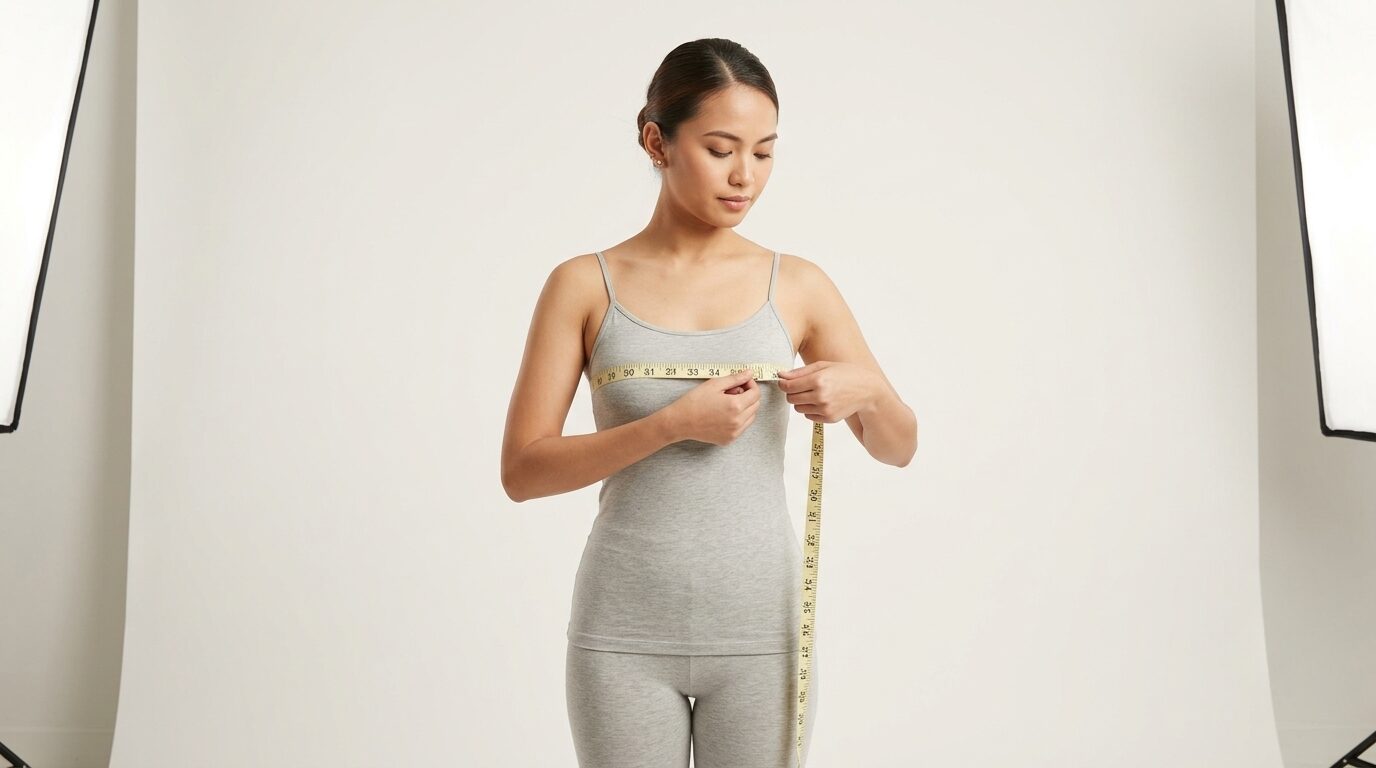
- Full Bust & Underbust
- Full Bust: Wrap the tape around the fullest part of your chest, keeping it level around your back while wearing the bra style you plan to wear under your Filipiniana.
- Underbust: Wrap the tape directly underneath the bust line. This is crucial for high-waisted Kimona tops and structured boleros.
- Natural Waist & Hips
- Natural Waist: Find the narrowest part of your torso (usually 1 to 2 inches above your belly button). Do not suck in your stomach; measure comfortably.
- Hips: Wrap the tape measure around the fullest area of your seat/buttocks (typically 7 to 9 inches below your natural waistline).
- Armhole Circumference & Bicep
Because traditional Filipiniana butterfly sleeves and boleros are tailored from crisp, non-yielding fabrics, armhole mobility is critical.
- Armhole: Wrap the tape over the top of your shoulder and under your armpit.
- Bicep: Measure around the widest part of your upper arm. This prevents tight arm cuffs on fitted three-quarter or long-sleeve Filipiniana blouses.
How Should a Barong Fit? Ease, Drape, and Mobility Rules
A frequent question among first-time buyers is: how should a barong fit?
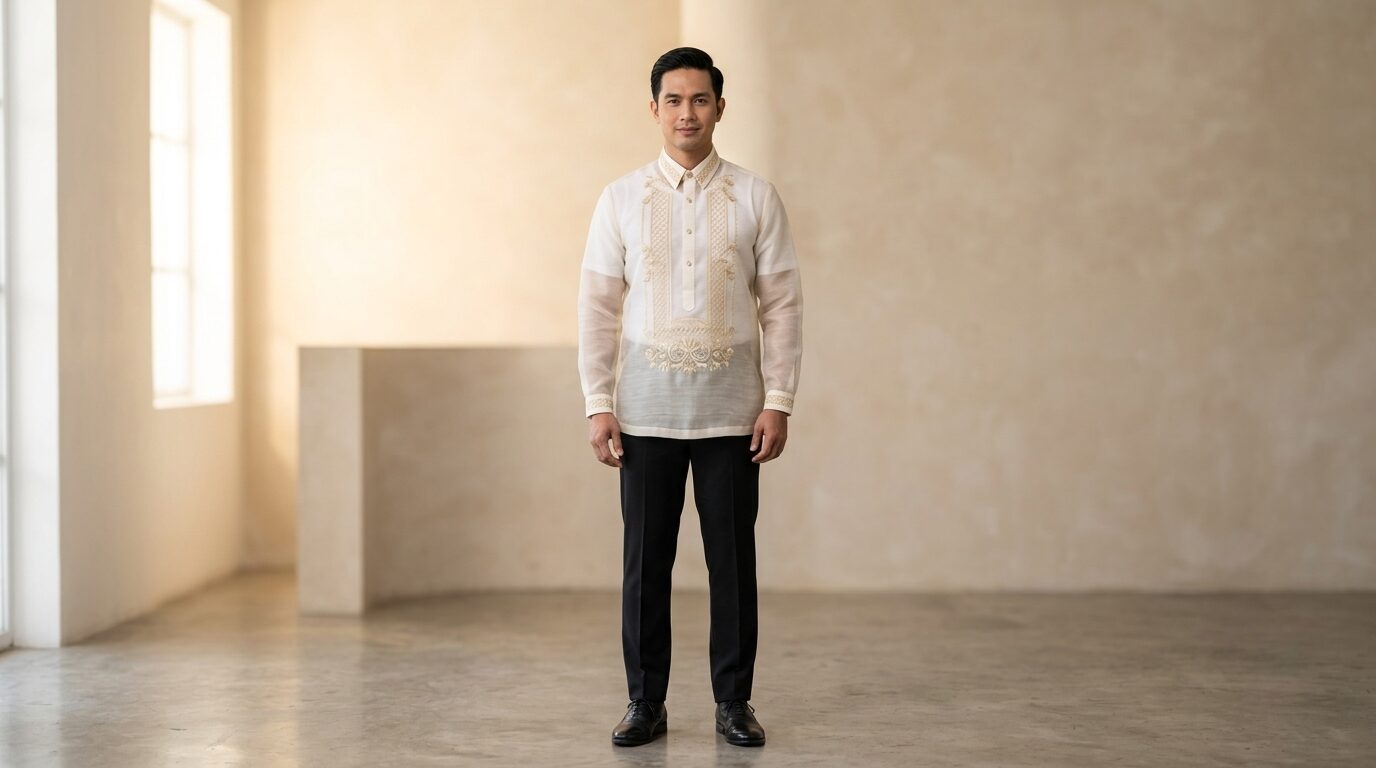
Unlike contemporary Western dress shirts that are often styled skin-tight, a Barong Tagalog is designed with a majestic, relaxed drape that floats cleanly over formal trousers.
- The 4-to-5 Inch Ease Rule: When selecting your size from a finished garment size chart, choose a size that is 4 to 5 inches (10–13 cm) larger than your actual physical chest measurement. For example, if your physical chest measures 40 inches, your ideal finished Barong chest dimension should be 44 to 45 inches (typically a Size Medium or Large depending on the maker).
- Undershirt Allowance: Remember that a classic sheer Barong is always paired with an underlayer—typically a Camisa de Chino (a collarless cotton undershirt) or a fitted t-shirt. The added chest ease accommodates this underlayer without stretching the embroidery panels.
- Drape Over Trousers: The sides of a formal Barong feature bottom side vents. The shirt should hang freely over your slacks without tight pulling across your stomach or hips when seated.
Caring for Your Garment
Once you receive a correctly fitted Barong or Filipiniana, taking proper care of the fabric and embroidery keeps the garment looking its best for years.
Garment Preservation Tip: Never wring out a barong or Filipiniana, and avoid harsh agitation, which strains the seams and embroidery. For complete step-by-step cleaning, drying, and ironing techniques, read our detailed guide on How to Wash a Barong Tagalog: The Expert Care Guide.
Frequently Asked Questions (FAQ)
What if my chest measurement falls between two sizes?
Always choose the larger size. Because organza, Jusilyn and cocoon fabrics do not stretch, a slightly roomier fit maintains an elegant drape and prevents seam strain during movement.
Can I use my standard US suit jacket size to select a Barong online?
You can use your US suit jacket size (e.g., 40R) as an initial baseline for chest width, but you should still verify shoulder bone-to-bone and sleeve length against the specific product size chart before finalizing your order.
Why is my Barong sleeve measurement shorter than my US dress shirt sleeve measurement?
US dress shirt sleeves are measured starting from the center nape of the neck, running over the shoulder down to the wrist. Barong sleeve lengths are measured directly from the shoulder seam down to the wrist bone.
Ready to Find Your Perfect Fit?
Eliminate sizing guesswork and shop with complete peace of mind. Whether you need a piece shipped quickly for an upcoming wedding or gala or just want help picking a size, our team is here to assist you at every step.
Explore the Full Handmade Kapamilya Catalog & Measuring Guide