Slide toggle
Monday - Friday: 09:00 - 5:00 CT 9001 Griggs Avenue Unit 243, Circle Pines, MN 55014 612-239-1469 orders@handmadekapamilya.com

Tag: tagalog

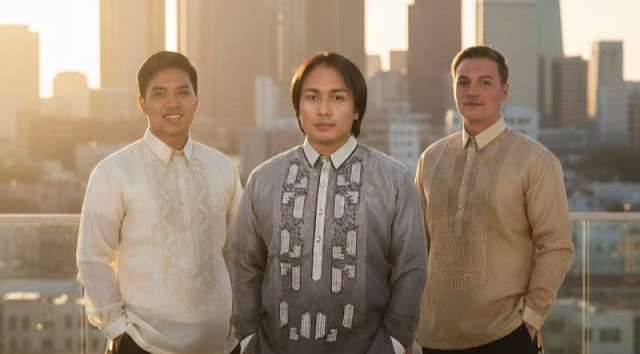
Three men wearing modern Barong Tagalogs on a city rooftop at sunset.

Where to Buy a Barong in the USA: Authentic Guide

You have the invitation in your hand. Maybe it’s your cousin’s wedding in California, a gala for a Filipino-American non-profit, or perhaps you are the groom preparing for the biggest day of your life. The dress code is clear: “Filipiniana” or “Barong Tagalog.”

Immediately, the panic sets in. You know exactly what you need, but you have no idea where to buy a barong in the US that doesn’t feel like a gamble. You are left with two stressful options: beg a Tita to bring one back from her next Manila trip (and pray it fits), or risk ordering from a sketchy website that takes six weeks to ship and might arrive looking like a costume.

We know the struggle because we have lived it. At Handmade Kapamilya, we believe wearing your heritage shouldn’t be a logistical nightmare. Whether you are a groom looking for a barong tagalog for men wedding attire or a guest wanting to represent with pride, this guide will walk you through everything you need to know to find the perfect piece stateside—without the stress, the wait, or the sizing mishaps.

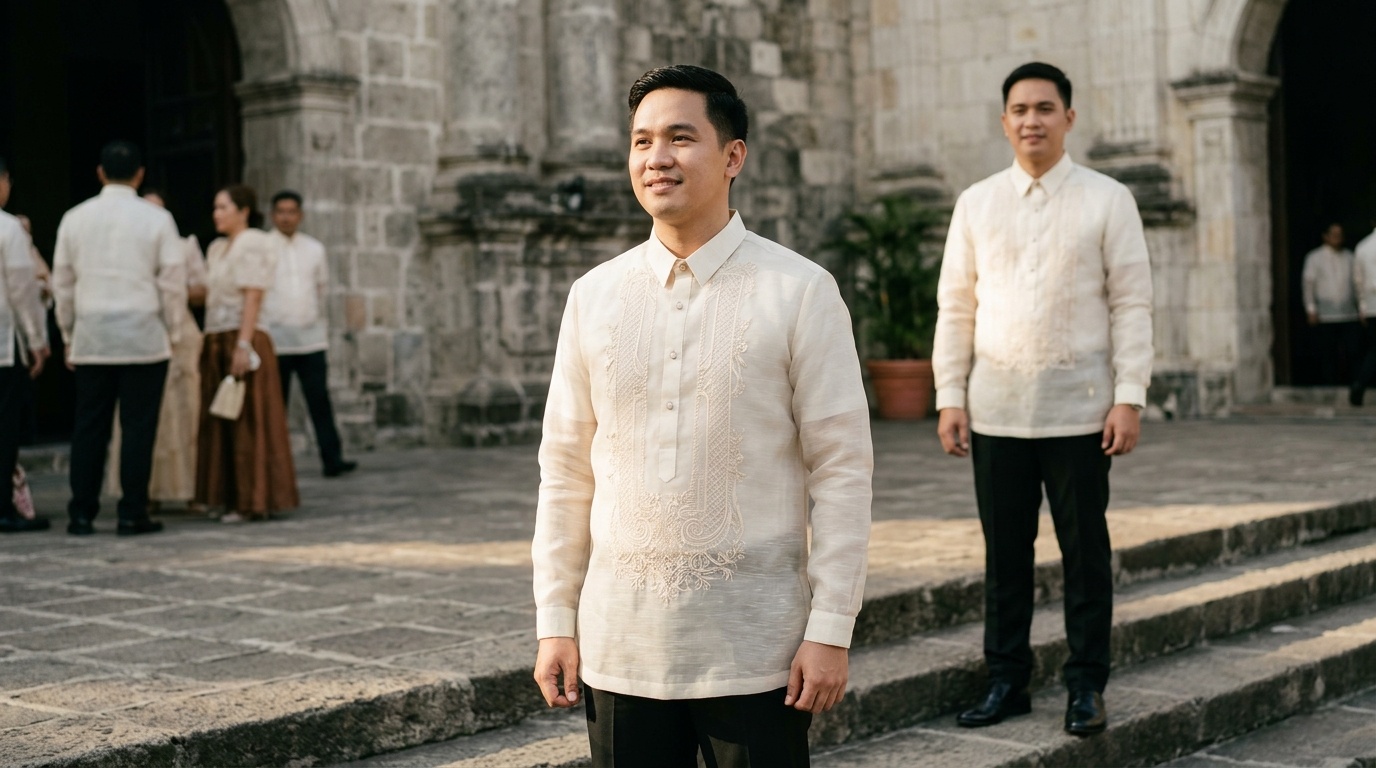
Barong Tagalog in US Wedding

The Cultural Weight: Why the Barong Matters

Before we dive into where to buy, it is essential to understand what you are buying. The Barong Tagalog is not just a Filipino shirt; it is a garment of honor, identity, and resilience.

A Symbol of Resilience

The history of the Barong is deeply woven into the fabric of the Philippines. While early Filipinos wore loose, breathable tunics suited for the tropical climate long before colonization, the Barong as we know it evolved during the Spanish era. A popular (though debated) historical narrative suggests that the Spanish colonizers required “Indios” (native Filipinos) to wear their shirts untucked and made of translucent material. The alleged reasons were twofold: to distinguish them from the ruling class who tucked their shirts in, and to prevent the concealment of weapons.

However, what was meant to be a badge of inferiority was subverted by the Filipino people. They turned the barong into a canvas of intricate embroidery and exquisite craftsmanship, transforming a tool of subjugation into a symbol of pride. Today, wearing a Barong untucked is not just a style choice; it is a nod to centuries of cultural endurance.

The National Attire

In 1975, the Barong Tagalog was officially designated as the national attire of the Philippines. It bridges social gaps—worn by everyone from farmers to presidents. When you wear one in the US, you aren’t just dressing up; you are carrying a piece of that history. You are signaling to the room that you honor your roots.

The 3 Biggest Risks of Buying a Barong Online (And How to Solve Them)

If you have ever typed “where to buy a barong in the us” into a search engine, you know the results can be overwhelming. Before you click “Add to Cart,” you need to be aware of the three “Silent Killers” of online Barong shopping.

1. The Sizing Trap: Asian vs. US Sizing

This is the number one complaint we hear. A “Large” in the Philippines is rarely a “Large” in the US.

  • The Reality: Filipino sizing is typically one to two sizes smaller than Western sizing. If you usually wear a US Large, ordering a PH Large often results in a garment that is tight in the shoulders and short in the sleeves.

  • The Fix: When shopping, look for vendors who specifically explicitly state they use US Sizing. At Handmade Kapamilya, we curate our collections for the Western frame, eliminating the guesswork. If you are buying elsewhere, the general rule is to size up at least one full size.

Barong US Size Tag

2. The Material Mirage: Authentic vs. Synthetic

In photos, a cheap polyester philippines shirt can look alarmingly similar to a high-end piña barong. However, the difference is obvious the moment you touch it.

  • Synthetic (Polyester/Organza): Often shiny, stiff, and less breathable. These are fine for school plays or one-time use, but they lack the elegance required for a wedding.

  • Authentic (Piña/Jusi): These natural fibers have a soft sheen, a refined texture, and breathable qualities that synthetic fabrics cannot mimic.

3. The Shipping Black Hole

Many “US-facing” websites actually drop-ship directly from Manila. While this isn’t inherently bad, it introduces customs delays. We have seen grooms panic because their barong tagalog for men is stuck in a sorting facility in Honolulu three days before the wedding. Always verify that the vendor has US-based inventory for reliable domestic shipping speeds.


The Ultimate Fabric Guide: Choosing the Right Barong for You

The price and formality of a Barong are dictated almost entirely by its fabric. Knowing the difference between Jusi and Piña is the key to not getting ripped off.

Piña: The Gold Standard

If you are the groom, a father of the bride, or a guest of honor, this is what you want.

  • What it is: A fiber extracted from the leaves of the Red Spanish pineapple plant. It is the finest of all Philippine hand-woven fabrics.

  • The Look: It has a natural, ivory champagne-gold hue and a delicate, airy texture. It is translucent, lightweight, and exudes quiet luxury.

  • Best For: Barong tagalog for men wedding attire, black-tie Filipiniana galas, and state functions.

  • Pro-Tip: Because it is handmade, true Piña is expensive and delicate. It is an heirloom piece meant to be passed down.

Pina Barong Embroidery Close Up

Jusi: The Best All-Rounder

For guests, groomsmen, or corporate events, Jusi is the most popular choice.

  • What it is: Originally made from banana fibers or silk, modern Jusi is often a blend of silk and organza.

  • The Look: It is more opaque than Piña but still retains a beautiful sheen. It is softer to the touch than synthetic organza and drapes elegantly on the body.

  • Best For: Filipino formal wear for men, corporate events, and wedding guests.

  • Why we love it: It offers the premium look of a traditional barong without the heirloom price tag of Piña.
    Embroidered White Jusilyn Shirt

Organza & Polyester: The Budget Friendly Option

  • What it is: Synthetic sheer fabric.

  • The Look: It tends to have a higher, sometimes “glassy” shine and a stiffer structure.

  • Best For: Cultural performances, school events, or if you need a durable, cost-effective option for a one-time event.

  • Warning: It does not breathe as well as natural fibers, so be wary if you are attending an outdoor summer wedding.

Cocoon Silk: The Modern Favorite

  • What it is: A high-quality woven silk that resembles the look of Piña but is more durable.

  • The Look: It has a rich texture and a creamy, off-white color. It is less transparent than Piña, making it a great option for those who want coverage.

  • Best For: Modern grooms and fashion-forward guests.


Styling Your Barong: The Do’s and Don’ts

Wearing a barong comes with its own set of etiquette rules. To look your best (and respect the culture), keep these tips in mind.

1. The Undershirt is Critical

Because the fabric is sheer, your undershirt is visible.

  • DO: Wear a Camisa de Chino (a collarless cotton shirt) or a plain white crew-neck t-shirt.

  • DON’T: Wear a tank top (the straps show through), a colored shirt, or anything with a printed logo. The undershirt acts as the canvas; keep it clean.

2. Trousers and Shoes

  • DO: Pair your Barong with dark, flat-front trousers (black or charcoal gray) for formal events.

  • DO: Wear polished black dress shoes or loafers.

  • DON’T: Wear denim jeans unless you are specifically going for a modern, streetwear fusion look (and even then, tread carefully!).

3. To Tuck or Not to Tuck?

  • NEVER: Tuck in a Barong Tagalog. It is designed to be worn untucked. Tucking it in is considered culturally incorrect and disrespects the garment’s history.


Beyond the Grooms: Barongs for Everyone

While the barong tagalog for men is the standard, Filipino formal wear has evolved beautifully to include everyone in the family.

Barong Tagalog for Women

The Filipiniana style for women has seen a massive resurgence. The barong tagalog for women (often referred to as a Lady Barong or Kimona) adapts the intricate embroidery of the male garment into feminine silhouettes.

  • The Look: Tailored cuts that nip in at the waist, often featuring 3/4 sleeves or butterfly sleeves.

  • How to Wear: Pair a structured Lady Barong with a long skirt for a formal “Terno” look, or wear it with dress pants for a powerful, modern corporate outfit.

The Little Ones

There is nothing cuter than a ring bearer in a miniature Barong. When buying for kids, comfort is king. Look for Jusi or soft Linen blends (often called Gusot Mayaman) that won’t itch or irritate their skin during the ceremony.

Kids Modern Barong


Caring for Your Barong: A Survival Guide

You have invested in a piece of art; here is how to make sure it lasts for the next generation.

  • Washing: Never machine wash a Piña or Jusi Barong. The agitation can destroy the delicate fibers and embroidery.

    • Hand Wash: Soak gently in mild detergent and water. Do not wring or twist.

    • Drip Dry: Let it air dry on a plastic hanger.

  • Ironing: Use a low heat setting. Ideally, place a thin cotton cloth between the iron and the Barong to prevent scorching the delicate embroidery.

  • Storage: Store it hanging in a breathable garment bag. Avoid plastic bags, which can trap moisture and cause the fabric to yellow over time.


The Verdict: Where to Buy a Barong in the US

So, back to the original question: Where to buy a barong in the US?

You could take your chances on a generic marketplace, hoping the “XL” fits and the fabric isn’t scratchy polyester. Or, you can trust a specialist who understands the unique intersection of Filipino heritage and American standards.

At Handmade Kapamilya, we bridge that gap. We are not just selling clothes; we are curating culture.

  • We Solve Sizing: We offer US sizing so you get the fit you expect.

  • We Verify Quality: We source authentic Jusi and Piña fabrics directly from artisans in Lumban and Aklan.

  • We Ship Fast: Our inventory is here in the US, meaning no customs delays and no sleepless nights wondering if your outfit will arrive in time.

Whether you need a barong tagalog for men wedding attire, a stunning barong tagalog for women, or simply a high-quality filipino shirt to wear with pride, we are here to help you look your best.

Ready to Find Your Perfect Fit?

Don’t let sizing anxiety or shipping delays ruin your big event. Browse our curated collection of authentic, US-sized Filipino formal wear today.


Read More from the Handmade Kapamilya Blog:

Man Wearing Barong Tagalog in the USA

Where to Buy Barong Tagalog in the US: Authentic Guide

You have the invitation in your hand. Maybe it’s your cousin’s wedding in California, a gala for a Filipino-American non-profit, or perhaps you are the groom preparing for the biggest day of your life. The dress code is clear: “Filipiniana” or “Barong Tagalog.”

Immediately, the panic sets in. You know exactly what you need, but you have no idea where to buy a barong in the US that doesn’t feel like a gamble. You are left with two stressful options: beg a Tita to bring one back from her next Manila trip (and pray it fits), or risk ordering from a sketchy website that takes six weeks to ship and might arrive looking like a costume.

We know the struggle because we have lived it. At Handmade Kapamilya, we believe wearing your heritage shouldn’t be a logistical nightmare. Whether you are a groom looking for a barong tagalog for men wedding attire or a guest wanting to represent with pride, this guide will walk you through everything you need to know to find the perfect piece stateside—without the stress, the wait, or the sizing mishaps.

Barong Tagalog in US Wedding

The Cultural Weight: Why the Barong Matters

Before we dive into where to buy, it is essential to understand what you are buying. The Barong Tagalog is not just a Filipino shirt; it is a garment of honor, identity, and resilience.

A Symbol of Resilience

The history of the Barong is deeply woven into the fabric of the Philippines. While early Filipinos wore loose, breathable tunics suited for the tropical climate long before colonization, the Barong as we know it evolved during the Spanish era. A popular (though debated) historical narrative suggests that the Spanish colonizers required “Indios” (native Filipinos) to wear their shirts untucked and made of translucent material. The alleged reasons were twofold: to distinguish them from the ruling class who tucked their shirts in, and to prevent the concealment of weapons.

However, what was meant to be a badge of inferiority was subverted by the Filipino people. They turned the barong into a canvas of intricate embroidery and exquisite craftsmanship, transforming a tool of subjugation into a symbol of pride. Today, wearing a Barong untucked is not just a style choice; it is a nod to centuries of cultural endurance.

The National Attire

In 1975, the Barong Tagalog was officially designated as the national attire of the Philippines. It bridges social gaps—worn by everyone from farmers to presidents. When you wear one in the US, you aren’t just dressing up; you are carrying a piece of that history. You are signaling to the room that you honor your roots.

The 3 Biggest Risks of Buying a Barong Online (And How to Solve Them)

If you have ever typed “where to buy a barong in the us” into a search engine, you know the results can be overwhelming. Before you click “Add to Cart,” you need to be aware of the three “Silent Killers” of online Barong shopping.

1. The Sizing Trap: Asian vs. US Sizing

This is the number one complaint we hear. A “Large” in the Philippines is rarely a “Large” in the US.

  • The Reality: Filipino sizing is typically one to two sizes smaller than Western sizing. If you usually wear a US Large, ordering a PH Large often results in a garment that is tight in the shoulders and short in the sleeves.

  • The Fix: When shopping, look for vendors who specifically explicitly state they use US Sizing. At Handmade Kapamilya, we curate our collections for the Western frame, eliminating the guesswork. If you are buying elsewhere, the general rule is to size up at least one full size.

Barong US Size Tag

2. The Material Mirage: Authentic vs. Synthetic

In photos, a cheap polyester philippines shirt can look alarmingly similar to a high-end piña barong. However, the difference is obvious the moment you touch it.

  • Synthetic (Polyester/Organza): Often shiny, stiff, and less breathable. These are fine for school plays or one-time use, but they lack the elegance required for a wedding.

  • Authentic (Piña/Jusi): These natural fibers have a soft sheen, a refined texture, and breathable qualities that synthetic fabrics cannot mimic.

3. The Shipping Black Hole

Many “US-facing” websites actually drop-ship directly from Manila. While this isn’t inherently bad, it introduces customs delays. We have seen grooms panic because their barong tagalog for men is stuck in a sorting facility in Honolulu three days before the wedding. Always verify that the vendor has US-based inventory for reliable domestic shipping speeds.


The Ultimate Fabric Guide: Choosing the Right Barong for You

The price and formality of a Barong are dictated almost entirely by its fabric. Knowing the difference between Jusi and Piña is the key to not getting ripped off.

Piña: The Gold Standard

If you are the groom, a father of the bride, or a guest of honor, this is what you want.

  • What it is: A fiber extracted from the leaves of the Red Spanish pineapple plant. It is the finest of all Philippine hand-woven fabrics.

  • The Look: It has a natural, ivory champagne-gold hue and a delicate, airy texture. It is translucent, lightweight, and exudes quiet luxury.

  • Best For: Barong tagalog for men wedding attire, black-tie Filipiniana galas, and state functions.

  • Pro-Tip: Because it is handmade, true Piña is expensive and delicate. It is an heirloom piece meant to be passed down.

Pina Barong Embroidery Close Up

Jusi: The Best All-Rounder

For guests, groomsmen, or corporate events, Jusi is the most popular choice.

  • What it is: Originally made from banana fibers or silk, modern Jusi is often a blend of silk and organza.

  • The Look: It is more opaque than Piña but still retains a beautiful sheen. It is softer to the touch than synthetic organza and drapes elegantly on the body.

  • Best For: Filipino formal wear for men, corporate events, and wedding guests.

  • Why we love it: It offers the premium look of a traditional barong without the heirloom price tag of Piña.
    Embroidered White Jusilyn Shirt

Organza & Polyester: The Budget Friendly Option

  • What it is: Synthetic sheer fabric.

  • The Look: It tends to have a higher, sometimes “glassy” shine and a stiffer structure.

  • Best For: Cultural performances, school events, or if you need a durable, cost-effective option for a one-time event.

  • Warning: It does not breathe as well as natural fibers, so be wary if you are attending an outdoor summer wedding.

Cocoon Silk: The Modern Favorite

  • What it is: A high-quality woven silk that resembles the look of Piña but is more durable.

  • The Look: It has a rich texture and a creamy, off-white color. It is less transparent than Piña, making it a great option for those who want coverage.

  • Best For: Modern grooms and fashion-forward guests.


Styling Your Barong: The Do’s and Don’ts

Wearing a barong comes with its own set of etiquette rules. To look your best (and respect the culture), keep these tips in mind.

1. The Undershirt is Critical

Because the fabric is sheer, your undershirt is visible.

  • DO: Wear a Camisa de Chino (a collarless cotton shirt) or a plain white crew-neck t-shirt.

  • DON’T: Wear a tank top (the straps show through), a colored shirt, or anything with a printed logo. The undershirt acts as the canvas; keep it clean.

2. Trousers and Shoes

  • DO: Pair your Barong with dark, flat-front trousers (black or charcoal gray) for formal events.

  • DO: Wear polished black dress shoes or loafers.

  • DON’T: Wear denim jeans unless you are specifically going for a modern, streetwear fusion look (and even then, tread carefully!).

3. To Tuck or Not to Tuck?

  • NEVER: Tuck in a Barong Tagalog. It is designed to be worn untucked. Tucking it in is considered culturally incorrect and disrespects the garment’s history.


Beyond the Grooms: Barongs for Everyone

While the barong tagalog for men is the standard, Filipino formal wear has evolved beautifully to include everyone in the family.

Barong Tagalog for Women

The Filipiniana style for women has seen a massive resurgence. The barong tagalog for women (often referred to as a Lady Barong or Kimona) adapts the intricate embroidery of the male garment into feminine silhouettes.

  • The Look: Tailored cuts that nip in at the waist, often featuring 3/4 sleeves or butterfly sleeves.

  • How to Wear: Pair a structured Lady Barong with a long skirt for a formal “Terno” look, or wear it with dress pants for a powerful, modern corporate outfit.

The Little Ones

There is nothing cuter than a ring bearer in a miniature Barong. When buying for kids, comfort is king. Look for Jusi or soft Linen blends (often called Gusot Mayaman) that won’t itch or irritate their skin during the ceremony.

Kids Modern Barong


Caring for Your Barong: A Survival Guide

You have invested in a piece of art; here is how to make sure it lasts for the next generation.

  • Washing: Never machine wash a Piña or Jusi Barong. The agitation can destroy the delicate fibers and embroidery.

    • Hand Wash: Soak gently in mild detergent and water. Do not wring or twist.

    • Drip Dry: Let it air dry on a plastic hanger.

  • Ironing: Use a low heat setting. Ideally, place a thin cotton cloth between the iron and the Barong to prevent scorching the delicate embroidery.

  • Storage: Store it hanging in a breathable garment bag. Avoid plastic bags, which can trap moisture and cause the fabric to yellow over time.


The Verdict: Where to Buy a Barong in the US

So, back to the original question: Where to buy a barong in the US?

You could take your chances on a generic marketplace, hoping the “XL” fits and the fabric isn’t scratchy polyester. Or, you can trust a specialist who understands the unique intersection of Filipino heritage and American standards.

At Handmade Kapamilya, we bridge that gap. We are not just selling clothes; we are curating culture.

  • We Solve Sizing: We offer US sizing so you get the fit you expect.

  • We Verify Quality: We source authentic Jusi and Piña fabrics directly from artisans in Lumban and Aklan.

  • We Ship Fast: Our inventory is here in the US, meaning no customs delays and no sleepless nights wondering if your outfit will arrive in time.

Whether you need a barong tagalog for men wedding attire, a stunning barong tagalog for women, or simply a high-quality filipino shirt to wear with pride, we are here to help you look your best.

Ready to Find Your Perfect Fit?

Don’t let sizing anxiety or shipping delays ruin your big event. Browse our curated collection of authentic, US-sized Filipino formal wear today.


Read More from the Handmade Kapamilya Blog:

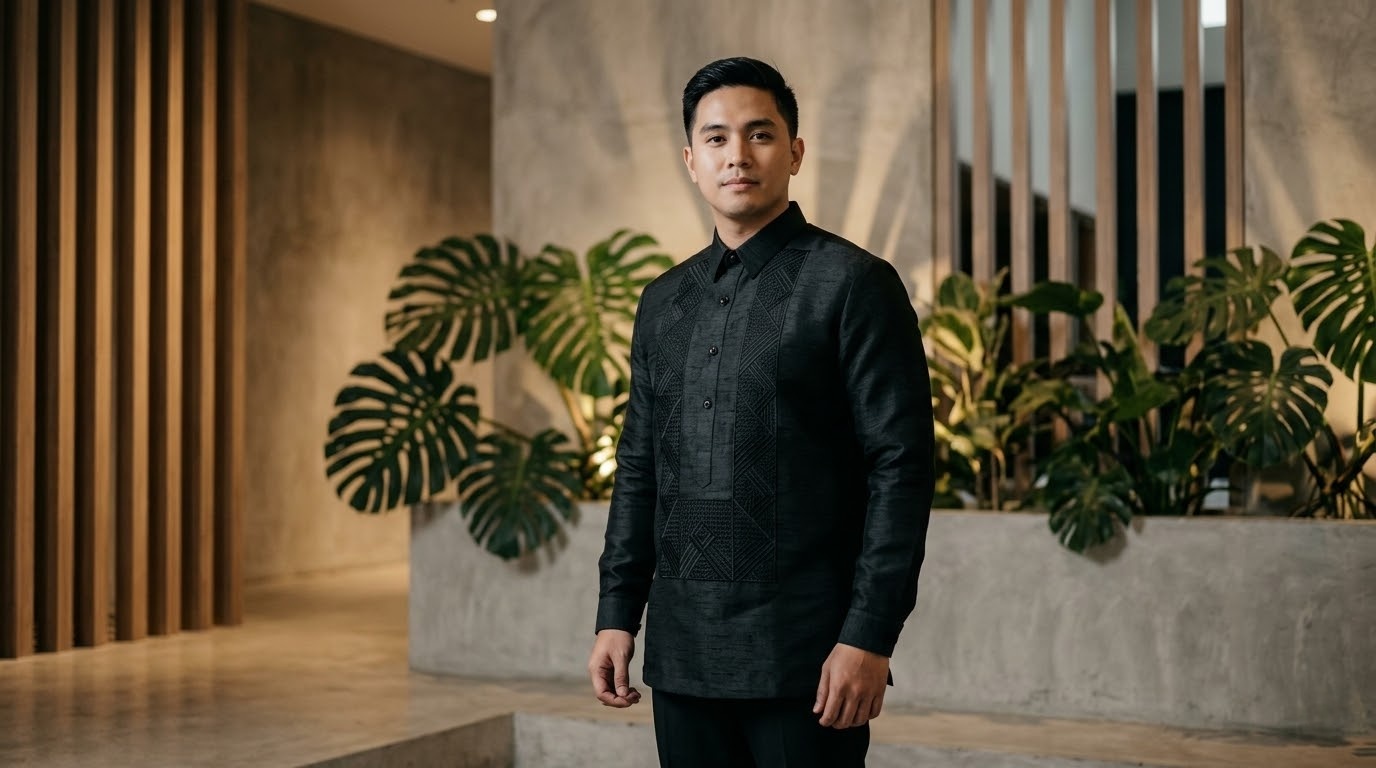
Modern black barong

The Ultimate Guide to the Barong: Modern Styles, Stunning Elegance

The Evolution of the Barong: Modern Everyday Styles and Women’s Barong Trends

Are you standing in front of your closet, torn between a stiff traditional suit and a Barong Tagalog that feels like it belongs in your Lolo’s old photographs? You want to honor your heritage at your wedding or gala, but you don’t want to look like you’re wearing a costume.

At Handmade Kapamilya, we understand this struggle. We often see grooms and professionals who crave the “Kapamilya” vibe—that perfect balance of being “respectfully traditional” and “effortlessly modern.” In our workshop, we are witnessing a renaissance. The modern Barong Tagalog trends of 2024 and 2025 are moving away from the itchy, oversized silhouettes of the past toward breathable fabrics, tailored fits, and bold color palettes.

Mabuhay! Welcome to your ultimate guide to the evolution of the Philippines’ national dress. Whether you are looking for a wedding Barong Tagalog or a versatile piece for your professional wardrobe, we’ve gathered the insights you need to make an informed, stylish choice.

The Cultural Significance: Why the Barong Still Matters

Before we dive into the “what,” we must understand the “why.” The Barong Tagalog is not just a shirt; it is a narrative of resilience. Originally crafted from indigenous fibers like pineapple and abaca, it was a garment that allowed Filipinos to remain cool in the tropical heat while resisting the heavy, restrictive layers of colonial Spanish dress.

Today, wearing a Barong is a statement of cultural pride. For the Fil-Am community, it serves as a bridge between two worlds. When you browse our Barong Tagalog for sale, you aren’t just buying formal wear; you are participating in a living tradition that supports local weavers and embroiderers in artisanal hubs like Lumban, Laguna.

  1. Fabric Innovation: Beyond the “Itchy” Stereotype

One of the biggest modern Barong Tagalog trends is the shift in textile science. At Handmade Kapamilya, we believe that comfort is just as important as aesthetics. If you’re going to be dancing at a reception for six hours, the fabric matters.

Piña and Piña-Sede (The Gold Standard)

Derived from the leaves of the Red Spanish Pineapple, Piña is the “Queen of Philippine Fabrics.” It is incredibly lightweight, translucent, and possesses a soft, golden sheen.

  • Trend Note: We are seeing a rise in Piña-Sede (Piña silk), which blends pineapple fiber with silk to create a more durable, less “crunchy” feel while maintaining that luxury texture.

Cocoon Silk (The Modern Favorite)

If you want the look of Piña but require a more robust fabric that holds its shape, Cocoon silk is the answer. It is characterized by its slightly textured, “slubby” appearance.

  • Why it’s trending: It’s less transparent than Jusi, making it ideal for those who prefer a more structured look for a custom Barong Tagalog.

Jusi and Jusilyn (Accessible Elegance)

Jusi (mechanically woven silk) and Jusilyn (a synthetic blend) remain staples for their affordability and smooth finish.

  • The “Handmade Kapamilya” Expert Tip: Always check for a high-quality lining. A modern Barong should feel like a second skin, not a plastic bag.

  1. The Rise of the “Everyday Barong”

Gone are the days when the Barong was reserved solely for the altar or the presidential palace. One of the most significant modern Barong Tagalog trends is the “Everyday” or “Office Barong.”

We are seeing a massive surge in demand for short-sleeved Barongs made from linen, ramie, or cotton-blend chambray. These pieces serve as the Filipino equivalent of “Business Casual.”

  • The Silhouette: Slimmer through the waist with a shorter hemline designed to be worn untucked.
  • The Styling: Pair a linen Barong with dark denim or chinos for a “Paskong Pinoy” dinner or a high-end business meeting in San Francisco or New York.
  1. Bold Colors and Monochromatic Embroidery

Traditionally, the Barong was off-white or cream. However, the modern Barong Tagalog trends of the current season are embracing the dark side.

The Black Barong

A black-on-black Barong (black fabric with black embroidery) is the height of modern sophistication. It’s mysterious, formal, and incredibly slimming.

  • Perfect for: Evening galas or black-tie optional weddings.

Earth Tones and Deep Blues

We are increasingly crafting custom Barong Tagalogs in sage green, terracotta, and navy blue. These colors reflect the natural landscapes of the Philippines while offering a contemporary alternative to the standard tuxedo.

  1. Redefining Embroidery: Minimalist vs. Calado

Embroidery is the “soul” of the Barong. In our workshop, we categorize the current trends into two distinct paths:

Minimalist Geometric Patterns

For the modern professional, less is more. We are seeing a move toward “asymmetrical” embroidery—patterns that run down only one side of the chest or are concentrated solely on the cuffs and collar. This creates a clean, architectural look.

The Revival of Calado and Suksuk

Conversely, there is a renewed appreciation for “Calado”—a painstaking technique where threads are pulled from the fabric to create a lace-like, perforated effect.

  • Trend Insight: Grooms looking for a wedding Barong Tagalog are opting for “Suksuk” (inserted weft) patterns that tell a story, often incorporating indigenous motifs from the Kalinga or Mindanao regions to honor their specific ancestral roots.

Modern womens barong

  1. The Gender-Neutral Shift: Women’s Barongs

The Barong is no longer “just for the boys.” The evolution of Filipino formal wear has seen the Barong silhouette adapted into stunning Barong dresses, boleros, and tops for women.

Modern Filipina leaders and brides are choosing the “Barong Tagalog for Women”—a button-down piece with traditional embroidery but tailored with feminine darts and often paired with sleek trousers. It’s a powerful statement of identity and equality.

How to Choose Your Masterpiece: A “Kapamilya” Checklist

If you are looking for a Barong Tagalog for sale online, how do you know you’re getting quality? Use our expert checklist:

  1. Check the “Calado”: Is the embroidery hand-guided or machine-stamped? Hand-guided embroidery has slight variations that indicate artisanal work.
  2. The Fit: A traditional Barong is “A-line” (wider at the bottom). A modern Barong should have a slight taper.
  3. The Undergarment: A Barong is transparent by design. Always wear a Camisa de Chino (a long-sleeved white undershirt) underneath. Never wear a standard Hanes T-shirt; the collar lines will ruin the silhouette.
  4. Collar Stiffeners: Ensure the collar is crisp. A “floppy” collar is the fastest way to look unpolished.

Preserving Your Heritage: Care and Maintenance

Salamat for investing in a handmade piece. To ensure your Barong lasts for generations, you must treat it with care. In our experience, the biggest mistake owners make is putting their Barong in a washing machine.

  • Handwash Only: Use a mild detergent (or even baby shampoo). Swirl it in cool water, do not scrub.
  • The Hanger Rule: Never fold your Barong. Use a padded hanger to maintain the shoulder shape.
  • Air Dry: Hang it in a shaded area. Direct sunlight can yellow Piña and Jusi fibers over time.

Elevate Your Wardrobe with Handmade Kapamilya

The modern Barong Tagalog trends we see today are a testament to the enduring beauty of Filipino craftsmanship. Whether you are walking down the aisle or leading a boardroom meeting, the Barong allows you to carry your history with dignity.

At Handmade Kapamilya, we don’t just sell clothes; we help you find your “cultural fit.” Each of our pieces is a labor of love, designed to make you look like the best version of yourself while staying true to your roots.

Ready to find your perfect fit? Shop our Exclusive Modern Barong Tagalog Collection

📚 Continue Your Journey into Filipino Formal Wear

Maraming salamat po for supporting authentic Filipino craftsmanship. We look forward to welcoming you into the Handmade Kapamilya family!

Men in traditional Barong Tagalog

The Ultimate Barong Tagalog for Men: Tradition & Style Guide

Honoring Filipino Heritage Through Craft, Culture, and Timeless Elegance

Are you searching for the perfect formal attire that speaks to your heritage while maintaining sophisticated, timeless elegance? Whether you are a groom preparing for your big day or a guest attending an upscale gala, the Barong Tagalog is more than just a shirt—it is a powerful symbol of Filipino identity, resilience, and pride.

At Handmade Kapamilya, we believe that every man deserves to wear his culture with confidence. In this guide, we dive deep into the history, fabric science, and styling etiquette of the Barong Tagalog, helping you embrace this time-honored tradition for your next formal occasion.

The Cultural Significance: Why the Barong Tagalog Matters

The Barong Tagalog is not merely a piece of clothing; it is a primary artifact of Philippine history. Its origins trace back to the pre-colonial era, where native populations wore lightweight, collarless jackets crafted from local linens.

Following Spanish colonization, the garment evolved into the iconic piece we recognize today. Folklore often suggests that colonial decrees mandated the shirt be worn untucked and transparent, intended to prevent the concealment of weapons. Over time, this forced adaptation was reclaimed by Filipinos as a distinct symbol of national identity and dignity. Today, wearing a Barong is a profound statement of cultural pride, honoring centuries of tradition while remaining perfectly suited to modern formal events.

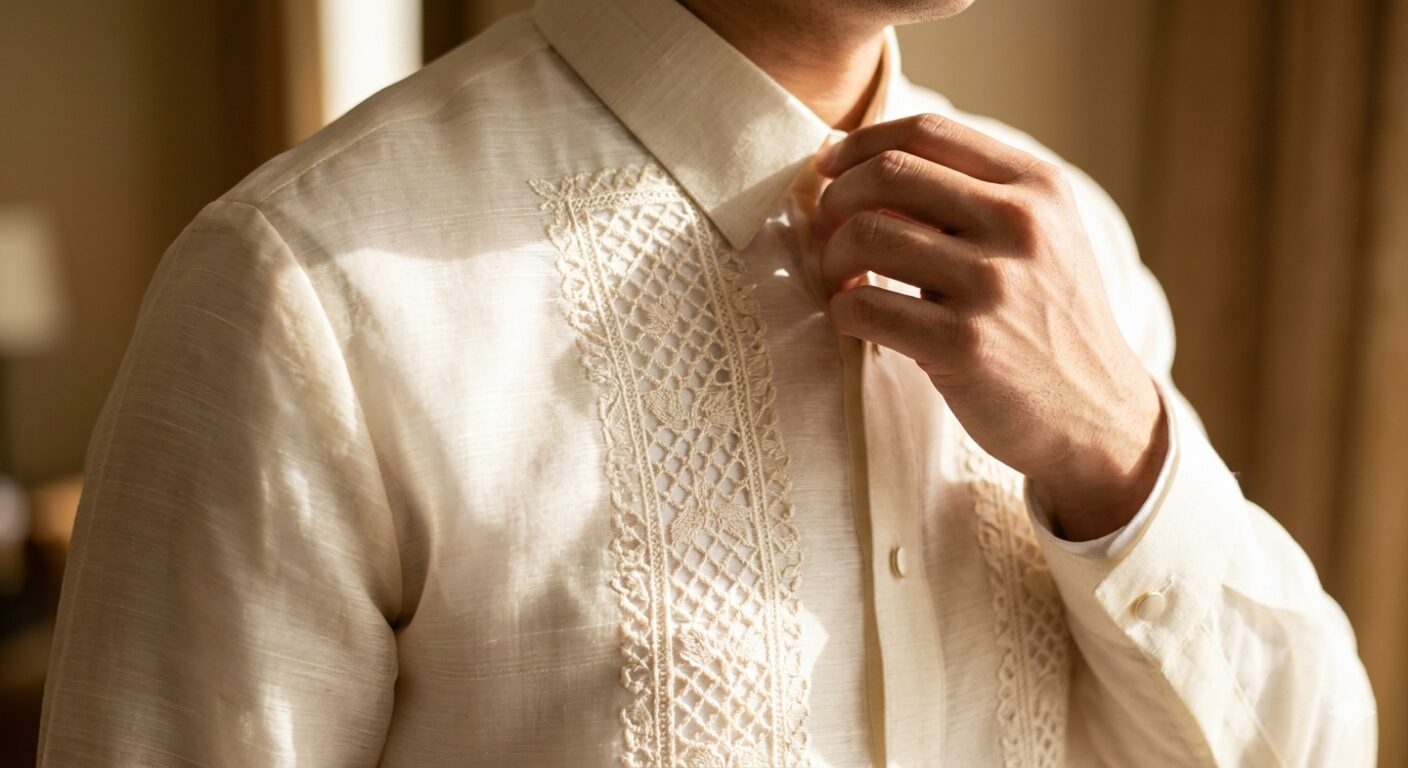
Piña fabric embroidery close-up

Choosing Your Fabric: The Science of Elegance

Selecting the right fabric is the most crucial step in commissioning or purchasing a high-quality Barong. At our workshop, we often guide clients through the unique characteristics of premium materials:

  • Piña Silk: Derived from pineapple leaf fibers, this is the gold standard. It is lightweight, breathable, and offers a luxurious, stiff drape that is perfect for weddings and black-tie events.
  • Jusi: Originally made from banana fibers (though often synthetic blends today), Jusi is a superb alternative for those seeking value without sacrificing the classic, elegant look.
  • Organza: Known for its crisp, sheer appearance, organza is a popular choice for structured, modern designs that need to hold their shape throughout long events.
  • Cocoon: Silk cocoon fabric offers a soft, rich texture that provides a more contemporary and comfortable feel while maintaining an undeniably formal aesthetic.

Ready to find your signature look? Explore our Handmade Kapamilya Barong Collection to see which fabric suits your style.
Modern black coat barong
Man dressed in a black coat barong

Styling Your Barong: Etiquette for the Modern Man

Mastering the art of the Barong requires attention to detail. Here is how to ensure you look your best:

  1. The Undershirt: The Barong is, by tradition, transparent. Always wear a Camisa de Chino or a clean, skin-toned undershirt underneath to maintain the formal, elegant look expected at weddings and official functions.
  2. The Fit: Whether you prefer a traditional, loose fit or a modern, tapered silhouette, the shoulder seams should always sit exactly where your shoulders end.
  3. Footwear: Pair your Barong with polished dress shoes. While it is formal, it carries a sense of tropical elegance; avoid overly casual footwear.

From Weddings to the Workplace: Versatility in Formal Wear

The Barong Tagalog has evolved from a traditional garment to a versatile staple in the modern Filipino-American wardrobe.

  • Weddings: The Barong is the groom’s attire of choice, creating a harmonious ensemble alongside the bride’s gown. It signifies unity and a deep respect for shared heritage.
  • Formal Events & Government Functions: As the official national formal attire, it is the standard for government officials and prestigious ceremonies, symbolizing respect and professionalism.

Everyday Elegance: Modern “office Barongs,” often made from cotton blends or ramie, are becoming an acceptable alternative to the traditional suit and tie, offering a comfortable yet professional business-casual look.

Man receiving a Barong Tagalog gift
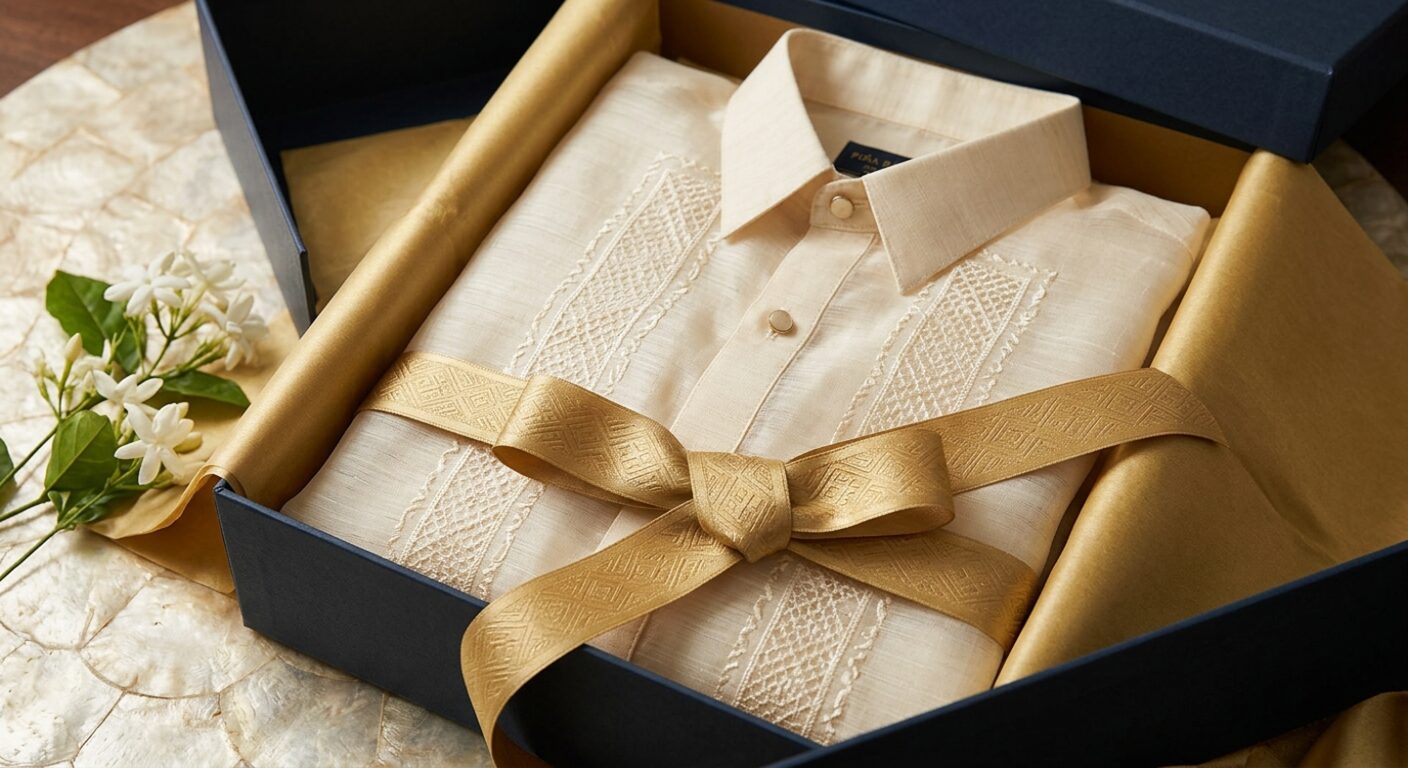
Barong Tagalog given as a present.

Passing Down the Legacy: A Gift of Affection

Gifting a Barong is a profound gesture of love. Whether for a milestone graduation, a birthday, or a wedding anniversary, presenting a loved one with a handmade Barong signifies the passing of a legacy. It is a way to share Filipino heritage across generations, forging bonds that transcend time and distance.

Conclusion: Wear Your History with Pride

The Barong Tagalog is more than just a shirt; it is a living tradition that resonates within the proud hearts of Filipinos everywhere. As we continue to innovate and blend traditional techniques with contemporary design, we ensure that this iconic garment remains a symbol of elegance for generations to come.

Want to learn more about caring for your investment? Check out our guide on.How to Wash a Barong Tagalog Without Ruining It

Continue Your Journey Through Filipino Elegance:

Mabuhay ang dugong Pilipino! We look forward to being part of your next milestone.


Barong Tagalog Traditions

Embracing Barong Tagalog: A Journey Through Time-Honored Traditions

The Barong Tagalog, an exquisite and iconic Filipino garment, is more than just a piece of clothing; it is a symbol of cultural heritage and pride. Through generations, this traditional attire has been at the heart of various time-honored Filipino customs and traditions. Let’s delve into the captivating world of Barong Tagalog traditions and discover the rich cultural significance they hold.

Weddings: The Barong Tagalog and the Bride’s Gown

In Filipino weddings, the Barong Tagalog takes center stage alongside the bride’s gown. As a classic symbol of Filipino elegance and formality, the Barong Tagalog is often the attire of choice for grooms during the ceremony. It’s intricate embroidery and fine craftsmanship perfectly complement the bride’s gown, creating a harmonious and stylish ensemble that signifies the couple’s unity and shared heritage. The Barong Tagalog embodies the groom’s commitment to embracing Filipino culture and traditions as he embarks on a new chapter in life.

Weddings are part of Barong Tagalog Traditions
Bride holding the arras given by the groom. Groom wearing a Barong Tagalog.

Cultural Festivals: A Showcase of Heritage

During vibrant cultural festivals and traditional celebrations, the Barong Tagalog shines as a symbol of Filipino identity and artistic expression. The intricate designs and rich fabrics reflect the region’s distinct heritage and customs. Whether it’s the elaborate Piña Barongs of the Visayan festivals or the Jusi Barongs adorned with intricate patterns during local fiestas, the Barong Tagalog serves as a living canvas of Filipino diversity and creativity. These festivals provide a platform for talented artisans to showcase their skills, ensuring the art of crafting Barongs is passed down through generations.

Government and Formal Events: A Mark of Respect

The Barong Tagalog is the national formal attire for men in the Philippines, and it is often worn by government officials during official functions and formal events. Its significance extends beyond fashion; it represents the wearer’s respect for Filipino traditions and culture. During national holidays, ceremonies, and state visits, the Barong Tagalog becomes a powerful emblem of the nation’s identity, evoking a sense of unity and pride among the Filipino people.

Phillipines Traditions in Government

Family Celebrations: Passing Down a Legacy

Barong Tagalog traditions are not only observed during major events but also cherished within families. It is common for fathers to pass down their Barongs to their sons, creating a sentimental connection to the past and instilling a sense of continuity. Family gatherings and special occasions become opportunities for the younger generation to wear their heritage with pride, paying homage to their ancestors and carrying on a timeless legacy.

Barong Tagalog as a Gift: Symbol of Affection

Gifting a Barong Tagalog is a gesture of affection and appreciation. During significant life events like birthdays, graduations, or anniversaries, loved ones often present Barongs to express their love and admiration. The act of giving a Barong Tagalog symbolizes a desire to share Filipino heritage and culture with someone special, creating a meaningful bond that transcends generations.

Barong Tagalog Traditions of Gift Giving
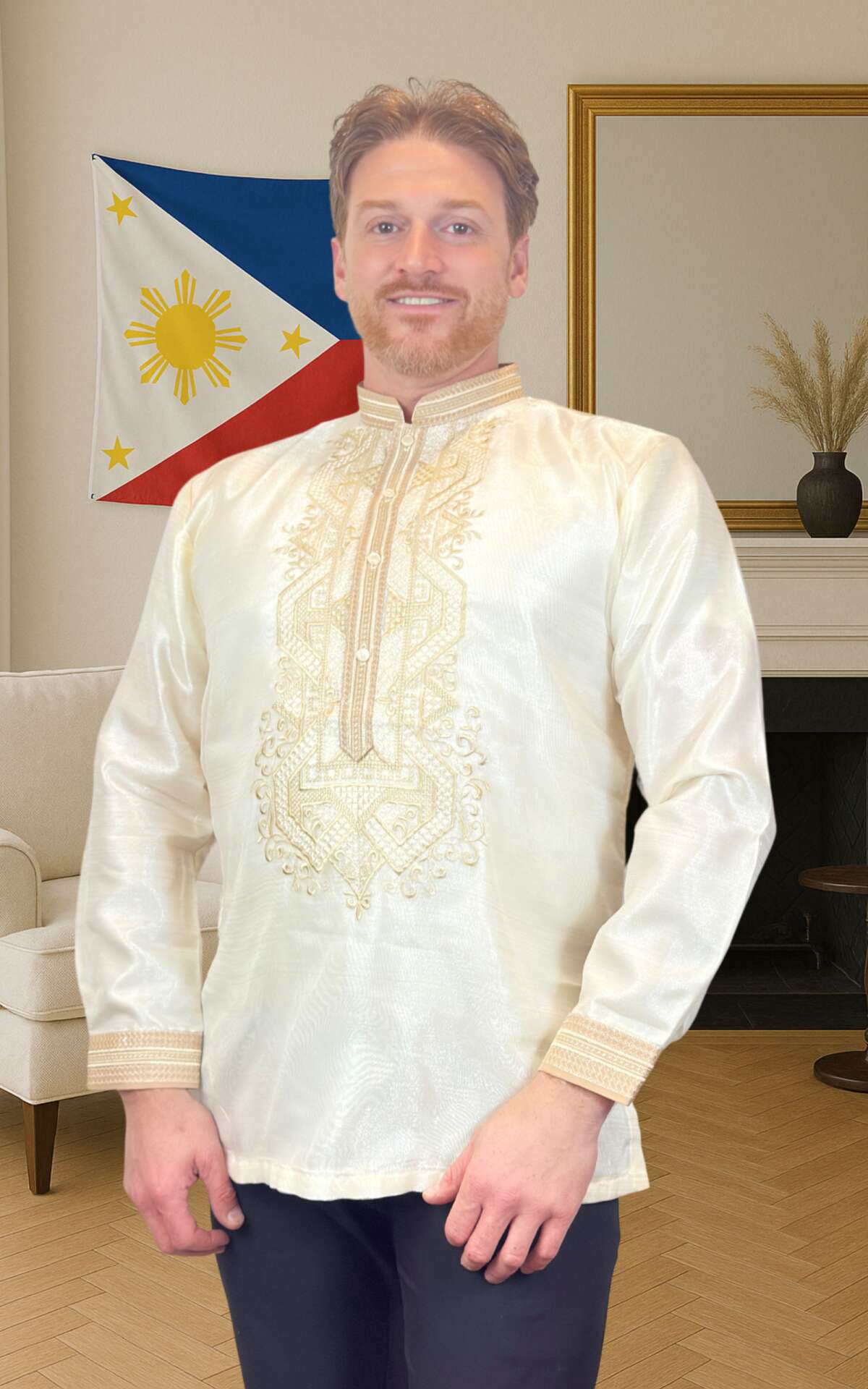
Philippines gift giving. A woman giving a Barong Tagalog as a gift with the national flag in the background.

Conclusion: The Enduring Charm of Barong Tagalog Traditions

As we traverse through the tapestry of Barong Tagalog traditions, we discover a vibrant and enduring cultural heritage. This cherished Filipino attire continues to captivate hearts, not only for its beauty and elegance but also for the deep-rooted traditions it represents.

Whether worn during weddings, festivals, formal events, or intimate family gatherings, the Barong Tagalog serves as a conduit that connects Filipinos to their shared past and the promise of a vibrant future. It stands as a reminder of the importance of preserving cultural customs and instilling a sense of pride in one’s heritage.

As Barong Tagalog continues to be an integral part of Filipino life, it weaves its way into the fabric of Filipino identity, a timeless tradition that resonates with the hearts of a proud nation.

Barong Tagalog Types

Discovering the Elegance of Barong Tagalog Types

The world of Barong Tagalog types may seem unfamiliar to many, but fear not! Let’s take a closer look at these exquisite materials to help you find the perfect Barong for your needs.

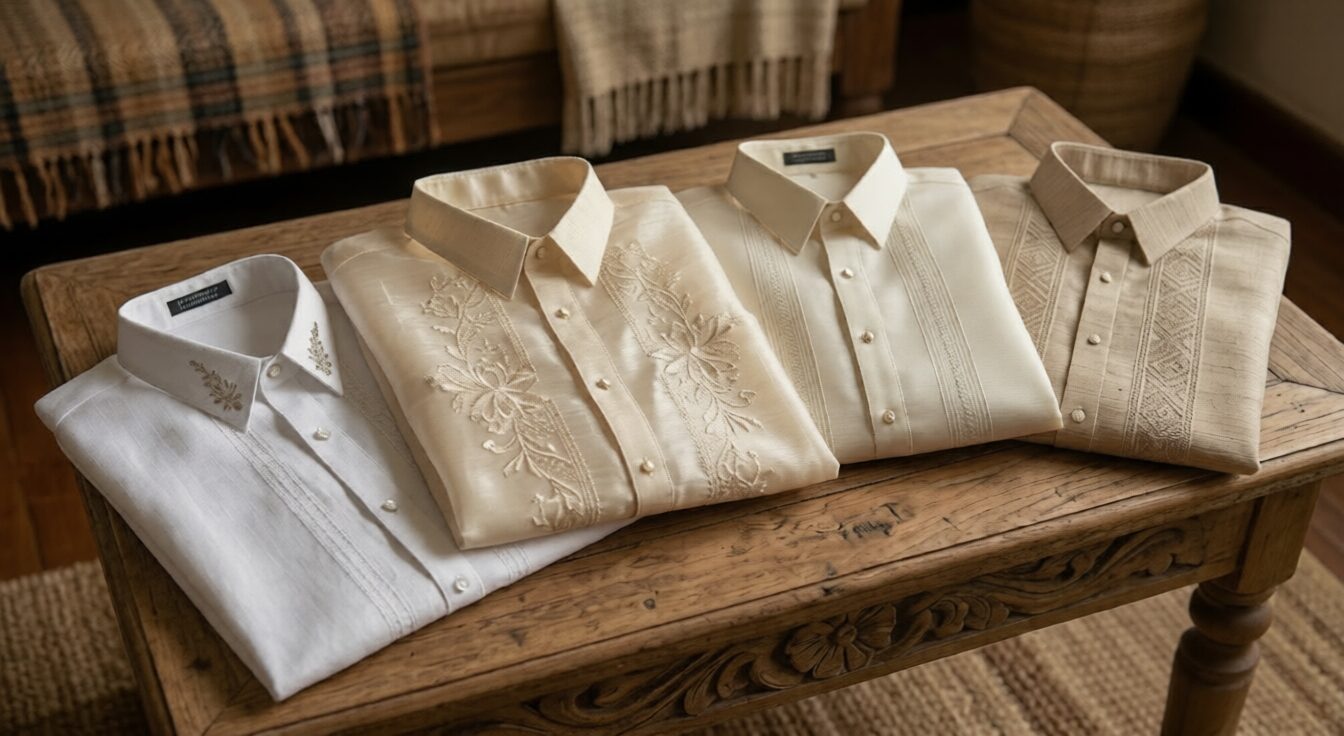
Much like other garments, the Barong Tagalog comes in various fabric types, each possessing unique qualities such as Organza, Jusi, Pina, and more. These fabrics vary in quality, softness, opaqueness, thickness, price, and other factors. Let’s explore the most common types and understand their advantages and disadvantages.

Organza Barong: Affordable Elegance Barong Tagalog Types

For those seeking a cost-effective option, the Organza Barong is a wonderful choice. This sheer and transparent material, crafted from Silk and Polyester, offers the most budget-friendly Barong Tagalog. Its shiny appearance can be the perfect show-stopper on stage, but it might be too dazzling for a low-key wedding or office wear. If you need a one-time Barong or are on a budget, the Organza Barong is readily available at Barong Warehouse.

Organza Barong Tagalog

Jusi Barong: Refined and Affordable

The Jusi Barong strikes an excellent balance between refinement and affordability. Made from a type of silk, it is softer and less sheer than Organza but more budget-friendly than Pina Barong. Available in various colors and styles, you can opt for a Jusi-Pina Barong, featuring subtle stripes resembling Pina fabric, or a Monochromatic Jusi Barong with a captivating gradient effect.

Jusilyn Barong: Silk’s Affordable Alternative Barong Tagalog Types

Similar to Jusi, the Jusilyn Barong offers an economical alternative with a silk and polyester blend. It boasts greater opaqueness than Jusi, making it an attractive option for those seeking budget-friendly elegance.

Barong Tagalog Types - Jusilyn Barong
Traditional Costume Barong Tagalog

Gusot-Mayaman: The Comfortable Linen Fabric

For office wear in the hot and humid Philippine climate, Gusot-Mayaman, known as “Wrinkle of the Rich,” is a popular choice. This breathable Linen fabric features simpler embroidery designs, favored by office workers for its comfort and style. An affordable version, the Bihis Mayaman, is crafted from lightweight polyester.

Piña Barong: Epitome of Elegance

The Piña Barong stands as the epitome of Barong Tagalog elegance. Meticulously woven in the Philippines by skilled artisans, this fabric seamlessly combines age-old Filipino weaving techniques with European hand-embroidery traditions. The result is a truly exquisite fabric that represents a genuine investment for Barong Tagalog aficionados. While Piña Barongs can range from a few hundred to thousands of dollars, there are other fabrics that closely resemble its splendor, such as Cocoon and Silk Barongs, offering affordable yet equally beautiful alternatives.

Barong Tagalog Types - Piña Barong
Traditional Costume Barong Tagalog

Now that you are acquainted with the diverse world of Barong Tagalog fabrics, you can confidently choose the perfect one to suit your style and occasion. Embrace the elegance and charm of these fabrics as you celebrate the rich cultural heritage of the Philippines with your Barong Tagalog attire.

Barong Tagalog as a Gift

Elegance Unwrapped: The Timeless of Giving a Barong Tagalog as a Gift

When it comes to finding the perfect gift that embodies sophistication, cultural pride, and enduring elegance, look no further than the Barong Tagalog. This traditional Filipino garment transcends fashion trends, making it a timeless present that captures the heart of both the giver and the receiver. Whether it’s for a special occasion or a token of appreciation, gifting a Barong Tagalog is a gesture that will be cherished for a lifetime. Let’s unwrap the beauty and significance of giving a Barong Tagalog as a gift.

Philippines Flag

A Symbol of Cultural Heritage

Gifting a Barong Tagalog is more than just presenting a piece of clothing; it is bestowing the essence of Filipino cultural heritage upon someone special. Whether the recipient is Filipino or not, the Barong Tagalog serves as a reminder of the rich traditions, artistry, and values that define the Philippines. The gift becomes a bridge that connects the recipient to the timeless elegance of Filipino culture.

Thoughtful and Personalized Barong Tagalog as a Gift

Choosing a gift that is thoughtful and meaningful can be a challenge, but a Barong Tagalog is a gift that radiates thoughtfulness and personalization. With a wide range of designs, fabrics, and styles available, you can select a Barong Tagalog that perfectly suits the recipient’s taste and personality. Whether they prefer classic embroidery, modern embellishments, or a particular fabric like piña or jusi, there’s a Barong Tagalog that reflects their individuality.

Barong Tagalog as a Gift
Guy secretly opens the gift box. He looks at what’s inside the box. Could it be a Barong Tagalog?

Perfect for Special Occasions

Barong Tagalogs are the epitome of elegance, making them an ideal gift for special occasions and milestone events. From weddings and anniversaries to birthdays and graduations, a Barong Tagalog adds an element of grace and sophistication to these memorable moments. Presenting the gift of a Barong Tagalog during significant life events symbolizes a desire to share in the joy and honor the importance of the occasion.

Creating Lasting Memories with the Barong Tagalog as a Gift

The beauty of gifting a Barong Tagalog lies not only in the present moment but in the lasting memories it creates. Every time the recipient wears the Barong Tagalog, they will be reminded of the occasion and the person who bestowed this cherished gift. The Barong Tagalog becomes a keepsake, passed down through generations, carrying with it the sentiment and love of the giver.

Strengthening Bonds

Gifting a Barong Tagalog is a gesture that goes beyond the material item; it strengthens bonds and fosters connections. For couples, exchanging matching Barongs can be a symbol of unity and commitment. For families, gifting Barongs to sons, brothers, or nephews during significant life events reinforces the ties that bind them together. The Barong Tagalog becomes a thread that weaves connections and strengthens relationships.

Spreading Cultural Appreciation

When you give a Barong Tagalog as a gift, you are not only presenting an elegant garment but also spreading cultural appreciation and understanding. The recipient may not have been familiar with Filipino culture before, but through this gift, they get a glimpse of the richness and beauty that the Philippines has to offer.

Barong Tagalog

Conclusion: A Gift Beyond Compare

Gifting a Barong Tagalog is a gesture that transcends borders and generations. It is a timeless treasure that embodies elegance, tradition, and the enduring spirit of Filipino culture. From special occasions to intimate celebrations, the Barong Tagalog stands as a symbol of cultural heritage, love, and thoughtfulness.

As you bestow the gift of a Barong Tagalog, you are not merely presenting a garment; you are offering a piece of history and tradition. In the unwrapping of the Barong Tagalog, the recipient discovers a gift that is beyond compare – an embodiment of grace and an enduring connection to the captivating elegance of the Philippines.

Filipino Funeral Attire & Filipino Funeral Gifts

A Farewell with Grace: Traditional Filipino Funerals and the Symbolic Barongs

In the Philippines, funerals are not just somber occasions; they are a heartfelt tribute to the departed and a celebration of a life well lived. Amidst the mourning and grief, a sense of cultural pride and unity envelops these solemn events. At Filipino funerals, the traditional Barong Tagalog takes on a poignant role, symbolizing respect, dignity, and a final farewell with grace. Let’s explore the significance of Filipino funerals and the elegant presence of Barongs during these meaningful ceremonies.


Filipino Funeral in Christian Church


Filipino Funeral Traditions: Embracing Respect and Unity

Filipino funerals are deeply rooted in cultural traditions that reflect the nation’s values of respect and unity. The grieving process is a collective affair, with friends, family, and community members coming together to offer condolences and support to the bereaved family. In the face of loss, Filipino funerals serve as a reminder of the strength of familial bonds and the resilience of the human spirit.


The Significance of Barong Tagalogs at Filipino Funerals

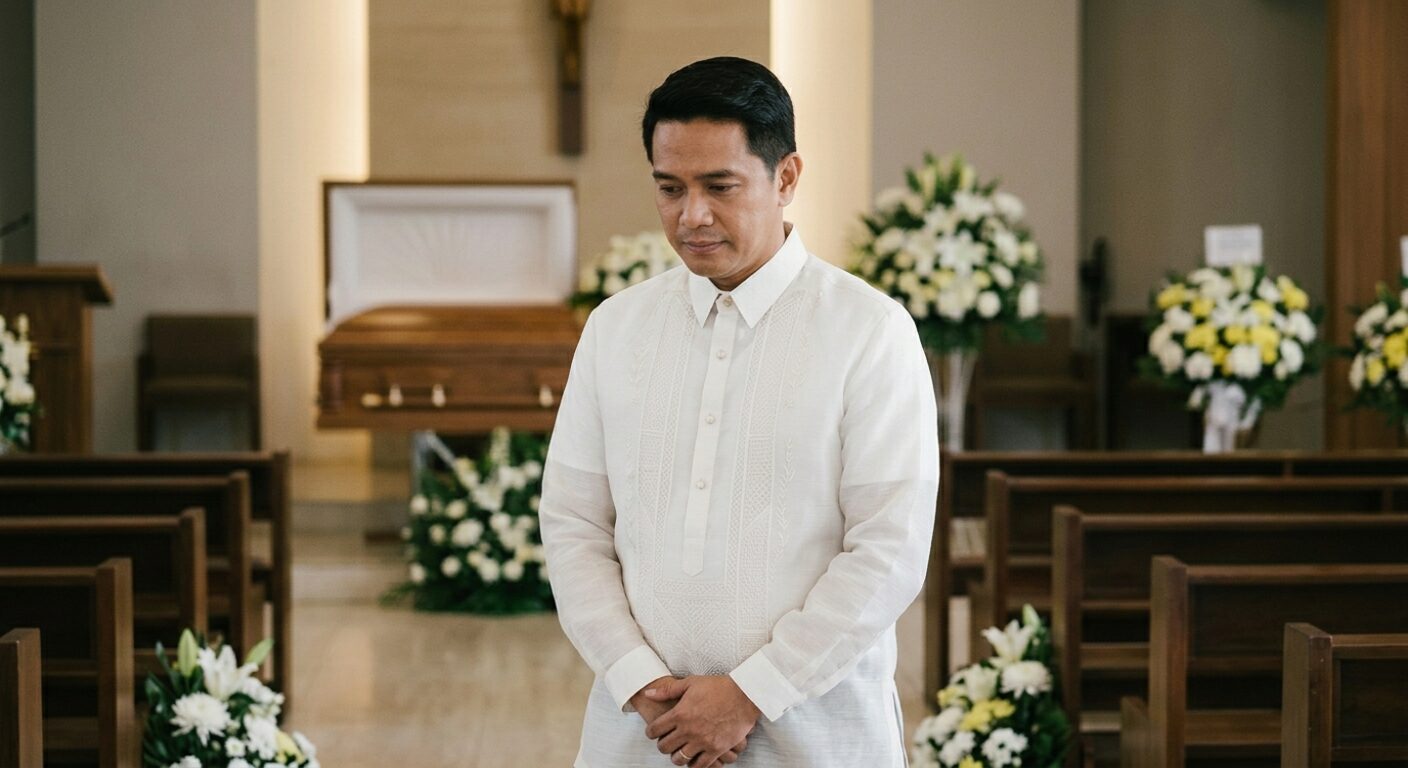
During Filipino funerals, Barong Tagalogs, typically either the classic white or black, play a significant role in honoring the departed and the mourning process. The elegant and dignified appearance of black Barongs symbolizes respect for the deceased and their family. Wearing Barongs demonstrates an acknowledgment of the solemnity of the occasion and the desire to pay tribute to the life that has passed.


Barong Tagalog Colors: A Display of Mourning at Filipino Funerals

In Filipino culture, white is the color associated with purity. Black barong is the color associated with mourning. During funerals, the Barong Tagalog worn by close family members, such as sons, brothers, and nephews, is often white or a subdued color to signify purity or black for mourning. The use of white Barongs exemplifies a sense of solemnity and reverence, honoring the memory of the departed.


Filipino Black Barong Tagalog


Filipino Funeral Gifts

When attending a Filipino funeral, it is customary to bring gifts that show support and sympathy for the grieving family. Common gifts include flowers, often white, symbolizing purity and respect. Monetary contributions, known as “abuloy,” are also a significant tradition, helping with funeral expenses and showing communal solidarity. Additionally, food is frequently given, easing the family’s burden during their time of grief. These gestures embody the deep sense of community and compassion characteristic of Filipino culture.


Black Feather Embroidered Long S...
Price range: $76.01 through $79.04
Black Long Sleeve Organza Barong...
Price range: $76.01 through $79.04
White Long Sleeve Organza Barong...
Price range: $76.01 through $79.04

Paying Final Respects with Elegance at Filipino Funerals

As the funeral service proceeds, the elegant Barong Tagalogs worn by family members add a touch of grace and dignity to the proceedings. The attire signifies that, even in the face of sorrow, the Filipino spirit remains resilient and dignified. It is a testament to the enduring cultural pride that persists through times of grief.


Filipino Funeral Grounds


Community Support and Unity

Throughout the funeral, the presence of the community and extended family offers comfort to the bereaved. The Barong Tagalogs worn by attendees foster a sense of unity, creating a visual reminder of shared cultural heritage and the collective mourning for the departed.


A Celebration of Life and Legacy

Filipino funerals are not solely a time for mourning; they are also an opportunity to celebrate the life and legacy of the departed. Through stories, eulogies, and shared memories, loved ones find solace in honoring the impact of the deceased on their lives. The elegance of Barongs adds a touch of grace to this celebration of a life well-lived.


Unique Burial Location on Side of Cliff
Sagada, Philippines-October 9, 2016: The Igorots practice unique funerary customs-the dead are buried in coffins tied or nailed to cliffs. Sagada-Mountain province-Cordillera region-Luzon-Philippines.


Conclusion: The Last Goodbye with Dignity

Filipino funerals, with the dignified presence of Barong Tagalogs, are a poignant reminder of the significance of cultural traditions during times of grief. These ceremonies reflect the profound respect and unity that characterize Filipino communities.


Filipino Funeral Precession

As the Barong Tagalog elegantly graces the final farewell, it symbolizes the enduring legacy of the departed and the spirit of resilience that unites the Filipino people. Funerals in the Philippines are not just a time of mourning; they are a testament to the strength of cultural heritage and the profound sense of respect that defines Filipino tradition.

Filipino Baptisms Gown & Traditions

Filipino Baptisms and the Graceful Presence of Barongs: A Sacred Rite of Passage

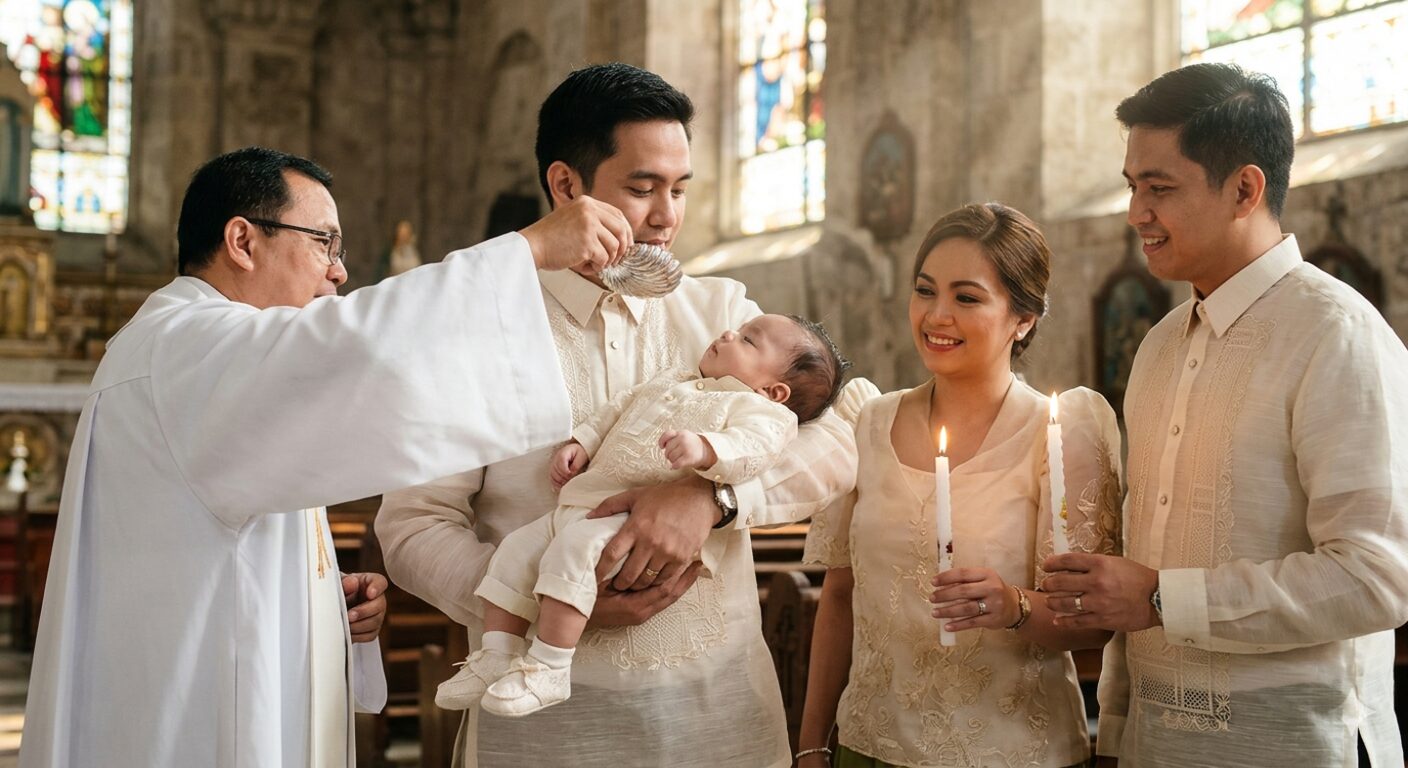
In the Philippines, baptisms are joyous celebrations, marking a child’s spiritual journey into Christian faith. Surrounded by love and cherished traditions, they forge lasting bonds, embracing family and culture. Enveloped in family warmth and Barong Tagalogs’ elegance, Filipino baptisms epitomize tradition and devotion. Let’s explore their significance.


Embracing Faith and Community Around Filipino Baptisms

Filipino baptisms hold a special place in the hearts of Filipino families. Beyond the religious significance, they symbolize a strong sense of community and familial bonds. As family and friends gather to witness this sacred event of a Filipino baptism, they come together in support and love, creating an atmosphere of joy and unity.


Church in Manila, Philippines


The Role of Godparents in Baptisms

Godparents, known as “ninong” (male) and “ninang” (female), play a pivotal role in Filipino baptisms. They are chosen by the child’s parents to provide spiritual guidance and support throughout the child’s life. The Godparents’ commitment to their role is a testament to the close-knit relationships within Filipino families and communities.


Baptismal Attire: The Elegance of Barong Tagalogs

In Filipino baptisms, the attire of choice for young boys is the elegant Barong Tagalog. These finely crafted garments, often made from piña, jusi, or other delicate fabrics, embody the essence of Filipino elegance. Worn by the child, parents, and Godparents alike, the Barong Tagalog assumes a role of profound symbolism during this sacred occasion, signifying purity and reverence. With its immaculate design and graceful fabric, the Barong Tagalog embodies the essence of spiritual sanctity, enveloping the participants in an aura of solemnity and devotion as they come together to celebrate this cherished moment of faith and tradition.


Filipino Barong Tagalog
Traditional Costume Barong Tagalog


Infant Christening Baptism Outfi...
Original price was: $51.20.Current price is: $29.99.
-41%
Kids White Long Sleeve Organza B...
Price range: $66.37 through $78.44

A Ritual of Blessings and Symbolism in Filipino Baptisms

The baptismal ceremony itself is steeped in ritual and symbolism. The water used for baptism takes on a profound meaning, symbolizing purification and the cleansing of sins, while the sign of the cross gently traced on the forehead holds a sacred significance as it marks the child’s initiation into the Christian faith. These symbolic rituals not only sanctify the moment but also serve as a spiritual bridge, connecting the child to a lifelong journey of faith and devotion.Throughout the ceremony, prayers are offered, blessings bestowed, and the child is officially named, signifying their belonging to the Christian community.


Filipino baptism
Baby receiving baptism


Post-Baptismal Celebrations: Party Filipino Style

After the baptismal rites at the Filipino baptism, a joyful celebration ensues. Family and friends gather for a festive feast, where traditional Filipino dishes and delicacies abound. During these celebrations, the Barong Tagalogs remain a prominent sight, elegantly complementing the joyful atmosphere with their exquisite craftsmanship and traditional allure. As laughter and festivities fill the air, the graceful presence of these garments adds a touch of cultural pride and sophistication, symbolizing the cherished customs that bring families and friends together in harmonious celebration.


Filipino style lechon
Chefs serve the delicious pig as a dish called lechon, cooking it over a fire and preparing it for guests as a refined entertainment.


A Legacy of Baptism Faith and Tradition

As the child grows, the memory of their baptism remains an indelible part of their life’s journey. The Barong Tagalog worn during this sacred event becomes a cherished keepsake, lovingly passed down through generations, serving as a profound symbol of family unity and unwavering faith. This treasured garment, with its intricate embroidery and delicate fabric, not only preserves the memories of the past but also connects the threads of heritage, weaving a timeless bond that transcends time.


Conclusion: A Blessing of Love and Tradition

Filipino baptisms, adorned with the grace and elegance of Barongs, are a testimony to the profound significance of faith, family, and cultural heritage. These sacred rites of passage unite families and communities in celebration and devotion, creating a lasting bond that transcends time.

As the Barong Tagalog continues to grace the baptisms of young boys, it symbolizes not only elegance but also signifies the enduring legacy of Filipino traditions and values. Moreover, it serves as a poignant reminder of the rich cultural heritage passed down through generations, linking the past and the present in a seamless tapestry of identity and pride. Baptisms in the Philippines are not just moments of spiritual initiation; they are celebrations of love, faith, and cultural identity, beautifully woven together like the delicate threads of a Barong Tagalog, forming a timeless tapestry of Filipino heritage.

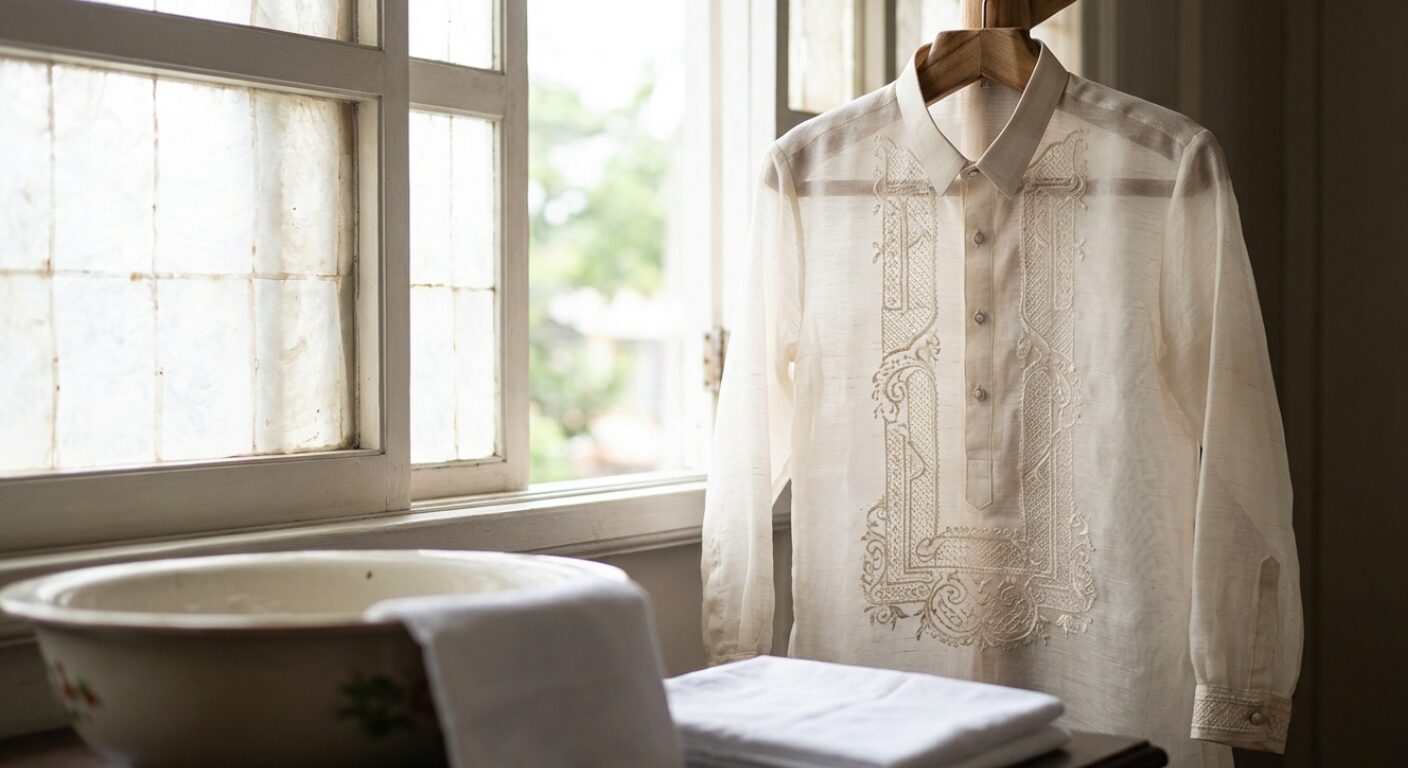
Caring for Your Barong Tagalog: Hand Wash Guide

Caring for Your Barong Tagalog: Hand Wash Guide

Caring for Your Barong Tagalog is a treasured piece of Filipino heritage, deserving of meticulous care to maintain its elegance and beauty. We have created this care guide to ensure your barong stays in pristine condition, follow these simple hand wash steps:

  1. Prepare the Solution: Fill a basin with water and add a mild detergent (we have found that either of these brands has worked best for us: Tide or Soak). Gently stir the solution with your hand to evenly distribute the soap.
  2. Submerge and Agitate: Immerse the barong in the detergent solution. With a delicate touch, agitate the fabric to allow the soap molecules to penetrate. Gently lift and lower the barong several times, letting the solution flow through the fabric.
  3. Stain Removal (For Jusi Barongs, the silk ones): If you have a jusi barong and notice stains, use a soft brush to gently treat the affected areas—such as the collar, cuffs, and armholes. For other barong types: (piña, piña-silk, abaca-cotton, or cocoon), avoid brushing and instead, apply more detergent directly to the stained areas. Continue immersing and lifting the barong until the dirt vanishes.
  4. Rinse with Care: Thoroughly rinse the barong with clean water. When rinsing, avoid squeezing or twisting the fabric to prevent damage.
  5. Air Drying: Hang the barong on a plastic or soft (not a wire one) round-edge hanger (or a plastic suit hanger for coats) and allow it to air dry naturally, it should be completely dry by morning.

A word of caution: Hand washing and ironing a barong may require time and skill. If you want to avoid any potential harm or lack the necessary expertise, entrusting your barong to a professional dry cleaner is the best option.

Remember, your barong represents the timeless elegance of Filipino culture, and by giving it proper care, you ensure it remains a cherished piece for generations to come. Embrace the art of caring for your barong, honoring the traditions and craftsmanship woven into its fabric.