Slide toggle
Monday - Friday: 09:00 - 5:00 CT 9001 Griggs Avenue Unit 243, Circle Pines, MN 55014 612-239-1469 orders@handmadekapamilya.com

Tag: Filipino

Handwash delicate piña Barong

How to Wash a Barong Tagalog Without Ruining It

A Complete Guide to Washing, Ironing, and Storing Piña, Jusi & Cocoon Fabrics

You finally wore your Barong Tagalog—whether for a wedding, gala, or milestone celebration. Then comes the moment every owner dreads: sweat on the collar, makeup on the embroidery, or a stray drop of lechon sauce.

Panic is natural.
A Barong is not a regular dress shirt—and washing it the wrong way can permanently damage delicate Piña, Jusi, or Cocoon fibers.

At Handmade Kapamilya, we work with premium Barong Tagalog fabrics every day. This guide will show you exactly how to wash a Barong Tagalog at home, how to iron it safely, and how to store it so it lasts for decades—not months.

Kumusta po. Let’s protect your heirloom.

Why Barong Tagalog Care Is Different

Unlike Western formalwear, the Barong Tagalog is made from indigenous and silk-based fibers that are lightweight, breathable, and extremely sensitive to heat, friction, and harsh chemicals.

Common Barong Fabrics Explained

  • Piña – Pineapple fiber; ultra-delicate and prone to brittleness
  • Jusi – Traditionally silk; modern blends still require gentle care
  • Cocoon – Premium silk with structure, but heat-sensitive
  • Organza – More affordable, but can melt under high heat

Bottom line: Caring for a Barong is about preservation, not just cleanliness.

Can You Wash a Barong Tagalog at Home?

Yes—but only by hand.
Never machine-wash a Barong Tagalog, even on “delicate.”

Step-by-Step: How to Wash a Barong Tagalog (Hand-Wash Method)
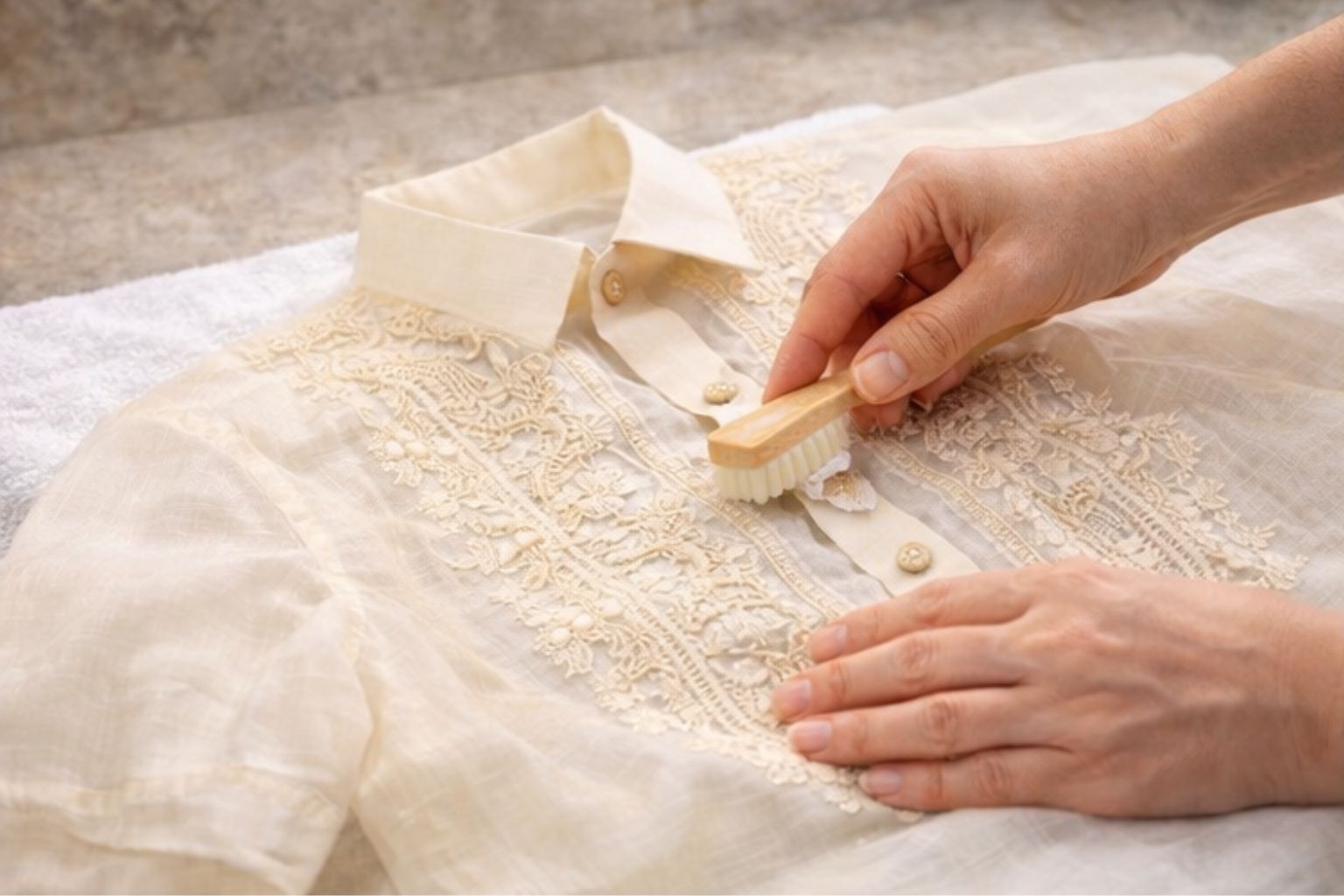
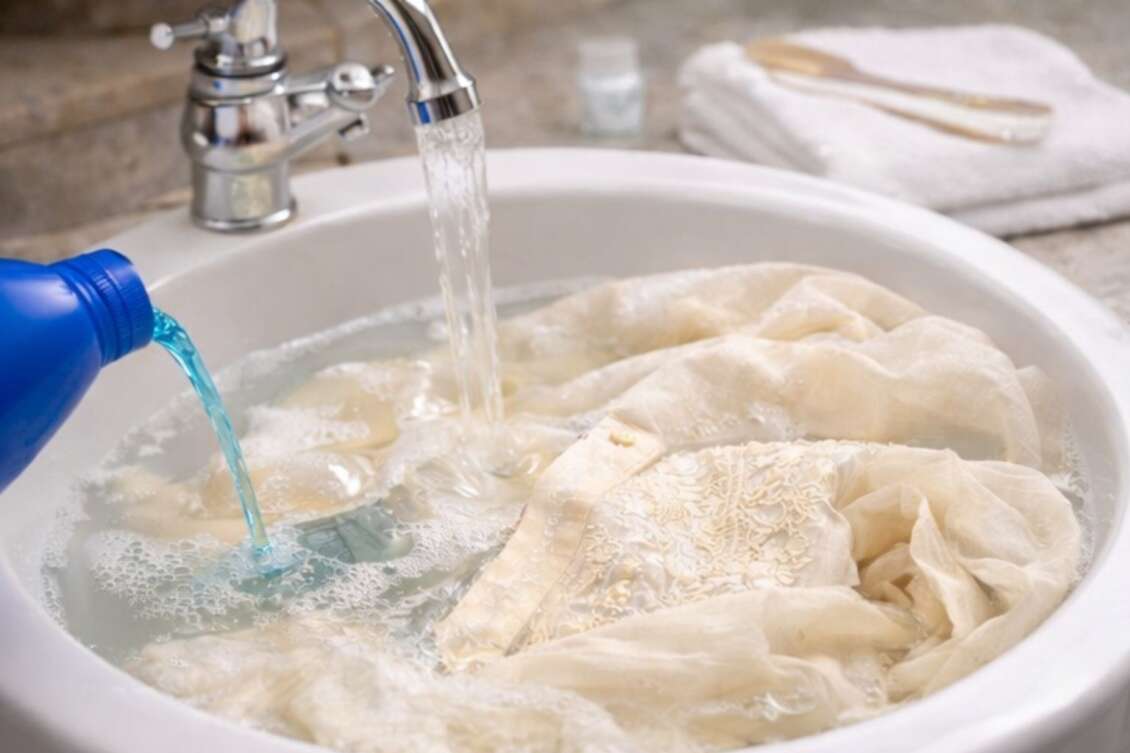
Handwash Barong Tagalog Delicately

What You’ll Need

  • Clean basin or sink
  • Lukewarm water
  • Mild liquid detergent (Woolite or Perla)
  • Soft toothbrush (for spot cleaning only)

Step 1: Inspect Before Washing

Check:

  • Collar & underarms (sweat salts weaken fibers)
  • Cuffs
  • Embroidery (food or makeup stains)

Step 2: Prepare the Wash

  • Fill basin with lukewarm water
  • Add a small amount of detergent
  • Mix before submerging (never pour soap directly on fabric)

Step 3: Gentle Soak

  • Submerge the Barong fully
  • Let soak 15–30 minutes
  • Do not scrub or twist

Step 4: Spot Clean Carefully

  • Use fingertips or a soft toothbrush
  • Very light pressure only
  • Focus on collar, not embroidery

Step 5: Rinse Properly

  • Rinse with cool water until soap is gone
  • Never wring or twist
  • Gently press water out using hands

How to Dry a Barong Tagalog Correctly
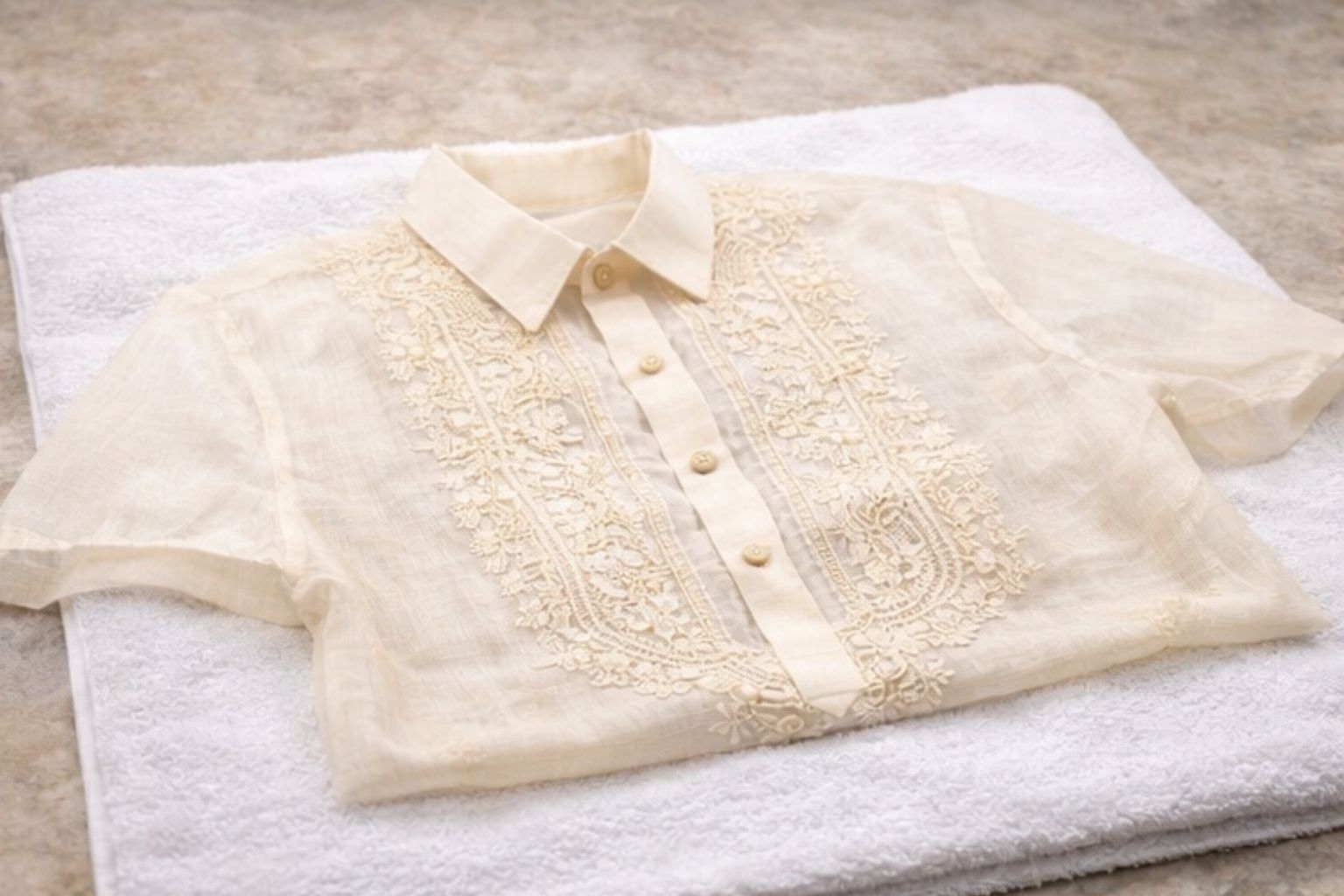
Barong Tagalog air drying

Drying mistakes cause more damage than washing.

Best Drying Method

  1. Lay Barong flat on a clean white towel
  2. Roll towel gently to absorb moisture
  3. Lay flat to air dry or hang on padded hanger

🚫 Avoid:

  • Direct sunlight
  • Thin wire hangers
  • Clothes dryers (always ruin Barongs)

How to Iron a Barong Tagalog Without Damage
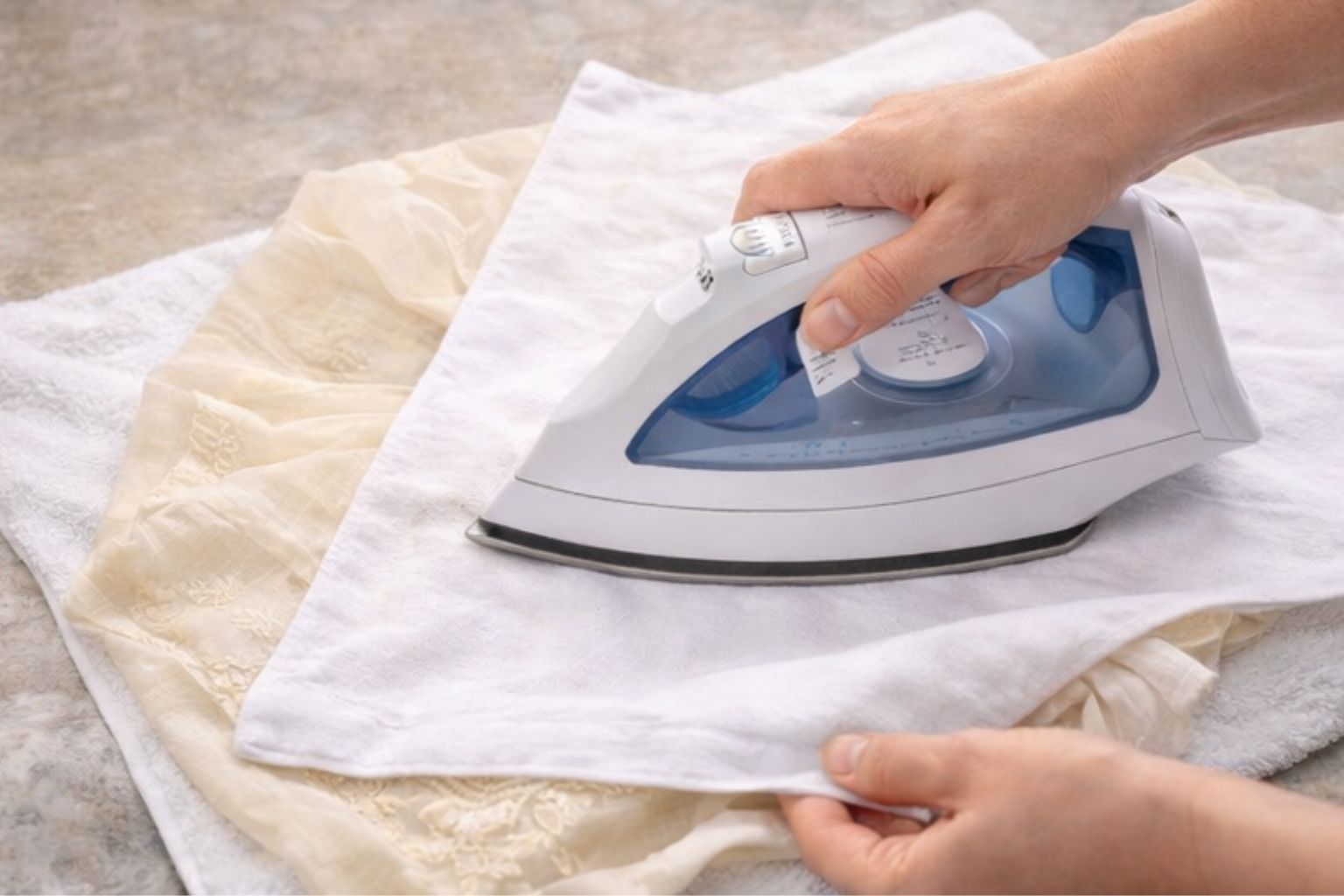
Iron Barong Safely Low Heat

Ironing is where most Barongs are ruined.

Golden Rules

  • Iron while slightly damp
  • Always use a pressing cloth
  • Iron inside out first

Iron Settings

  • Piña / Cocoon: Medium-low
  • Jusi / Organza: Low

For embroidery: place a towel underneath so stitches don’t flatten.

How to Store a Barong Tagalog (Prevent Yellowing)

If you wear your Barong once or twice a year, storage matters most.

Best Storage Practices

  • Use breathable cotton garment bags
  • Never store in plastic
  • Insert acid-free tissue if folding
  • Add silica gel or cedar to control humidity

💡 For wedding Barongs: archival boxes are ideal for long-term storage.

Frequently Asked Questions

Can I dry clean a Barong Tagalog?

Only if the cleaner specializes in traditional or museum textiles. Standard dry cleaning chemicals often damage Piña fibers.

How do I remove yellow sweat stains?

Soak in lukewarm water with mild detergent and a small amount of baking soda. Never use bleach.

How do I soften a scratchy Barong?

Add one tiny drop of hair conditioner to the final rinse—this helps relax natural fibers.

The Kapamilya Way: Preserve What Matters

A well-cared-for Barong Tagalog becomes a pamana—an heirloom passed down through generations.

If your current Barong has reached the end of its life, Handmade Kapamilya offers artisan-crafted Barongs designed for durability without sacrificing tradition.

👉 Explore our Exclusive Barong Tagalog Collection

Related Guides to Complete Your Care Routine
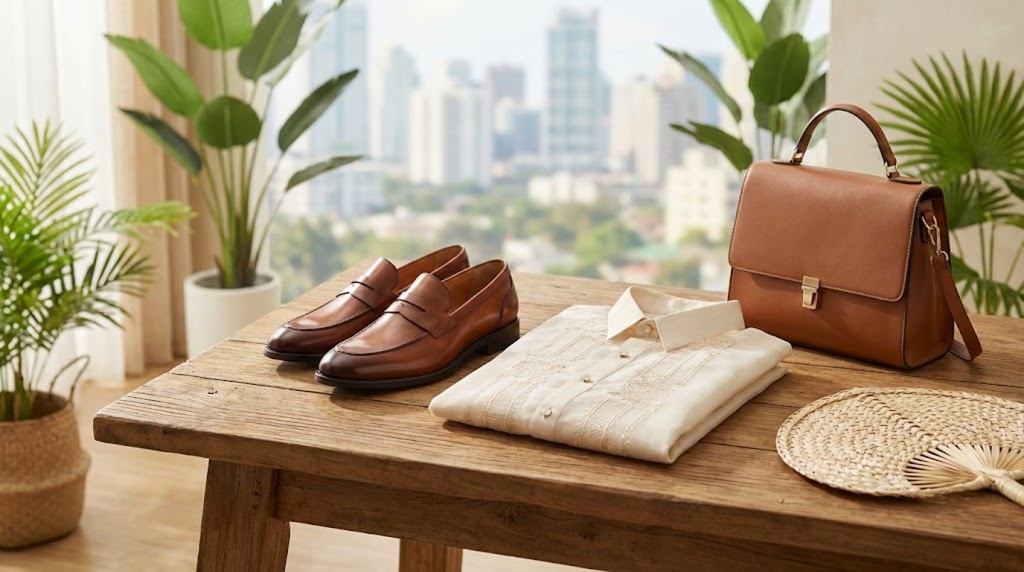
Luxury Barong Tagalog flat lay

Heritage Meets Trend: A Modern Filipino Styling Guide

Kumusta po, Kapamilya!

You’ve chosen a beautiful Barong Tagalog or a striking modern Filipiniana—crafted from Piña, Jusi, or Cocoon, rich with history and meaning. Then comes the modern styling question almost everyone asks:

Can I wear contemporary accessories without disrespecting tradition?

The answer is yes—when done thoughtfully.

At Handmade Kapamilya, we style grooms, wedding guests, and gala attendees who want to honor Filipino heritage while looking current, confident, and comfortable. Filipino formalwear isn’t frozen in time—it has always evolved alongside our people.

This guide will show you how to style a Barong Tagalog or Filipiniana with modern accessories while maintaining cultural authenticity.

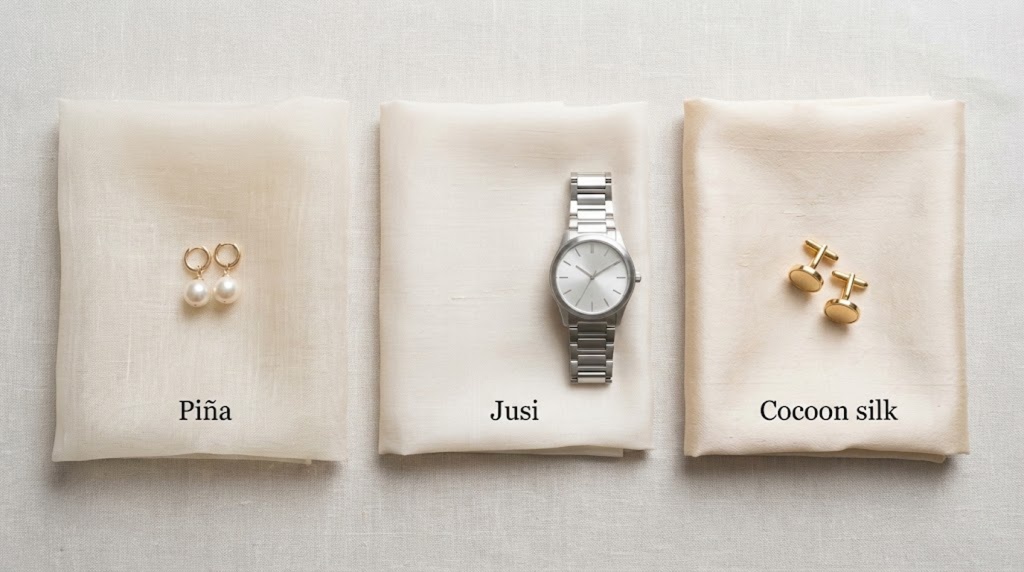
Silk textures with matching accessories

Mabuhay!

Why Modern Styling Works with Traditional Filipino Attire

The Barong Tagalog and Filipiniana were never static garments. Historically, they symbolized adaptation and resistance—from colonial constraints to global recognition.

Today, modern styling allows you to:

  • Express individuality without erasing tradition
  • Adapt to Western venues (ballrooms, gardens, lofts)
  • Stay comfortable during long weddings and formal events

Tradition sets the foundation. Styling tells your story.

How to Style a Modern Barong Tagalog (Men’s Guide)

The Barong Tagalog is intentionally minimal—your accessories define the final look.

1. What to Wear Under a Barong Tagalog

Traditional: Camisa de Chino (long-sleeved white undershirt)
Modern Options:

  • High-quality white V-neck (best for Cocoon or opaque Barongs)
  • Avoid visible crew necks at all costs

Style Tip:
Your undershirt sleeves should align with the Barong sleeves to prevent awkward layering.

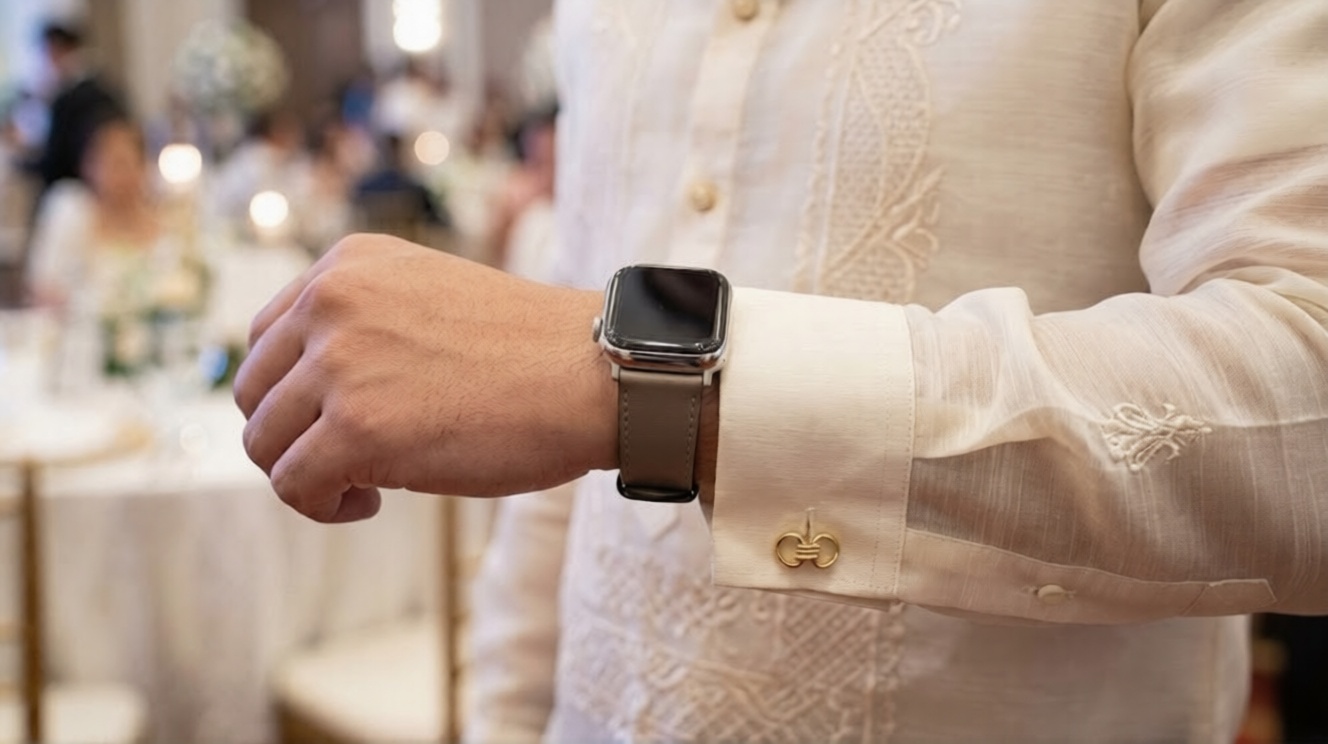
2. Watches & Smartwatches: What’s Acceptable?

Can you wear a smartwatch with a Barong Tagalog?

  • Strictly formal / Barong Proper:
    Slim analog watch with leather strap
  • Semi-formal or cocktail events:
    Smartwatch only with leather or metal band
    Silicone or rubber straps (too sporty + snag risk)

Barong cufflinks with smartwatch

3. Shoes: Classic vs Modern

  • Formal: Polished black Oxfords or patent leather loafers
  • Contemporary / Filipiniana Casual:
    Minimalist white or black leather sneakers (clean, logo-free)

Rule of Balance:
Modern shoes require a shorter, modern-cut Barong to keep proportions sharp.

Styling Filipiniana with Contemporary Accessories (Women’s Guide)

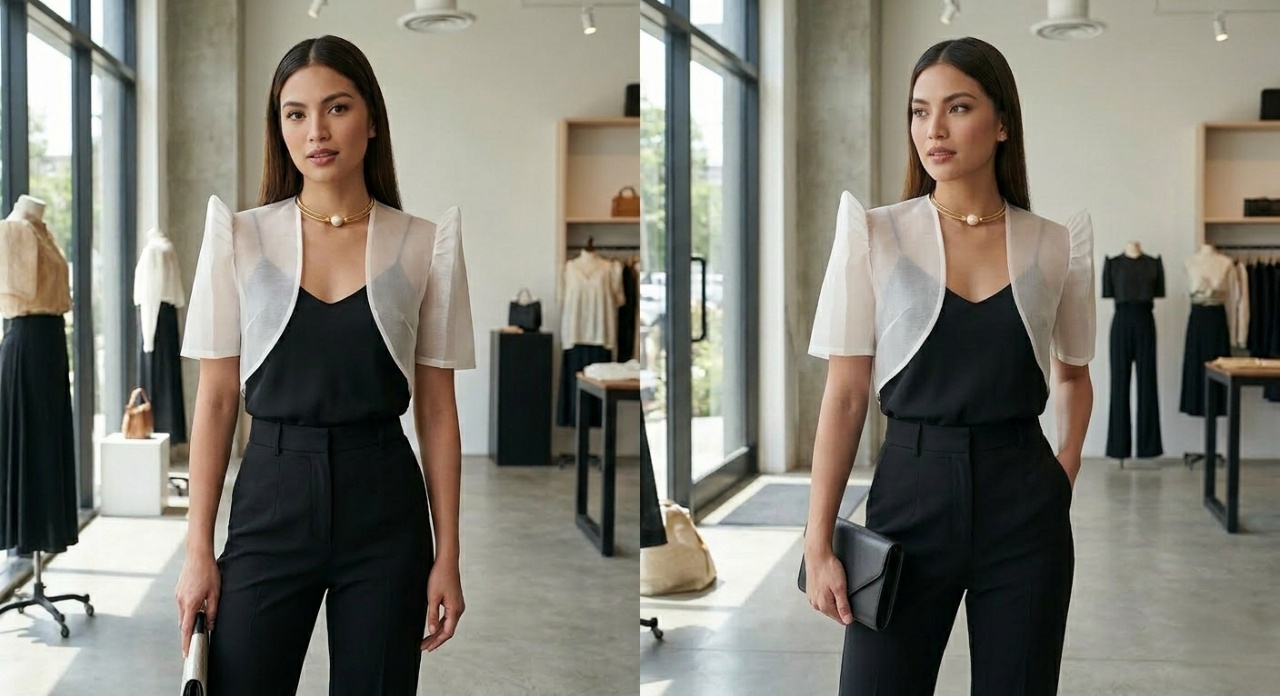
Modern Filipiniana celebrates structure, texture, and movement—accessories should enhance, not overwhelm.

1. Jewelry: Modern Takes on Filipino Elegance

  • Philippine South Sea Pearls in asymmetric or architectural settings
  • Layer heirloom gold with thin contemporary chains
  • Use Capiz or mother-of-pearl for garden or daytime weddings

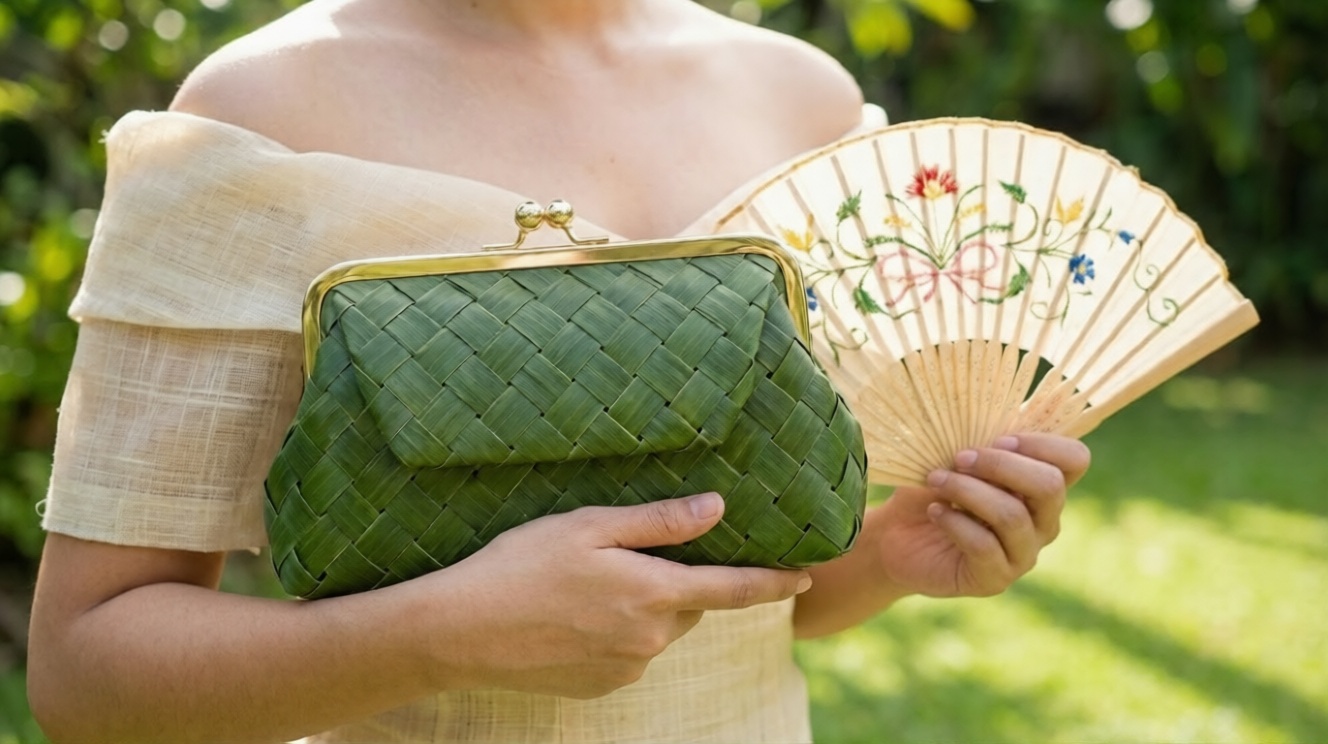
2. The Pamaypay (Fan) as a Style Statement

A fan is both functional and fashionable.

  • Upgrade to embroidered abaniko or indigenous textiles (Inabel, T’nalak)
  • Pair with a modern clutch that can secure the fan when not in use

3. Handbags That Complement Filipiniana

Avoid oversized leather bags.

Best choices:

  • Structured clutches (Rattan, Buntal, Capiz)
  • Modern hardware finishes (gold or brushed metal)
  • Use color intentionally—Filipino red, indigo, or deep emerald

Modern Filipiniana with T'nalak clutch

Matching Accessories to Barong & Filipiniana Fabrics

Fabric

Best Accessories

Why

Piña

Heirloom jewelry, gold, silk

Most formal, deserves restraint

Cocoon Silk

Modern watches, leather shoes

Structured fabric handles sharp lines

Jusi / Organza

Minimalist silver or white gold

Light fabric pairs best with subtle accents

Linen / Ramie

Sneakers, wooden beads

Ideal for casual or office Barong looks

Styling Mistakes to Avoid (Important!)

  • ❌ Wearing a tie with a Barong (never appropriate)
  • ❌ Over-accessorizing—embroidery is the statement
  • ❌ Visible undershirts at the neckline
  • ❌ Mixing gold and silver tones inconsistently

Cultural Etiquette: Wearing Filipino Attire with Respect

Modernization is welcome—but respect is essential.

  • Barongs should be worn untucked
  • Undershirts are mandatory
  • Garments should always look intentional, not costume-like

As echoed in Filipino communities worldwide, pride comes from seeing tradition worn properly, even when styled creatively.

Conclusion: Tradition Is the Foundation—Style Is the Expression

When you mix contemporary accessories with traditional Filipino clothing, you’re not breaking tradition—you’re continuing it.

Your Barong or Filipiniana tells a story of heritage.
Your styling tells the story of who you are today.

At Handmade Kapamilya, we create the canvas—timeless, artisan-crafted Filipino formalwear designed for modern lives.

Ready to style your story?
Explore our Exclusive Barong Tagalog Collection or discover Modern Filipiniana & Boleros crafted for today’s celebrations.

Internal Linking Opportunities

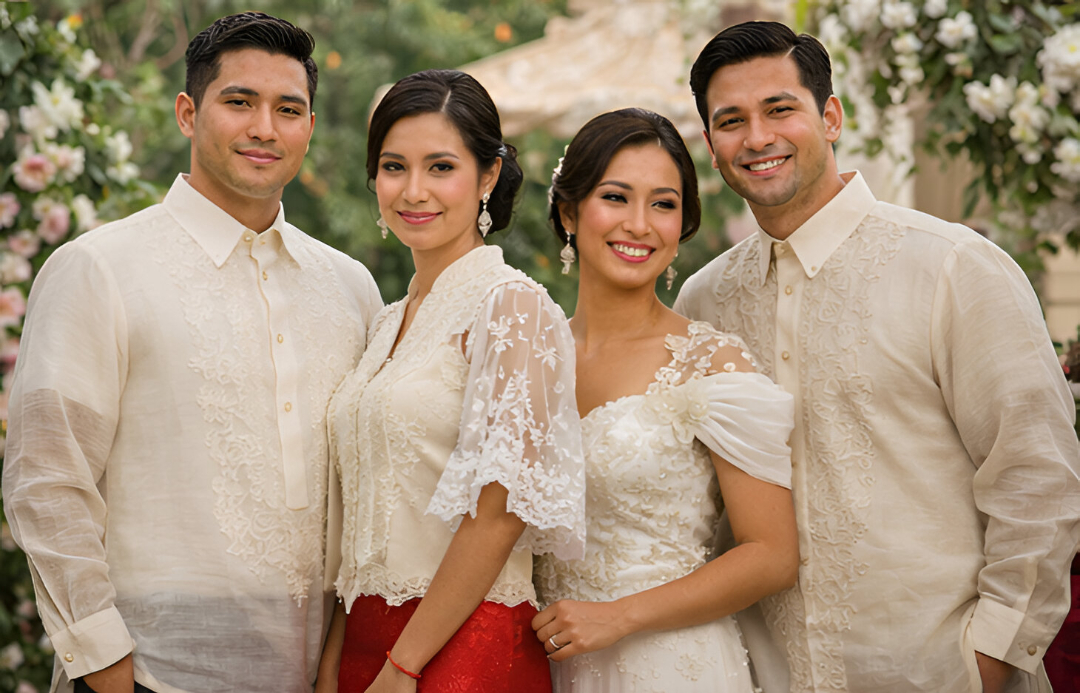
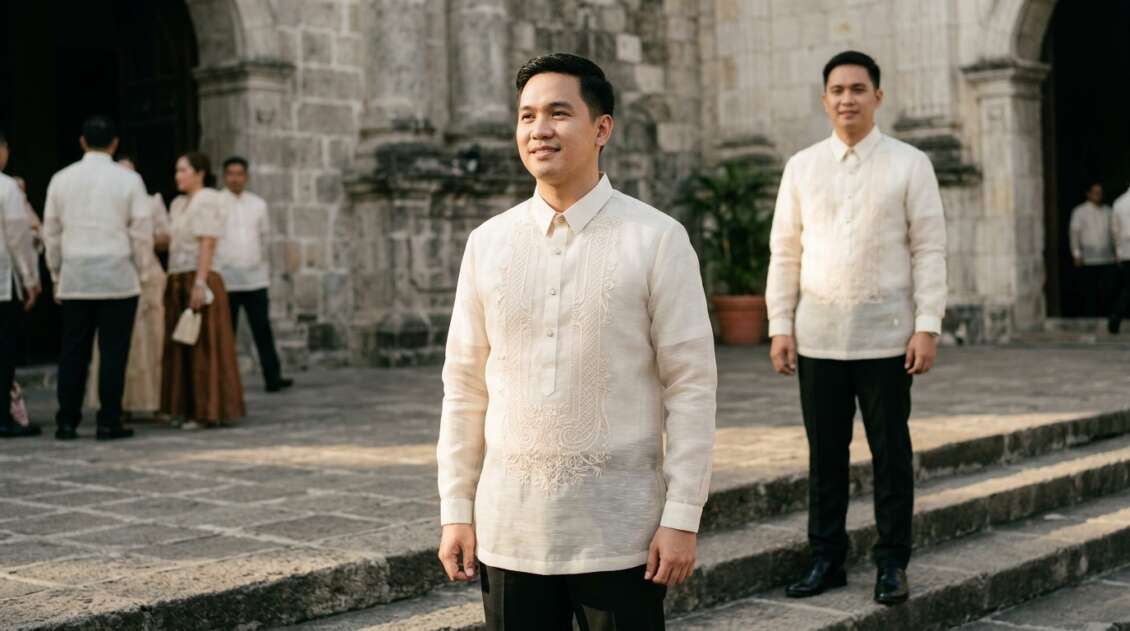
Filipino Formalwear Group Portrait

Barong Tagalog: From Roots to Modern Formalwear

Mabuhay po! Whether you’re a groom preparing for your wedding, a guest at a high-profile gala, or a Fil-Am reconnecting with your roots, wearing a Barong Tagalog is more than fashion. Indeed, it is a statement of pride, identity, and history.

At Handmade Kapamilya, we believe that understanding the story behind this iconic garment enhances the confidence with which you wear it. Therefore, this guide explores the rich history of the Barong Tagalog, tracing its journey from pre-colonial kangan to modern formalwear.

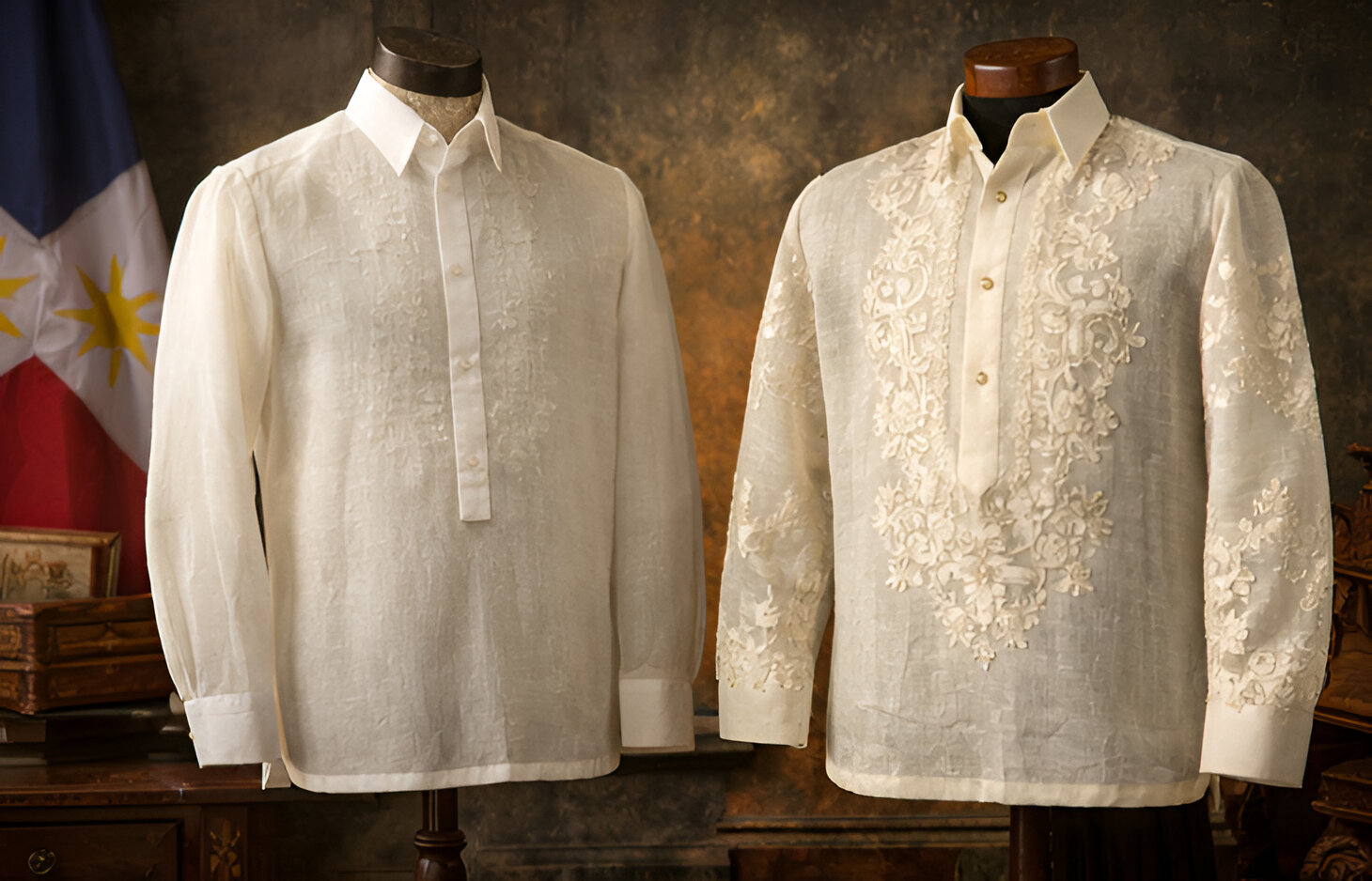
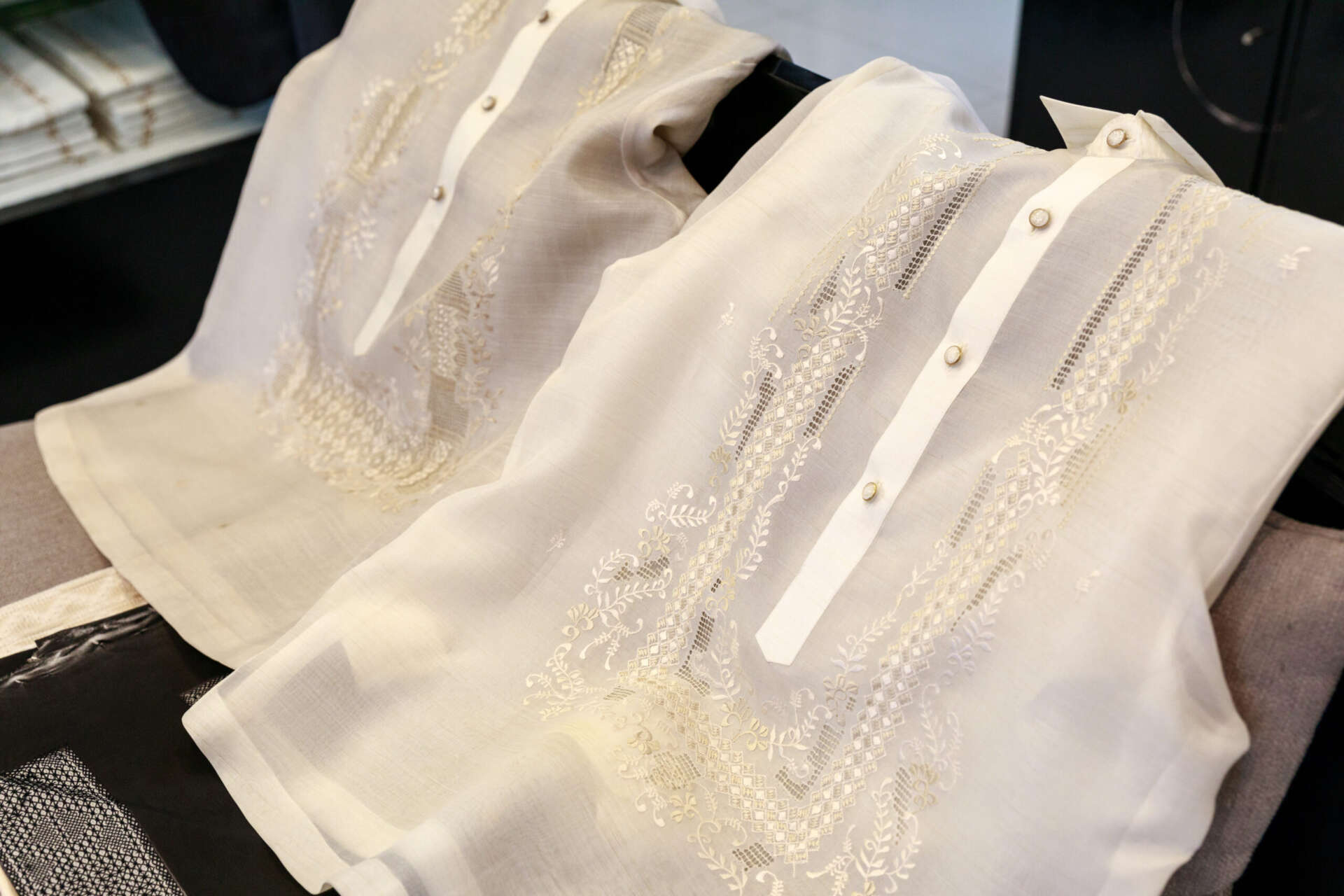
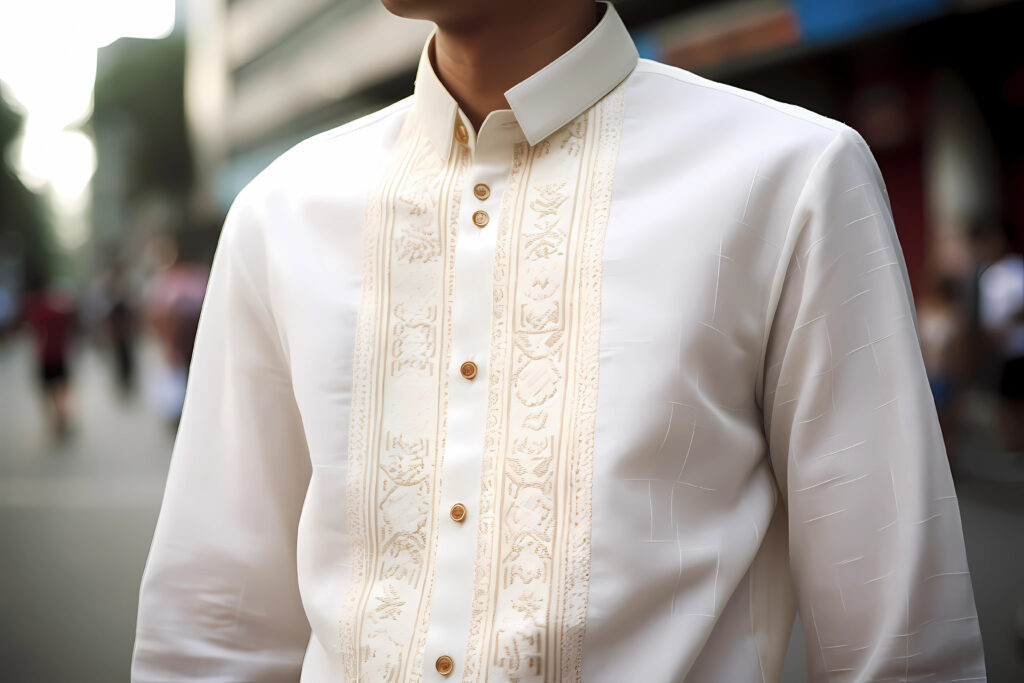
Two piña fabric Barong Tagalog

1. Pre-Colonial Kangan: Origins of Filipino Elegance

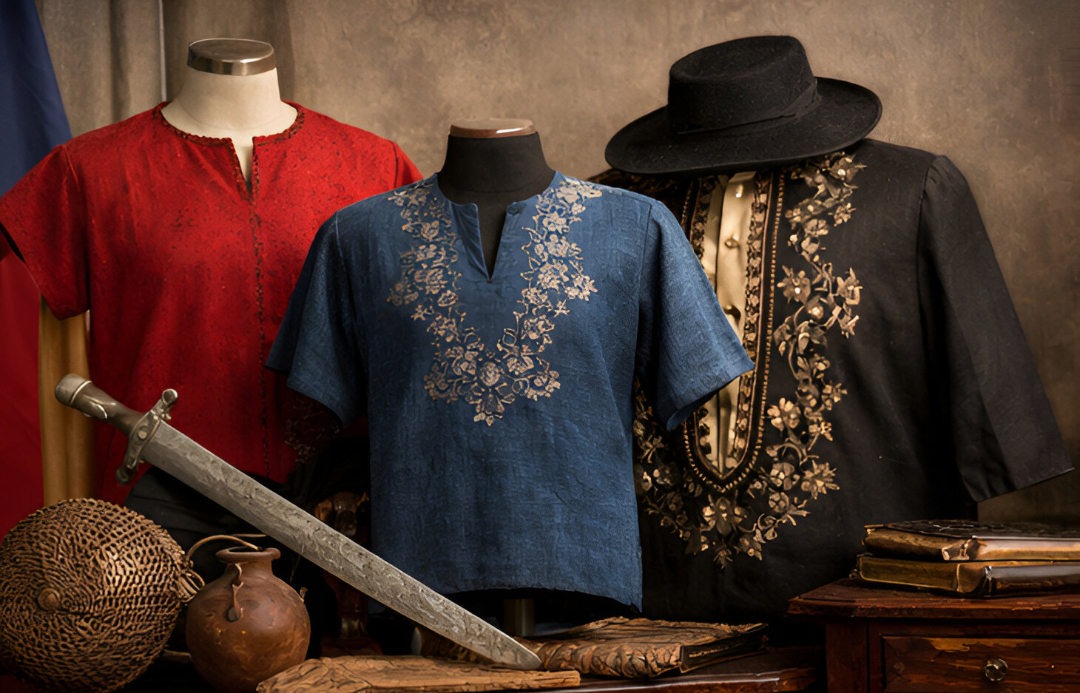
Long before Spanish colonizers arrived, Filipino men in the Tagalog region wore the kangan, collarless, short-sleeved shirts suitable for tropical heat. Interestingly, colors reflected social rank: chiefs wore red, while commoners wore blue or black.

Key Features:

  • Fabric & Function: Crafted from rough abaca or linen-like fibers, the shirts were breathable and ideal for humid climates.

  • Evolution to Baro: These simple, loose-fitting shirts laid the foundation for today’s Barong Tagalog silhouette.

Ultimately, the Barong’s essence has always been comfort and cultural identity.

2. Spanish Colonial Era: Tradition Meets European Influence

A common myth suggests that Spanish authorities mandated the untucked, sheer Barong to differentiate locals from Europeans and prevent concealed weapons. While partially true, practical adaptations to the tropical climate also played a significant role.

Developments During This Era:

  • Untucked Style: Functional for heat, it becomes symbolic over time.
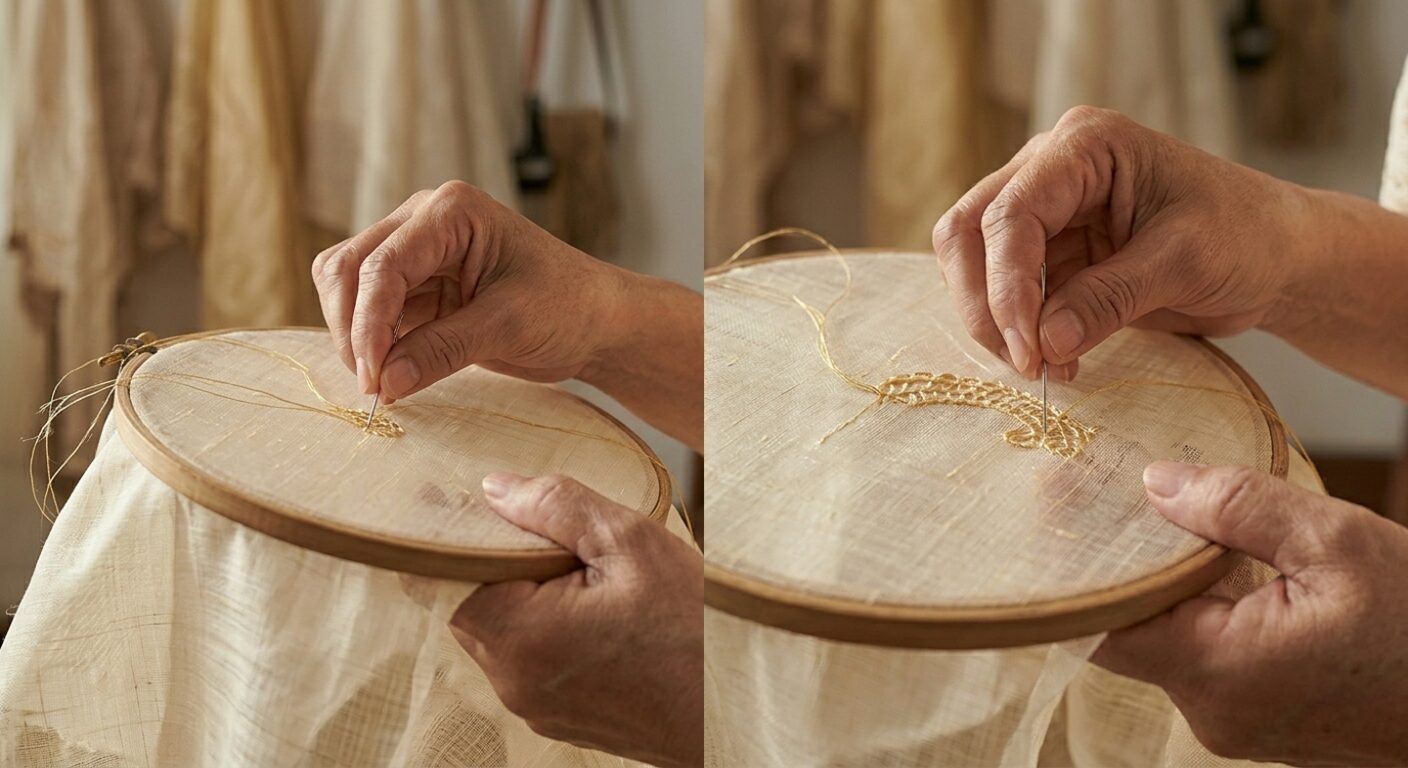
  • Lace & Embroidery: The introduction of collars and delicate calado hand embroidery transformed the Barong into wearable art.

As a result, the garment merged tradition with European influence.

3. 19th Century: The Rise of the Ilustrados

By the 1800s, the Barong symbolized the Ilustrados—educated, affluent Filipinos. High collars, intricate chest embroidery (pechera), and luxurious fabrics defined this era.

Fabric Innovations:

  • Piña Fabric: Golden age of pineapple fiber for elegance.
  • Jusi (Silk): Labor-intensive and luxurious, elevating the Barong to a status symbol.

Cultural Identity:
During revolutionary movements, the Barong quietly conveyed Filipino pride and resistance against colonial rule.

4. American Commonwealth Era: Naming & National Recognition

The term Barong Tagalog officially emerged in the early 20th century, meaning “Tagalog shirt.” Its status further evolved when President Ramon Magsaysay wore a Barong at his 1953 inauguration.

Impact:

  • Popularization: Symbol of the “people’s president.”
  • Classic Style Standardized: Long sleeves, open or half-open front, and a distinct collar become the standard.

Consequently, the Barong became a national emblem.

5. Modern Evolution: 21st Century Barong Tagalog

Today, the Barong blends tradition and innovation, offering options for weddings, galas, and even casual wear.

Modern Fabrics:

  • Cocoon Silk: Durable yet elegant alternative to Piña.
  • Organza: Lightweight and affordable, ideal for casual events.
  • Linen/Ramie: Practical for office or everyday Barongs.

Traditional Filipino Attire Exhibit

Inclusion & Gender Fluidity:

Women’s Barongs and Filipiniana-inspired dresses expand accessibility and relevance, making the garment inclusive and modern.

The Handmade Kapamilya Difference

While mass-produced Barongs exist, Handmade Kapamilya emphasizes craftsmanship. In addition:

  1. Hand-Guided Embroidery: Artisan-made in Lumban, Laguna.
  2. Bespoke Fit: Perfect shoulder drop, cuff length, and tailored silhouette.
  3. Preserving Legacy: Each piece honors centuries of Filipino history.

Choosing Your Barong by Occasion

  • Weddings (Groom): Piña-Suksuk or Piña-Seda with calado embroidery.
  • Formal Events: Cocoon Silk for black-tie Filipino gatherings.
  • Office/Church: Short-sleeved Linen or Jusilyn Barongs for everyday pride.

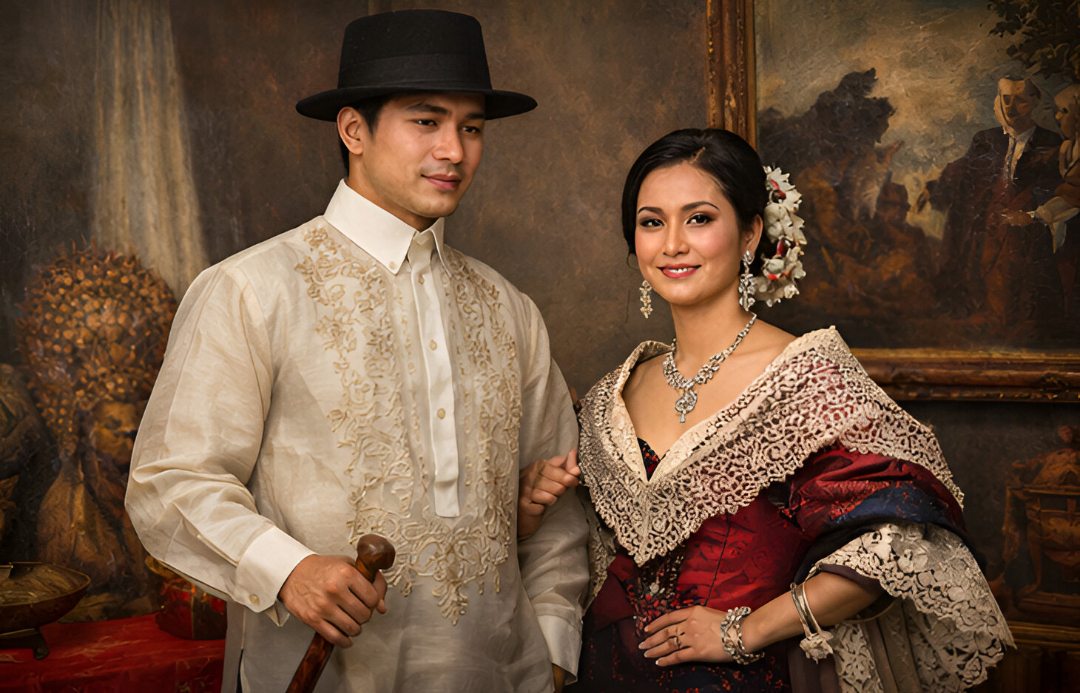
Traditional Filipino Wedding Attire

Conclusion: Wear Your Story

The Barong Tagalog is more than attire—it embodies 500 years of Filipino culture, resilience, and artistry. At Handmade Kapamilya, you’re not just buying a shirt; you’re wearing history.

Ready to own your piece of history?

Further Reading:

Barong Tagalog for Men: Embracing Time-Honored Traditions

Barong Tagalog for Men: A Journey Through Time-Honored Traditions

Embrace the heritage and pride of the Philippines with the Barong Tagalog for men. This iconic garment is more than clothing; it’s a symbol of tradition. Over generations, this timeless attire has been a cornerstone of Filipino customs. Join us as we explore the world of Barong Tagalog traditions and the profound cultural significance they hold.

Barong Tagalog for Men
Traditional Barong Tagalog for Men

Weddings: Elevating Barong Tagalog Beside the Bride’s Gown

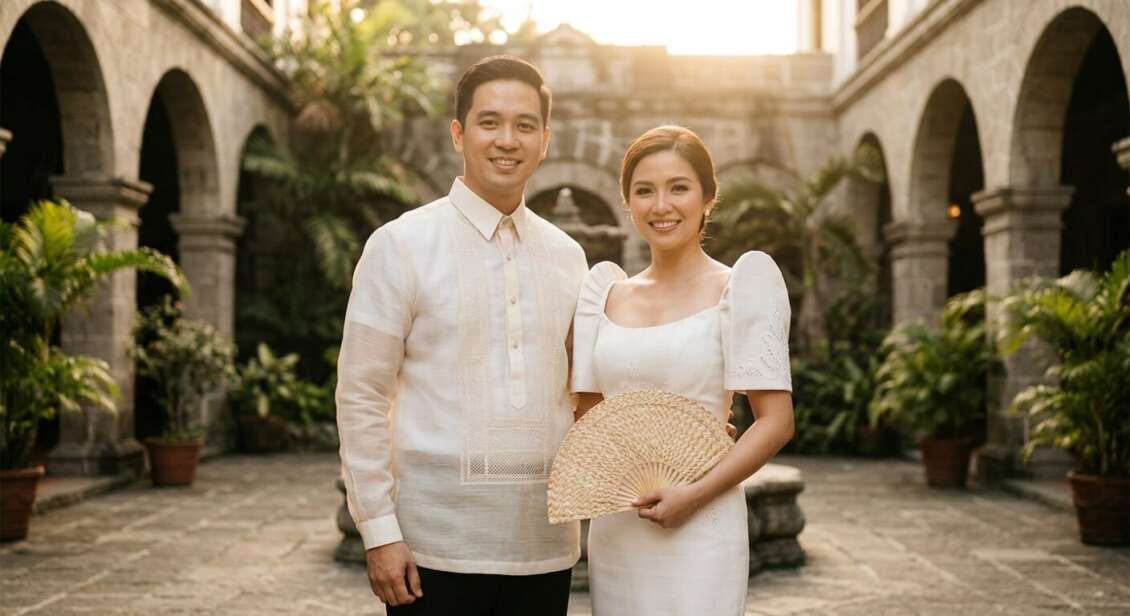
In the realm of Filipino weddings, the Barong Tagalog for men takes a prominent role alongside the bride’s gown. As a symbol of elegance and formality, it’s often the groom’s attire of choice. Its intricate embroidery and impeccable craftsmanship complement the bride’s gown, creating a harmonious ensemble that signifies unity and shared heritage. The Barong Tagalog signifies the groom’s embrace of Filipino culture as he embarks on a new chapter of life.

Filipino Wedding
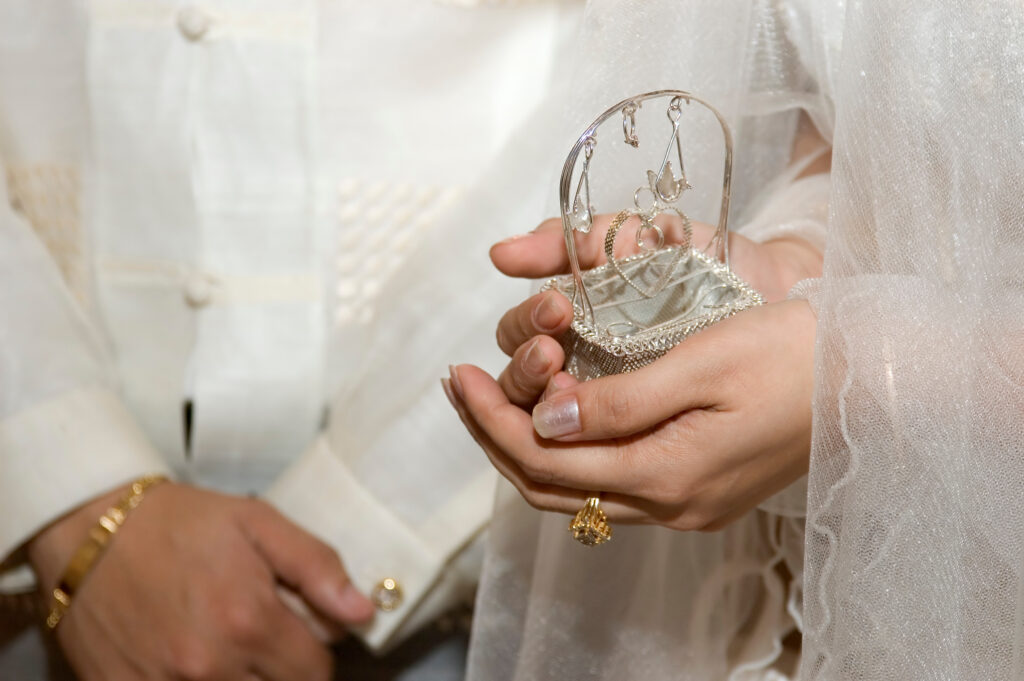
Bride holding the arras given by the groom

Cultural Festivals: A Canvas of Heritage

Within vibrant cultural festivals and traditional celebrations, the Barong Tagalog shines as a beacon of Filipino identity and artistic expression. Its intricate designs and opulent fabrics mirror each region’s unique heritage and customs. From the elaborate Piña Barongs that grace Visayan festivals to the Jusi Barongs adorned with intricate motifs during local fiestas, the Barong Tagalog paints a vivid picture of Filipino diversity and innovation. These festivals serve as platforms for skilled artisans to showcase their talents, ensuring the art of crafting Barongs endures across generations.

Government and Formal Events: A Mark of Respect

The Barong Tagalog for men stands as the Philippines’ national formal attire, often worn by government officials during official functions and formal events. Its significance extends beyond fashion; it’s a symbol of respect for Filipino traditions and culture. During national holidays, ceremonies, and state visits, the Barong Tagalog becomes an emblem of the nation’s identity, inspiring unity and pride among Filipinos.

Family Celebrations: Passing Down a Legacy

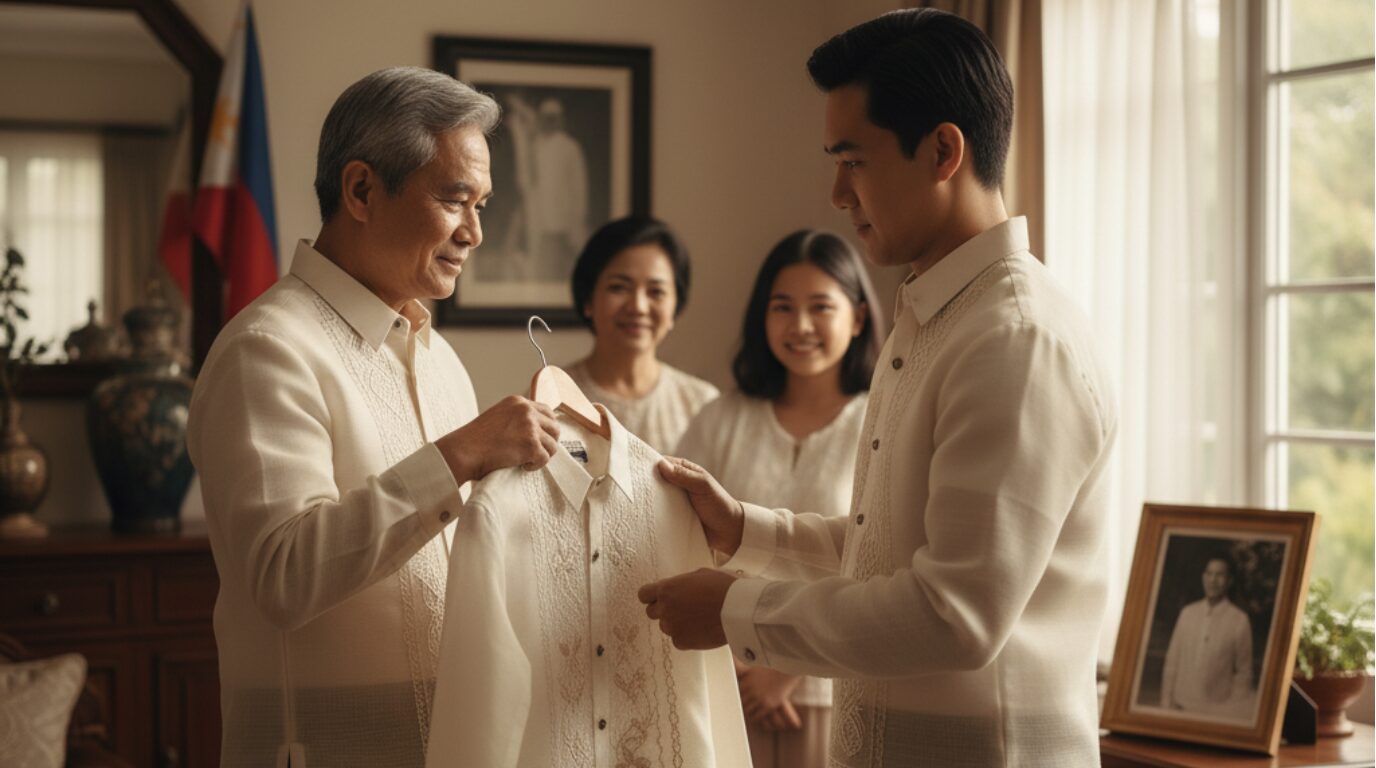
Barong Tagalog traditions are cherished not only during significant events but also within families. Fathers commonly pass down their Barongs to their sons, fostering a sentimental connection to the past and ensuring continuity. Family gatherings and special occasions offer opportunities for the younger generation to wear their heritage with pride, paying homage to their ancestors and carrying forward an enduring legacy.

Barong Tagalog as a Gift: An Emblem of Affection

Gifting a Barong Tagalog is a gesture of love and appreciation. During milestone events like birthdays, graduations, or anniversaries, loved ones often present Barongs to express their affection. Giving a Barong Tagalog signifies a desire to share Filipino heritage and culture, forging a meaningful bond that transcends generations.

Gift - Barong Tagalog for Men
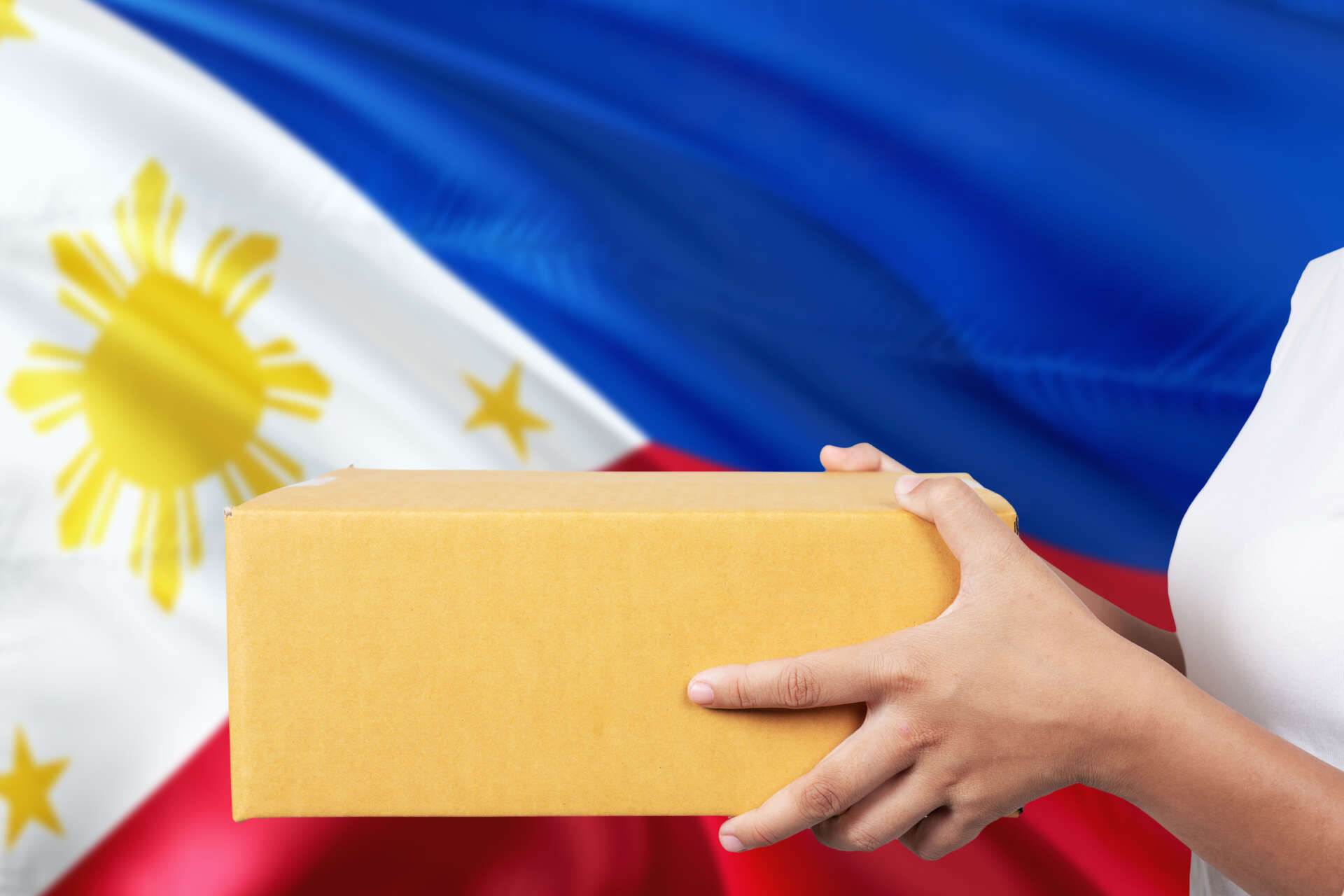
Woman giving Barong Tagalog as a gift isolated on national flag background.

Conclusion: The Enduring Allure of Barong Tagalog Traditions

Our journey through Barong Tagalog traditions reveals a vibrant and enduring cultural heritage. This beloved Filipino attire captivates hearts not only for its beauty and grace but also for the customs it represents.

Whether adorning weddings, festivals, formal gatherings, or intimate family moments, the Barong Tagalog for men serves as a conduit, connecting Filipinos to their shared history and the promise of a dynamic future. It remains a reminder of the importance of safeguarding cultural traditions and nurturing pride in one’s ancestry.

As the Barong Tagalog maintains its position in Filipino life, it weaves itself into the fabric of Filipino identity—a timeless tradition that resonates within the proud hearts of a nation.

Filipiniana Dress Modern

Filipiniana Dress Modern to Traditional

Exploring the Diverse Types of Filipinianas Dress Modern to Traditional

The Filipiniana dress modern to traditional has a wide array of styles, with its enchanting allure and rich cultural heritage, which is a testament to the timeless beauty of Filipino fashion. Throughout history, this traditional ensemble has undergone various transformations, resulting in a plethora of captivating styles that capture the essence of the Philippines’ diverse regions and influences. Let’s embark on a journey through the enchanting world of Filipinianas and discover the different types that make this attire so special.

Filipiniana Dress Modern

Terno: The Iconic Butterfly Sleeves

No discussion of Filipinianas is complete without mentioning the iconic terno. Known for its distinctive butterfly sleeves that gracefully extend from the shoulders, the terno is a symbol of elegance and sophistication. This type of Filipiniana has its origins in the Spanish colonial era but has evolved over time, showcasing various sleeve lengths, fabrics, and intricately embroidered patterns. The terno is often the attire of choice for formal events, weddings, and high-profile gatherings, representing the epitome of Filipino grace.

Maria Clara: A Nod to the Past

The Maria Clara Filipiniana, also referred to as “baro’t saya,” pays homage to the pre-colonial era. It comprises a baro (blouse) adorned with delicate embroidery and a saya (skirt) with intricate patterns. The Maria Clara ensemble reflects the fusion of native Filipino aesthetics with Spanish influences, creating a captivating and timeless look. This type of Filipiniana is often worn during cultural celebrations and traditional events, exuding a sense of historical charm.

Mestiza Dress: Filipiniana Dress Modern Fusion

The Mestiza Dress is a modern iteration of the Filipiniana, blending traditional elements with contemporary style. This type of Filipiniana often features a fusion of fabrics, combining indigenous materials like piña or jusi with modern textiles. The Mestiza Dress strikes a balance between elegance and comfort, making it suitable for both formal occasions and casual gatherings. With its versatility and adaptability, the Mestiza Dress has become a popular choice for modern Filipino women seeking to embrace their heritage.

Mestiza - Filipiniana Dress Modern

Kimona and Patadyong: Visayan Heritage

The Visayan region of the Philippines boasts its unique Filipiniana styles. The Kimona, a loose-fitting blouse, is often paired with the Patadyong, a tube skirt characterized by its vibrant colors and intricate patterns. This combination showcases the vibrant and festive spirit of the Visayan culture, reflecting the region’s love for vibrant hues and elaborate embroidery. The Kimona and Patadyong are commonly worn during local festivals and cultural events, presenting a beautiful fusion of tradition and celebration.

Mindanao-inspired Malong Dress

From the island of Mindanao comes the Malong Dress, which embraces the versatile malong fabric. The malong is a tubular cloth with bold and vivid patterns, traditionally used by various ethnic groups in Mindanao. The Malong Dress creatively transforms this fabric into a chic and stylish ensemble, offering a unique and eye-catching twist on the classic Filipiniana. With its comfortable and flowing design, the Malong Dress celebrates the beauty of Mindanao’s cultural heritage.

Maling Dress

Conclusion: An Endless Tapestry of Filipino Dress Modern to Traditional Elegance

The diverse types of Filipinianas, each with its unique characteristics and cultural influences, weave together a tapestry of Filipino elegance and heritage. From the iconic terno’s butterfly sleeves to the colorful Kimona and Patadyong of Visayas, and the modern fusion of the Mestiza Dress, every Filipiniana tells a story of history, artistry, and pride.

As Filipinos embrace their cultural identity through these exquisite ensembles, the Filipiniana continues to evolve, reflecting the nation’s ever-changing landscape while preserving the essence of its vibrant past. Whether worn for formal occasions, traditional celebrations, or everyday fashion, the Filipiniana stands as a testament to the enduring charm and elegance that define Filipino fashion and the timeless spirit of the Filipino people.

Filipiniana Traditions

Filipiniana Traditions: Weaving the Threads of Cultural Heritage

Filipiniana traditions are an exquisite tapestry of customs and practices that reflect the rich and diverse cultural heritage of the Philippines. Through generations, these cherished traditions have become an integral part of Filipino life, celebrating the nation’s history, values, and identity. Let’s unravel the vibrant fabric of Filipiniana traditions and discover the beauty and significance they hold.

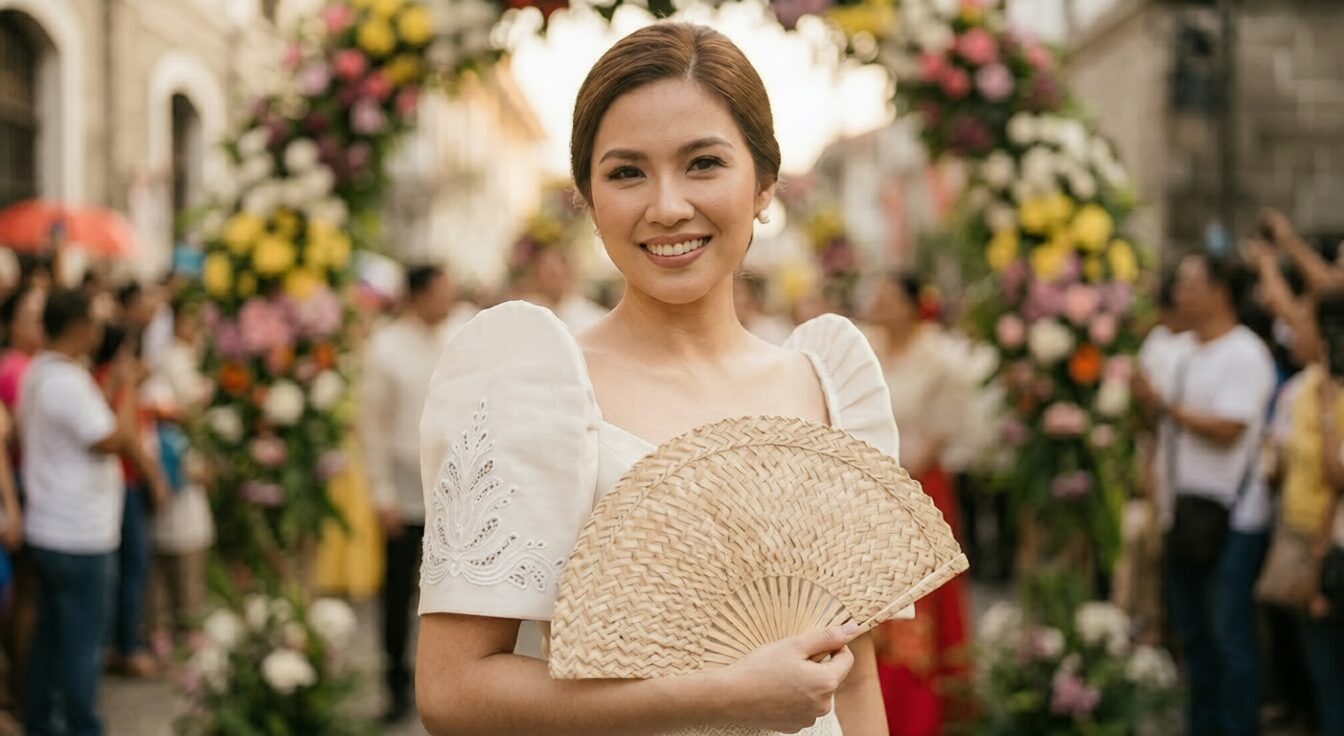
Elegant Young Woman
A pretty and elegant young woman holding a red fan. Shot outdoors at a park.

Flores de Mayo: A Floral Filipiniana Extravaganza

Flores de Mayo, or the “Flowers of May,” is a cherished Filipino tradition celebrated throughout the entire month of May. This religious and cultural event pays homage to the Virgin Mary and honors her with colorful and elaborate floral offerings. Young women and girls, dressed in their finest Filipiniana attire, participate in processions and parades, carrying ornate bouquets and delicately woven garlands. Flores de Mayo showcases the Filipinos’ deep devotion and appreciation for the beauty of nature, artistry, and spirituality.

Santacruzan: A Graceful Filipiniana Pageant

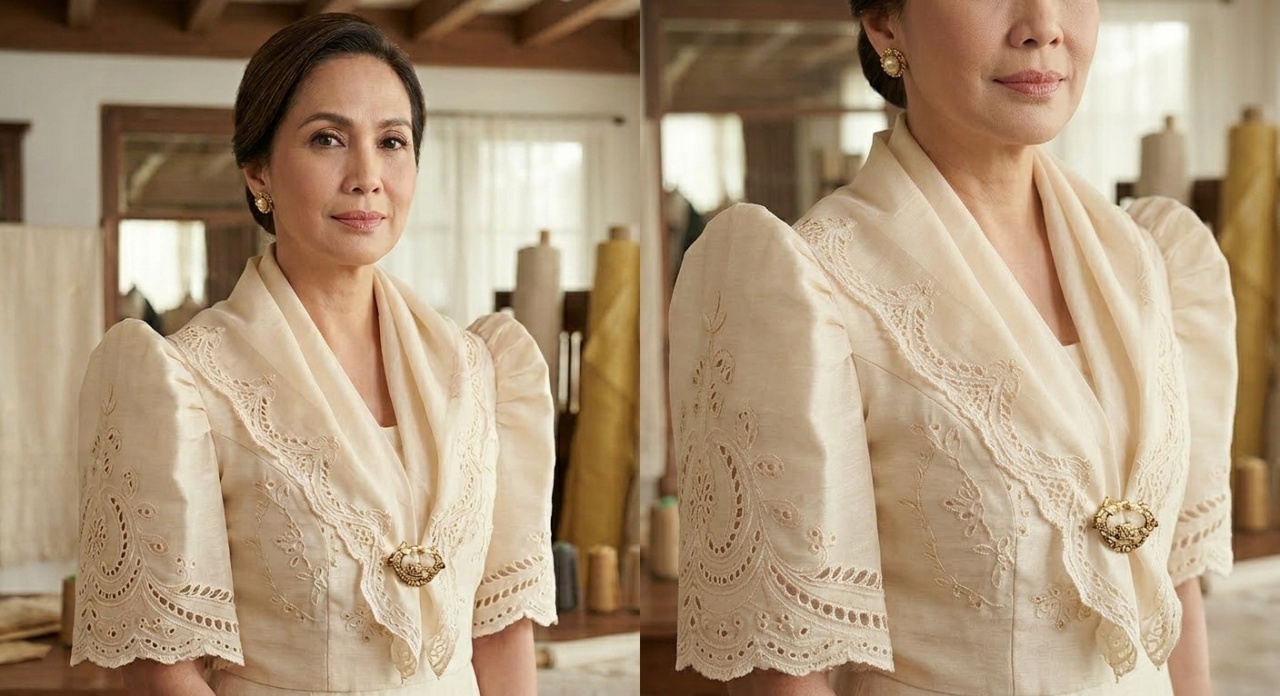
Santacruzan is a grand pageant held in May, typically towards the end of the Flores de Mayo celebrations. This tradition commemorates the discovery of the Holy Cross by Empress Helena, the mother of Constantine the Great. The event features a procession of young ladies, each representing a biblical character or a religious figure, elegantly dressed in their finest Filipiniana gowns and carrying symbolic attributes. The Santacruzan embodies grace, beauty, and faith, creating a spectacle that unites communities and strengthens religious ties.
Beautiful Filipinina

Barrio Fiesta: The Heart of Community Bonding

The Barrio Fiesta is a beloved Filipino tradition that brings communities together to celebrate their local culture and heritage. This fiesta typically takes place during town or village festivals, where residents showcase their talents, culinary delights, and vibrant Filipiniana costumes. The festivities include traditional dances, music performances, and colorful parades that depict the richness of Filipino art and culture. The Barrio Fiesta fosters a sense of camaraderie and unity, creating memories that last a lifetime.

Pahiyas Festival: A Feast for the Senses

The Pahiyas Festival celebrated in the town of Lucban in Quezon province, is a splendid display of artistry and gratitude for a bountiful harvest. Homes are adorned with colorful rice wafers, kiping, and an array of fresh fruits, vegetables, and native products. Filipiniana costumes are proudly worn by locals as they participate in lively street dances and processions, expressing their appreciation for nature’s bounty. The Pahiyas Festival is a visual feast that captures the essence of Filipino creativity and agricultural traditions.

Filipino Weddings: Embracing Tradition and Love

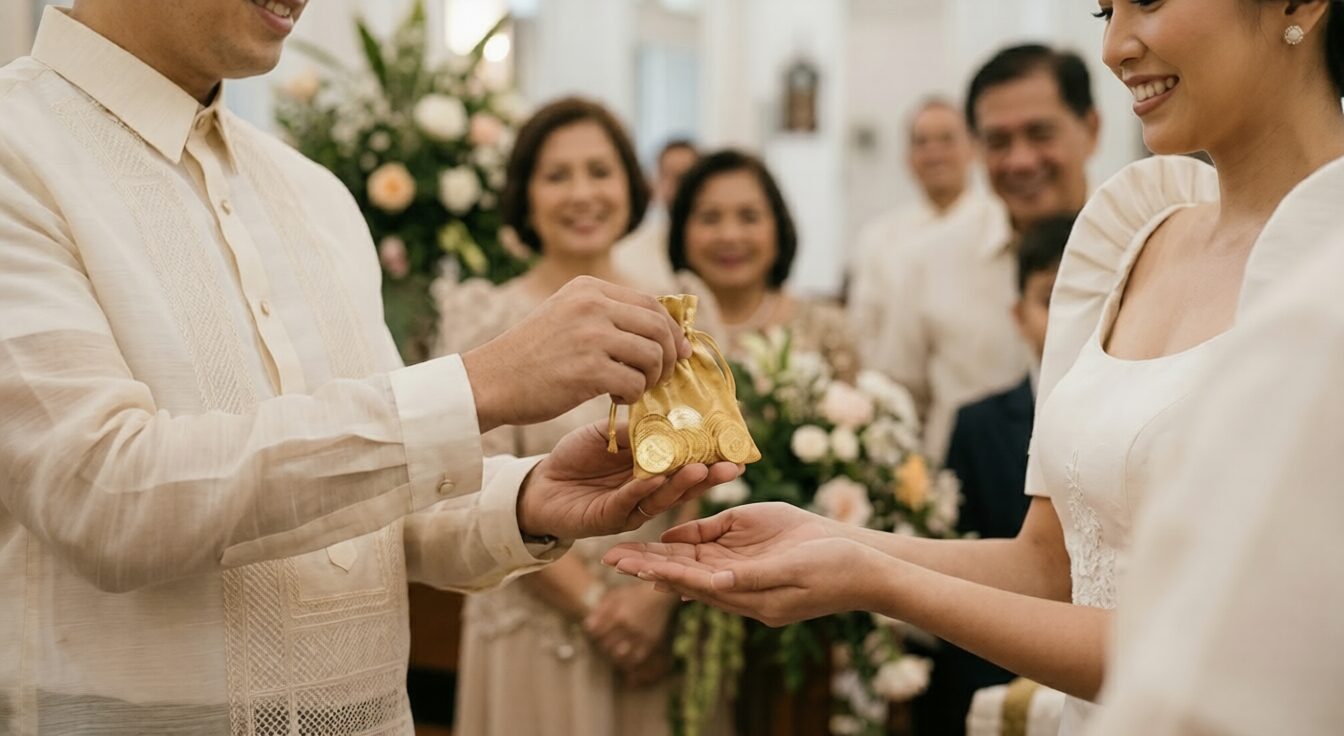
Filipino weddings are steeped in tradition and cultural customs that highlight the unity of two families. The bride often wears a Filipiniana-inspired gown, embracing the elegance of traditional styles like the terno or Maria Clara. The Barong Tagalog, worn by the groom, exudes sophistication and respect for Filipino heritage. During the wedding ceremony, coins, candles, veils, and cords are used to symbolize unity, prosperity, faith, and the everlasting bond of love. Filipino weddings celebrate not only the love between the couple but also the importance of family and community support.

Filipiniana Worn in Wedding
Bride holding the arras given by the groom

Conclusion: Embracing the Colors of Filipino Heritage

Filipiniana traditions are a kaleidoscope of colors, each representing a unique facet of Filipino identity and culture. These cherished customs serve as a tapestry that weaves the threads of history, artistry, and spirituality into the fabric of Filipino life.

As Filipinos partake in the joyous festivities of Flores de Mayo, Santacruzan, Barrio Fiesta, Pahiyas Festival, and weddings, they celebrate the beauty of their homeland and the shared bonds of their communities. These traditions are not only a reflection of the past but also a promise to preserve and pass on the vibrant heritage to future generations.

Through the celebration of these timeless customs, Filipiniana traditions keep the spirit of the Philippines alive, instilling a sense of pride in being part of a nation with a rich cultural legacy. As Filipinos continue to embrace their colorful traditions, they form an unbreakable connection to their roots and the essence of being Filipino – a people united by a shared history, customs, and love for their vibrant and diverse homeland.

Barong Tagalog Traditions

Embracing Barong Tagalog: A Journey Through Time-Honored Traditions

The Barong Tagalog, an exquisite and iconic Filipino garment, is more than just a piece of clothing; it is a symbol of cultural heritage and pride. Through generations, this traditional attire has been at the heart of various time-honored Filipino customs and traditions. Let’s delve into the captivating world of Barong Tagalog traditions and discover the rich cultural significance they hold.

Weddings: The Barong Tagalog and the Bride’s Gown

In Filipino weddings, the Barong Tagalog takes center stage alongside the bride’s gown. As a classic symbol of Filipino elegance and formality, the Barong Tagalog is often the attire of choice for grooms during the ceremony. It’s intricate embroidery and fine craftsmanship perfectly complement the bride’s gown, creating a harmonious and stylish ensemble that signifies the couple’s unity and shared heritage. The Barong Tagalog embodies the groom’s commitment to embracing Filipino culture and traditions as he embarks on a new chapter in life.

Weddings are part of Barong Tagalog Traditions
Bride holding the arras given by the groom. Groom wearing a Barong Tagalog.

Cultural Festivals: A Showcase of Heritage

During vibrant cultural festivals and traditional celebrations, the Barong Tagalog shines as a symbol of Filipino identity and artistic expression. The intricate designs and rich fabrics reflect the region’s distinct heritage and customs. Whether it’s the elaborate Piña Barongs of the Visayan festivals or the Jusi Barongs adorned with intricate patterns during local fiestas, the Barong Tagalog serves as a living canvas of Filipino diversity and creativity. These festivals provide a platform for talented artisans to showcase their skills, ensuring the art of crafting Barongs is passed down through generations.

Government and Formal Events: A Mark of Respect

The Barong Tagalog is the national formal attire for men in the Philippines, and it is often worn by government officials during official functions and formal events. Its significance extends beyond fashion; it represents the wearer’s respect for Filipino traditions and culture. During national holidays, ceremonies, and state visits, the Barong Tagalog becomes a powerful emblem of the nation’s identity, evoking a sense of unity and pride among the Filipino people.

Phillipines Traditions in Government

Family Celebrations: Passing Down a Legacy

Barong Tagalog traditions are not only observed during major events but also cherished within families. It is common for fathers to pass down their Barongs to their sons, creating a sentimental connection to the past and instilling a sense of continuity. Family gatherings and special occasions become opportunities for the younger generation to wear their heritage with pride, paying homage to their ancestors and carrying on a timeless legacy.

Barong Tagalog as a Gift: Symbol of Affection

Gifting a Barong Tagalog is a gesture of affection and appreciation. During significant life events like birthdays, graduations, or anniversaries, loved ones often present Barongs to express their love and admiration. The act of giving a Barong Tagalog symbolizes a desire to share Filipino heritage and culture with someone special, creating a meaningful bond that transcends generations.

Barong Tagalog Traditions of Gift Giving
Philippines gift giving. A woman giving a Barong Tagalog as a gift with the national flag in the background.

Conclusion: The Enduring Charm of Barong Tagalog Traditions

As we traverse through the tapestry of Barong Tagalog traditions, we discover a vibrant and enduring cultural heritage. This cherished Filipino attire continues to captivate hearts, not only for its beauty and elegance but also for the deep-rooted traditions it represents.

Whether worn during weddings, festivals, formal events, or intimate family gatherings, the Barong Tagalog serves as a conduit that connects Filipinos to their shared past and the promise of a vibrant future. It stands as a reminder of the importance of preserving cultural customs and instilling a sense of pride in one’s heritage.

As Barong Tagalog continues to be an integral part of Filipino life, it weaves its way into the fabric of Filipino identity, a timeless tradition that resonates with the hearts of a proud nation.

Barong Tagalog Types

Discovering the Elegance of Barong Tagalog Types

The world of Barong Tagalog types may seem unfamiliar to many, but fear not! Let’s take a closer look at these exquisite materials to help you find the perfect Barong for your needs.

Much like other garments, the Barong Tagalog comes in various fabric types, each possessing unique qualities such as Organza, Jusi, Pina, and more. These fabrics vary in quality, softness, opaqueness, thickness, price, and other factors. Let’s explore the most common types and understand their advantages and disadvantages.

Organza Barong: Affordable Elegance Barong Tagalog Types

For those seeking a cost-effective option, the Organza Barong is a wonderful choice. This sheer and transparent material, crafted from Silk and Polyester, offers the most budget-friendly Barong Tagalog. Its shiny appearance can be the perfect show-stopper on stage, but it might be too dazzling for a low-key wedding or office wear. If you need a one-time Barong or are on a budget, the Organza Barong is readily available at Barong Warehouse.

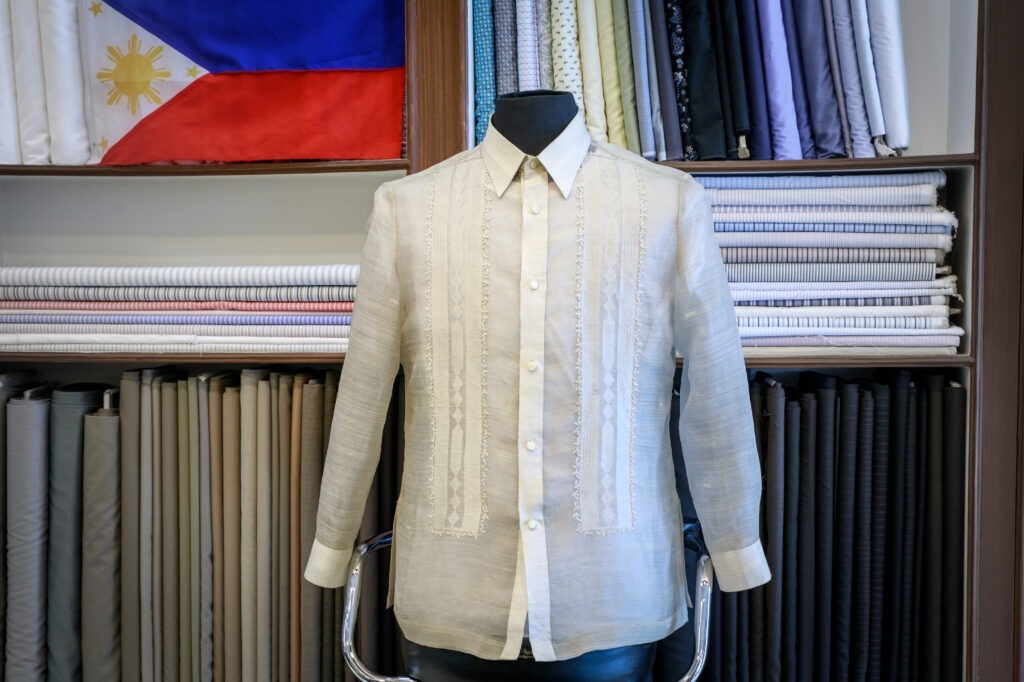
Organza Barong Tagalog

Jusi Barong: Refined and Affordable

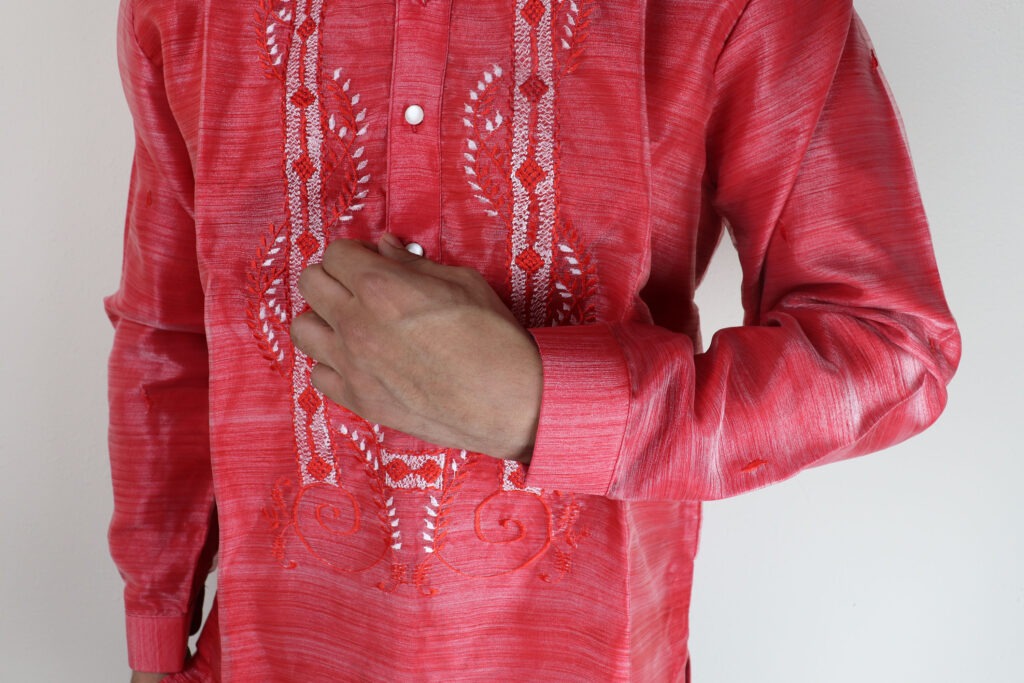
The Jusi Barong strikes an excellent balance between refinement and affordability. Made from a type of silk, it is softer and less sheer than Organza but more budget-friendly than Pina Barong. Available in various colors and styles, you can opt for a Jusi-Pina Barong, featuring subtle stripes resembling Pina fabric, or a Monochromatic Jusi Barong with a captivating gradient effect.

Jusilyn Barong: Silk’s Affordable Alternative Barong Tagalog Types

Similar to Jusi, the Jusilyn Barong offers an economical alternative with a silk and polyester blend. It boasts greater opaqueness than Jusi, making it an attractive option for those seeking budget-friendly elegance.

Barong Tagalog Types - Jusilyn Barong
Traditional Costume Barong Tagalog

Gusot-Mayaman: The Comfortable Linen Fabric

For office wear in the hot and humid Philippine climate, Gusot-Mayaman, known as “Wrinkle of the Rich,” is a popular choice. This breathable Linen fabric features simpler embroidery designs, favored by office workers for its comfort and style. An affordable version, the Bihis Mayaman, is crafted from lightweight polyester.

Piña Barong: Epitome of Elegance

The Piña Barong stands as the epitome of Barong Tagalog elegance. Meticulously woven in the Philippines by skilled artisans, this fabric seamlessly combines age-old Filipino weaving techniques with European hand-embroidery traditions. The result is a truly exquisite fabric that represents a genuine investment for Barong Tagalog aficionados. While Piña Barongs can range from a few hundred to thousands of dollars, there are other fabrics that closely resemble its splendor, such as Cocoon and Silk Barongs, offering affordable yet equally beautiful alternatives.

Barong Tagalog Types - Piña Barong
Traditional Costume Barong Tagalog

Now that you are acquainted with the diverse world of Barong Tagalog fabrics, you can confidently choose the perfect one to suit your style and occasion. Embrace the elegance and charm of these fabrics as you celebrate the rich cultural heritage of the Philippines with your Barong Tagalog attire.

Barong Tagalog as a Gift

Elegance Unwrapped: The Timeless of Giving a Barong Tagalog as a Gift

When it comes to finding the perfect gift that embodies sophistication, cultural pride, and enduring elegance, look no further than the Barong Tagalog. This traditional Filipino garment transcends fashion trends, making it a timeless present that captures the heart of both the giver and the receiver. Whether it’s for a special occasion or a token of appreciation, gifting a Barong Tagalog is a gesture that will be cherished for a lifetime. Let’s unwrap the beauty and significance of giving a Barong Tagalog as a gift.

Philippines Flag

A Symbol of Cultural Heritage

Gifting a Barong Tagalog is more than just presenting a piece of clothing; it is bestowing the essence of Filipino cultural heritage upon someone special. Whether the recipient is Filipino or not, the Barong Tagalog serves as a reminder of the rich traditions, artistry, and values that define the Philippines. The gift becomes a bridge that connects the recipient to the timeless elegance of Filipino culture.

Thoughtful and Personalized Barong Tagalog as a Gift

Choosing a gift that is thoughtful and meaningful can be a challenge, but a Barong Tagalog is a gift that radiates thoughtfulness and personalization. With a wide range of designs, fabrics, and styles available, you can select a Barong Tagalog that perfectly suits the recipient’s taste and personality. Whether they prefer classic embroidery, modern embellishments, or a particular fabric like piña or jusi, there’s a Barong Tagalog that reflects their individuality.

Barong Tagalog as a Gift
Guy secretly opens the gift box. He looks at what’s inside the box. Could it be a Barong Tagalog?

Perfect for Special Occasions

Barong Tagalogs are the epitome of elegance, making them an ideal gift for special occasions and milestone events. From weddings and anniversaries to birthdays and graduations, a Barong Tagalog adds an element of grace and sophistication to these memorable moments. Presenting the gift of a Barong Tagalog during significant life events symbolizes a desire to share in the joy and honor the importance of the occasion.

Creating Lasting Memories with the Barong Tagalog as a Gift

The beauty of gifting a Barong Tagalog lies not only in the present moment but in the lasting memories it creates. Every time the recipient wears the Barong Tagalog, they will be reminded of the occasion and the person who bestowed this cherished gift. The Barong Tagalog becomes a keepsake, passed down through generations, carrying with it the sentiment and love of the giver.

Strengthening Bonds

Gifting a Barong Tagalog is a gesture that goes beyond the material item; it strengthens bonds and fosters connections. For couples, exchanging matching Barongs can be a symbol of unity and commitment. For families, gifting Barongs to sons, brothers, or nephews during significant life events reinforces the ties that bind them together. The Barong Tagalog becomes a thread that weaves connections and strengthens relationships.

Spreading Cultural Appreciation

When you give a Barong Tagalog as a gift, you are not only presenting an elegant garment but also spreading cultural appreciation and understanding. The recipient may not have been familiar with Filipino culture before, but through this gift, they get a glimpse of the richness and beauty that the Philippines has to offer.

Barong Tagalog

Conclusion: A Gift Beyond Compare

Gifting a Barong Tagalog is a gesture that transcends borders and generations. It is a timeless treasure that embodies elegance, tradition, and the enduring spirit of Filipino culture. From special occasions to intimate celebrations, the Barong Tagalog stands as a symbol of cultural heritage, love, and thoughtfulness.

As you bestow the gift of a Barong Tagalog, you are not merely presenting a garment; you are offering a piece of history and tradition. In the unwrapping of the Barong Tagalog, the recipient discovers a gift that is beyond compare – an embodiment of grace and an enduring connection to the captivating elegance of the Philippines.

Barong Tagalog History

Barong Tagalog: Unraveling the Timeless Threads of Filipino Heritage

Here’s some Barong Tagalog history: The Barong Tagalog, with its intricate embroidery and graceful design, is not just a garment; it is a symbol of Filipino identity and cultural pride. This iconic traditional attire has a rich history that dates back centuries, weaving together tales of heritage, artistry, and national unity.

Origins of the Barong Tagalog

The origins of the Barong Tagalog can be traced back to the pre-colonial era of the Philippines. Early Filipinos, long before the arrival of foreign influences, donned loose-fitting, translucent shirts made from indigenous materials such as pineapple and abaca fibers. These light and breathable garments were well-suited to the country’s tropical climate, reflecting the ingenuity of the Filipino people in adapting clothing to their surroundings.

Influence of Spanish Colonization

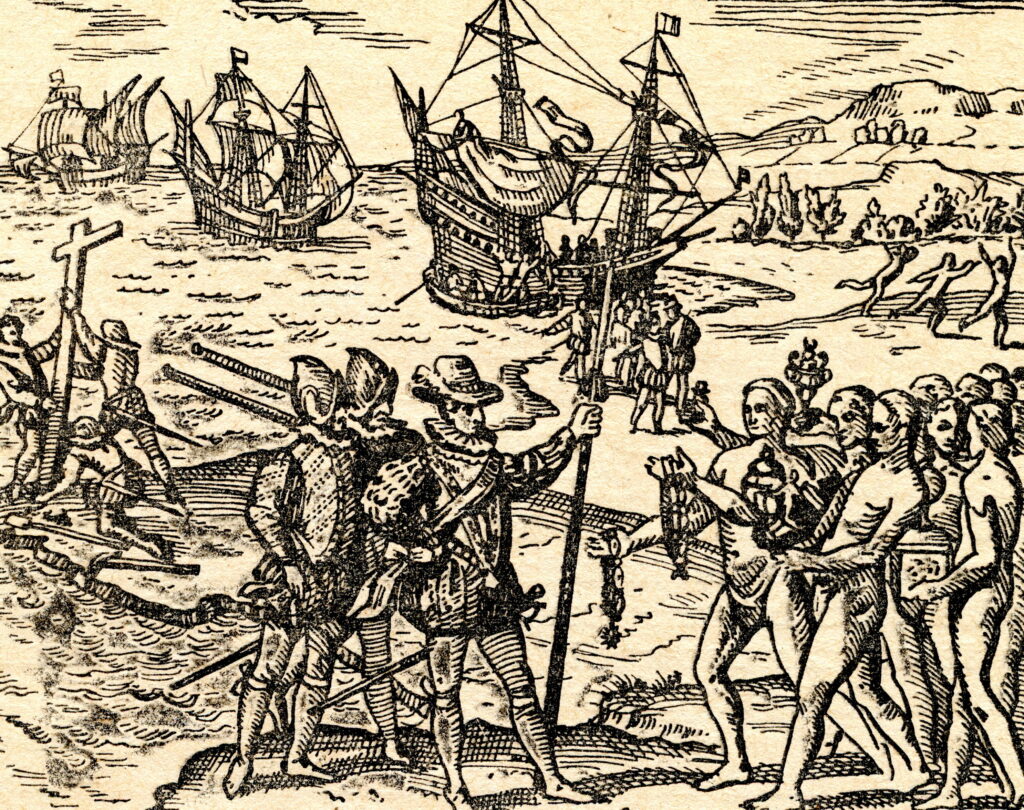
The Barong Tagalog, as we know it today, bears the mark of Spanish colonization. During the Spanish colonial period (16th to 19th century), the traditional Filipino attire underwent significant changes. The Spaniards introduced European fashion elements, and the once-sleeveless Barong gained long sleeves and a button-down front. The intricate embroidery work, inspired by Spanish lace and drawn threadwork, became a prominent feature of the Barong Tagalog, adding an exquisite touch to the garment.

Barong Tagalog History Comes From Spanish Colonization

National Symbol and Formal Attire

As the Philippines struggled for independence, the Barong Tagalog emerged as a potent symbol of Filipino resistance and identity. During the revolutionary period against Spanish rule and later against American colonization, the Barong was worn with pride by national heroes and freedom fighters. After gaining independence in 1946, the Philippine government declared the Barong Tagalog as the national formal attire for men, cementing its significance in the country’s history and culture.

Barong Tagalog in Modern Times

Despite the changing fashion landscape, the Barong Tagalog has endured the test of time and continues to be an integral part of Filipino culture and celebrations. From weddings and formal events to national holidays and traditional ceremonies, the Barong Tagalog remains a symbol of elegance and cultural heritage. Moreover, with the rise of “Barong Fridays” and a resurgence of national pride, more Filipinos are embracing this traditional attire in everyday wear, further preserving its legacy for future generations.

Craftsmanship and Artistry

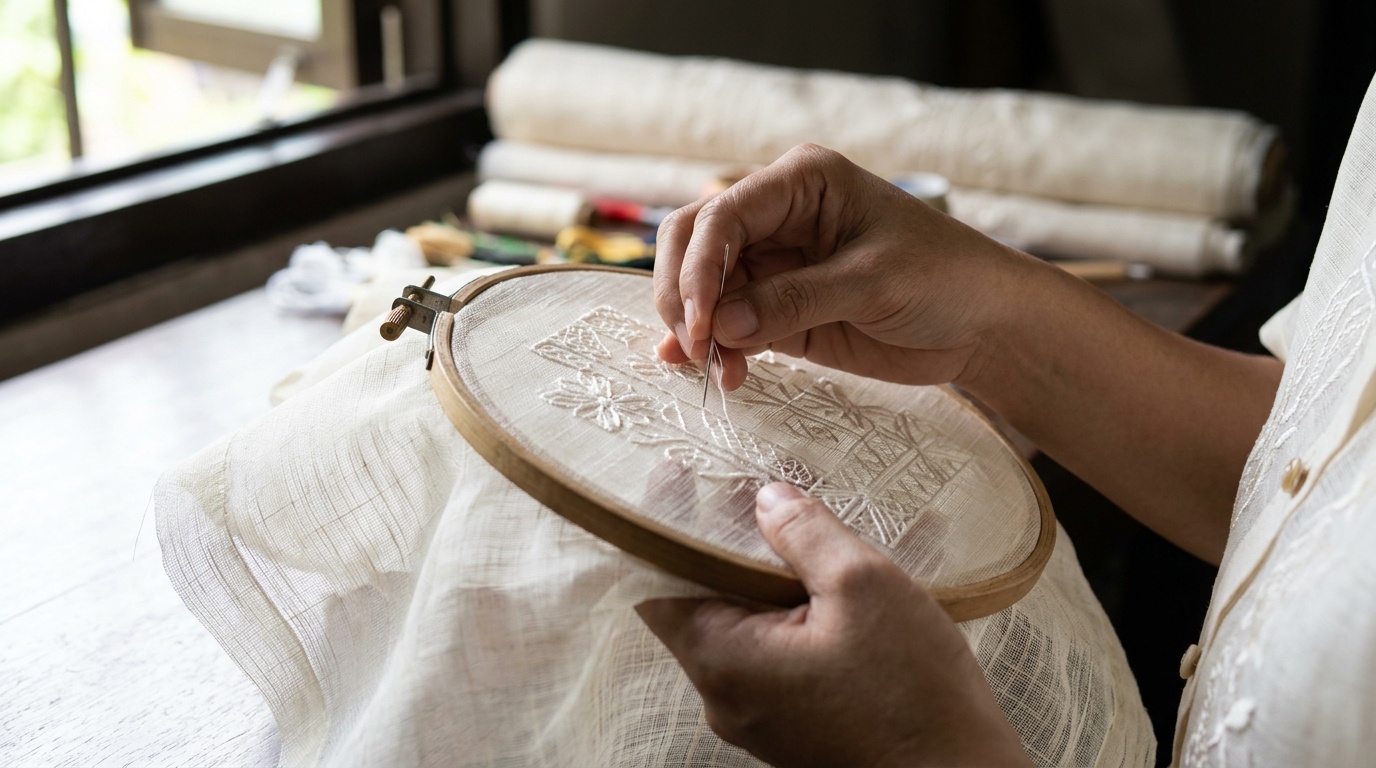
At the heart of the Barong Tagalog‘s allure lies the exceptional craftsmanship and artistry of Filipino weavers and embroiderers. Skilled artisans painstakingly create delicate patterns and designs, infusing each Barong with a unique story and artistic expression. This dedication to craftsmanship has made the Barong Tagalog not just a piece of clothing but a work of art that represents the soul of Filipino culture. These delicate pieces of clothing need special care for your Barong Tagalog.

Barong Tagalog History revolves around pineapple leaf fabric

Conclusion: Embracing the Barong Tagalog Legacy

The Barong Tagalog stands as a timeless masterpiece that encapsulates the beauty of Filipino culture and history. From its humble origins in pre-colonial times to its present-day prominence as a national symbol, the Barong Tagalog remains a testament to the resilience and creativity of the Filipino people.

As we don the Barong Tagalog with pride and admiration, let us remember the centuries of history and artistry woven into its fibers. Embracing this iconic garment is not just a fashion choice; it is a celebration of our shared heritage and a commitment to preserving the cultural legacy for generations to come. The Barong Tagalog continues to be a shining beacon of Filipino identity, connecting us to our roots and uniting us as one nation with a rich and vibrant history.