
Slide toggle
Monday - Friday: 09:00 - 5:00 CT 9001 Griggs Avenue Unit 243, Circle Pines, MN 55014 612-239-1469 orders@handmadekapamilya.com

Tag: Filipino

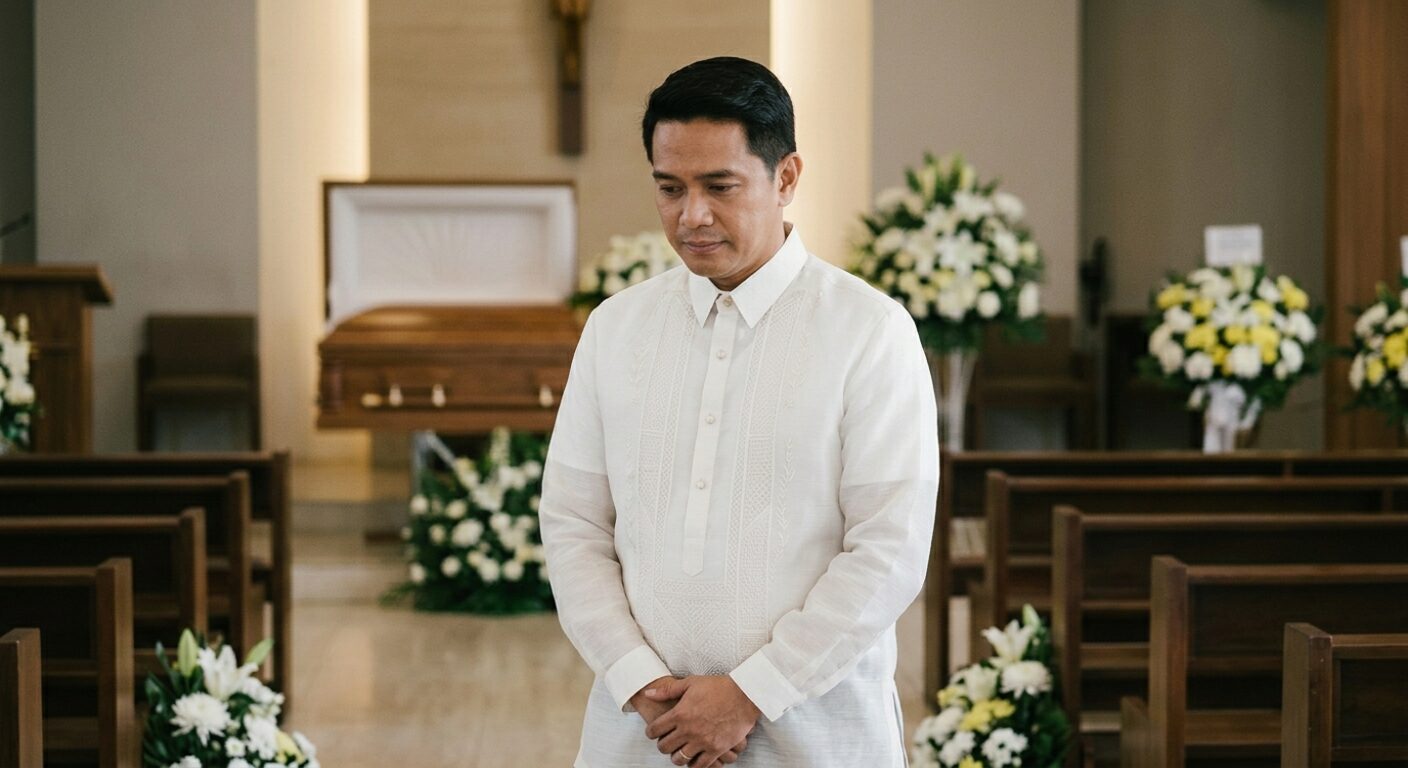
Man in white funeral Barong

How to Honor Tradition: Filipino Funeral Barong Rules

Filipino Funeral Attire & Etiquette: A Guide to Honoring Heritage with Dignity

Navigating the loss of a loved one is one of life’s most profound challenges, and the last thing you want to worry about is whether your attire respects the weight of the moment. In the Filipino community, a funeral is more than a goodbye; it is a pagpupugay—a final act of high respect that weaves together faith, family, and our shared history.

Whether you are a Fil-Am returning home for a service or a guest attending your first paglalamay (wake), understanding the nuances of Filipino funeral attire ensures you honor the departed with the grace they deserve. At Handmade Kapamilya, we have spent decades in our workshop helping families select the perfect funeral Barong Tagalog, ensuring that even in moments of sorrow, our culture’s elegance shines through. Salamat for allowing us to guide you through these traditions.

Why Cultural Authenticity Matters in Mourning

In the Philippines, death is a communal event. It is a time when the bayanihan spirit takes over, and the community rallies to support the bereaved. The clothes we wear are not mere fashion; they are a visual language of grief and reverence.

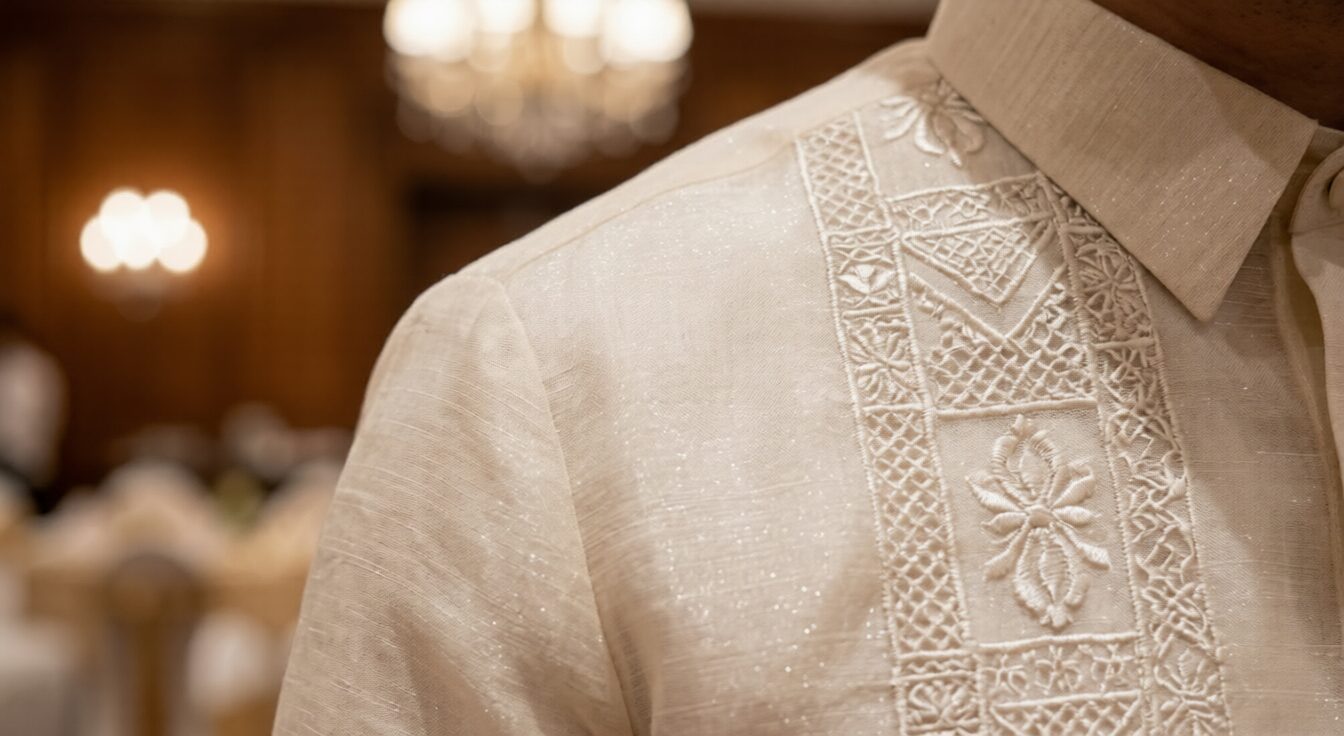
The Barong Tagalog serves as the ultimate symbol of Filipino dignity. To wear one to a funeral is to say that the person being honored is worth our very best. It reflects a resilience that says, “Even in our grief, we remain standing, united by our heritage.”

Intricate black Barong embroidery

The “Color of Grief”: White vs. Black Barongs

One of the most frequent questions we receive in our workshop is: “Should I wear a white or black Barong Tagalog to a funeral?” The answer depends on your relationship to the deceased and regional traditions.

1. The Traditional White Barong Tagalog

In many parts of the Philippines, white is the primary color of mourning. It symbolizes purity, the hope of the resurrection, and a peaceful transition into the afterlife.

  • Who wears it: Usually the immediate family (sons, brothers, and nephews) and the pallbearers.
  • The Vibe: It offers a sense of light amidst the darkness of loss.

2. The Black Barong Tagalog

While traditionally Barongs were off-white (the color of natural piña or jusi), the Black Barong Tagalog has become a sophisticated and widely accepted choice for modern funerals and galas alike.

  • Who wears it: Close friends, extended family, and attendees who wish to signify deep, formal mourning.
  • The Benefit: It is exceptionally versatile and hides the wear and tear of long multi-day wakes better than lighter fabrics.

Expert Tip: If you are unsure, a monochromatic black Barong with subtle, non-flashy embroidery is the “gold standard” for modern Filipino funeral etiquette.

The “Skyscraper” Guide to Filipino Funeral Etiquette

To truly honor the family, you must look beyond just the clothes. Here is everything you need to know about navigating a traditional Filipino service.

1. The Paglalamay (The Wake)

Filipino wakes are known for being long, often lasting 3 to 7 days. They are 24-hour affairs where family members stay awake to keep the deceased company.

  • Attire for Wakes: You don’t need to wear your most formal custom Barong Tagalog every night. A neat, collared shirt or a “Barong Lumbia” (short-sleeved) is appropriate for the nightly visits. Save the long-sleeved, high-tier Barong for the burial day.

2. Understanding Abuloy (The Gift of Support)

In Filipino culture, it is customary to give abuloy—a monetary contribution.

  • How to give: Place your contribution in a small envelope. It is helpful to write your name and a short message of sympathy on the outside so the family can keep track of who to thank later.
  • Why we do it: This isn’t just about money; it’s about communal solidarity. It helps the family cover the often-high costs of burial and shows that they are not alone in their burden.

3. Food and Fellowship

Expect to be fed. Food is a central part of the grieving process. It is a gesture of hospitality from the family to those who have traveled to pay their respects. While it may feel festive at times with coffee, crackers, and full meals, remember to keep your voice at a respectful volume.

4. Taboos and Superstitions (Pamahiin)

To show the highest level of E-E-A-T (Experience and Authority) regarding our culture, we must mention the pamahiin:

  • No Red: Avoid wearing red at all costs. It is seen as a sign of celebration and is considered highly disrespectful at a funeral.
  • Don’t Bring Food Home: There is an old belief that you shouldn’t take food from a wake back to your house, as it might “invite” death to follow you.
  • The “Pagpag” Tradition: Many Filipinos will stop at a convenience store or restaurant after leaving a wake before going home. This “shakes off” any lingering spirits.

Choosing the Right Fabric for the Occasion

When selecting your Filipino funeral attire, the fabric choice is vital for both comfort and symbolism.

Fabric Type

Best For…

Texture & Feel

Piña-Seda

The Burial Day (Immediate Family)

The “Queen of Philippine Fabrics.” Extremely formal and heirloom quality.

Jusi

Extended Family & Close Friends

Classic, sheer, and more affordable than Piña but still very elegant.

Piña-Jusi Blend

Frequent Attendees

Offers the look of luxury with more durability for long hours at the chapel.

Linen/Cotton

Casual Wake Visits

Breathable and comfortable for the humid climate of the Philippines. 

Woman in black Filipiniana dress

Women’s Funeral Attire: Modern Filipiniana

While the Barong is the staple for men, women often opt for Modern Filipiniana or “Mestiza” dresses.

  • The Style: Look for Maria Clara-inspired silhouettes but in muted tones (Black, White, or Grey).
  • The Cut: Ensure the hemline is respectful (knee-length or longer) and the “butterfly sleeves” are not overly ostentatious for a somber occasion.
  • The Veil: Older generations may still wear a black panuelo or lace veil, though this is becoming less common among Fil-Americans.

A Celebration of Life and Legacy

Mabuhay—to live. It seems ironic to use this word at a funeral, but Filipino culture views death as a transition, not just an end. Through stories, eulogies, and the shared “amen” of a 9-day novena, we find solace.

Wearing a Handmade Barong is a tribute to that legacy. It says that the life we are mourning was woven into the very fabric of our community. When you stand at the graveside, the wind catching the delicate embroidery of your Barong, you are carrying forward a tradition that dates back centuries.

Group in traditional mourning attire

Final Respects: Your Checklist for the Burial Day

  1. Attire: A pressed, long-sleeved White or Black Barong Tagalog with an undershirt (Camisa de Chino).
  2. Accessories: Dark slacks (never jeans) and polished black dress shoes.
  3. Conduct: Follow the procession quietly. It is a moment of deep solemnity.
  4. The “Salamat”: A simple “Condolences po” or “Salamat for everything” to the family goes a long way.

Ready to Honor Your Heritage?

At Handmade Kapamilya, we understand that ordering a Barong for a funeral often comes during a stressful time. We specialize in premium, authentically crafted pieces that ship quickly and fit perfectly, so you can focus on what matters most: family.

Explore More: Related Reads You’ll Love:

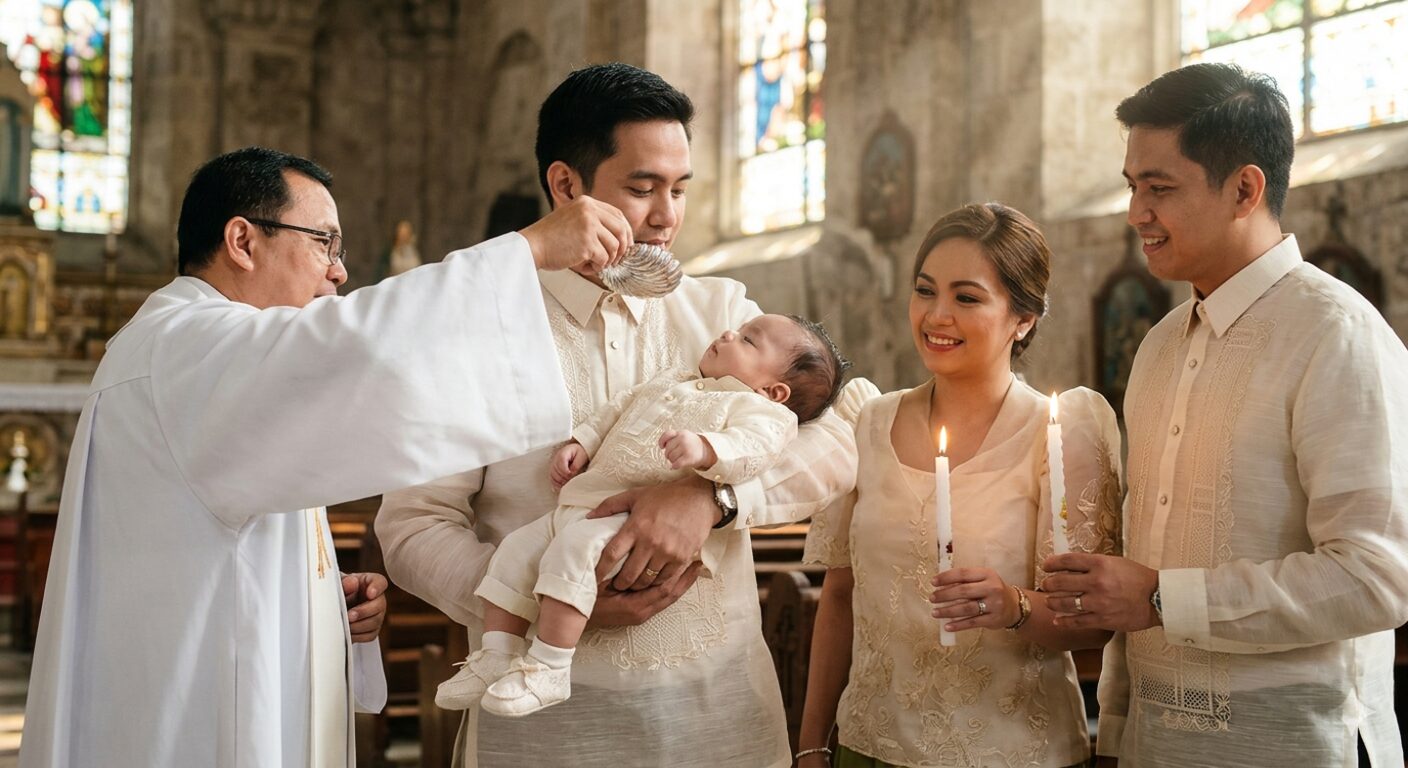
Infant receiving baptismal water.

6 Heartwarming Secrets to a Beautiful Filipino Binyag

Filipino Baptism Traditions: The Ultimate Guide to Binyag, Godparents, and Choosing the Perfect Barong

Planning your child’s first major milestone can feel like a whirlwind of logistics, guest lists, and cultural expectations. You want more than just a ceremony; you want a sacred initiation that honors your heritage and welcomes your little one into the Kapamilya with the elegance they deserve.

At Handmade Kapamilya, we understand that a Filipino baptism—or Binyag—is the cornerstone of a child’s spiritual and social life. It is the moment the community gathers to say, “You belong to us.” Whether you are a first-time parent in Manila or a Fil-Am family keeping traditions alive in California or New Jersey, this guide will walk you through every ritual, responsibility, and the timeless beauty of the Barong Tagalog for baptism.

Why the “Binyag” is the Heart of the Filipino Family

In the Philippines, a baptism is rarely a small, private affair. It is a vibrant, multi-generational celebration of faith and community. Historically, the Binyag represents the child’s formal entry into the Christian faith, but socially, it is the first time the child is presented to their extended network of relatives and friends.

Kumusta po! If you’re feeling the pressure of “getting it right,” take a deep breath. In our workshop, we’ve helped thousands of parents navigate this journey. The significance of this day isn’t just in the water or the prayers—it’s in the “hand-me-down” memories and the cultural pride we weave into every garment.

1. The Role of the “Ninong” and “Ninang”: More Than Just a Title

In Western cultures, godparents might be a symbolic choice. In Filipino culture, being a Ninong (godfather) or Ninang (godmother) is a lifelong commitment of “co-parenthood” (Compadrazgo).

How to Choose Your Godparents

Parents often choose godparents based on their character, their relationship with the family, and their ability to serve as role models. It is common to see a “pila” (line) of godparents—sometimes 10 or more! This ensures the child has a vast support system.

Duties of the Ninong and Ninang:

  • Spiritual Guardianship: Providing guidance throughout the child’s life milestones.
  • The “Pakimkim”: A traditional gift, often in the form of cash, given to the child during the reception to help jumpstart their future savings.
  • Presence: Being a consistent figure at birthdays, graduations, and future weddings.


Baby Barong embroidery detail.

2. Choosing the Perfect Attire: The Elegance of the Baby Barong Tagalog

The most visual representation of purity and Filipino identity during the ceremony is the child’s outfit. While some families opt for Western-style gowns, the Barong Tagalog for babies has seen a massive resurgence among families looking to celebrate their “Pinoy Pride.”

Why Choose a Barong Over a Standard Gown?

A traditional Filipino baptism outfit tells a story. It connects the infant to centuries of craftsmanship. At Handmade Kapamilya, we specialize in creating scaled-down versions of our heritage pieces that are as comfortable as they are beautiful.

Key Fabrics for Baptismal Barongs:

In our experience, the fabric choice is the most important decision for a restless baby.

  • Pina-Jusi: A blend of pineapple fiber and silk. It offers the classic “sheer” look of a Barong but is softer on a baby’s sensitive skin.
  • Cocoon Silk: Highly recommended for its durability and luxurious, opaque finish. It looks stunning in photos and holds its shape through the many hugs of the day.
  • Organza: An affordable, lightweight option that provides a high-shine, celebratory look.

Expert Tip: We always suggest a “Camisa de Chino” (a soft cotton undershirt) underneath the Barong. This prevents any itching from the embroidery and absorbs moisture, keeping your little one cool during the Handa (feast). 

Traditional Filipino baptism feast.

Traditional Filipino baptism feast. 

4. The “Handa”: Celebrating Filipino Style

No Binyag is complete without the reception. This is where the community bonds over food.

Essential Dishes for a Baptismal Feast:

  1. Lechon: The undisputed king of the table. A whole roasted pig signifies a major celebration and abundance.
  2. Pancit: Representing long life and health for the child.
  3. Kakanin: Sweet rice cakes like Biko or Sapin-Sapin to ensure the family’s bonds stay “sticky” and strong.
  4. Lumpiang Shanghai: A crowd favorite that never fails to disappear within minutes.

5. Modern Challenges: Planning a Filipino Baptism Abroad

For our “Kababayans” in the diaspora, sourcing authentic Filipino formal wear can be a challenge. We often see parents settling for mass-produced, itchy polyester suits because they can’t find quality artisans locally.

That is why we founded Handmade Kapamilya. We bridge the gap between the artisanal weavers in Lumban and Aklan and the modern Filipino family living abroad. Every piece we ship is a “piece of home” that ensures your child’s first heritage garment is one you’ll want to preserve in a shadow box for decades.

Sizing and Customization

Babies grow fast! We recommend ordering your custom baby Barong at least 4-6 weeks before the event. If you are between sizes, always size up—a slightly loose Barong looks more traditional than one that is too tight, and it allows your baby to move freely.

6. Preserving the Legacy: Aftercare for Your Barong

Once the celebration is over, your child’s Barong becomes a family heirloom. To ensure it lasts:

  1. Hand Wash Only: Never put a Barong in a washing machine. Use a mild detergent and lukewarm water.
  2. Air Dry: Lay it flat to dry to prevent the delicate fibers from stretching.
  3. Storage: Store it in a breathable garment bag, away from direct sunlight. Avoid plastic bags, which can cause yellowing over time.

The Handmade Kapamilya Difference

Mabuhay! You are now ready to plan a baptism that is as culturally rich as it is spiritually significant. At Handmade Kapamilya, we don’t just sell clothes; we provide the threads that connect your family to its roots.

Whether you need a modern Filipiniana dress for the mother, a classic Barong Tagalog for the father, or the perfect infant Barong, our artisans are ready to craft something special for you.

Ready to find the perfect outfit for your child’s special day?

[Shop our Premium Baby Barong Collection]

[Browse Modern Filipiniana for Ninangs and Mothers]

Make it a Day to Remember: More Tips from our Workshop:


Ninong lighting the candle.

Ninong lighting the candle. 

3. The Rituals: What to Expect During the Ceremony

The Filipino baptismal rite is rich with symbolism. If you are attending your first one, here are the key moments to watch for:

  • The Sign of the Cross: The priest traces the cross on the child’s forehead, followed by the parents and godparents.
  • The Lighting of the Candle: Each godparent holds a lit candle, symbolizing the “Light of Christ” that they promise to help the child follow.
  • The “Sabog”: In some regional traditions, coins or candies are thrown after the ceremony for the children in attendance, symbolizing shared blessings.


Traditional Filipino baptism feast.

Traditional Filipino baptism feast. 

4. The “Handa”: Celebrating Filipino Style

No Binyag is complete without the reception. This is where the community bonds over food.

Essential Dishes for a Baptismal Feast:

  1. Lechon: The undisputed king of the table. A whole roasted pig signifies a major celebration and abundance.
  2. Pancit: Representing long life and health for the child.
  3. Kakanin: Sweet rice cakes like Biko or Sapin-Sapin to ensure the family’s bonds stay “sticky” and strong.
  4. Lumpiang Shanghai: A crowd favorite that never fails to disappear within minutes.

5. Modern Challenges: Planning a Filipino Baptism Abroad

For our “Kababayans” in the diaspora, sourcing authentic Filipino formal wear can be a challenge. We often see parents settling for mass-produced, itchy polyester suits because they can’t find quality artisans locally.

That is why we founded Handmade Kapamilya. We bridge the gap between the artisanal weavers in Lumban and Aklan and the modern Filipino family living abroad. Every piece we ship is a “piece of home” that ensures your child’s first heritage garment is one you’ll want to preserve in a shadow box for decades.

Sizing and Customization

Babies grow fast! We recommend ordering your custom baby Barong at least 4-6 weeks before the event. If you are between sizes, always size up—a slightly loose Barong looks more traditional than one that is too tight, and it allows your baby to move freely.

6. Preserving the Legacy: Aftercare for Your Barong

Once the celebration is over, your child’s Barong becomes a family heirloom. To ensure it lasts:

  1. Hand Wash Only: Never put a Barong in a washing machine. Use a mild detergent and lukewarm water.
  2. Air Dry: Lay it flat to dry to prevent the delicate fibers from stretching.
  3. Storage: Store it in a breathable garment bag, away from direct sunlight. Avoid plastic bags, which can cause yellowing over time.

The Handmade Kapamilya Difference

Mabuhay! You are now ready to plan a baptism that is as culturally rich as it is spiritually significant. At Handmade Kapamilya, we don’t just sell clothes; we provide the threads that connect your family to its roots.

Whether you need a modern Filipiniana dress for the mother, a classic Barong Tagalog for the father, or the perfect infant Barong, our artisans are ready to craft something special for you.

Ready to find the perfect outfit for your child’s special day?

[Shop our Premium Baby Barong Collection]

[Browse Modern Filipiniana for Ninangs and Mothers]

Make it a Day to Remember: More Tips from our Workshop: