Slide toggle
Monday - Friday: 09:00 - 5:00 CT 9001 Griggs Avenue Unit 243, Circle Pines, MN 55014 612-239-1469 orders@handmadekapamilya.com

Blog

Filipiniana dress modern vs traditional comparison

Filipiniana Dress Guide: A Simple Look at Heritage, Style & Elegance

The Ultimate Guide to the Filipiniana Dress: From Traditional Roots to Modern Masterpieces

Kumusta po! Whether you are a Fil-Am bride preparing for your big day or a guest invited to a prestigious Filipino gala, you’ve likely faced the “heritage dilemma.” You want a look that screams cultural pride, but you also want to feel contemporary, comfortable, and chic.

At Handmade Kapamilya, we believe that wearing a Filipiniana dress—from modern to traditional styles—is more than a fashion choice; it is an act of reclaiming identity. In our workshop, we see daily how a single garment can bridge the gap between the archipelago and the diaspora. In this guide, we will walk you through the rich history, the essential fabrics, and the modern styling rules that every Pinay (and Pinay-at-heart) should know.

The Cultural Significance: Why the Filipiniana Matters

The Filipiniana is not just “a dress.” It is a visual history of the Philippines. From the pre-colonial Baro’t Saya to the iconic Terno popularized in the 20th century, these garments represent the resilience and adaptability of Filipino women.

When you wear an authentic piece, you aren’t just following a dress code; you are honoring the “Handmade” tradition of artisans from places like Lumban and Kalibo. Mabuhay ang sining ng Pilipinas! (Long live Philippine art!)

Traditional Maria Clara Filipiniana dress

Traditional Filipiniana: The Pillars of Heritage

To understand the modern Filipiniana, we must first pay respects to the classics. If you are attending a “Filipiniana Formal” event, these are the silhouettes you need to know.

1. The Maria Clara (Traje de Mestiza)

Named after the heroine in Dr. Jose Rizal’s Noli Me Tangere, this is the quintessential colonial-era dress. It consists of four parts:

  • Baro: A fine, bell-sleeved blouse.
  • Saya: A floor-length skirt.
  • Pañuelo: A starched, triangular scarf worn over the shoulders (essential for that “Maria Clara” modesty).
  • Tapis: A dark overskirt wrapped around the waist.

2. The Classic Terno (The Butterfly Sleeve)

The word Terno literally means “matched.” In our workshop, we define the Terno by its most striking feature: the Butterfly Sleeves. Unlike Western puff sleeves, these are stiff, arched, and perfectly symmetrical. They represent the strength of the modern Filipina.

3. The Balintawak

Think of the Balintawak as the “country version” of the Terno. Traditionally worn for fiestas and rural outings, it usually features shorter butterfly sleeves and a tapis made of colorful, woven fabrics.

Modern Filipiniana bolero urban style

The Modern Shift: Filipiniana for the 21st Century

The most frequent question we get at Handmade Kapamilya is: “How can I wear Filipiniana without looking like I’m in a costume?” The answer lies in Modern Filipiniana. Today’s designers are deconstructing the classic silhouettes to fit a global lifestyle.

1. The Filipiniana Bolero & Alampay

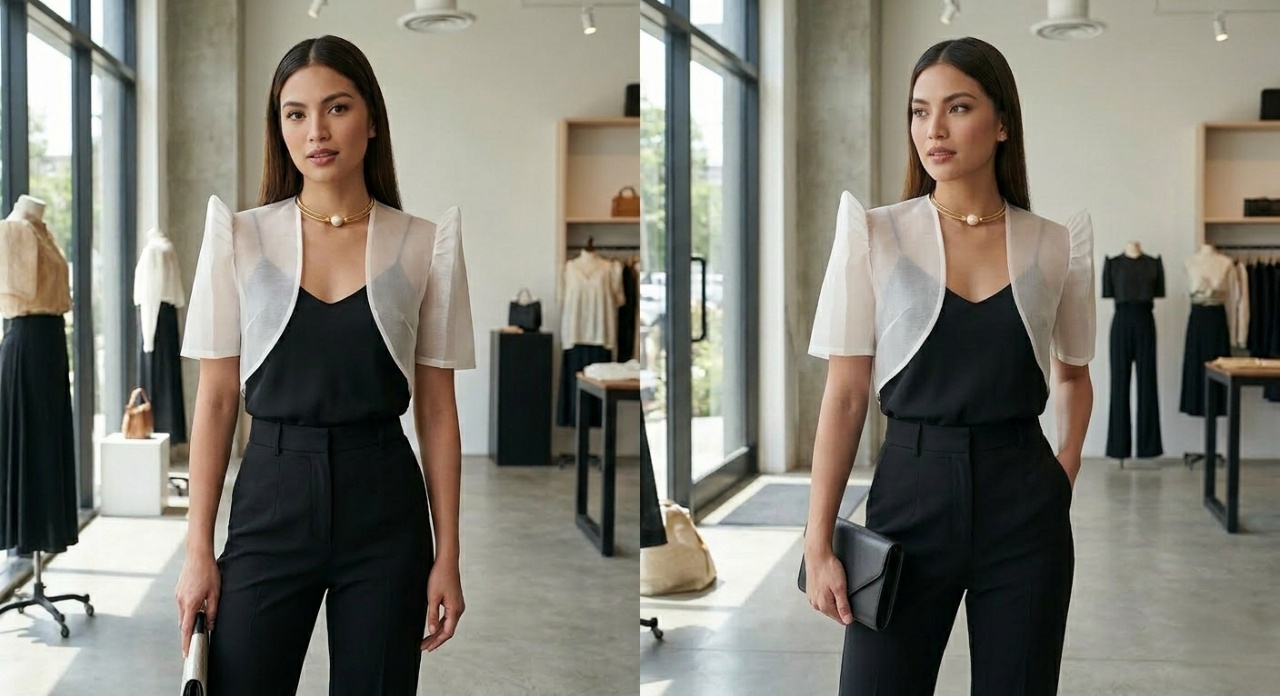
For the woman who wants versatility, the Filipiniana bolero is a game-changer. These are detachable butterfly-sleeve jackets that can be worn over a simple cocktail dress or even a tailored jumpsuit. It’s the perfect “entry-point” into Filipino formal wear.

  • Pro Tip: Pair a white Organza bolero with black trousers for a “Power Barong” look.

2. The Modern Terno Gown

Modern versions often simplify the skirt, moving away from the heavy Saya and toward sleek A-lines or mermaid silhouettes. At our workshop, we focus on the “Clean Terno”—where the butterfly sleeves remain the focal point, but the fabric is a modern stretch crepe or silk.

3. The Barong Tagalog for Women (Female Barong)

Traditional “men’s” fashion has crossed over. The Women’s Barong (or Barong Dress) utilizes the same sheer fabrics like Jusi or Piña but is tailored to a woman’s silhouette. It’s the ultimate choice for business functions or semi-formal weddings.

Piña fabric calado embroidery detail

Fabric Science: The Texture of the Philippines

When you buy a modern Filipiniana, you aren’t just paying for the design; you are paying for the textile science. Understanding these fabrics is the key to E-E-A-T (Experience and Expertise) in Filipino fashion.

Fabric Type

Origin

Characteristics

Best For

Piña

Pineapple Fiber

The “Queen” of fabrics. Soft, translucent, and incredibly expensive.

Weddings & Heirloom pieces.

Jusi

Silk/Synthetic Blend

More durable than Piña, with a distinct mechanical weave.

Professional events & Guest attire.

Cocoon Silk

Silkworm Silk

Offers a luxurious sheen and structured feel.

Modern Terno sleeves.

Organza

Synthetic

Lightweight and budget-friendly while maintaining “stiffness.”

Boleros & Debutante dresses.

Inabel / Ethnic

Handwoven (Ilocos)

Thick, cotton-based, and features indigenous patterns.

Casual Filipiniana & Outerwear.

How to Style Your Filipiniana: The “Kapamilya” Rules

1. The Jewelry Rule

Traditionally, Filipiniana is paired with Philippine South Sea Pearls. However, if you are wearing a modern Filipiniana dress, don’t be afraid to experiment. Gold “Tambourine” necklaces (traditional filigree) add an air of authenticity to a modern cut.

2. The Footwear

Avoid chunky sneakers. For traditional gowns, a classic pump or an elegant “Bakya” (wooden clog) inspired heel works best. For modern sets, a sleek stiletto maintains the long lines of the Terno.

3. The “Abaniko” (Fan)

Never underestimate the power of a hand-painted fan. It isn’t just a prop; in the humidity of a summer wedding (or a crowded gala), it is a survival tool. Salamat us later!


Care and Maintenance: Preserving Your Heritage

A high-quality Filipiniana is an investment. Because these fabrics (especially Jusi and Piña) are delicate, you must treat them with respect.

  • Never Machine Wash: The agitation will destroy the embroidery and the “stiff” butterfly sleeves.
  • Hand Wash Only: Use a very mild detergent and cool water.
  • The “Hanger” Rule: Never fold a Terno. The butterfly sleeves have a specialized insert or starching method. Store them on a padded hanger inside a breathable garment bag.

Why Choose Handmade Kapamilya?

In our workshop, we don’t mass-produce. Every stitch tells a story of a family—a “Kapamilya”—dedicated to their craft. When you choose a piece from our Modern Filipiniana Collection, you are supporting:

  1. Direct-to-Artisan Fair Trade: No middleman, just fair wages for our weavers.
  2. Custom Sizing: We understand the diaspora body. We offer bespoke tailoring to ensure your butterfly sleeves sit perfectly on your shoulders.
  3. Cultural Accuracy: We consult with historians to ensure our “modern” takes never disrespect the “traditional” roots.

Wear Your Story

The journey of the Filipiniana dress from modern to traditional mirrors the journey of the Filipino people: we evolve, we adapt, but we never forget our roots. Whether you choose the full drama of a Maria Clara or the understated elegance of a Jusi bolero, you are carrying the spirit of the Philippines with you.

Ready to find your perfect fit?

Shop the Handmade Kapamilya Modern Filipiniana Collection Here.

Salamat po for reading! We can’t wait to see how you style your heritage.

Explore More Filipino Wedding & Handmade Kapamilya Content:

Filipino couple wearing formal Barong

Filipiniana Traditions: A Powerful Story of Heritage

Filipiniana Traditions: Ultimate Guide to Cultural Attire

Kumusta po, Kapamilya! Have you ever stood before a mirror, adjusting the sharp collar of a Barong Tagalog or the iconic butterfly sleeves of a Terno, and felt a sudden, profound connection to ancestors you’ve never met? This desire to bridge the gap between our modern lives in the diaspora and our vibrant roots in the Philippines is what drives us every day in our “Handmade Kapamilya” workshop.

Filipiniana traditions are not merely “costumes” to be worn once and forgotten; they are an exquisite tapestry of customs and practices that reflect the rich and diverse cultural heritage of the Philippines. Through generations, these cherished traditions have become an integral part of Filipino life, celebrating the nation’s history, values, and identity. In this comprehensive guide, we will unravel the vibrant fabric of Filipiniana traditions and discover the beauty and significance they hold for Filipinos everywhere.

The Heart of Filipiniana: A Living History

To understand Filipiniana traditions, one must first look at the evolution of the garments themselves. Our national attire is a primary artifact of Philippine resistance and adaptation.

  • Pre-Colonial Origins: Before Spanish arrival, the native population wore collarless jackets crafted from local linens, suited for the tropical climate.
  • Spanish Influence: During the colonial era, the Barong Tagalog underwent a forced evolution, with some folklore suggesting a decree required native men to wear transparent shirts to prevent the concealment of weapons.
  • The Rise of the Maria Clara: Inspired by the 19th-century heroine of Jose Rizal’s Noli Me Tangere, this four-piece ensemble—consisting of a baro (blouse), saya (skirt), pañuelo (fichu), and tapis (overskirt)—symbolized the fusion of indigenous and Spanish aesthetics.
  • Modern Interpretations: Today, modern Filipiniana represents a flexible, ever-changing idea that combines cultural mores with elegant silhouettes, integrating traditional techniques into daily wear like work attire and graduations.

Flores de Mayo: A Floral Filipiniana Extravaganza

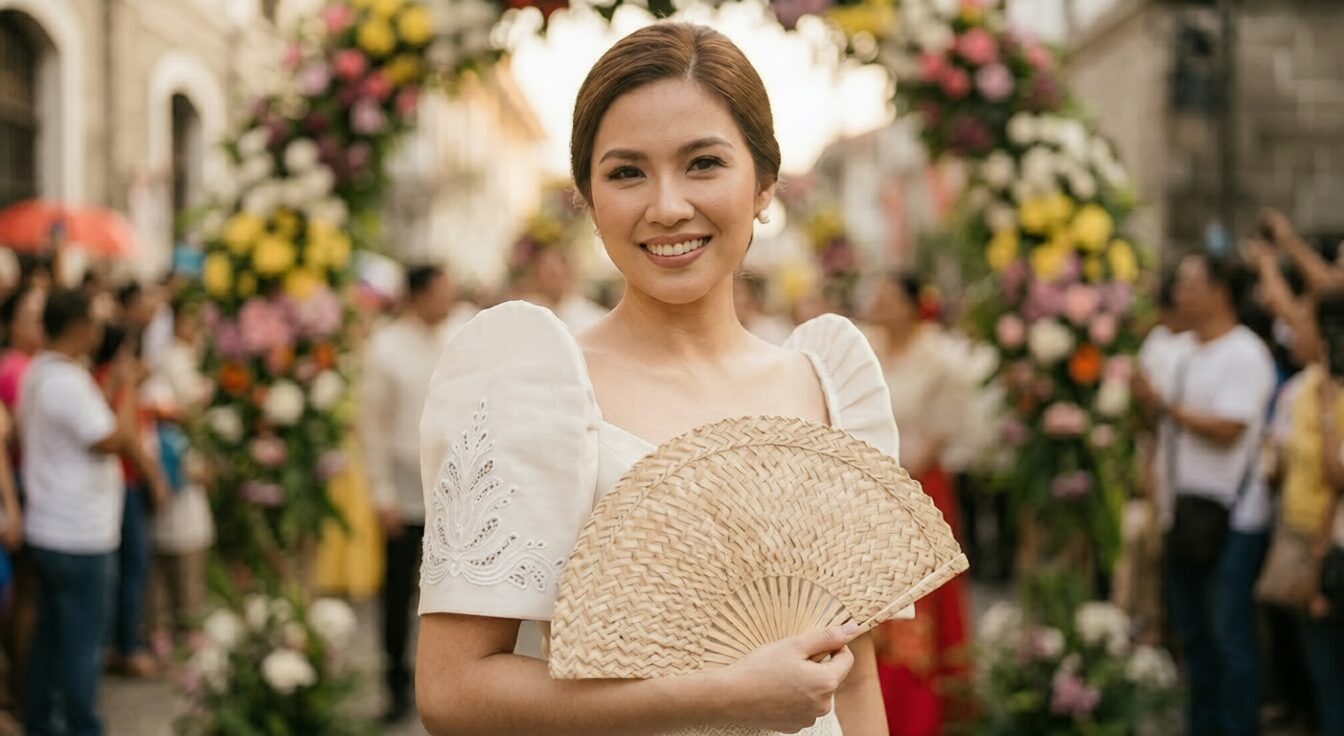
Flores de Mayo, or the “Flowers of May,” is a cherished Filipino tradition celebrated throughout the entire month of May. This religious and cultural event pays homage to the Virgin Mary and honors her with colorful and elaborate floral offerings.

In our experience, this is the season where the “Modern Filipiniana” truly shines. Young women and girls participate in processions and parades, carrying ornate bouquets and delicately woven garlands. They often wear lightweight fabrics like Organza or Jusi, which allow for breathability during the humid May afternoons. Flores de Mayo showcases the Filipinos’ deep devotion and appreciation for the beauty of nature, artistry, and spirituality.

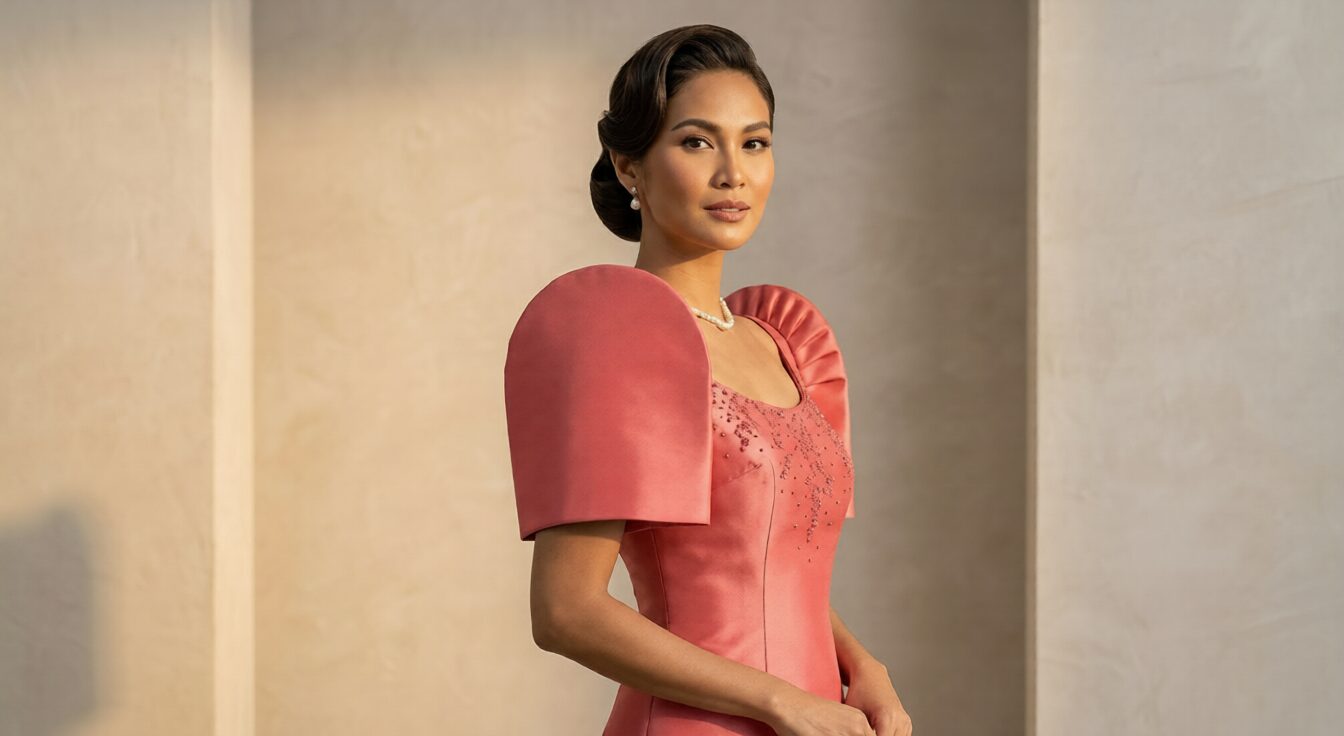
Modern Terno dress butterfly sleeves
A woman showcases a modern Terno with iconic butterfly sleeves and traditional floral embroidery.

Santacruzan: A Graceful Filipiniana Pageant

Santacruzan is a grand pageant held in May, typically towards the end of the Flores de Mayo celebrations. This tradition commemorates the discovery of the Holy Cross by Empress Helena, the mother of Constantine the Great.

The Queen of the Pageant: The Terno

The highlight of any Santacruzan is the Elena or Queen of Queens. She typically wears a Terno, characterized by its iconic, stiffened butterfly sleeves.

  • Fabric Choice: High-end Ternos are often made from Piña, a fabric hand-loomed from pineapple leaf fibers, representing the pinnacle of Filipino craftsmanship.
  • Symbolism: The Santacruzan features a procession of young ladies representing biblical characters, each elegantly dressed in Filipiniana gowns that embody grace, beauty, and faith.
Barong Tagalog fabric texture
This detailed view compares the unique textures of authentic Piña silk and Jusi fabrics.

The Barong Tagalog: The Men’s National Formal Attire

For the men, the Barong Tagalog stands as the ultimate symbol of Filipino identity. It is cultural identity, practical elegance, and a statement of pride. Whether you are a groom, a guest at a gala, or attending a business function, knowing your Barong is essential.

Choosing Your Fabric: The Artisan’s Perspective

In our workshop, we always emphasize that the fabric is more than just textile; it tells a story of heritage.

  • Piña: The “Queen of Philippine Fabrics.” It is sheer, delicate, and often used for the most formal occasions like weddings.
  • Cocoon: Often called “Cocoon Silk,” it mimics the look of Piña but is more durable and less prone to wrinkling, making it ideal for international travel.
  • Jusi: A mechanically woven fabric made from silk or synthetic fibers. It is more opaque than Piña and offers a more affordable entry point for high-quality formal wear.
  • Organza: A sheer, lightweight material often used for more budget-friendly Barongs. While beautiful, it lacks the natural luster and “breathability” of silk-based fabrics.

Styling Your Barong

  • The Undershirt: Always wear a long-sleeved Camisa de Chino underneath your Barong to absorb perspiration and keep the outer garment looking crisp.
  • The Fit: Modern styles favor a “Contemporary Fit” which is slimmer and more tapered, while “Traditional Fit” offers more room for movement.
  • Occasion Matching: While a white or off-white Barong is classic for weddings, colored Barongs—such as blue, black, or brown—are modern takes perfect for christenings or business events.

Barrio Fiesta and Pahiyas Festival: Celebrating Community

The Barrio Fiesta is a beloved Filipino tradition that brings communities together to celebrate local culture. This is where you see the Barong Tagalog and Balintawak (a less formal Terno with a kerchief) in their natural habitat.

Pahiyas Festival: A Feast for the Senses

Celebrated in Lucban, Quezon, the Pahiyas Festival is a splendid display of gratitude for a bountiful harvest.

  • The Attire: Locals proudly wear Filipiniana costumes as they participate in lively street dances.
  • The Decorations: Homes are adorned with colorful rice wafers called kiping, creating a visual feast that captures the essence of Filipino creativity.

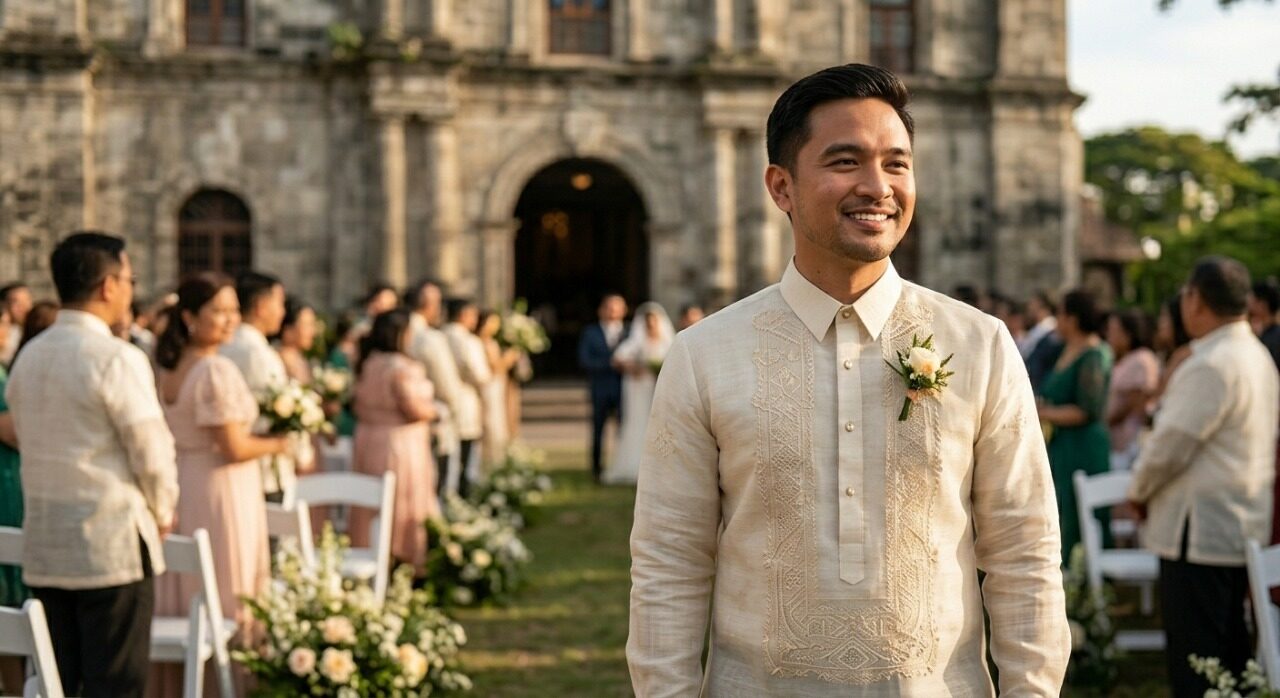
Filipino groom in wedding Barong

Filipino Weddings: Embracing Tradition and Love

Filipino weddings are steeped in tradition and cultural customs that highlight the unity of two families. They are a masterclass in how Filipiniana traditions adapt to modern love stories.

The Bride and Groom

The bride often chooses a Filipiniana-inspired gown, embracing the elegance of traditional styles like the Terno or a modern Filipiniana Bolero over a white dress. The groom’s Barong Tagalog exudes sophistication and respect for heritage.

Symbols of Unity

During the ceremony, specific symbols are used to represent the couple’s bond:

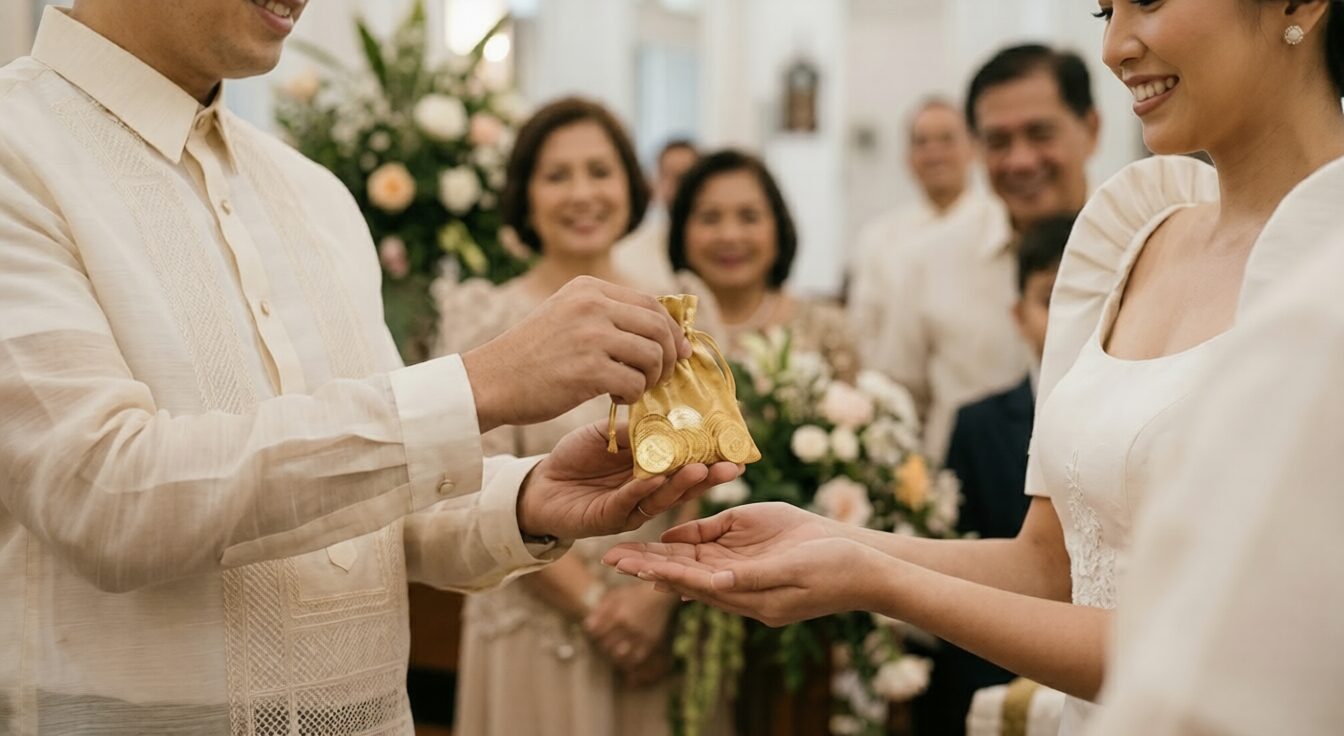
  • Arras (Coins): Symbolize prosperity and the groom’s commitment to the welfare of his family.
  • Candles: Represent the light of Christ and the couple’s role as the “light” of their new home.
  • Veil and Cord: The veil symbolizes the couple being “clothed as one,” while the cord (yugal) represents an everlasting bond.

Caring for Your Heritage: Maintenance Tips

Because these garments are often handmade and delicate, proper care is vital to ensure they remain heirlooms.

  1. Hand Washing: Most Barongs and Filipiniana dresses should be hand-washed using mild detergent and lukewarm water.
  2. Stain Removal: Never scrub the fabric. Dab stains gently to avoid damaging the embroidery.
  3. Drying: Lay the garment flat on a clean towel or hang it on a padded hanger. Avoid direct sunlight to prevent yellowing.
  4. Ironing: Use a low-to-medium heat setting. For Piña or Jusi, use a pressing cloth between the iron and the garment to protect the fibers.

Conclusion: Embracing the Colors of Filipino Heritage

Mabuhay! Filipiniana traditions are a kaleidoscope of colors, each representing a unique facet of Filipino identity and culture. These cherished customs serve as a tapestry that weaves the threads of history, artistry, and spirituality into the fabric of Filipino life.

As we partake in the joyous festivities of Flores de Mayo, Santacruzan, and weddings, we celebrate the beauty of our homeland and the shared bonds of our communities. These traditions are not only a reflection of the past but also a promise to preserve and pass on the vibrant heritage to future generations.

Ready to represent your culture with pride? Whether you’re preparing for your “Big Day” or looking for a modern touch for your office wear, we are here to help you find the perfect piece.

Explore our collections today:

Salamat for choosing to keep our traditions alive.

Internal Links to Consider:

Filipina in modern terno dress.

The Ultimate Filipiniana Guide: From Roots to Iconic Terno

The Living Legacy: A Deep Dive into the History of Filipiniana Dress and Its Modern Renaissance

You’ve received the invitation: “Filipiniana Formal.” Your heart swells with pride, but your mind immediately races with questions. Is a modern terno top too casual for a New York gala? Does the traditional Maria Clara silhouette still resonate in a 2025 ballroom?

At Handmade Kapamilya, we understand that wearing a Filipiniana is more than a fashion choice—it is a reclamation of identity. Whether you are a bride-to-be honoring your roots or a professional wanting to represent our heritage in the diaspora, understanding the history of Filipiniana dress is the first step in wearing it with the dignity it deserves. Mabuhay—welcome to the definitive guide to our shared sartorial history.

Why the History of Filipiniana Matters Today

The Filipiniana is not a static costume; it is a living, breathing archive of Philippine resistance, adaptation, and artistry. In our workshop, we often tell our clients that every stitch of a callado embroidery carries the weight of centuries. To wear a Modern Filipiniana dress is to participate in a story that survived colonial decrees and global shifts, ultimately emerging as a global symbol of Filipino elegance.

1. Pre-Colonial Genesis: The Roots of Indigenous Craftsmanship

Long before Spanish galleons touched our shores, the inhabitants of the Philippine archipelago were already masters of textile science. This era laid the foundation for what we now recognize as the history of Filipiniana dress.

  • The Power of Indigenous Fibers: Early Filipinos utilized what the land provided—Piña (pineapple fiber), Abaca (Manila hemp), and Jusi (banana silk). These fabrics were not just functional; they were breathable masterpieces suited for the tropical humidity.
  • The Baro and the Saya: The earliest form of the Filipiniana was the baro’t saya (blouse and skirt). Men and women alike wore wrap-around garments and collarless jackets, often color-coded to signify social rank or warrior status.
  • The Art of the Weave: From the Inabel of the North to the T’nalak of the South, weaving was a spiritual practice. At Handmade Kapamilya, we still look to these ancestral patterns when designing our Traditional Filipino Wedding Attire.
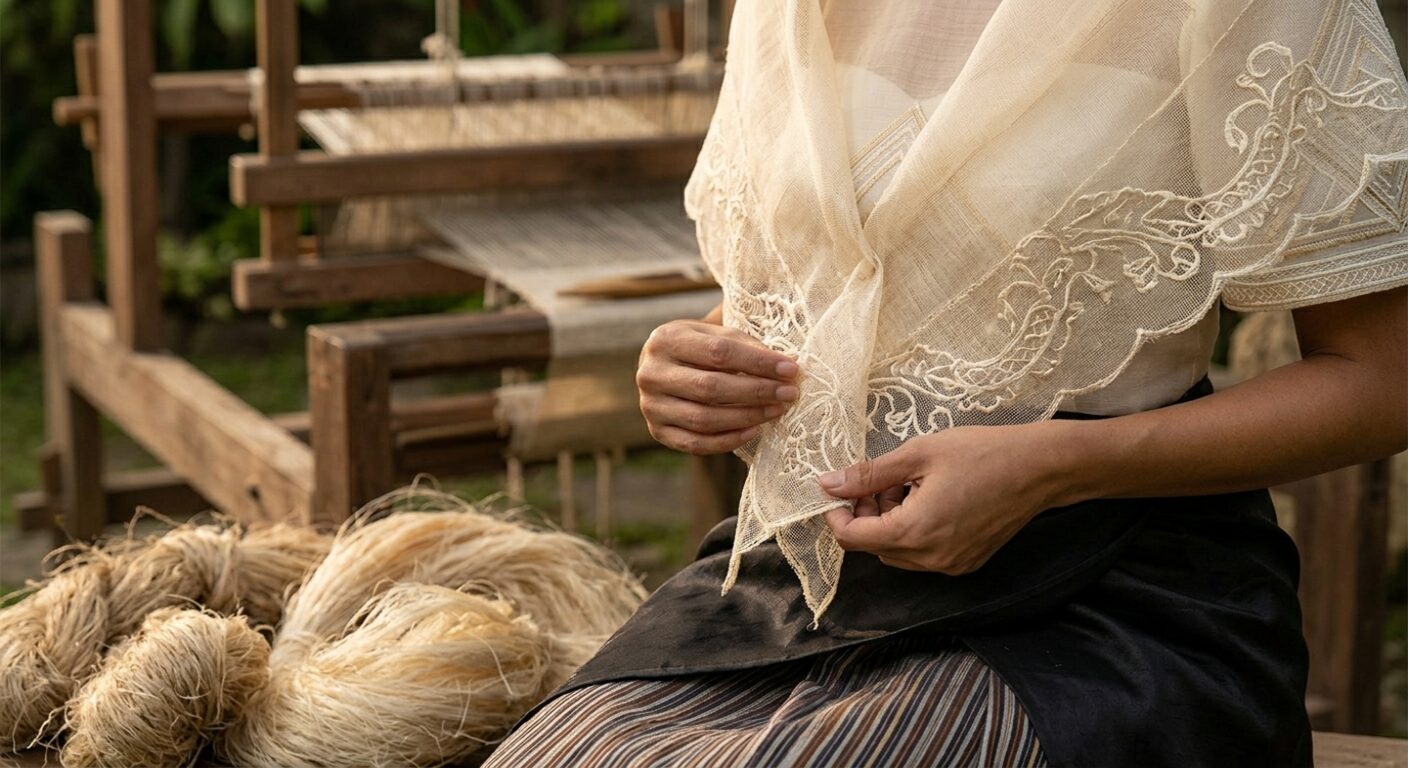
Close-up of traditional embroidered pañuelo.
Hand-embroidered Piña-silk pañuelo displayed with raw indigenous abaca fibers, illustrating the intricate craftsmanship of the 19th-century Maria Clara era.

2. The Spanish Era: The Birth of the Maria Clara

The 16th to 19th centuries saw a seismic shift in the Philippine silhouette. Spanish colonization introduced European notions of “modesty,” which merged with local craftsmanship to create the iconic Maria Clara dress.

The Anatomy of the Maria Clara Ensemble:

  1. The Baro: A sheer, bell-sleeved blouse made of delicate piña or jusi.
  2. The Saya: A floor-length skirt, often in a checkered or striped pattern (known as patadyong).
  3. The Pañuelo: A starched, triangular scarf worn over the shoulders, serving both as a modesty veil and a canvas for intricate embroidery.
  4. The Tapis: A dark overskirt wrapped around the hips, a defiant nod to indigenous roots that persisted despite European influence.

This era proved that Filipino style is inherently “fusion.” We took foreign silhouettes and made them distinctly ours through the use of local textiles and the incomparable skill of our embrodidery artisans.

3. The American Influence and the Birth of the Terno

As we moved into the early 20th century, the heavy layers of the Maria Clara began to lighten. The “Terno” (meaning “matched”) emerged as a unified ensemble where the blouse and skirt were made of the same fabric.

It was during this period that the butterfly sleeves—the most recognizable feature of the History of Filipiniana dress—began to take their structural shape. Influenced by the “Gibson Girl” aesthetic of the West but grounded in the stiffened aesthetic of the pañuelo, the sleeves became a symbol of a rising, educated Filipino middle class.

Classic terno with butterfly sleeves.

4. The Golden Age: Imelda Marcos and the Terno on the World Stage

One cannot discuss Filipiniana history without mentioning the mid-20th century. During the 1960s and 70s, the Terno was elevated from national dress to high-fashion couture.

While the political history of this era is complex, its impact on fashion was undeniable. The Terno became a staple at international state dinners and global summits. Designers like Ramon Valera (the Father of the Modern Terno) removed the pañuelo and tapis, focusing on the architectural integrity of the sleeves. This era solidified the Terno as a Custom Filipiniana Dress choice for the world’s elite.

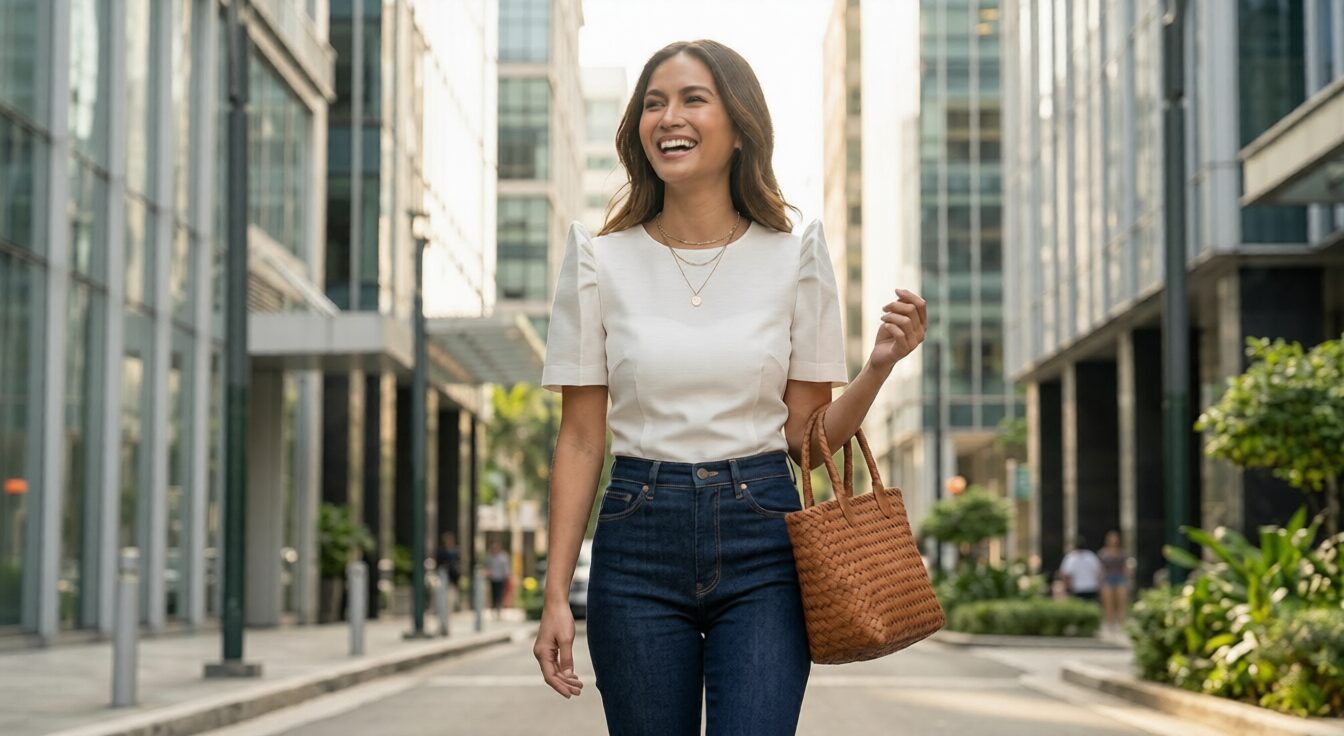
Woman styling terno top casually.

5. The Modern Renaissance: Filipiniana for the Global Diaspora

Today, we are witnessing a “Modern Renaissance.” For the Fil-Am community and the global diaspora, the Filipiniana has moved out of the “costume” box and into the “everyday” wardrobe.

Current Trends We See in Our Workshop:

  • The Terno Top: A versatile piece with butterfly sleeves that can be paired with denim or tailored trousers for a business-casual look.
  • Sustainable Fabrics: A return to hand-loomed Inabel and eco-friendly piña-silk blends.
  • The Mestiza Bolero: A modern “pop-on” sleeve that allows any woman to transform a simple gown into a cultural statement in seconds.
  • Gender-Fluid Designs: Modern interpretations that allow everyone to celebrate Filipino heritage through structured silhouettes and traditional embroidery.

At Handmade Kapamilya, we don’t just sell clothes; we provide a bridge to your ancestors. When you buy Filipiniana online from us, you are supporting local artisans in Laguna and Bulacan who have kept these traditions alive through generations of pagpupursige (perseverance).

How to Style and Care for Your Filipiniana

Whether you own a vintage heirloom or a Modern Filipiniana Dress, proper care is essential to preserve its history.

  • Storage: Never hang a piña or jusi garment by the shoulders for long periods; it can distort the delicate fibers. Store them flat in acid-free tissue paper.
  • Cleaning: Traditional fabrics are often “unwashable” in the modern sense. We recommend professional dry cleaning or very gentle spot-cleaning with mild soap.
  • The “Sleeve” Trick: If your butterfly sleeves lose their shape, use a steamer from the inside of the sleeve to reactivate the stiffening agents.

The Handmade Kapamilya Difference

Why choose us for your Traditional Filipino Wedding Attire?

  1. Experience: Our lead designers have over 20 years of experience in bespoke tailoring.
  2. Expertise: We specialize in the “Lumban” style of hand-embroidery, a technique that takes weeks to master.
  3. Authoritativeness: We are a Filipino-owned brand that works directly with weaving communities, ensuring that our “Modern” designs never lose their “Traditional” soul.
  4. Trustworthiness: We provide transparent sizing guides and worldwide shipping, making it easy for you to celebrate your culture no matter where you live. Maraming salamat for trusting us with your most important moments.

Conclusion: Wear Your Story

The history of Filipiniana dress is a journey of metamorphosis. From the raw, indigenous beauty of the pre-colonial era to the sharp, structural elegance of the modern terno, our clothing tells the world who we are: resilient, artistic, and deeply connected to our roots.

Ready to start your own chapter in this history? [Explore our New & Now Modern Filipiniana Collection] — From elegant boleros to custom wedding ternos, find the piece that speaks to your soul.

Internal Linking & Further Reading

Check out our best-sellers: [Shop Modern Terno Tops & Boleros]

Premium Piña Barong close up.

The Ultimate Guide to Barong Tagalog Traditions

From Sacred Vows to Statecraft: The Soul of the Filipino National Dress

Mabuhay! If you are reading this, you aren’t just looking for a shirt; you are looking for a connection. For the modern Filipino—especially our Kapamilya in the diaspora—putting on a Barong Tagalog is a transformative act. It is the moment you stop being just a guest and start being a bearer of a 400-year-old legacy.

At Handmade Kapamilya, we see this transformation every day in our workshop. We’ve seen grooms tear up when they see their family crest embroidered into Piña fabric, and we’ve helped sons honor their fathers by restoring a “Pamana” (inheritance) Barong.

In this definitive guide, we’re going deep—”Skyscraper” deep—into the Barong Tagalog traditions that make this garment the most significant piece of clothing you will ever own.

The Historical Pulse: Why We Wear the Barong

Before we look at how to wear it, we must understand why it exists. The Barong Tagalog (literally, “Outfit of the Tagalog”) is a symbol of resilience. While colonial history tried to dictate our status through dress, the Filipino people turned the Barong into a canvas of defiance and elegance.

Unlike the heavy wool suits of the West, the Barong is designed for the tropical soul. It is transparent (representing honesty), worn untucked (representing freedom), and crafted from indigenous fibers (representing our bond with the land). When you buy a Barong Tagalog online from an authentic source, you aren’t just purchasing fashion; you are preserving a craft that survived centuries.

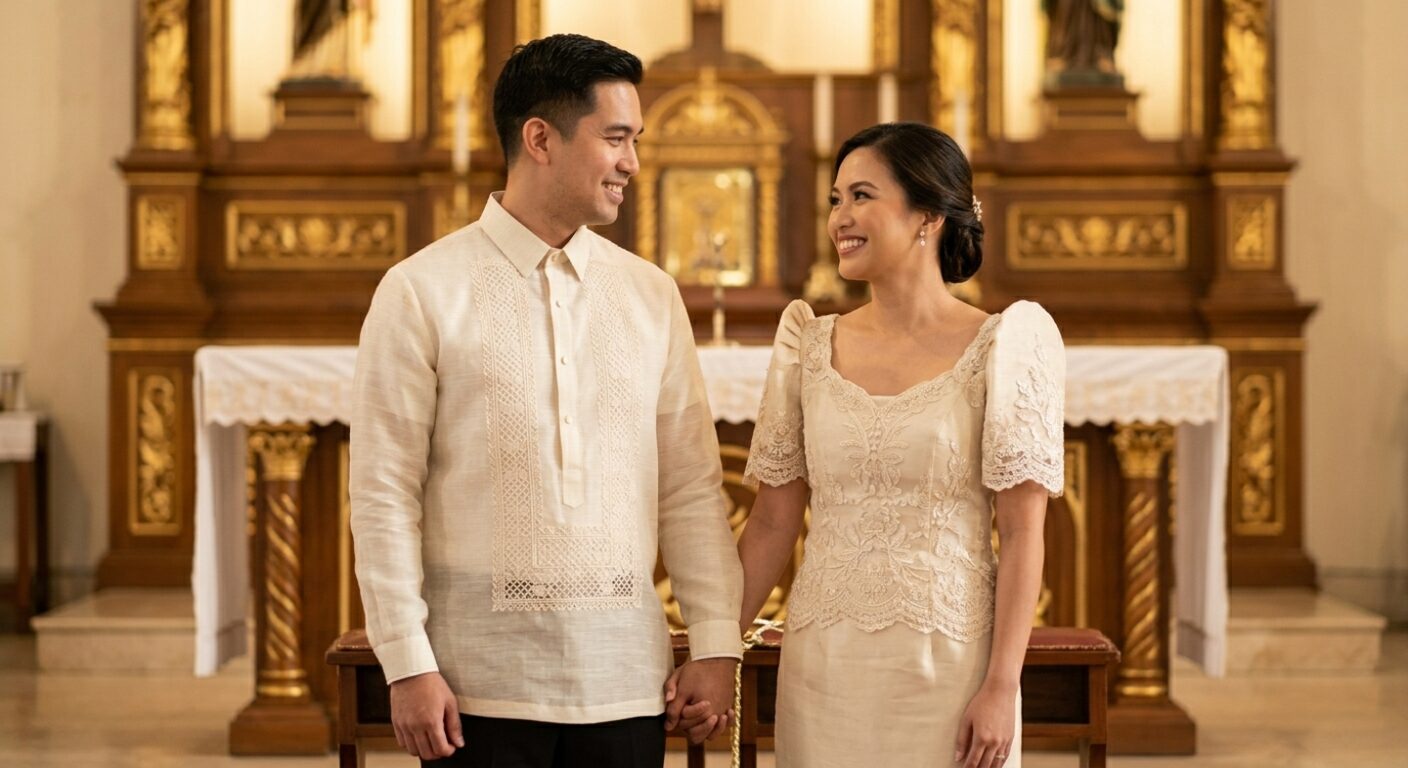
Groom and Bride in Barong Filipiniana.
Groom and bride holding hands at the altar; groom wearing a Barong Tagalog and bride wearing a Filipiniana gown.

1. Wedding Traditions: The Groom’s Silent Vow

In a Filipino wedding, the Barong Tagalog is the centerpiece of the “Pamanhikan” and the ceremony itself. It is the masculine counterpart to the bride’s intricate Filipiniana or Mestiza dress.

The Symbolism of the “Puti” (White) and Piña

For a groom, the tradition starts with the fabric. The custom Barong Tagalog for weddings is almost always made of Piña. Derived from the Red Spanish Pineapple leaf, this fabric is translucent and ivory, symbolizing the purity of the commitment.

  • The Unity Motif: We often advise grooms to choose embroidery patterns that mirror the floral lace on the bride’s gown. This creates a “harmonious ensemble,” a tradition signifying that the two are now one.
  • The Camisa de Chino: Tradition dictates wearing a white, long-sleeved camisa de chino underneath. This isn’t just for comfort; it provides the solid backdrop necessary for the hand-embroidered “bordado” to pop.

Our Workshop Secret: To truly honor tradition, the groom’s Barong should be slightly more ornate than his groomsmen’s. Look for “full-open” styles for the groom to distinguish him as the man of the hour.

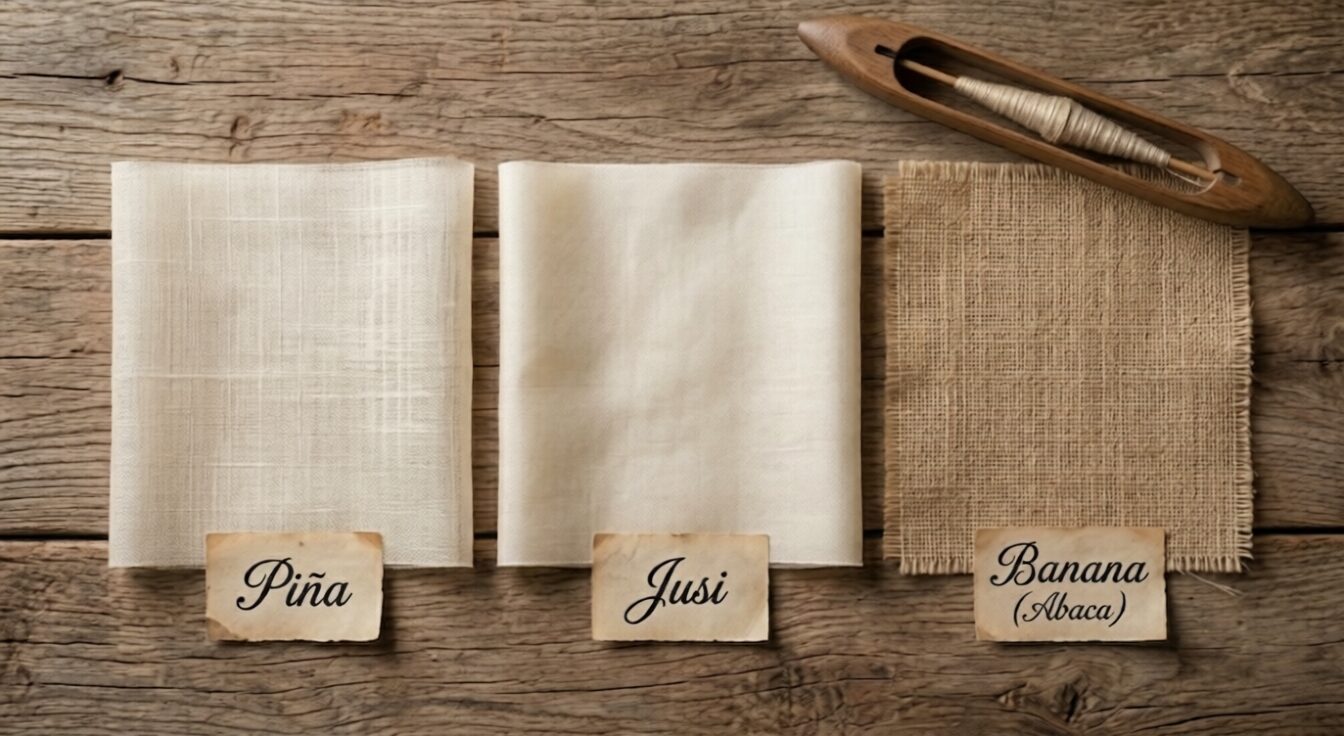
Samples of Piña, Jusi, Banana.

2. The Fabric Hierarchy: Understanding Your Heritage

In our experience, the biggest hurdle for Fil-Ams is distinguishing between fabrics. To honor the tradition, you must know what you are wearing. Here is our expert breakdown:

Fabric Type

Origin

Traditional Significance

Best Use Case

Piña

Pineapple Fiber

The “Queen” of fabrics; highly prestigious.

Weddings & State Events

Jusi

Raw Silk/Synthetic

The “Classic” choice; crisp and durable.

Galas & Formal Parties

Banana (Abaca)

Banana Fiber

Earthy, stiff, and eco-friendly.

Cultural Festivals

Piña-Seda

Piña & Silk Blend

The “Modern Luxury” balance.

High-end Guest Attire

At Handmade Kapamilya, we prioritize authentic Filipino formal wear. We source our Piña from Aklan and our embroidery from the artisans of Lumban, Laguna—the “Embroidery Capital of the Philippines.”

3. Cultural Festivals: A Living Canvas of Identity

During vibrant festivals like Sinulog or local fiestas, the Barong Tagalog transforms from a formal garment into a symbol of regional pride.

  • Regional Artistry: In the Visayas, you might see Barongs with ocean-inspired motifs. In Luzon, floral “Calado” (open-work) is king.
  • The “Bordado” Tradition: These festivals are where the master embroiderers showcase their skills. Every stitch tells a story of a town’s history. Wearing a handmade Barong Tagalog during these times is a way of saying, “I know where I come from.”

4. Government and Statecraft: A Mark of Respect

The Barong Tagalog is the national formal attire of the Philippines for a reason. It is the “Great Equalizer.” From the President to the local clerk, the Barong removes the barriers of class.

  • Official Functions: When government officials attend state visits, the Barong is a requirement. It signals transparency (due to the sheer fabric) and national sovereignty.
  • Etiquette: If you are attending a formal event at a Philippine Consulate or a gala, the Barong is considered “Black Tie” equivalent. Never wear a tie with a Barong—the embroidery around the collar is meant to be seen, not covered.
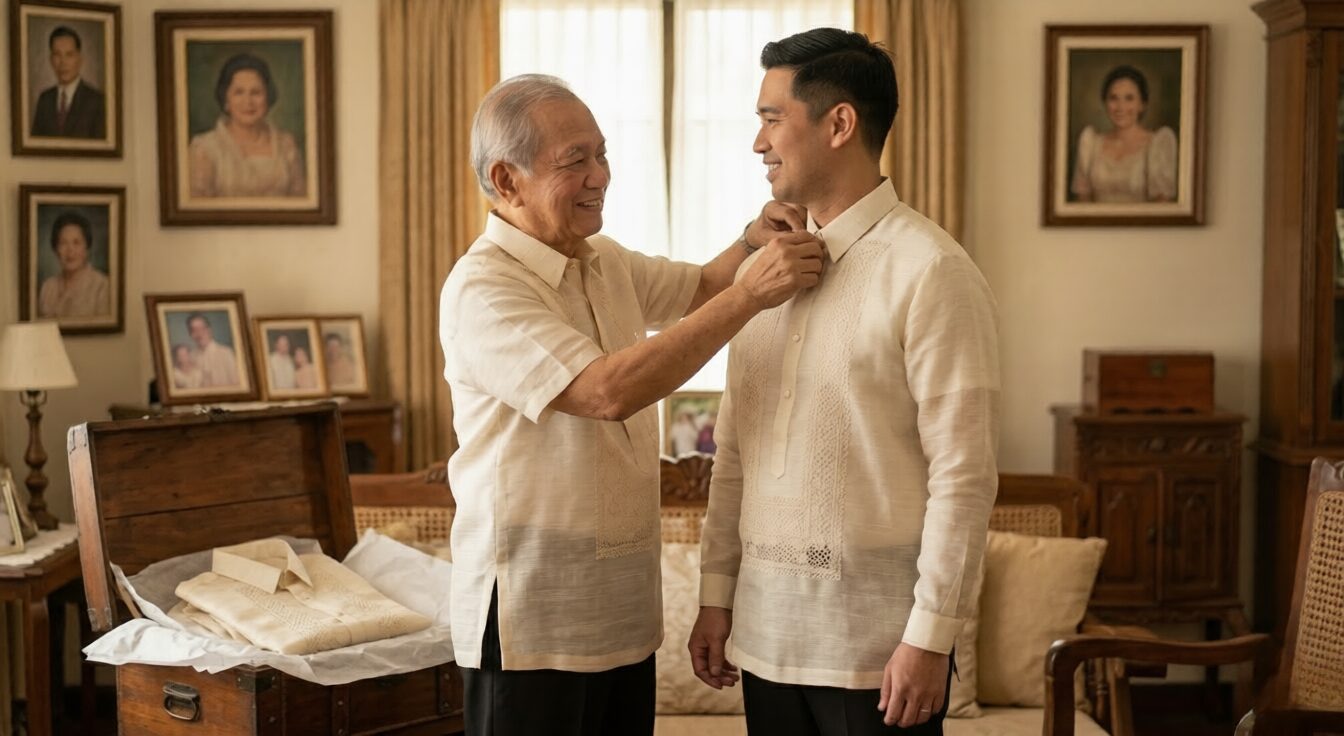
Father passing down ancestral Barong.
Father adjusting the collar of a groom’s Barong Tagalog in a traditional Filipino home.

5. Family Celebrations: The “Pamana” Legacy

The most enduring Barong Tagalog tradition is the concept of Pamana—passing the garment down through generations.

“We recently had a client bring in a Barong from 1974. It was his father’s. We carefully restored the lace and resized it so he could wear his father’s legacy at his own wedding. That is the power of this garment.” — Lead Designer, Handmade Kapamilya.

  • Continuity: When a father gifts his son his first Barong, it is a rite of passage. It marks the transition from childhood to being a “Gentleman of the Heritage.”
  • Sentimental Bonds: Because high-quality Barongs (like those made of Jusi or Piña) last for decades, they become vessels for family memories.

6. Gifting the Barong: A Symbol of Affection

In Filipino culture, gifting a Barong is a profound gesture of respect. It is commonly given during:

  1. Graduations: To prepare the young man for his professional journey.
  2. Retirements: To honor a lifetime of hard work.
  3. Anniversaries: As a “renewal” of cultural pride.

Gifting a custom Barong Tagalog shows that you have taken the time to understand the recipient’s measurements, style, and heritage. It is a gift of identity.

7. The Modern “Pogi” Style: Etiquette for the Diaspora

For our Fil-Am community, wearing a Barong can feel intimidating. Here is how to maintain tradition while looking modern:

  • The Fit: Traditionally, Barongs were boxy. Today, we recommend a “Modern Fit”—slim through the waist but allowing enough room for the fabric to breathe.
  • The Undershirt: Always wear a long-sleeved white camisa de chino. A short-sleeved t-shirt creates a visible line at the biceps that breaks the “clean” look of the embroidery.
  • Pants and Shoes: Pair your Barong with black dress slacks and polished black leather shoes. Avoid jeans or brown shoes unless it is a very casual outdoor event.

8. Caring for Your Barong: Preservation Tips

A Barong is an investment. To ensure it becomes a Pamana, follow these rules:

  1. No Machine Washing: The agitation will shred the delicate pineapple or silk fibers.
  2. Hand Wash with Mild Soap: Use a gentle touch and air dry.
  3. The Padded Hanger: Never use wire hangers. They create “shoulder nipples” in the delicate fabric. Use padded hangers to maintain the silhouette.
  4. Storage: Store in a breathable cotton garment bag. Plastic bags can trap moisture and cause the fabric to yellow.

Conclusion: Wear Your Story with Pride

Barong Tagalog traditions are more than just rules of fashion; they are the threads that connect us to our ancestors and our future. Whether you are walking down the aisle, accepting an award, or simply celebrating your roots at a family reunion, the Barong tells the world that you are proud of your Filipino blood.

At Handmade Kapamilya, we don’t just sell clothes. We craft legacies. We invite you to explore our collection and find the piece that speaks to your story.

Salamat po for being part of our journey.

[Shop our Authentic Barong Tagalog Collection]

[Explore Custom Wedding Barongs]

Must-Read Topics About Filipino Culture and Identity:

Premium Barong Tagalog collection display.

Barong Tagalog Fabrics: How to Choose the Right One

From Piña to Jusi: How to Select the Perfect Material for Your Milestone Moment

Mabuhay! If you are reading this, you are likely preparing for one of life’s milestone moments—perhaps your own wedding, a baptism, or a high-profile gala. You know you want to wear the national dress of the Philippines, but as you start browsing, you are met with a dizzying array of terms: Piña, Jusi, Organza, Jusilyn.

Choosing the right Barong Tagalog types is about more than just aesthetics; it is about how you feel when you walk into a room and how you honor the artisans who spent weeks hand-embroidering your garment. In our workshop, we believe that every thread tells a story. If the fabric is the canvas, the embroidery is the soul.

In this comprehensive guide, we are going to dive deep into the technical and cultural nuances of every major Barong fabric to ensure you make an investment you’ll be proud to pass down to the next generation.

Why the Fabric Type Defines Your Barong Experience

In the Philippines, the Barong Tagalog is a symbol of “pagkatao” (identity) and “dangal” (honor). However, for many Fil-Americans or those living abroad, the tactile differences between fabrics can be hard to discern through a computer screen.

The fabric you choose dictates three things:

  1. The Silhouette: Does it stand crisp and stiff, or does it drape softly over the shoulders?
  2. The Breathability: Will you stay cool during an outdoor summer wedding, or will you be sweating before the “I dos”?
  3. The Prestige: Certain fabrics are considered “heirloom quality,” while others are designed for one-time theatrical use.
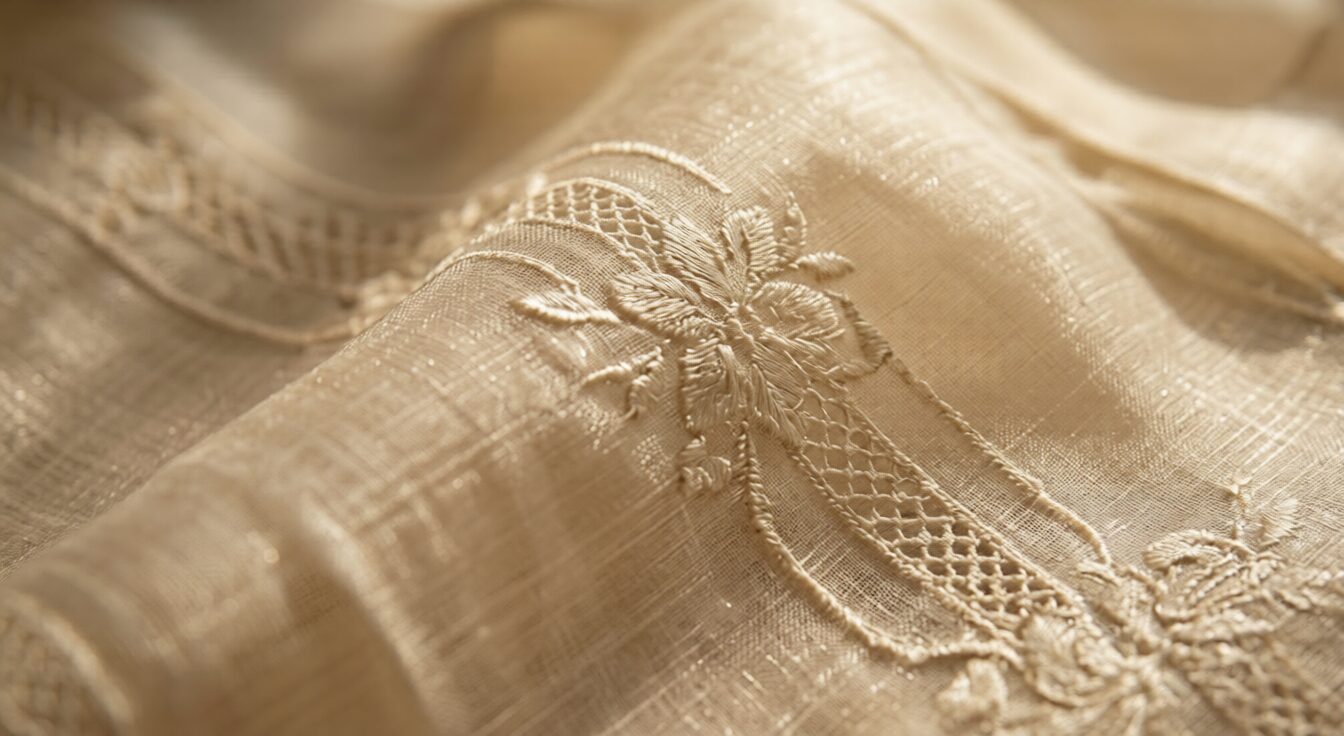
Intricate Piña fabric embroidery detail.

A close-up view highlighting the intricate craftsmanship and calado embroidery of the prestigious Traditional Costume Barong Tagalog made from Piña fiber.

1. Piña Barong: The “Queen” of Philippine Fabrics

When discussing Barong Tagalog types, the Piña Barong sits at the undisputed top of the hierarchy. If you are looking to buy Barong Tagalog for your wedding day, this is the gold standard.

The Craftsmanship

Piña is made from the delicate fibers of the Red Spanish Pineapple leaves. These fibers are scraped by hand, washed, and woven on traditional backstrap looms, primarily in Aklan. We often tell our clients that wearing Piña is like wearing a piece of history.

Why Choose Piña?

  • Texture: It has a soft, shimmering, and slightly golden hue.
  • Durability: Despite its delicate appearance, Piña is incredibly strong and can last for decades if stored correctly.
  • E-E-A-T Insight: At Handmade Kapamilya, we source our Piña from weavers who use the Piña-Seda (Pineapple-Silk) blend, which adds a subtle luster and makes the garment slightly more affordable than 100% Piña-Liniwan.

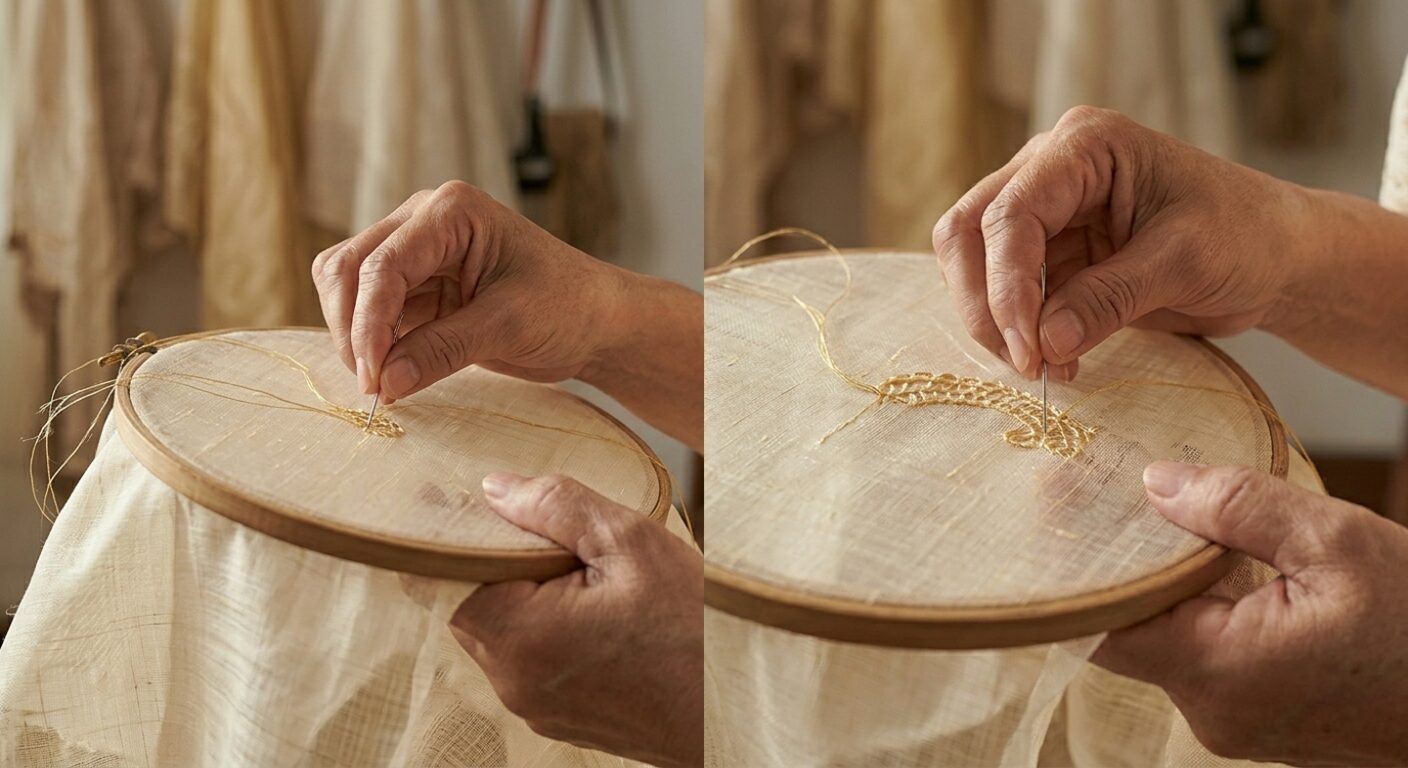
Expert Tip: Look for the “callado” style of embroidery on Piña. This is a labor-intensive “pulled thread” technique that creates a lace-like effect, signifying a truly premium Barong.

2. Jusi Barong: The Versatile Modern Classic

If Piña is the Queen, Jusi (pronounced hoo-see) is the dependable Noble. Traditionally made from raw silk, modern Jusi is often a high-quality mechanically woven silk that offers a more uniform look.

The Aesthetic

Jusi is more opaque than Piña but retains a refined, professional sheen. It is the most popular choice for wedding guests and groomsmen because it holds intricate embroidery beautifully without the high price tag of pineapple fiber.

Variants of Jusi:

  • Jusi-Pina: This is Jusi woven with subtle horizontal streaks to mimic the look of expensive Piña.
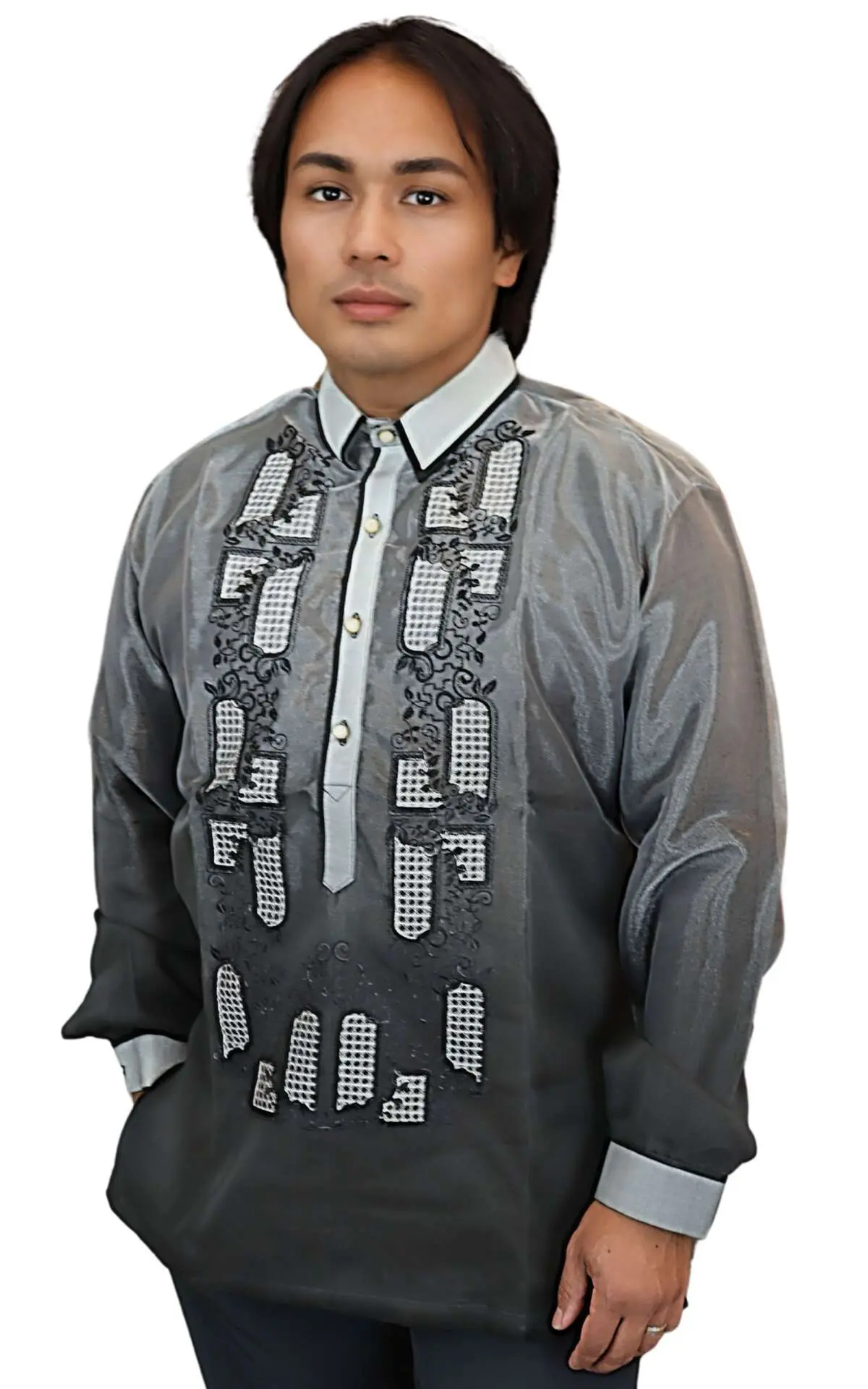
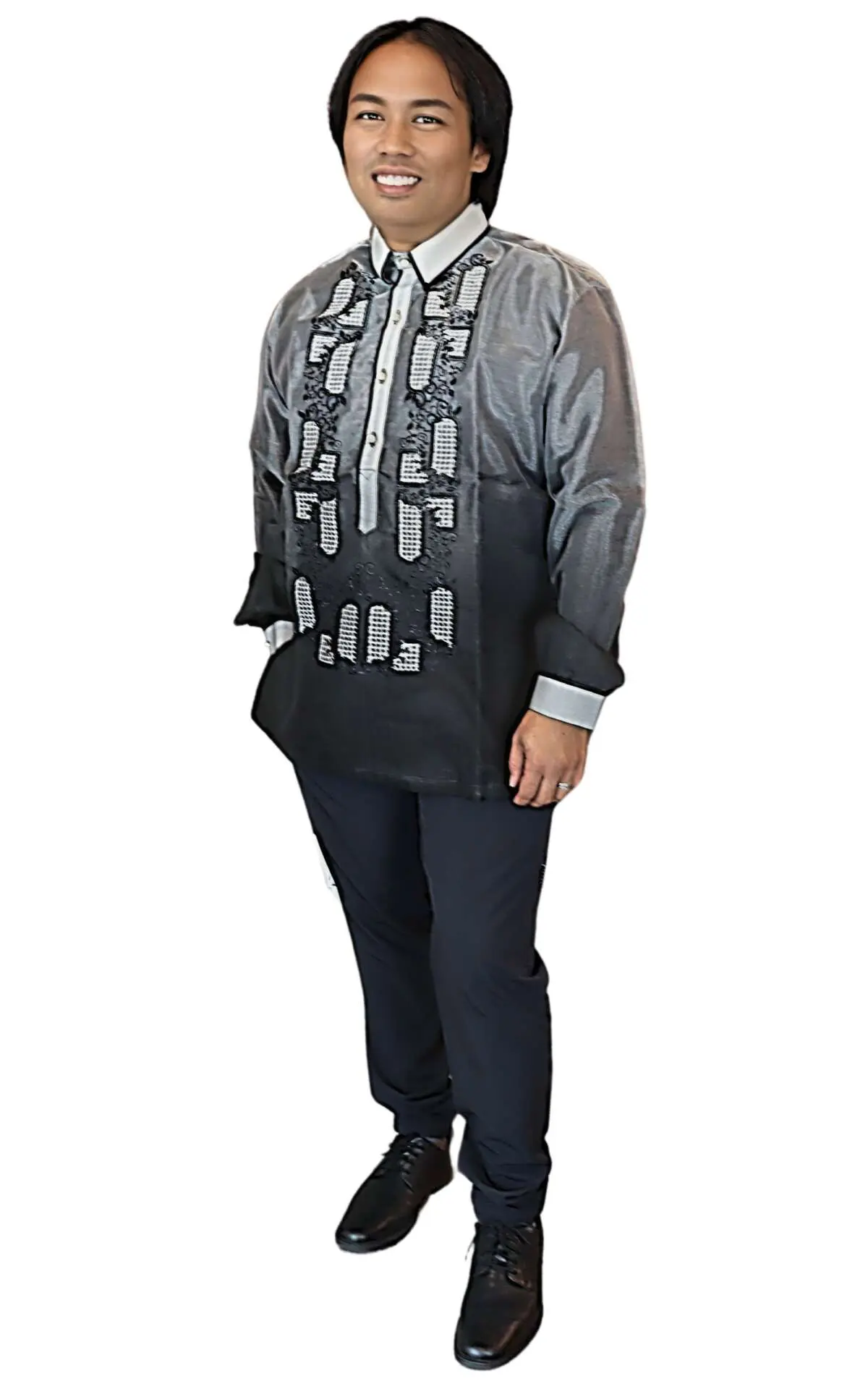
  • Monochromatic Jusi: Perfect for the modern man, these often feature “ombre” or gradient dyes that transition from dark to light.

If you are looking for a custom Barong Tagalog that balances tradition with a budget, Jusi is your best friend. It is easy to tailor and looks fantastic in photographs.

3. Gusot-Mayaman (Linen): The “Wrinkle of the Rich”

For the Filipino professional, the Gusot-Mayaman is the daily driver. Translated literally to “Wrinkle of the Rich,” this name comes from the fact that high-quality linen wrinkles easily—a sign that the wearer is wearing expensive, natural fibers rather than cheap synthetics.

Why We Love It for Events

  • Comfort: It is the most breathable of all Barong Tagalog types. If your event is outdoors in a tropical climate (or a humid summer in the States), linen is a lifesaver.
  • Style: It features simpler, geometric embroidery and a “half-open” button down style, making it slightly more casual but still incredibly sharp.

4. Organza and Jusilyn: Affordable Elegance

We understand that not everyone needs an heirloom piece. Perhaps you are attending a cultural night or need a uniform for a large group.

Organza Barong

Organza is a synthetic, sheer material made from polyester and silk. It is very shiny and very stiff. While it is the most budget-friendly option, we usually recommend it for stage performances or one-off events. It does not breathe well, so be prepared for a bit of heat!

Jusilyn Barong

Jusilyn is a step up from Organza. It is a silk-polyester blend that is chemically treated to have a “painted” or “printed” look. It is more opaque than Jusi, meaning you don’t have to worry as much about your undershirt showing through. It’s a great “starter” Barong for those new to Filipino formal wear.

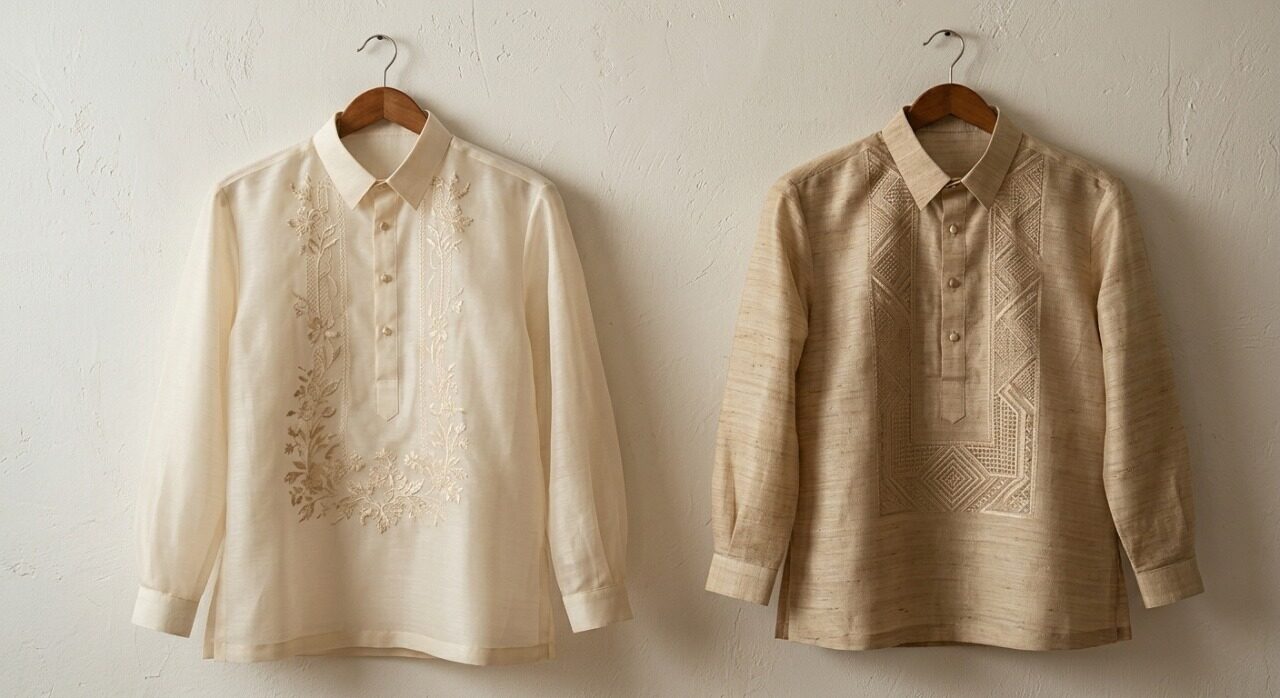
Jusi and Cocoon silk comparison.

A side-by-side comparison of two popular choices for the Traditional Costume Barong Tagalog: smooth, elegant Jusi (left) and textured, sturdy Cocoon silk (right).

5. Cocoon and Silk Barongs: The Modern Luxury Alternative

In recent years, Cocoon Silk has emerged as a favorite in our workshop. It is made from silk but processed to look like Piña. It has a distinct, textured “slub” that gives it an organic, high-end feel.

  • Pros: It is much more durable than Piña and less prone to tearing.
  • Cons: It is heavier and less breathable than Jusi.

Comparison Table: Barong Tagalog Types at a Glance

Fabric Type

Material Source

Best For

Price Point

Breathability

Piña

Pineapple Leaf

Weddings / Gala

Premium ($$$)

Excellent

Jusi

Silk

Groomsmen / Guests

Mid-Range ($$)

Good

Linen

Flax / Linen

Office / Semi-Formal

Mid-Range ($$)

Best

Jusilyn

Silk Blend

Large Events / Budget

Affordable ($)

Moderate

Organza

Polyester

Costumes / Stage

Budget ($)

Low

Groom in wedding Piña Barong.

A groom beaming with pride on his wedding day while wearing a Traditional Costume Barong Tagalog made of Piña fabric, handcrafted by the artisans at Handmade Kapamilya.

How to Choose: The “Handmade Kapamilya” Selection Guide

When a client asks us which of the Barong Tagalog types they should buy, we ask three questions:

1. What is your role in the event?

If you are the Groom or the father of the bride, go for Piña or Cocoon Silk. You want to stand out. If you are a guest, a high-quality Jusi Barong is respectful and stylish without overshadowing the hosts.

2. Where is the venue?

  • Outdoor/Beach: Go with Linen (Gusot-Mayaman).
  • Air-conditioned Ballroom: Jusi or Piña will hold their shape perfectly.

3. What is your “Camisa de Chino” strategy?

The Camisa de Chino is the T-shirt worn underneath. With sheer fabrics like Piña and Jusi, the undershirt will be visible. If you prefer a cleaner, more opaque look, choose Jusilyn or a heavy Silk.

Caring for Your Heritage: Maintenance Tips

Salamat for investing in a quality Barong! To ensure it lasts, never put your Barong in a washing machine.

  1. Hand Wash Only: Use a very mild detergent (or even baby shampoo).
  2. Do Not Wring: Lay it flat on a towel to dry.
  3. Ironing: Use the silk setting and always iron it inside out to protect the embroidery.

Conclusion: Ready to Find Your Match?

The Barong Tagalog is more than just a shirt—it is a connection to our ancestors and a celebration of Filipino craftsmanship. Whether you choose the regal Piña or the crisp Linen, you are carrying a piece of the Philippines with you.

At Handmade Kapamilya, we take pride in ensuring every stitch is perfect. Our artisans in the Philippines work tirelessly to bring you the highest quality wedding Barongs and formal wear.

Ready to find your perfect fit?

Browse our Collection of Premium Barong Tagalog Types here.

Further Reading & Related Guides


Barong Tagalog as a Gift

Elegance Unwrapped: The Timeless of Giving a Barong Tagalog as a Gift

When it comes to finding the perfect gift that embodies sophistication, cultural pride, and enduring elegance, look no further than the Barong Tagalog. This traditional Filipino garment transcends fashion trends, making it a timeless present that captures the heart of both the giver and the receiver. Whether it’s for a special occasion or a token of appreciation, gifting a Barong Tagalog is a gesture that will be cherished for a lifetime. Let’s unwrap the beauty and significance of giving a Barong Tagalog as a gift.

Philippines Flag

A Symbol of Cultural Heritage

Gifting a Barong Tagalog is more than just presenting a piece of clothing; it is bestowing the essence of Filipino cultural heritage upon someone special. Whether the recipient is Filipino or not, the Barong Tagalog serves as a reminder of the rich traditions, artistry, and values that define the Philippines. The gift becomes a bridge that connects the recipient to the timeless elegance of Filipino culture.

Thoughtful and Personalized Barong Tagalog as a Gift

Choosing a gift that is thoughtful and meaningful can be a challenge, but a Barong Tagalog is a gift that radiates thoughtfulness and personalization. With a wide range of designs, fabrics, and styles available, you can select a Barong Tagalog that perfectly suits the recipient’s taste and personality. Whether they prefer classic embroidery, modern embellishments, or a particular fabric like piña or jusi, there’s a Barong Tagalog that reflects their individuality.

Barong Tagalog as a Gift
Guy secretly opens the gift box. He looks at what’s inside the box. Could it be a Barong Tagalog?

Perfect for Special Occasions

Barong Tagalogs are the epitome of elegance, making them an ideal gift for special occasions and milestone events. From weddings and anniversaries to birthdays and graduations, a Barong Tagalog adds an element of grace and sophistication to these memorable moments. Presenting the gift of a Barong Tagalog during significant life events symbolizes a desire to share in the joy and honor the importance of the occasion.

Creating Lasting Memories with the Barong Tagalog as a Gift

The beauty of gifting a Barong Tagalog lies not only in the present moment but in the lasting memories it creates. Every time the recipient wears the Barong Tagalog, they will be reminded of the occasion and the person who bestowed this cherished gift. The Barong Tagalog becomes a keepsake, passed down through generations, carrying with it the sentiment and love of the giver.

Strengthening Bonds

Gifting a Barong Tagalog is a gesture that goes beyond the material item; it strengthens bonds and fosters connections. For couples, exchanging matching Barongs can be a symbol of unity and commitment. For families, gifting Barongs to sons, brothers, or nephews during significant life events reinforces the ties that bind them together. The Barong Tagalog becomes a thread that weaves connections and strengthens relationships.

Spreading Cultural Appreciation

When you give a Barong Tagalog as a gift, you are not only presenting an elegant garment but also spreading cultural appreciation and understanding. The recipient may not have been familiar with Filipino culture before, but through this gift, they get a glimpse of the richness and beauty that the Philippines has to offer.

Barong Tagalog

Conclusion: A Gift Beyond Compare

Gifting a Barong Tagalog is a gesture that transcends borders and generations. It is a timeless treasure that embodies elegance, tradition, and the enduring spirit of Filipino culture. From special occasions to intimate celebrations, the Barong Tagalog stands as a symbol of cultural heritage, love, and thoughtfulness.

As you bestow the gift of a Barong Tagalog, you are not merely presenting a garment; you are offering a piece of history and tradition. In the unwrapping of the Barong Tagalog, the recipient discovers a gift that is beyond compare – an embodiment of grace and an enduring connection to the captivating elegance of the Philippines.

Barong Tagalog History

Barong Tagalog: Unraveling the Timeless Threads of Filipino Heritage

Here’s some Barong Tagalog history: The Barong Tagalog, with its intricate embroidery and graceful design, is not just a garment; it is a symbol of Filipino identity and cultural pride. This iconic traditional attire has a rich history that dates back centuries, weaving together tales of heritage, artistry, and national unity.

Origins of the Barong Tagalog

The origins of the Barong Tagalog can be traced back to the pre-colonial era of the Philippines. Early Filipinos, long before the arrival of foreign influences, donned loose-fitting, translucent shirts made from indigenous materials such as pineapple and abaca fibers. These light and breathable garments were well-suited to the country’s tropical climate, reflecting the ingenuity of the Filipino people in adapting clothing to their surroundings.

Influence of Spanish Colonization

The Barong Tagalog, as we know it today, bears the mark of Spanish colonization. During the Spanish colonial period (16th to 19th century), the traditional Filipino attire underwent significant changes. The Spaniards introduced European fashion elements, and the once-sleeveless Barong gained long sleeves and a button-down front. The intricate embroidery work, inspired by Spanish lace and drawn threadwork, became a prominent feature of the Barong Tagalog, adding an exquisite touch to the garment.

Barong Tagalog History Comes From Spanish Colonization

National Symbol and Formal Attire

As the Philippines struggled for independence, the Barong Tagalog emerged as a potent symbol of Filipino resistance and identity. During the revolutionary period against Spanish rule and later against American colonization, the Barong was worn with pride by national heroes and freedom fighters. After gaining independence in 1946, the Philippine government declared the Barong Tagalog as the national formal attire for men, cementing its significance in the country’s history and culture.

Barong Tagalog in Modern Times

Despite the changing fashion landscape, the Barong Tagalog has endured the test of time and continues to be an integral part of Filipino culture and celebrations. From weddings and formal events to national holidays and traditional ceremonies, the Barong Tagalog remains a symbol of elegance and cultural heritage. Moreover, with the rise of “Barong Fridays” and a resurgence of national pride, more Filipinos are embracing this traditional attire in everyday wear, further preserving its legacy for future generations.

Craftsmanship and Artistry

At the heart of the Barong Tagalog‘s allure lies the exceptional craftsmanship and artistry of Filipino weavers and embroiderers. Skilled artisans painstakingly create delicate patterns and designs, infusing each Barong with a unique story and artistic expression. This dedication to craftsmanship has made the Barong Tagalog not just a piece of clothing but a work of art that represents the soul of Filipino culture. These delicate pieces of clothing need special care for your Barong Tagalog.

Barong Tagalog History revolves around pineapple leaf fabric

Conclusion: Embracing the Barong Tagalog Legacy

The Barong Tagalog stands as a timeless masterpiece that encapsulates the beauty of Filipino culture and history. From its humble origins in pre-colonial times to its present-day prominence as a national symbol, the Barong Tagalog remains a testament to the resilience and creativity of the Filipino people.

As we don the Barong Tagalog with pride and admiration, let us remember the centuries of history and artistry woven into its fibers. Embracing this iconic garment is not just a fashion choice; it is a celebration of our shared heritage and a commitment to preserving the cultural legacy for generations to come. The Barong Tagalog continues to be a shining beacon of Filipino identity, connecting us to our roots and uniting us as one nation with a rich and vibrant history.

Filipino Funeral Attire & Filipino Funeral Gifts

A Farewell with Grace: Traditional Filipino Funerals and the Symbolic Barongs

In the Philippines, funerals are not just somber occasions; they are a heartfelt tribute to the departed and a celebration of a life well lived. Amidst the mourning and grief, a sense of cultural pride and unity envelops these solemn events. At Filipino funerals, the traditional Barong Tagalog takes on a poignant role, symbolizing respect, dignity, and a final farewell with grace. Let’s explore the significance of Filipino funerals and the elegant presence of Barongs during these meaningful ceremonies.


Filipino Funeral in Christian Church


Filipino Funeral Traditions: Embracing Respect and Unity

Filipino funerals are deeply rooted in cultural traditions that reflect the nation’s values of respect and unity. The grieving process is a collective affair, with friends, family, and community members coming together to offer condolences and support to the bereaved family. In the face of loss, Filipino funerals serve as a reminder of the strength of familial bonds and the resilience of the human spirit.


The Significance of Barong Tagalogs at Filipino Funerals

During Filipino funerals, Barong Tagalogs, typically either the classic white or black, play a significant role in honoring the departed and the mourning process. The elegant and dignified appearance of black Barongs symbolizes respect for the deceased and their family. Wearing Barongs demonstrates an acknowledgment of the solemnity of the occasion and the desire to pay tribute to the life that has passed.


Barong Tagalog Colors: A Display of Mourning at Filipino Funerals

In Filipino culture, white is the color associated with purity. Black barong is the color associated with mourning. During funerals, the Barong Tagalog worn by close family members, such as sons, brothers, and nephews, is often white or a subdued color to signify purity or black for mourning. The use of white Barongs exemplifies a sense of solemnity and reverence, honoring the memory of the departed.


Filipino Black Barong Tagalog


Filipino Funeral Gifts

When attending a Filipino funeral, it is customary to bring gifts that show support and sympathy for the grieving family. Common gifts include flowers, often white, symbolizing purity and respect. Monetary contributions, known as “abuloy,” are also a significant tradition, helping with funeral expenses and showing communal solidarity. Additionally, food is frequently given, easing the family’s burden during their time of grief. These gestures embody the deep sense of community and compassion characteristic of Filipino culture.


Black Feather Embroidered Long S...
Price range: $76.01 through $79.04
Black Long Sleeve Organza Barong...
Price range: $76.01 through $79.04
White Long Sleeve Organza Barong...
Price range: $76.01 through $79.04

Paying Final Respects with Elegance at Filipino Funerals

As the funeral service proceeds, the elegant Barong Tagalogs worn by family members add a touch of grace and dignity to the proceedings. The attire signifies that, even in the face of sorrow, the Filipino spirit remains resilient and dignified. It is a testament to the enduring cultural pride that persists through times of grief.


Filipino Funeral Grounds


Community Support and Unity

Throughout the funeral, the presence of the community and extended family offers comfort to the bereaved. The Barong Tagalogs worn by attendees foster a sense of unity, creating a visual reminder of shared cultural heritage and the collective mourning for the departed.


A Celebration of Life and Legacy

Filipino funerals are not solely a time for mourning; they are also an opportunity to celebrate the life and legacy of the departed. Through stories, eulogies, and shared memories, loved ones find solace in honoring the impact of the deceased on their lives. The elegance of Barongs adds a touch of grace to this celebration of a life well-lived.


Unique Burial Location on Side of Cliff
Sagada, Philippines-October 9, 2016: The Igorots practice unique funerary customs-the dead are buried in coffins tied or nailed to cliffs. Sagada-Mountain province-Cordillera region-Luzon-Philippines.


Conclusion: The Last Goodbye with Dignity

Filipino funerals, with the dignified presence of Barong Tagalogs, are a poignant reminder of the significance of cultural traditions during times of grief. These ceremonies reflect the profound respect and unity that characterize Filipino communities.


Filipino Funeral Precession

As the Barong Tagalog elegantly graces the final farewell, it symbolizes the enduring legacy of the departed and the spirit of resilience that unites the Filipino people. Funerals in the Philippines are not just a time of mourning; they are a testament to the strength of cultural heritage and the profound sense of respect that defines Filipino tradition.

Filipino Baptisms Gown & Traditions

Filipino Baptisms and the Graceful Presence of Barongs: A Sacred Rite of Passage

In the Philippines, baptisms are joyous celebrations, marking a child’s spiritual journey into Christian faith. Surrounded by love and cherished traditions, they forge lasting bonds, embracing family and culture. Enveloped in family warmth and Barong Tagalogs’ elegance, Filipino baptisms epitomize tradition and devotion. Let’s explore their significance.


Embracing Faith and Community Around Filipino Baptisms

Filipino baptisms hold a special place in the hearts of Filipino families. Beyond the religious significance, they symbolize a strong sense of community and familial bonds. As family and friends gather to witness this sacred event of a Filipino baptism, they come together in support and love, creating an atmosphere of joy and unity.


Church in Manila, Philippines


The Role of Godparents in Baptisms

Godparents, known as “ninong” (male) and “ninang” (female), play a pivotal role in Filipino baptisms. They are chosen by the child’s parents to provide spiritual guidance and support throughout the child’s life. The Godparents’ commitment to their role is a testament to the close-knit relationships within Filipino families and communities.


Baptismal Attire: The Elegance of Barong Tagalogs

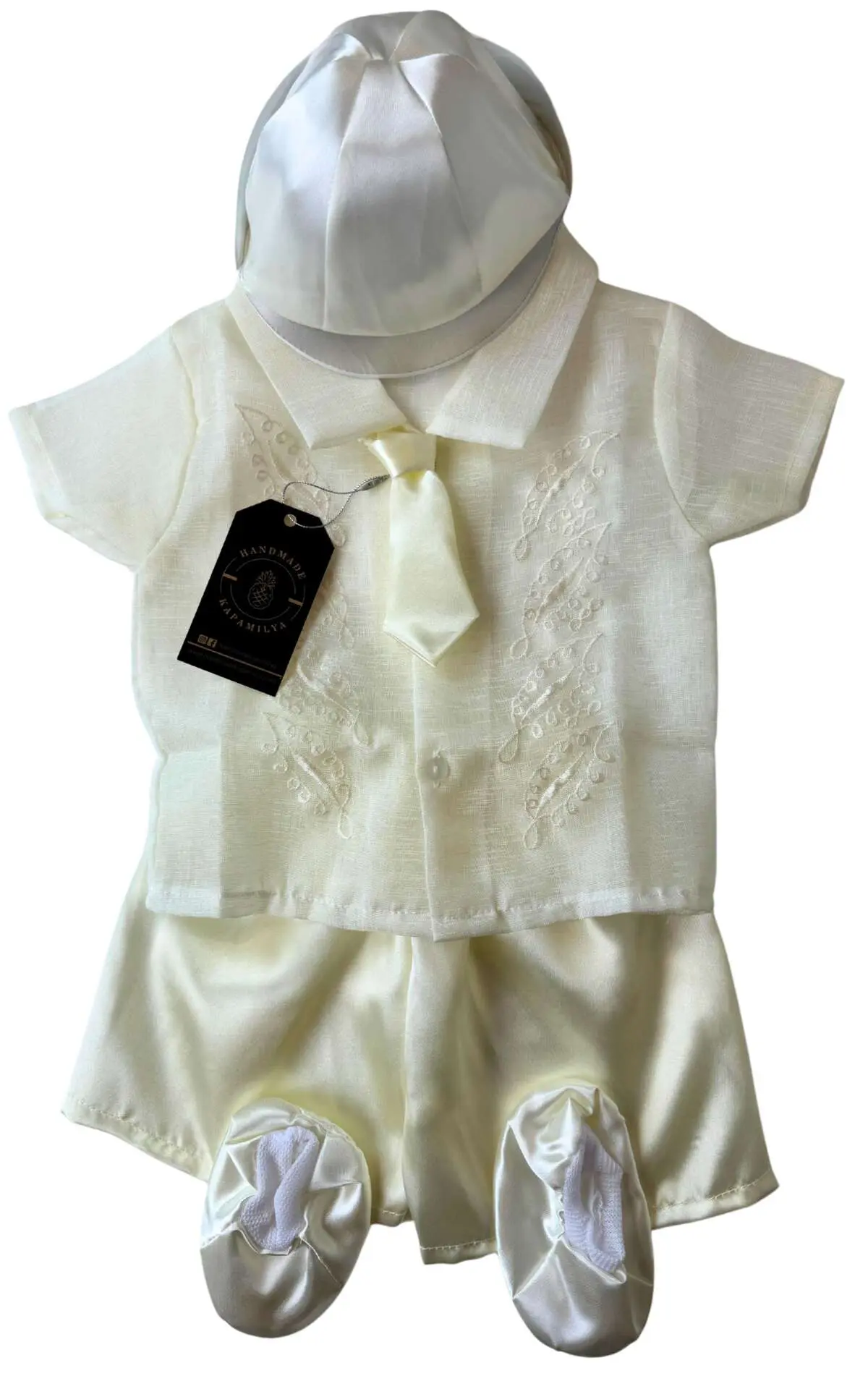
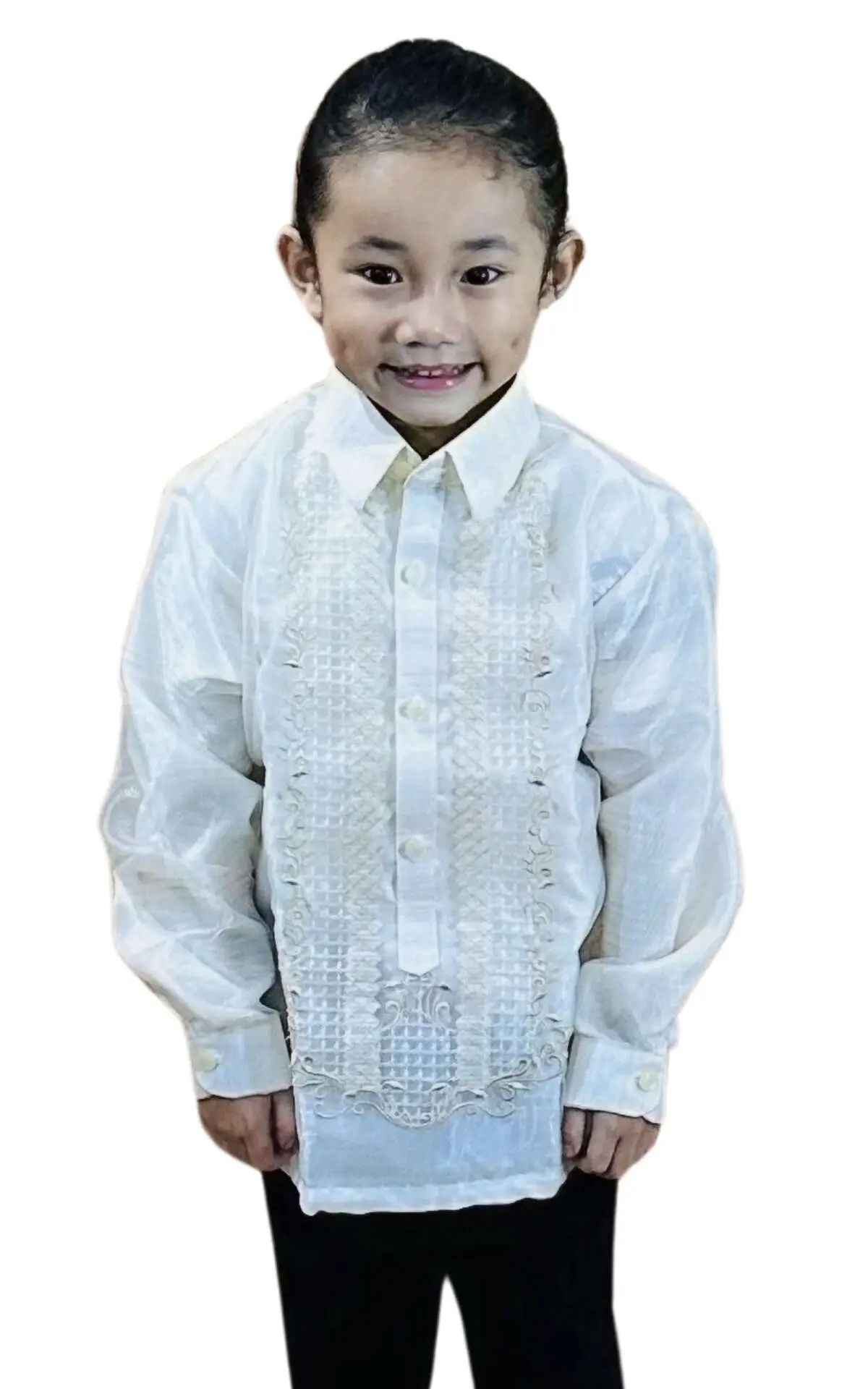
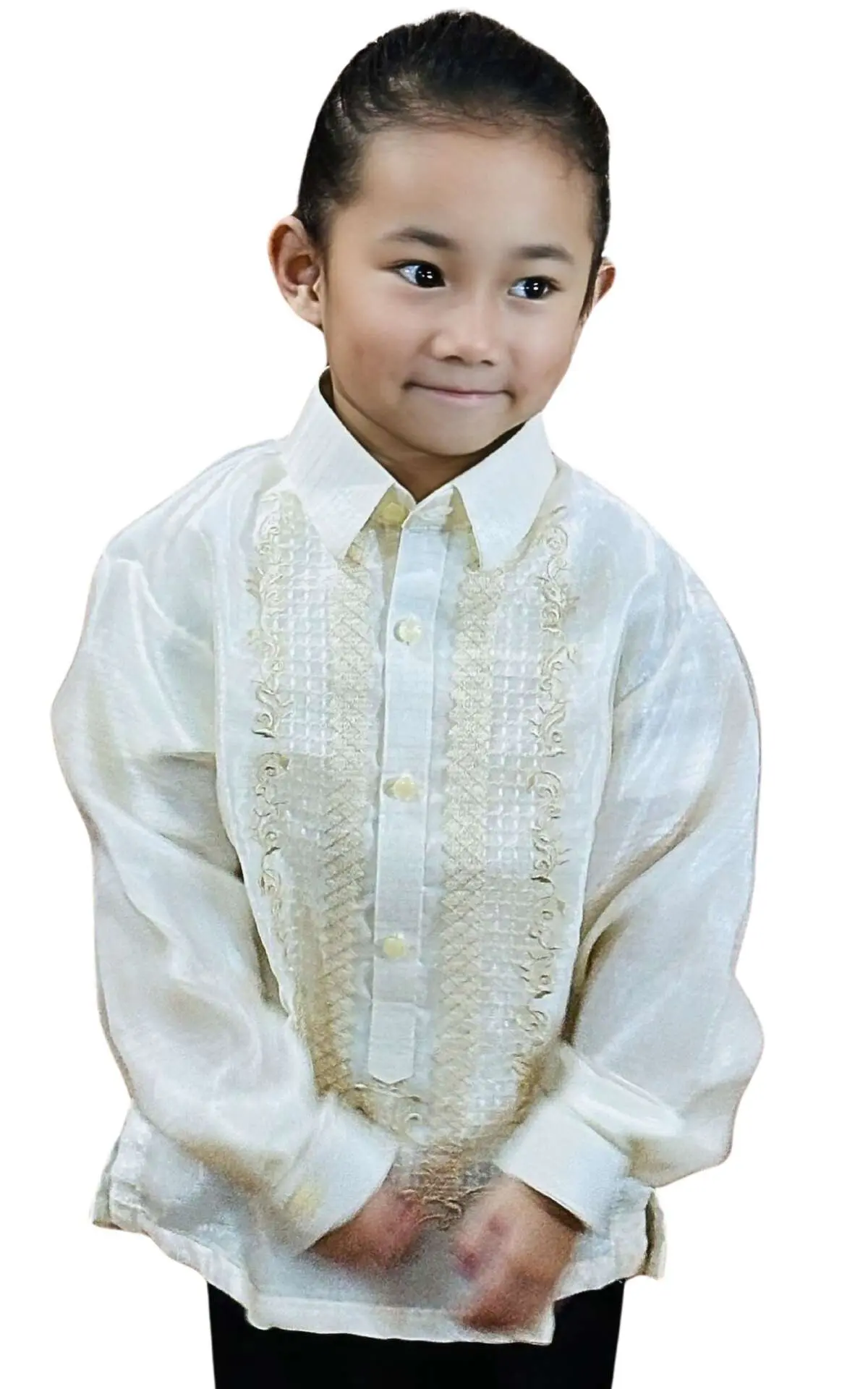
In Filipino baptisms, the attire of choice for young boys is the elegant Barong Tagalog. These finely crafted garments, often made from piña, jusi, or other delicate fabrics, embody the essence of Filipino elegance. Worn by the child, parents, and Godparents alike, the Barong Tagalog assumes a role of profound symbolism during this sacred occasion, signifying purity and reverence. With its immaculate design and graceful fabric, the Barong Tagalog embodies the essence of spiritual sanctity, enveloping the participants in an aura of solemnity and devotion as they come together to celebrate this cherished moment of faith and tradition.


Filipino Barong Tagalog
Traditional Costume Barong Tagalog


Infant Christening Baptism Outfi...
Original price was: $51.20.Current price is: $29.99.
-41%
Kids White Long Sleeve Organza B...
Price range: $66.37 through $78.44

A Ritual of Blessings and Symbolism in Filipino Baptisms

The baptismal ceremony itself is steeped in ritual and symbolism. The water used for baptism takes on a profound meaning, symbolizing purification and the cleansing of sins, while the sign of the cross gently traced on the forehead holds a sacred significance as it marks the child’s initiation into the Christian faith. These symbolic rituals not only sanctify the moment but also serve as a spiritual bridge, connecting the child to a lifelong journey of faith and devotion.Throughout the ceremony, prayers are offered, blessings bestowed, and the child is officially named, signifying their belonging to the Christian community.


Filipino baptism
Baby receiving baptism


Post-Baptismal Celebrations: Party Filipino Style

After the baptismal rites at the Filipino baptism, a joyful celebration ensues. Family and friends gather for a festive feast, where traditional Filipino dishes and delicacies abound. During these celebrations, the Barong Tagalogs remain a prominent sight, elegantly complementing the joyful atmosphere with their exquisite craftsmanship and traditional allure. As laughter and festivities fill the air, the graceful presence of these garments adds a touch of cultural pride and sophistication, symbolizing the cherished customs that bring families and friends together in harmonious celebration.


Filipino style lechon
Chefs serve the delicious pig as a dish called lechon, cooking it over a fire and preparing it for guests as a refined entertainment.


A Legacy of Baptism Faith and Tradition

As the child grows, the memory of their baptism remains an indelible part of their life’s journey. The Barong Tagalog worn during this sacred event becomes a cherished keepsake, lovingly passed down through generations, serving as a profound symbol of family unity and unwavering faith. This treasured garment, with its intricate embroidery and delicate fabric, not only preserves the memories of the past but also connects the threads of heritage, weaving a timeless bond that transcends time.


Conclusion: A Blessing of Love and Tradition

Filipino baptisms, adorned with the grace and elegance of Barongs, are a testimony to the profound significance of faith, family, and cultural heritage. These sacred rites of passage unite families and communities in celebration and devotion, creating a lasting bond that transcends time.

As the Barong Tagalog continues to grace the baptisms of young boys, it symbolizes not only elegance but also signifies the enduring legacy of Filipino traditions and values. Moreover, it serves as a poignant reminder of the rich cultural heritage passed down through generations, linking the past and the present in a seamless tapestry of identity and pride. Baptisms in the Philippines are not just moments of spiritual initiation; they are celebrations of love, faith, and cultural identity, beautifully woven together like the delicate threads of a Barong Tagalog, forming a timeless tapestry of Filipino heritage.

Caring for Your Barong Tagalog: Hand Wash Guide

Caring for Your Barong Tagalog: Hand Wash Guide

Caring for Your Barong Tagalog is a treasured piece of Filipino heritage, deserving of meticulous care to maintain its elegance and beauty. We have created this care guide to ensure your barong stays in pristine condition, follow these simple hand wash steps:

  1. Prepare the Solution: Fill a basin with water and add a mild detergent (we have found that either of these brands has worked best for us: Tide or Soak). Gently stir the solution with your hand to evenly distribute the soap.
  2. Submerge and Agitate: Immerse the barong in the detergent solution. With a delicate touch, agitate the fabric to allow the soap molecules to penetrate. Gently lift and lower the barong several times, letting the solution flow through the fabric.
  3. Stain Removal (For Jusi Barongs, the silk ones): If you have a jusi barong and notice stains, use a soft brush to gently treat the affected areas—such as the collar, cuffs, and armholes. For other barong types: (piña, piña-silk, abaca-cotton, or cocoon), avoid brushing and instead, apply more detergent directly to the stained areas. Continue immersing and lifting the barong until the dirt vanishes.
  4. Rinse with Care: Thoroughly rinse the barong with clean water. When rinsing, avoid squeezing or twisting the fabric to prevent damage.
  5. Air Drying: Hang the barong on a plastic or soft (not a wire one) round-edge hanger (or a plastic suit hanger for coats) and allow it to air dry naturally, it should be completely dry by morning.

A word of caution: Hand washing and ironing a barong may require time and skill. If you want to avoid any potential harm or lack the necessary expertise, entrusting your barong to a professional dry cleaner is the best option.

Remember, your barong represents the timeless elegance of Filipino culture, and by giving it proper care, you ensure it remains a cherished piece for generations to come. Embrace the art of caring for your barong, honoring the traditions and craftsmanship woven into its fabric.