Filipino Funeral Attire & Etiquette: A Guide to Honoring Heritage with Dignity
Navigating the loss of a loved one is one of life’s most profound challenges, and the last thing you want to worry about is whether your attire respects the weight of the moment. In the Filipino community, a funeral is more than a goodbye; it is a pagpupugay—a final act of high respect that weaves together faith, family, and our shared history.
Whether you are a Fil-Am returning home for a service or a guest attending your first paglalamay (wake), understanding the nuances of Filipino funeral attire ensures you honor the departed with the grace they deserve. At Handmade Kapamilya, we have spent decades in our workshop helping families select the perfect funeral Barong Tagalog, ensuring that even in moments of sorrow, our culture’s elegance shines through. Salamat for allowing us to guide you through these traditions.
Why Cultural Authenticity Matters in Mourning
In the Philippines, death is a communal event. It is a time when the bayanihan spirit takes over, and the community rallies to support the bereaved. The clothes we wear are not mere fashion; they are a visual language of grief and reverence.
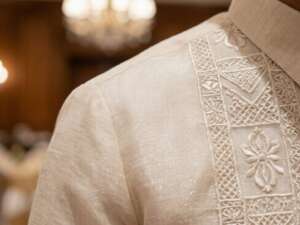
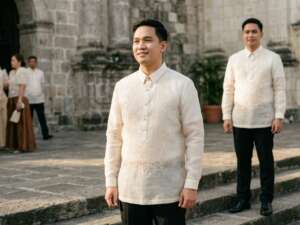
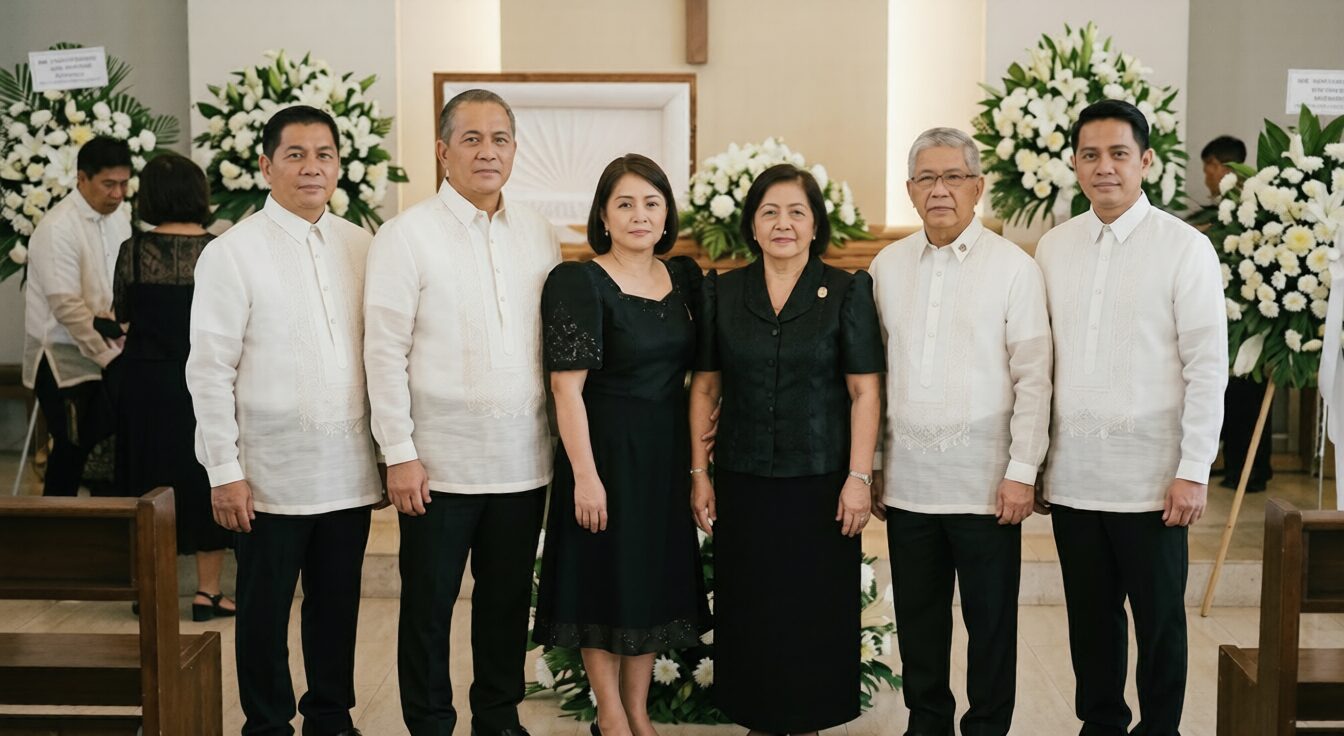
The Barong Tagalog serves as the ultimate symbol of Filipino dignity. To wear one to a funeral is to say that the person being honored is worth our very best. It reflects a resilience that says, “Even in our grief, we remain standing, united by our heritage.”
The “Color of Grief”: White vs. Black Barongs
One of the most frequent questions we receive in our workshop is: “Should I wear a white or black Barong Tagalog to a funeral?” The answer depends on your relationship to the deceased and regional traditions.
1. The Traditional White Barong Tagalog
In many parts of the Philippines, white is the primary color of mourning. It symbolizes purity, the hope of the resurrection, and a peaceful transition into the afterlife.
- Who wears it: Usually the immediate family (sons, brothers, and nephews) and the pallbearers.
- The Vibe: It offers a sense of light amidst the darkness of loss.
2. The Black Barong Tagalog
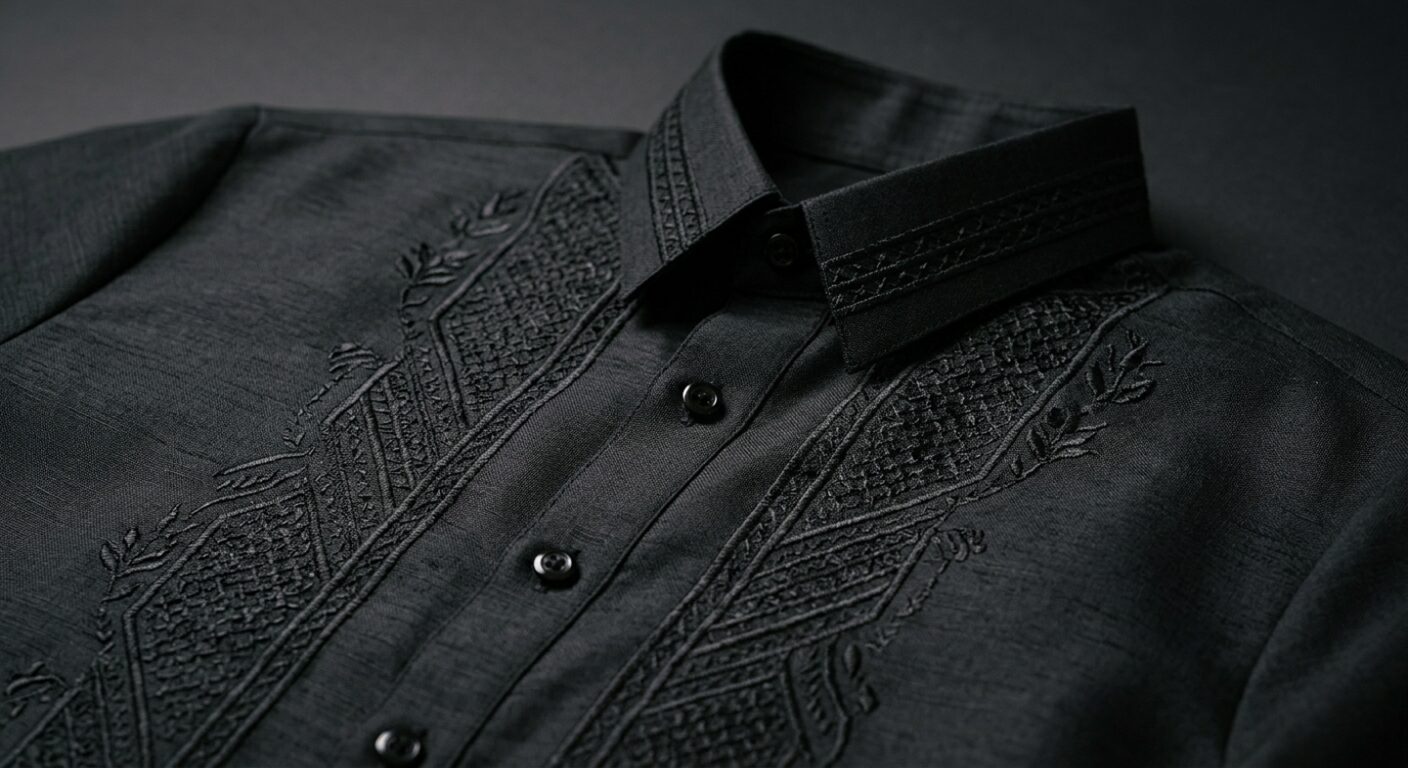
While traditionally Barongs were off-white (the color of natural piña or jusi), the Black Barong Tagalog has become a sophisticated and widely accepted choice for modern funerals and galas alike.
- Who wears it: Close friends, extended family, and attendees who wish to signify deep, formal mourning.
- The Benefit: It is exceptionally versatile and hides the wear and tear of long multi-day wakes better than lighter fabrics.
Expert Tip: If you are unsure, a monochromatic black Barong with subtle, non-flashy embroidery is the “gold standard” for modern Filipino funeral etiquette.
The “Skyscraper” Guide to Filipino Funeral Etiquette
To truly honor the family, you must look beyond just the clothes. Here is everything you need to know about navigating a traditional Filipino service.
1. The Paglalamay (The Wake)
Filipino wakes are known for being long, often lasting 3 to 7 days. They are 24-hour affairs where family members stay awake to keep the deceased company.
- Attire for Wakes: You don’t need to wear your most formal custom Barong Tagalog every night. A neat, collared shirt or a “Barong Lumbia” (short-sleeved) is appropriate for the nightly visits. Save the long-sleeved, high-tier Barong for the burial day.
2. Understanding Abuloy (The Gift of Support)
In Filipino culture, it is customary to give abuloy—a monetary contribution.
- How to give: Place your contribution in a small envelope. It is helpful to write your name and a short message of sympathy on the outside so the family can keep track of who to thank later.
- Why we do it: This isn’t just about money; it’s about communal solidarity. It helps the family cover the often-high costs of burial and shows that they are not alone in their burden.
3. Food and Fellowship
Expect to be fed. Food is a central part of the grieving process. It is a gesture of hospitality from the family to those who have traveled to pay their respects. While it may feel festive at times with coffee, crackers, and full meals, remember to keep your voice at a respectful volume.
4. Taboos and Superstitions (Pamahiin)
To show the highest level of E-E-A-T (Experience and Authority) regarding our culture, we must mention the pamahiin:
- No Red: Avoid wearing red at all costs. It is seen as a sign of celebration and is considered highly disrespectful at a funeral.
- Don’t Bring Food Home: There is an old belief that you shouldn’t take food from a wake back to your house, as it might “invite” death to follow you.
- The “Pagpag” Tradition: Many Filipinos will stop at a convenience store or restaurant after leaving a wake before going home. This “shakes off” any lingering spirits.
Choosing the Right Fabric for the Occasion
When selecting your Filipino funeral attire, the fabric choice is vital for both comfort and symbolism.
|
Fabric Type |
Best For… |
Texture & Feel |
|
Piña-Seda |
The Burial Day (Immediate Family) |
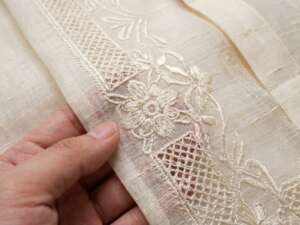
The “Queen of Philippine Fabrics.” Extremely formal and heirloom quality. |
|
Jusi |
Extended Family & Close Friends |
Classic, sheer, and more affordable than Piña but still very elegant. |
|
Piña-Jusi Blend |
Frequent Attendees |
Offers the look of luxury with more durability for long hours at the chapel. |
|
Linen/Cotton |
Casual Wake Visits |
Breathable and comfortable for the humid climate of the Philippines. |
Women’s Funeral Attire: Modern Filipiniana
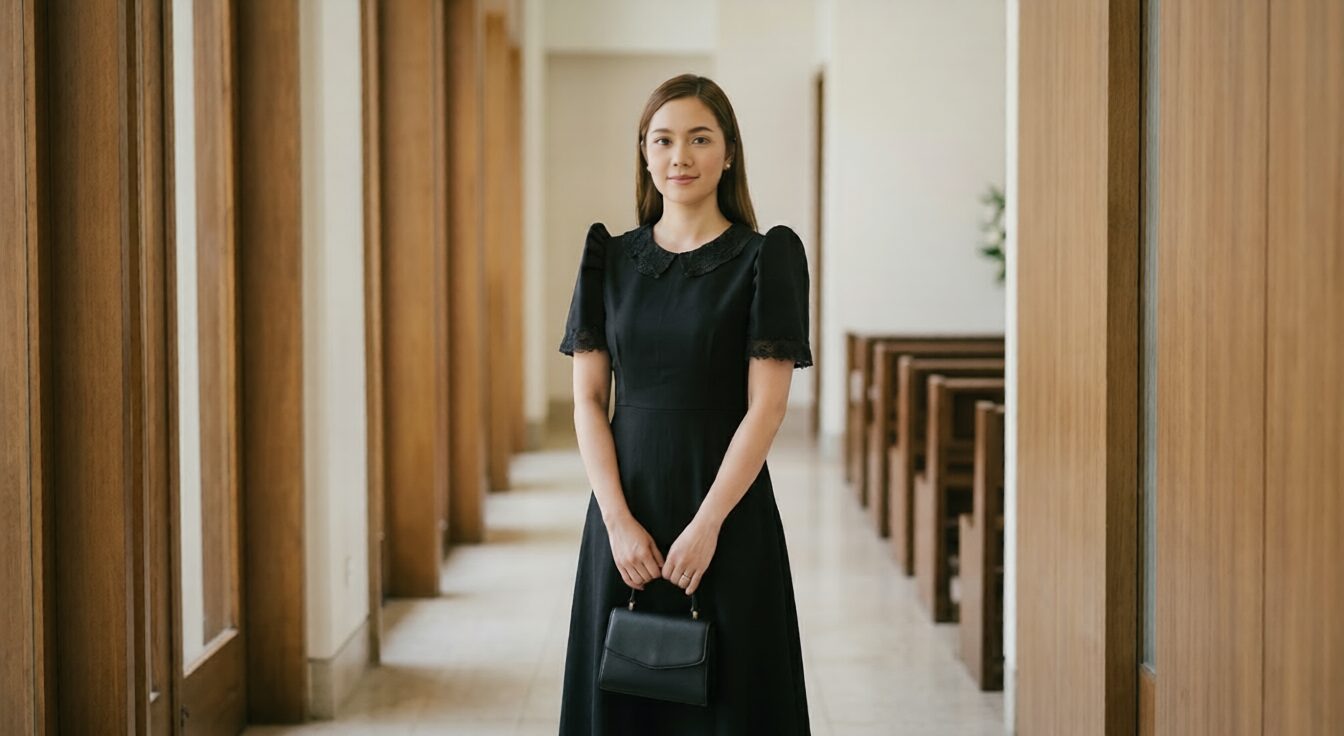
While the Barong is the staple for men, women often opt for Modern Filipiniana or “Mestiza” dresses.
- The Style: Look for Maria Clara-inspired silhouettes but in muted tones (Black, White, or Grey).
- The Cut: Ensure the hemline is respectful (knee-length or longer) and the “butterfly sleeves” are not overly ostentatious for a somber occasion.
- The Veil: Older generations may still wear a black panuelo or lace veil, though this is becoming less common among Fil-Americans.
A Celebration of Life and Legacy
Mabuhay—to live. It seems ironic to use this word at a funeral, but Filipino culture views death as a transition, not just an end. Through stories, eulogies, and the shared “amen” of a 9-day novena, we find solace.
Wearing a Handmade Barong is a tribute to that legacy. It says that the life we are mourning was woven into the very fabric of our community. When you stand at the graveside, the wind catching the delicate embroidery of your Barong, you are carrying forward a tradition that dates back centuries.
Final Respects: Your Checklist for the Burial Day
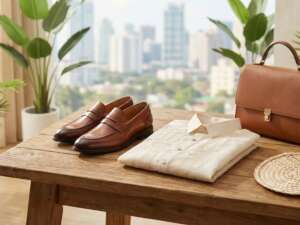
- Attire: A pressed, long-sleeved White or Black Barong Tagalog with an undershirt (Camisa de Chino).
- Accessories: Dark slacks (never jeans) and polished black dress shoes.
- Conduct: Follow the procession quietly. It is a moment of deep solemnity.
- The “Salamat”: A simple “Condolences po” or “Salamat for everything” to the family goes a long way.
Ready to Honor Your Heritage?
At Handmade Kapamilya, we understand that ordering a Barong for a funeral often comes during a stressful time. We specialize in premium, authentically crafted pieces that ship quickly and fit perfectly, so you can focus on what matters most: family.
Explore More: Related Reads You’ll Love:
- Interested in the history of our fabrics? Read: [Barong Tagalog Fabrics: How to Choose the Right One].
- Planning a wedding instead? Check out: [Filipino Wedding Traditions: A Beautiful Guide to Rituals & Meaning].
- New to Filipino traditions? See: [The Ultimate Filipiniana Guide: From Roots to Iconic Terno].