Slide toggle
Monday - Friday: 09:00 - 5:00 CT 9001 Griggs Avenue Unit 243, Circle Pines, MN 55014 612-239-1469 orders@handmadekapamilya.com

Author: Rhodessa Credo

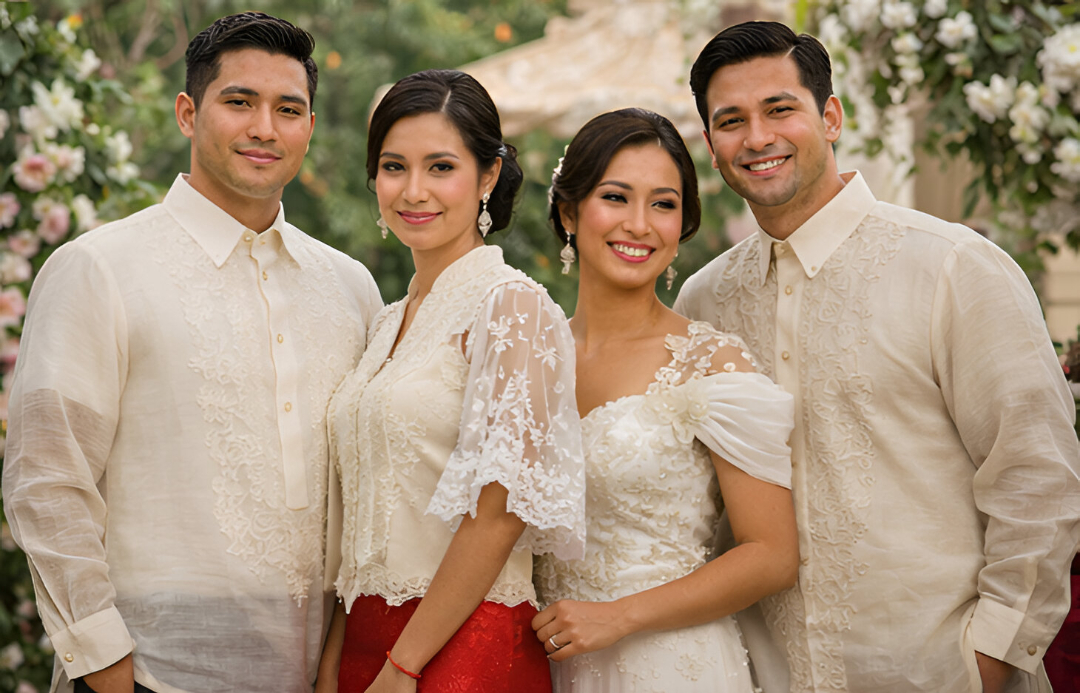
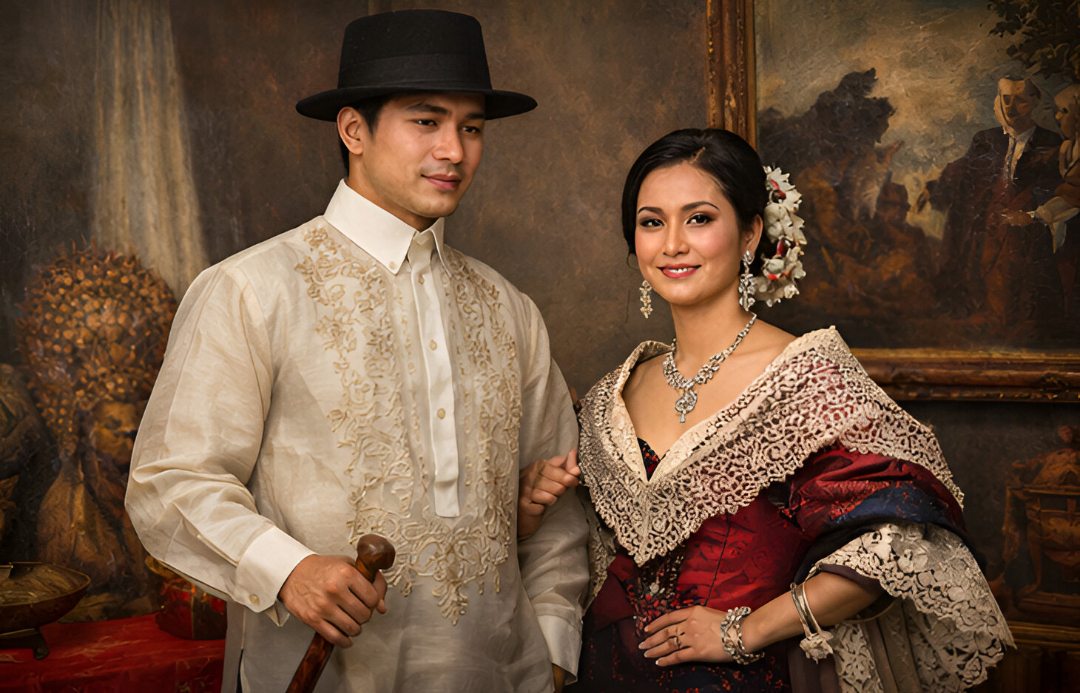
Four people wearing traditional Filipino attire (Barong Tagalog for the men and Filipiniana dresses for the women) posing together at a formal outdoor event or wedding with floral decorations in the background.

Barong Tagalog: From Roots to Modern Formalwear

Mabuhay po! Whether you’re a groom preparing for your wedding, a guest at a high-profile gala, or a Fil-Am reconnecting with your roots, wearing a Barong Tagalog is more than fashion. Indeed, it is a statement of pride, identity, and history.

At Handmade Kapamilya, we believe that understanding the story behind this iconic garment enhances the confidence with which you wear it. Therefore, this guide explores the rich history of the Barong Tagalog, tracing its journey from pre-colonial kangan to modern formalwear.

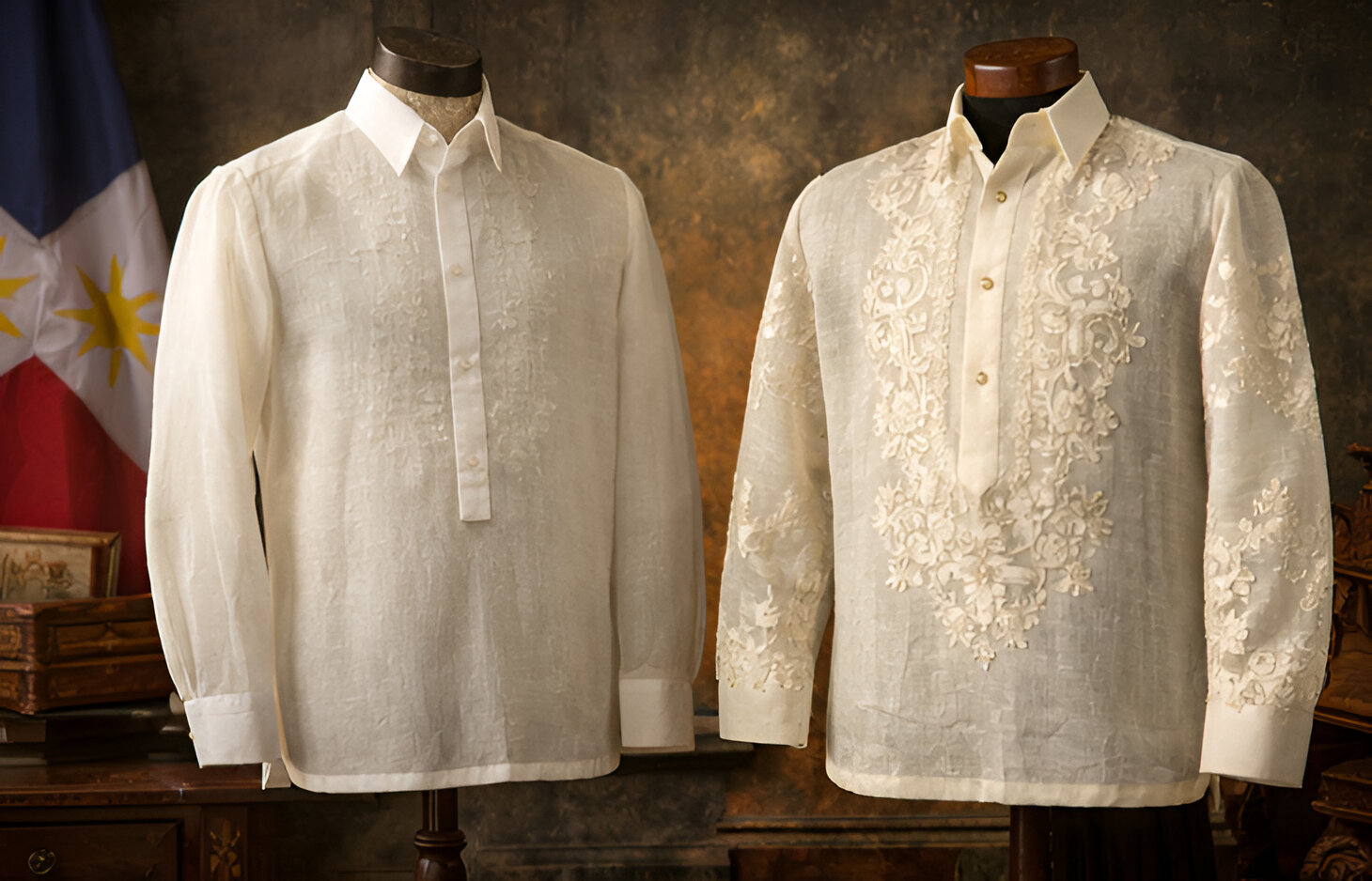
Two formal Barong Tagalog shirts made of translucent piña fabric with intricate embroidery on mannequins, set against a rustic background with a Philippine flag.

1. Pre-Colonial Kangan: Origins of Filipino Elegance

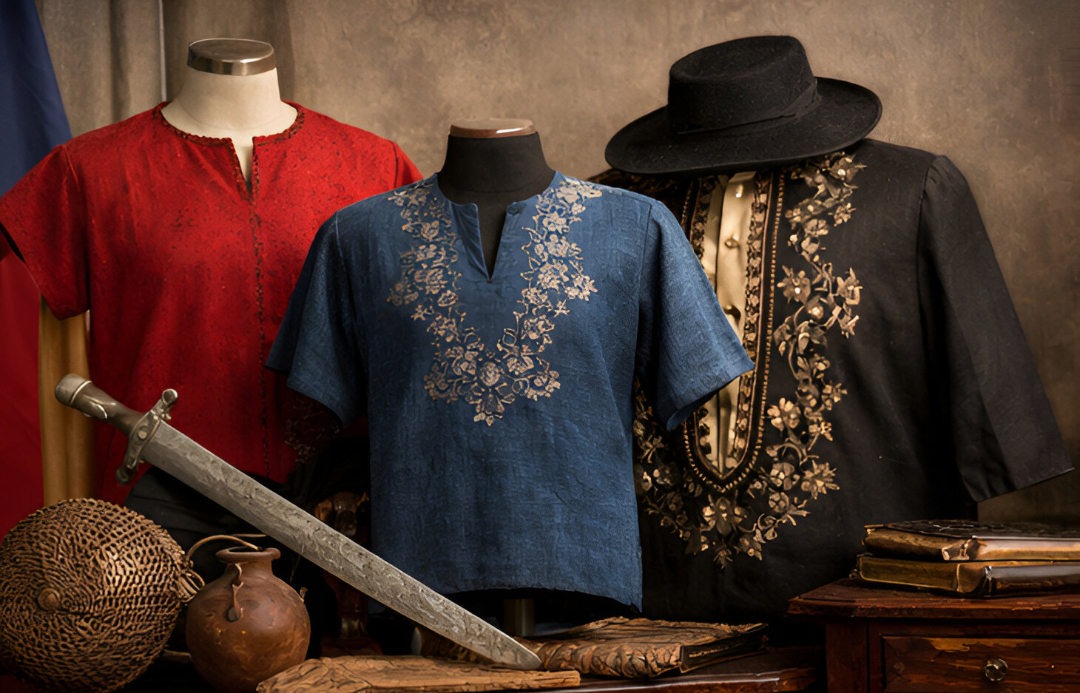
Long before Spanish colonizers arrived, Filipino men in the Tagalog region wore the kangan, collarless, short-sleeved shirts suitable for tropical heat. Interestingly, colors reflected social rank: chiefs wore red, while commoners wore blue or black.

Key Features:

  • Fabric & Function: Crafted from rough abaca or linen-like fibers, the shirts were breathable and ideal for humid climates.

  • Evolution to Baro: These simple, loose-fitting shirts laid the foundation for today’s Barong Tagalog silhouette.

Ultimately, the Barong’s essence has always been comfort and cultural identity.

2. Spanish Colonial Era: Tradition Meets European Influence

A common myth suggests that Spanish authorities mandated the untucked, sheer Barong to differentiate locals from Europeans and prevent concealed weapons. While partially true, practical adaptations to the tropical climate also played a significant role.

Developments During This Era:

  • Untucked Style: Functional for heat, it becomes symbolic over time.
  • Lace & Embroidery: The introduction of collars and delicate calado hand embroidery transformed the Barong into wearable art.

As a result, the garment merged tradition with European influence.

3. 19th Century: The Rise of the Ilustrados

By the 1800s, the Barong symbolized the Ilustrados—educated, affluent Filipinos. High collars, intricate chest embroidery (pechera), and luxurious fabrics defined this era.

Fabric Innovations:

  • Piña Fabric: Golden age of pineapple fiber for elegance.
  • Jusi (Silk): Labor-intensive and luxurious, elevating the Barong to a status symbol.

Cultural Identity:
During revolutionary movements, the Barong quietly conveyed Filipino pride and resistance against colonial rule.

4. American Commonwealth Era: Naming & National Recognition

The term Barong Tagalog officially emerged in the early 20th century, meaning “Tagalog shirt.” Its status further evolved when President Ramon Magsaysay wore a Barong at his 1953 inauguration.

Impact:

  • Popularization: Symbol of the “people’s president.”
  • Classic Style Standardized: Long sleeves, open or half-open front, and a distinct collar become the standard.

Consequently, the Barong became a national emblem.

5. Modern Evolution: 21st Century Barong Tagalog

Today, the Barong blends tradition and innovation, offering options for weddings, galas, and even casual wear.

Modern Fabrics:

  • Cocoon Silk: Durable yet elegant alternative to Piña.
  • Organza: Lightweight and affordable, ideal for casual events.
  • Linen/Ramie: Practical for office or everyday Barongs.

A collection of traditional Filipino tunics in red, blue, and black with floral embroidery, displayed alongside historical artifacts including a kampilan sword and a native hat.

Inclusion & Gender Fluidity:

Women’s Barongs and Filipiniana-inspired dresses expand accessibility and relevance, making the garment inclusive and modern.

The Handmade Kapamilya Difference

While mass-produced Barongs exist, Handmade Kapamilya emphasizes craftsmanship. In addition:

  1. Hand-Guided Embroidery: Artisan-made in Lumban, Laguna.
  2. Bespoke Fit: Perfect shoulder drop, cuff length, and tailored silhouette.
  3. Preserving Legacy: Each piece honors centuries of Filipino history.

Choosing Your Barong by Occasion

  • Weddings (Groom): Piña-Suksuk or Piña-Seda with calado embroidery.
  • Formal Events: Cocoon Silk for black-tie Filipino gatherings.
  • Office/Church: Short-sleeved Linen or Jusilyn Barongs for everyday pride.

Conclusion: Wear Your Story

The Barong Tagalog is more than attire—it embodies 500 years of Filipino culture, resilience, and artistry. At Handmade Kapamilya, you’re not just buying a shirt; you’re wearing history.

Ready to own your piece of history?

Further Reading:

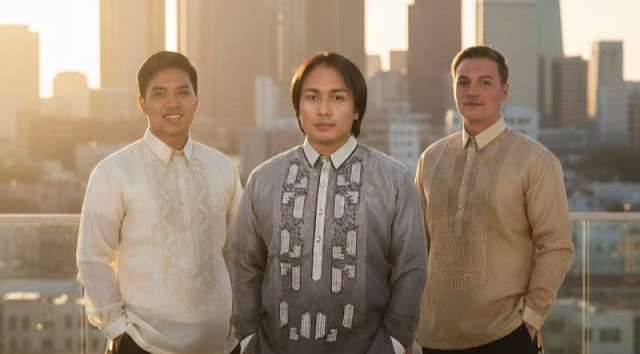
Three men wearing modern Barong Tagalogs on a city rooftop at sunset.

Where to Buy a Barong in the USA: Authentic Guide

You have the invitation in your hand. Maybe it’s your cousin’s wedding in California, a gala for a Filipino-American non-profit, or perhaps you are the groom preparing for the biggest day of your life. The dress code is clear: “Filipiniana” or “Barong Tagalog.”

Immediately, the panic sets in. You know exactly what you need, but you have no idea where to buy a barong in the US that doesn’t feel like a gamble. You are left with two stressful options: beg a Tita to bring one back from her next Manila trip (and pray it fits), or risk ordering from a sketchy website that takes six weeks to ship and might arrive looking like a costume.

We know the struggle because we have lived it. At Handmade Kapamilya, we believe wearing your heritage shouldn’t be a logistical nightmare. Whether you are a groom looking for a barong tagalog for men wedding attire or a guest wanting to represent with pride, this guide will walk you through everything you need to know to find the perfect piece stateside—without the stress, the wait, or the sizing mishaps.

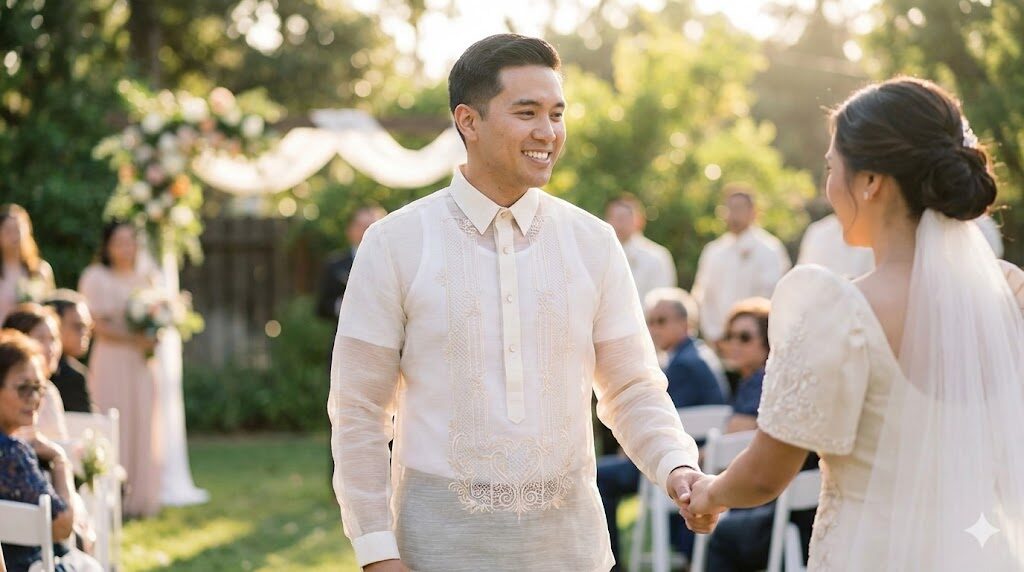
Barong Tagalog in US Wedding

The Cultural Weight: Why the Barong Matters

Before we dive into where to buy, it is essential to understand what you are buying. The Barong Tagalog is not just a Filipino shirt; it is a garment of honor, identity, and resilience.

A Symbol of Resilience

The history of the Barong is deeply woven into the fabric of the Philippines. While early Filipinos wore loose, breathable tunics suited for the tropical climate long before colonization, the Barong as we know it evolved during the Spanish era. A popular (though debated) historical narrative suggests that the Spanish colonizers required “Indios” (native Filipinos) to wear their shirts untucked and made of translucent material. The alleged reasons were twofold: to distinguish them from the ruling class who tucked their shirts in, and to prevent the concealment of weapons.

However, what was meant to be a badge of inferiority was subverted by the Filipino people. They turned the barong into a canvas of intricate embroidery and exquisite craftsmanship, transforming a tool of subjugation into a symbol of pride. Today, wearing a Barong untucked is not just a style choice; it is a nod to centuries of cultural endurance.

The National Attire

In 1975, the Barong Tagalog was officially designated as the national attire of the Philippines. It bridges social gaps—worn by everyone from farmers to presidents. When you wear one in the US, you aren’t just dressing up; you are carrying a piece of that history. You are signaling to the room that you honor your roots.

The 3 Biggest Risks of Buying a Barong Online (And How to Solve Them)

If you have ever typed “where to buy a barong in the us” into a search engine, you know the results can be overwhelming. Before you click “Add to Cart,” you need to be aware of the three “Silent Killers” of online Barong shopping.

1. The Sizing Trap: Asian vs. US Sizing

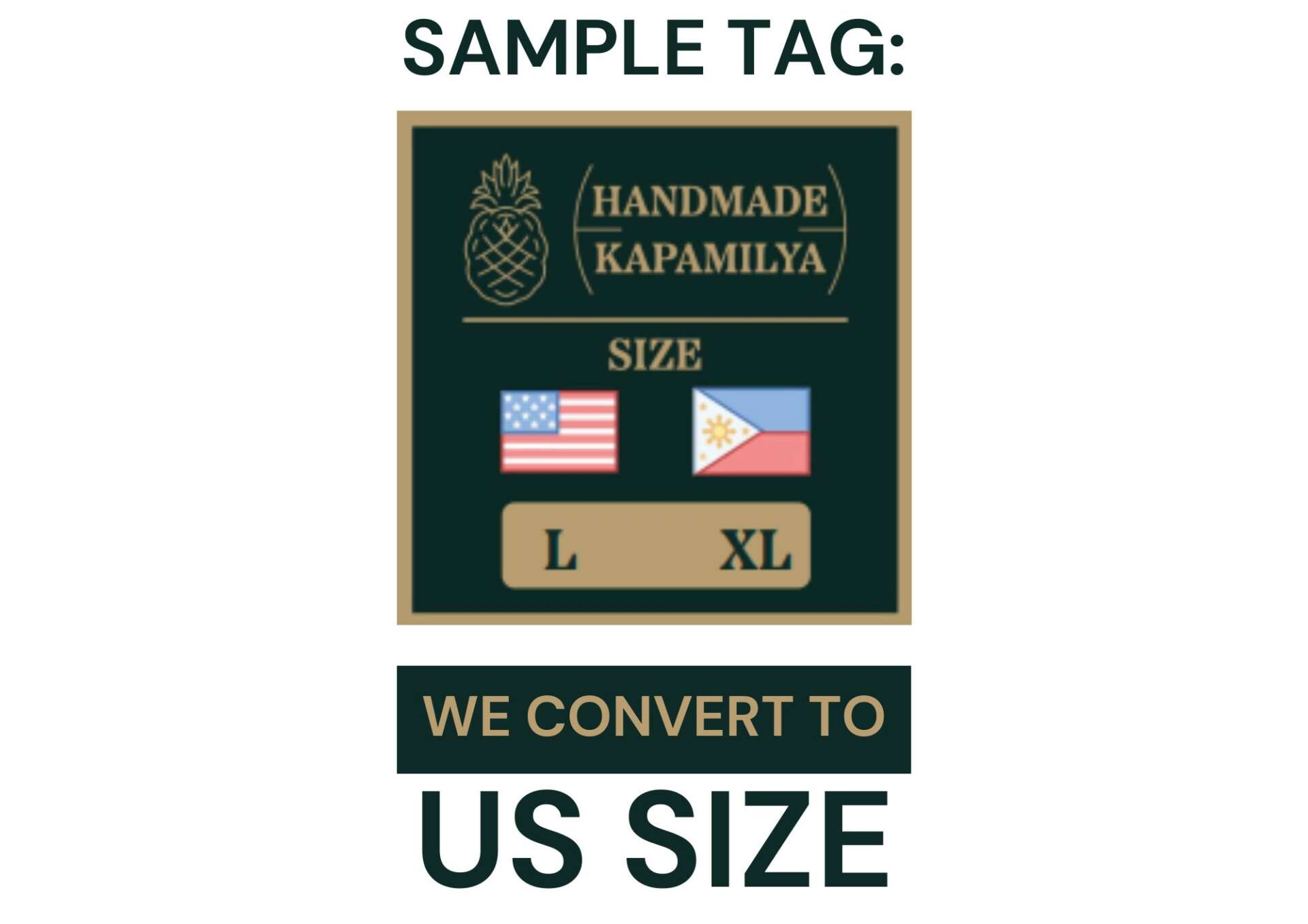
This is the number one complaint we hear. A “Large” in the Philippines is rarely a “Large” in the US.

  • The Reality: Filipino sizing is typically one to two sizes smaller than Western sizing. If you usually wear a US Large, ordering a PH Large often results in a garment that is tight in the shoulders and short in the sleeves.

  • The Fix: When shopping, look for vendors who specifically explicitly state they use US Sizing. At Handmade Kapamilya, we curate our collections for the Western frame, eliminating the guesswork. If you are buying elsewhere, the general rule is to size up at least one full size.

Barong US Size Tag

2. The Material Mirage: Authentic vs. Synthetic

In photos, a cheap polyester philippines shirt can look alarmingly similar to a high-end piña barong. However, the difference is obvious the moment you touch it.

  • Synthetic (Polyester/Organza): Often shiny, stiff, and less breathable. These are fine for school plays or one-time use, but they lack the elegance required for a wedding.

  • Authentic (Piña/Jusi): These natural fibers have a soft sheen, a refined texture, and breathable qualities that synthetic fabrics cannot mimic.

3. The Shipping Black Hole

Many “US-facing” websites actually drop-ship directly from Manila. While this isn’t inherently bad, it introduces customs delays. We have seen grooms panic because their barong tagalog for men is stuck in a sorting facility in Honolulu three days before the wedding. Always verify that the vendor has US-based inventory for reliable domestic shipping speeds.


The Ultimate Fabric Guide: Choosing the Right Barong for You

The price and formality of a Barong are dictated almost entirely by its fabric. Knowing the difference between Jusi and Piña is the key to not getting ripped off.

Piña: The Gold Standard

If you are the groom, a father of the bride, or a guest of honor, this is what you want.

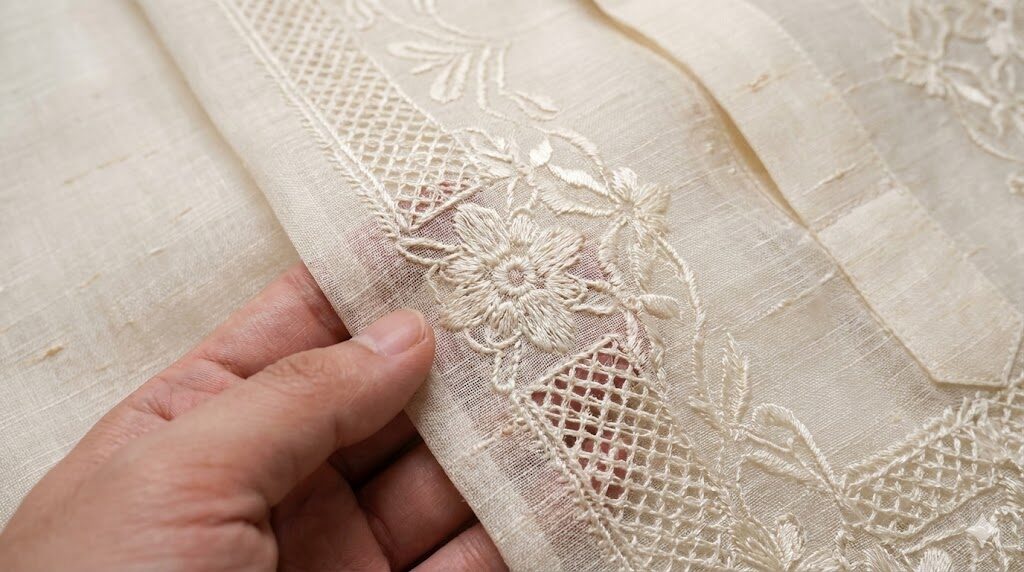
  • What it is: A fiber extracted from the leaves of the Red Spanish pineapple plant. It is the finest of all Philippine hand-woven fabrics.

  • The Look: It has a natural, ivory champagne-gold hue and a delicate, airy texture. It is translucent, lightweight, and exudes quiet luxury.

  • Best For: Barong tagalog for men wedding attire, black-tie Filipiniana galas, and state functions.

  • Pro-Tip: Because it is handmade, true Piña is expensive and delicate. It is an heirloom piece meant to be passed down.

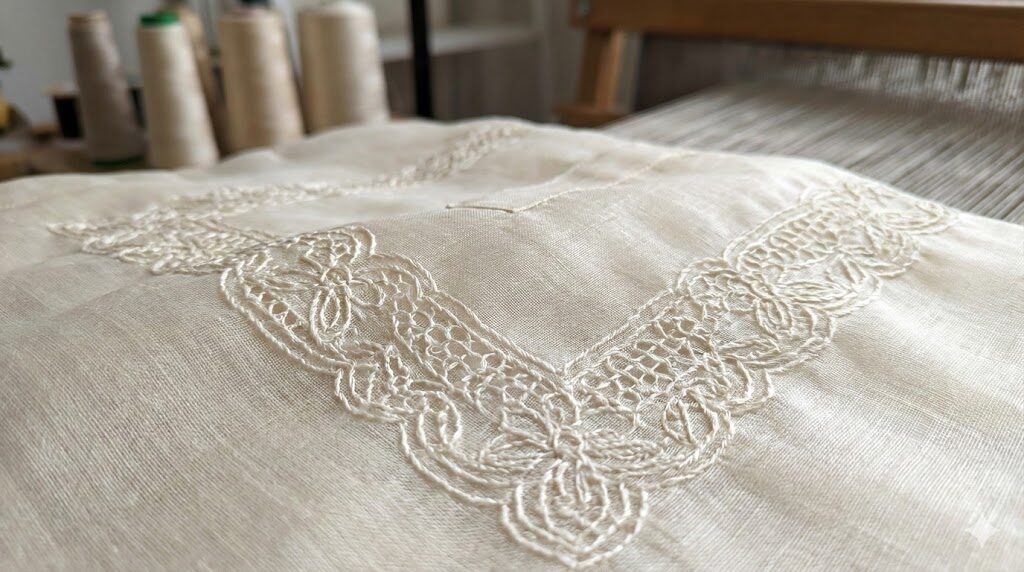
Pina Barong Embroidery Close Up

Jusi: The Best All-Rounder

For guests, groomsmen, or corporate events, Jusi is the most popular choice.

  • What it is: Originally made from banana fibers or silk, modern Jusi is often a blend of silk and organza.

  • The Look: It is more opaque than Piña but still retains a beautiful sheen. It is softer to the touch than synthetic organza and drapes elegantly on the body.

  • Best For: Filipino formal wear for men, corporate events, and wedding guests.

  • Why we love it: It offers the premium look of a traditional barong without the heirloom price tag of Piña.
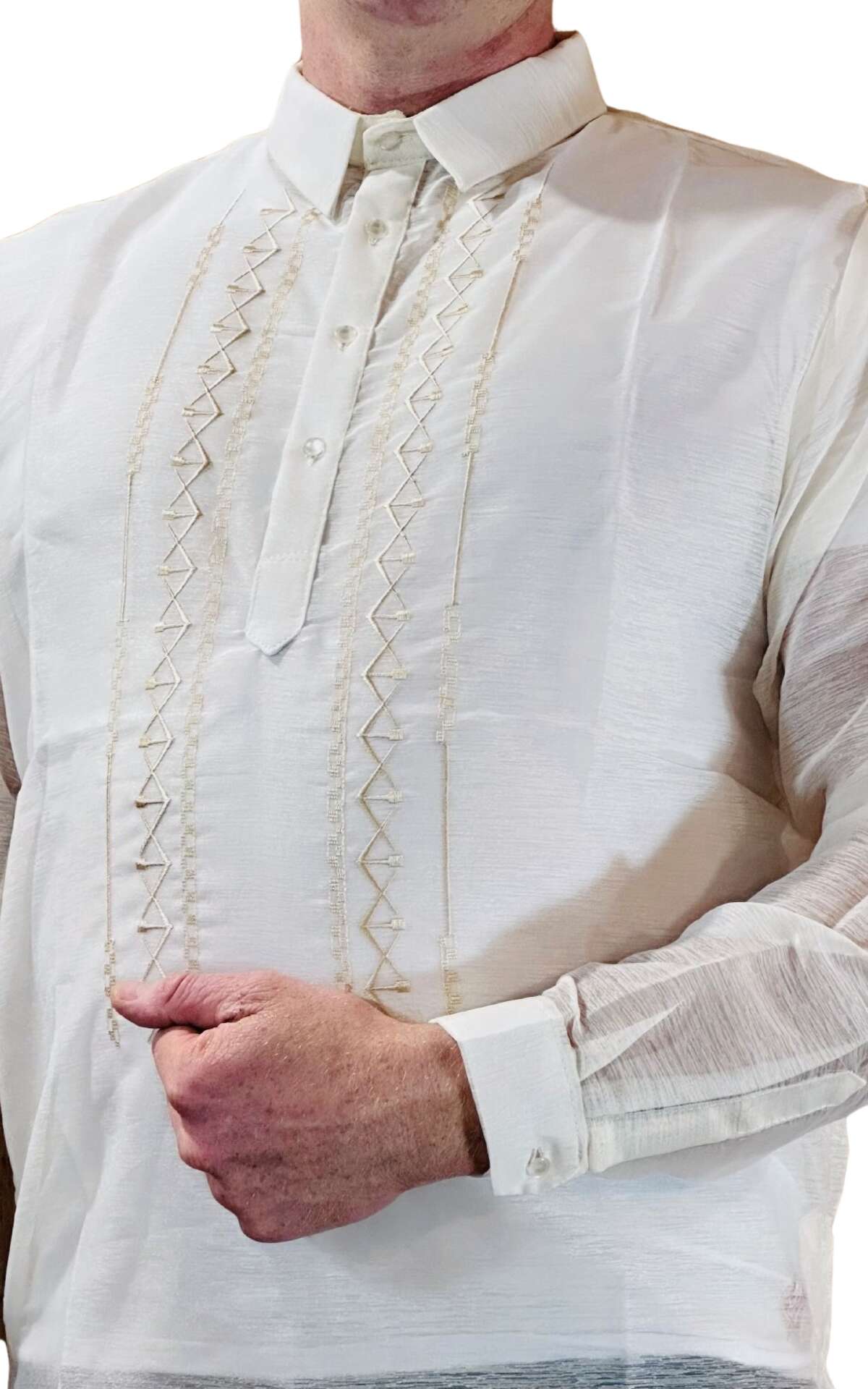
    Embroidered White Jusilyn Shirt

Organza & Polyester: The Budget Friendly Option

  • What it is: Synthetic sheer fabric.

  • The Look: It tends to have a higher, sometimes “glassy” shine and a stiffer structure.

  • Best For: Cultural performances, school events, or if you need a durable, cost-effective option for a one-time event.

  • Warning: It does not breathe as well as natural fibers, so be wary if you are attending an outdoor summer wedding.

Cocoon Silk: The Modern Favorite

  • What it is: A high-quality woven silk that resembles the look of Piña but is more durable.

  • The Look: It has a rich texture and a creamy, off-white color. It is less transparent than Piña, making it a great option for those who want coverage.

  • Best For: Modern grooms and fashion-forward guests.


Styling Your Barong: The Do’s and Don’ts

Wearing a barong comes with its own set of etiquette rules. To look your best (and respect the culture), keep these tips in mind.

1. The Undershirt is Critical

Because the fabric is sheer, your undershirt is visible.

  • DO: Wear a Camisa de Chino (a collarless cotton shirt) or a plain white crew-neck t-shirt.

  • DON’T: Wear a tank top (the straps show through), a colored shirt, or anything with a printed logo. The undershirt acts as the canvas; keep it clean.

2. Trousers and Shoes

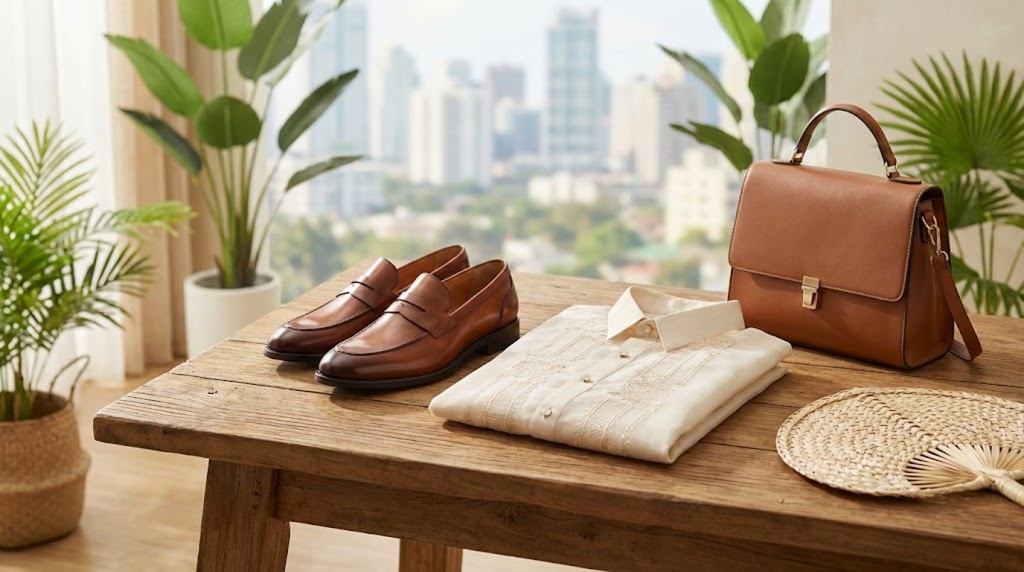
  • DO: Pair your Barong with dark, flat-front trousers (black or charcoal gray) for formal events.

  • DO: Wear polished black dress shoes or loafers.

  • DON’T: Wear denim jeans unless you are specifically going for a modern, streetwear fusion look (and even then, tread carefully!).

3. To Tuck or Not to Tuck?

  • NEVER: Tuck in a Barong Tagalog. It is designed to be worn untucked. Tucking it in is considered culturally incorrect and disrespects the garment’s history.


Beyond the Grooms: Barongs for Everyone

While the barong tagalog for men is the standard, Filipino formal wear has evolved beautifully to include everyone in the family.

Barong Tagalog for Women

The Filipiniana style for women has seen a massive resurgence. The barong tagalog for women (often referred to as a Lady Barong or Kimona) adapts the intricate embroidery of the male garment into feminine silhouettes.

  • The Look: Tailored cuts that nip in at the waist, often featuring 3/4 sleeves or butterfly sleeves.

  • How to Wear: Pair a structured Lady Barong with a long skirt for a formal “Terno” look, or wear it with dress pants for a powerful, modern corporate outfit.

The Little Ones

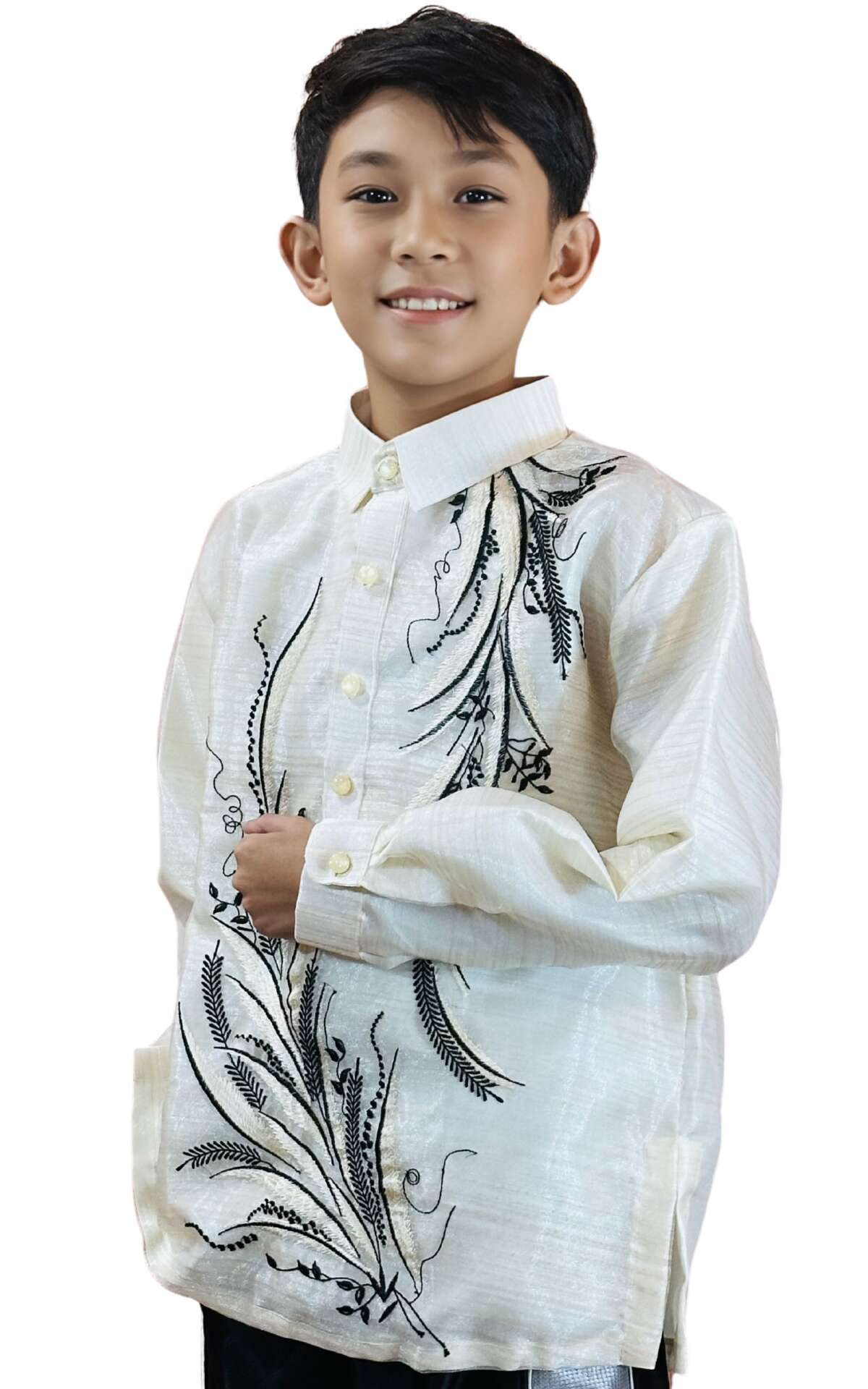
There is nothing cuter than a ring bearer in a miniature Barong. When buying for kids, comfort is king. Look for Jusi or soft Linen blends (often called Gusot Mayaman) that won’t itch or irritate their skin during the ceremony.

Kids Modern Barong


Caring for Your Barong: A Survival Guide

You have invested in a piece of art; here is how to make sure it lasts for the next generation.

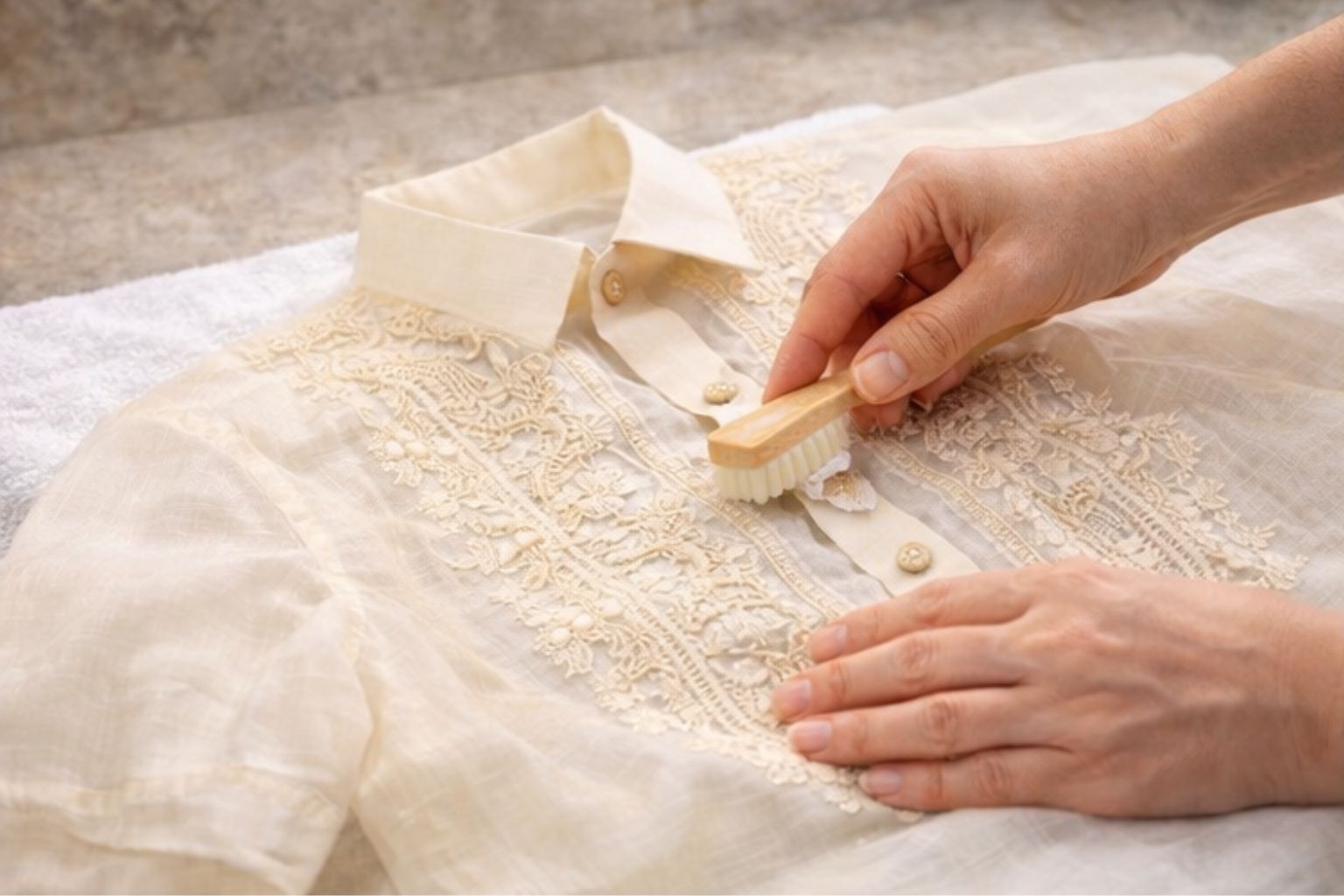
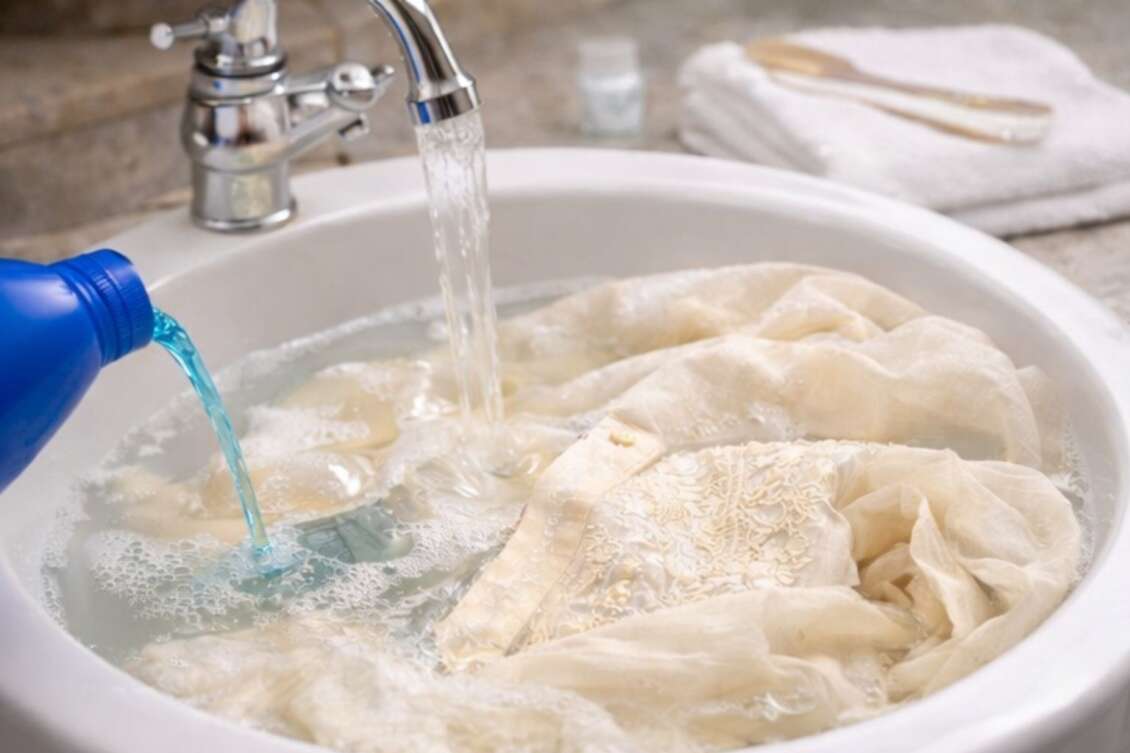
  • Washing: Never machine wash a Piña or Jusi Barong. The agitation can destroy the delicate fibers and embroidery.

    • Hand Wash: Soak gently in mild detergent and water. Do not wring or twist.

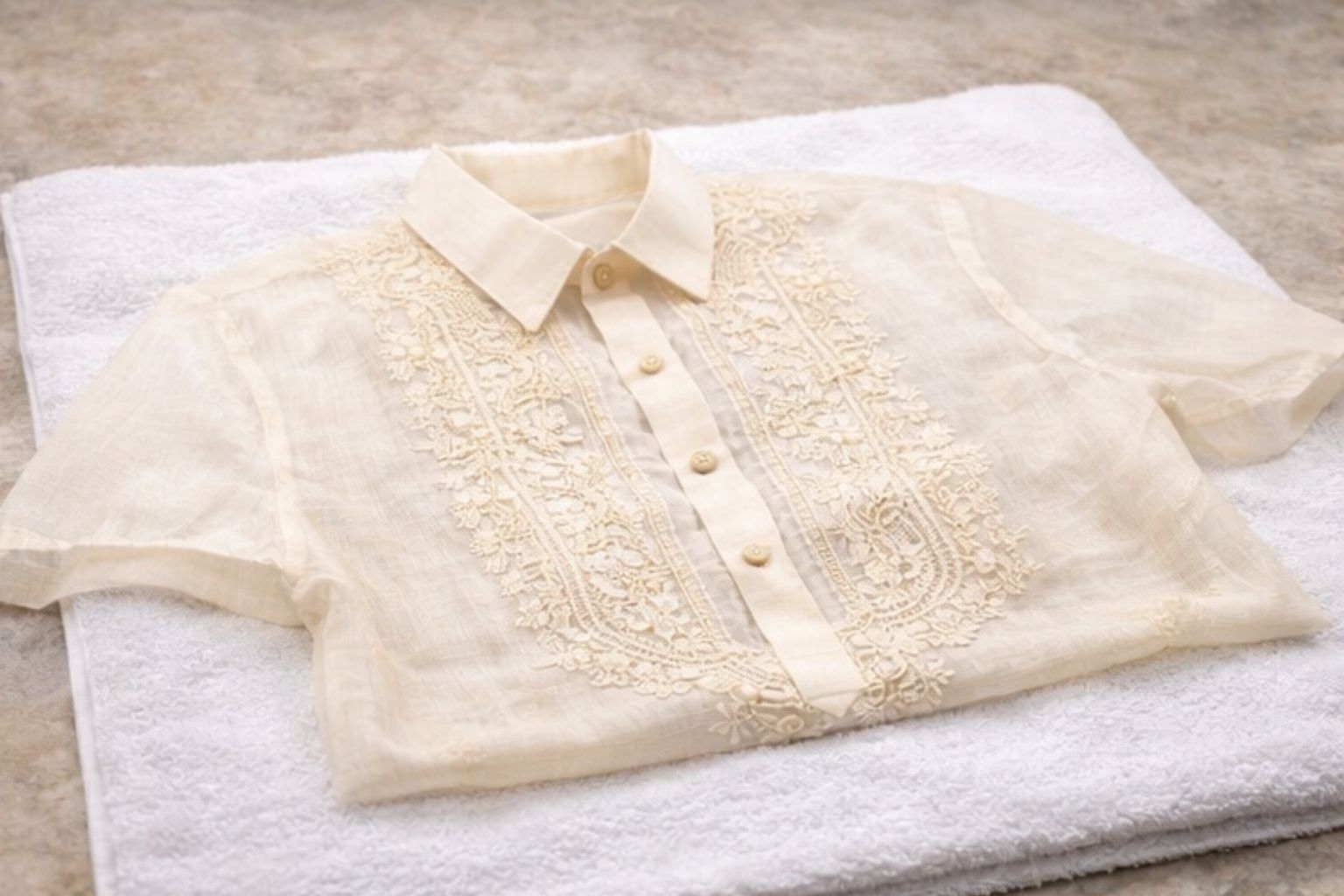
    • Drip Dry: Let it air dry on a plastic hanger.

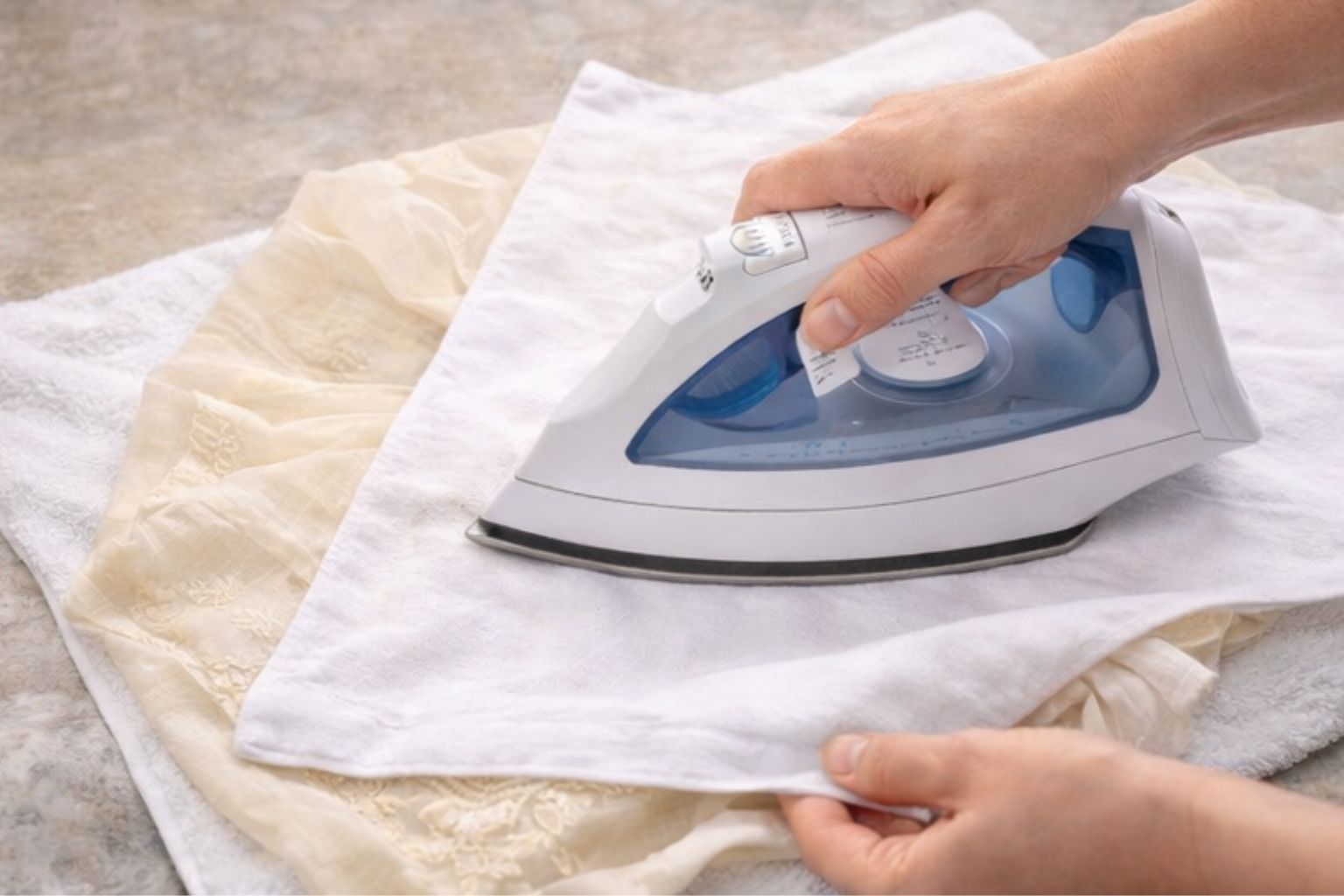
  • Ironing: Use a low heat setting. Ideally, place a thin cotton cloth between the iron and the Barong to prevent scorching the delicate embroidery.

  • Storage: Store it hanging in a breathable garment bag. Avoid plastic bags, which can trap moisture and cause the fabric to yellow over time.


The Verdict: Where to Buy a Barong in the US

So, back to the original question: Where to buy a barong in the US?

You could take your chances on a generic marketplace, hoping the “XL” fits and the fabric isn’t scratchy polyester. Or, you can trust a specialist who understands the unique intersection of Filipino heritage and American standards.

At Handmade Kapamilya, we bridge that gap. We are not just selling clothes; we are curating culture.

  • We Solve Sizing: We offer US sizing so you get the fit you expect.

  • We Verify Quality: We source authentic Jusi and Piña fabrics directly from artisans in Lumban and Aklan.

  • We Ship Fast: Our inventory is here in the US, meaning no customs delays and no sleepless nights wondering if your outfit will arrive in time.

Whether you need a barong tagalog for men wedding attire, a stunning barong tagalog for women, or simply a high-quality filipino shirt to wear with pride, we are here to help you look your best.

Ready to Find Your Perfect Fit?

Don’t let sizing anxiety or shipping delays ruin your big event. Browse our curated collection of authentic, US-sized Filipino formal wear today.


Read More from the Handmade Kapamilya Blog:

Barong Tagalog Style Guide (USA): How to Choose & Wear

Mabuhay, Kapamilya! 🇵🇭

Finding formal wear in the United States that feels authentic, elegant, and proudly Filipino is not always simple. However, whether you are a groom planning a wedding in New Jersey, a guest attending a black-tie gala in Los Angeles, or a professional honoring your heritage, the goal is the same. You want an outfit that earns respect without losing identity.

That is where the Barong Tagalog stands apart. More than a shirt, it represents the highest form of Filipino formal wear. It carries history, skill, and pride in every stitch.

At Handmade Kapamilya, we work closely with artisans in Lumban, Laguna, as well as Filipino-Americans across the United States. Over time, we have noticed a clear change. Today’s modern man no longer wants stiff rentals or boxy cuts. Instead, he looks for the sharp fit of a tailored suit combined with true Filipino craftsmanship.

Because of this shift, this guide will help you choose, style, care for, and confidently buy a Barong Tagalog online in the USA. As a result, you can look pogi and feel proud at your next event.

Why the Barong Tagalog Matters: A Legacy of Resistance and Elegance

The Barong Tagalog is deeply rooted in Filipino history. Long before colonization, early Filipinos wore lightweight, collarless garments suited to the tropical climate. During the Spanish colonial era, these evolved into what we now recognize as the modern Barong.

There is a well-known piece of folklore suggesting Filipinos were forced to wear sheer, untucked shirts so they couldn’t hide weapons—meant to symbolize subjugation. Whether literal history or cultural metaphor, what matters is how Filipinos responded.

We transformed restriction into refinement.

Using delicate pineapple fibers, masterful hand embroidery, and immaculate craftsmanship, Filipinos elevated the Barong into a symbol of dignity and quiet resistance. Today, it stands shoulder-to-shoulder with the Western tuxedo—and in the Philippines, it often replaces it entirely at the highest levels of government and society.

When you buy a Barong Tagalog online today, you’re not just purchasing formalwear.
You’re wearing history—reimagined.

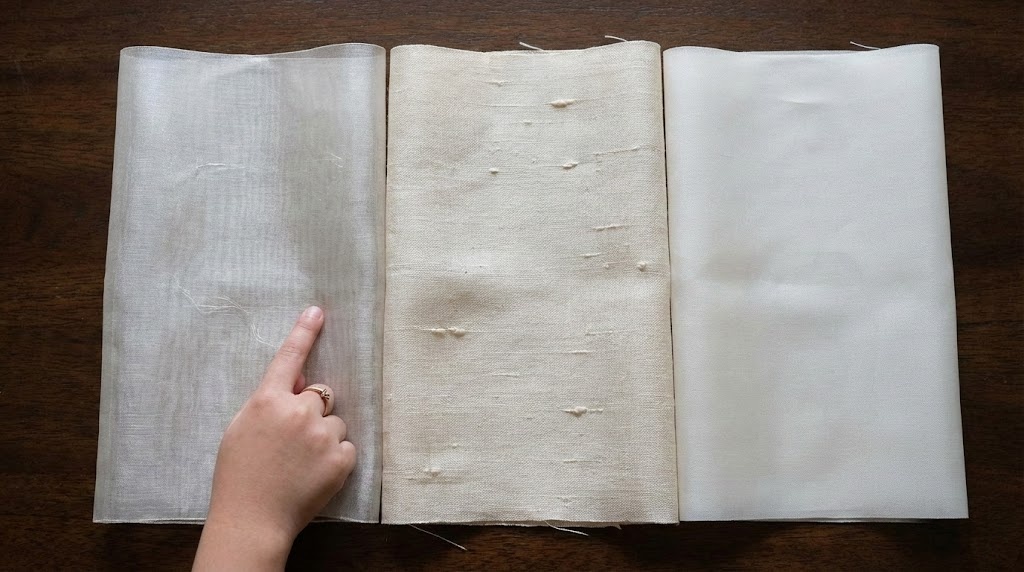
Comparison of Barong Tagalog fabrics: Piña Silk vs Cocoon Silk vs Jusi for Filipino formal wear.

Choosing the Right Fabric: The Soul of Your Barong Tagalog

Fabric selection is the single most important decision you’ll make. While Barongs were designed for tropical weather, many Filipino-Americans now wear them in churches, ballrooms, and outdoor venues across the United States.

Here’s how to choose wisely.

Piña Silk: The Gold Standard

Piña is handcrafted from pineapple leaf fibers and is considered the most prestigious Barong fabric.

Best for:

  • Grooms
  • Wedding parties
  • Heirloom pieces

Look & Feel:
Naturally ivory, sheer, elegant, and slightly crisp. Piña softens beautifully over time and photographs exceptionally well.

Jusi: The Versatile Classic

Traditionally woven from raw silk, Jusi is the most commonly worn fabric for formal events.

Best for:

  • Wedding guests
  • Fathers of the bride or groom
  • Formal galas

Look & Feel:
More opaque than Piña, smoother in texture, and ideal for intricate embroidery.

Cocoon Silk: Modern Luxury

A favorite in modern collections, Cocoon silk mimics the texture of Piña while offering greater durability.

Best for:

  • Long events
  • Men who want a premium look with less fragility

Look & Feel:
Matte, textured, sophisticated, and distinctly modern.

Organza: Entry-Level Formal

Organza is typically a silk blend or synthetic fabric and is commonly used for group orders.

Best for:

  • Choirs
  • Large entourages
  • Budget-friendly formalwear

Look & Feel:
Very sheer, stiff, and high-shine.

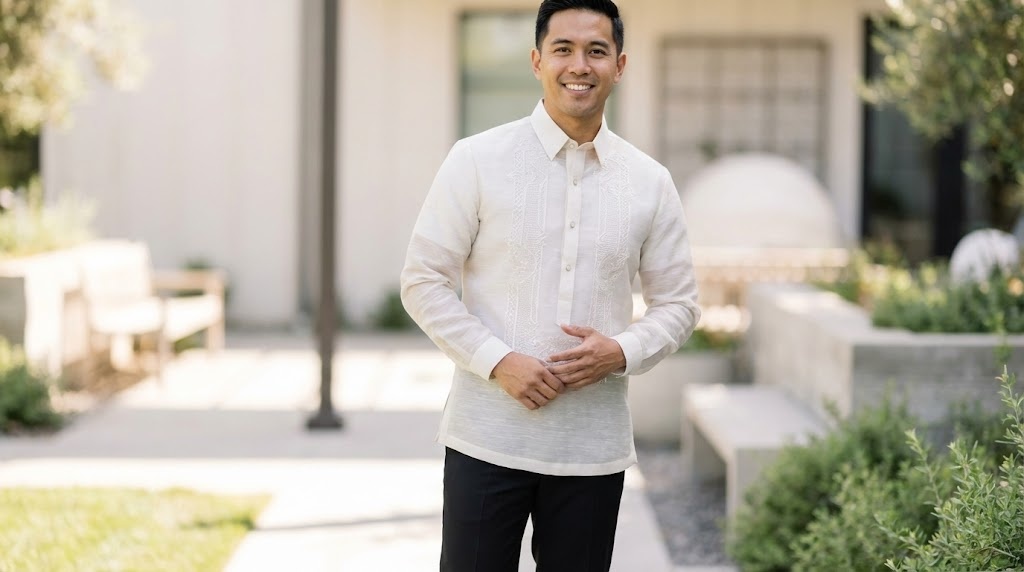
Modern slim-fit Barong Tagalog styled for a Filipino-American wedding in the United States.

Modern Fit vs. Traditional Fit: What Works Best in the USA?

The oversized Barongs of the 1990s are no longer the standard—especially in the United States.

Traditional Fit

  • Straight cut
  • Maximum airflow
  • Relaxed silhouette

Ideal for warm climates or those who prefer a classic look.

Contemporary Slim Fit

At Handmade Kapamilya, our slim-fit Barongs are tailored to modern proportions:

  • Subtle waist taper
  • Narrower sleeves
  • Clean shoulder structure

This fit photographs beautifully, pairs well with modern dress slacks, and delivers a polished, tailored appearance without losing authenticity.

How to Wear a Barong Tagalog Properly (Etiquette Matters)

1. Always Wear the Correct Undershirt

Never wear a standard T-shirt underneath a Barong. The sleeves and neckline will show through the fabric.

Correct choice:
A Camisa de Chino—a scoop-neck, long-sleeved undershirt that matches the Barong’s color.

2. Button It All the Way Up

For weddings and formal events, the Barong should always be fully buttoned.

3. Pants and Shoes

  • Pants: Black or charcoal dress slacks only
  • Shoes: Black leather Oxfords or Derbies, well-polished

Avoid denim, chinos, or casual footwear.

4. Never Tuck In a Barong

A Barong Tagalog is never tucked in. The side slits are intentional—designed for movement and tradition.

Modern Barong Tagalog Trends in the United States

The Barong continues to evolve—especially within the Filipino diaspora.

Colored Barongs

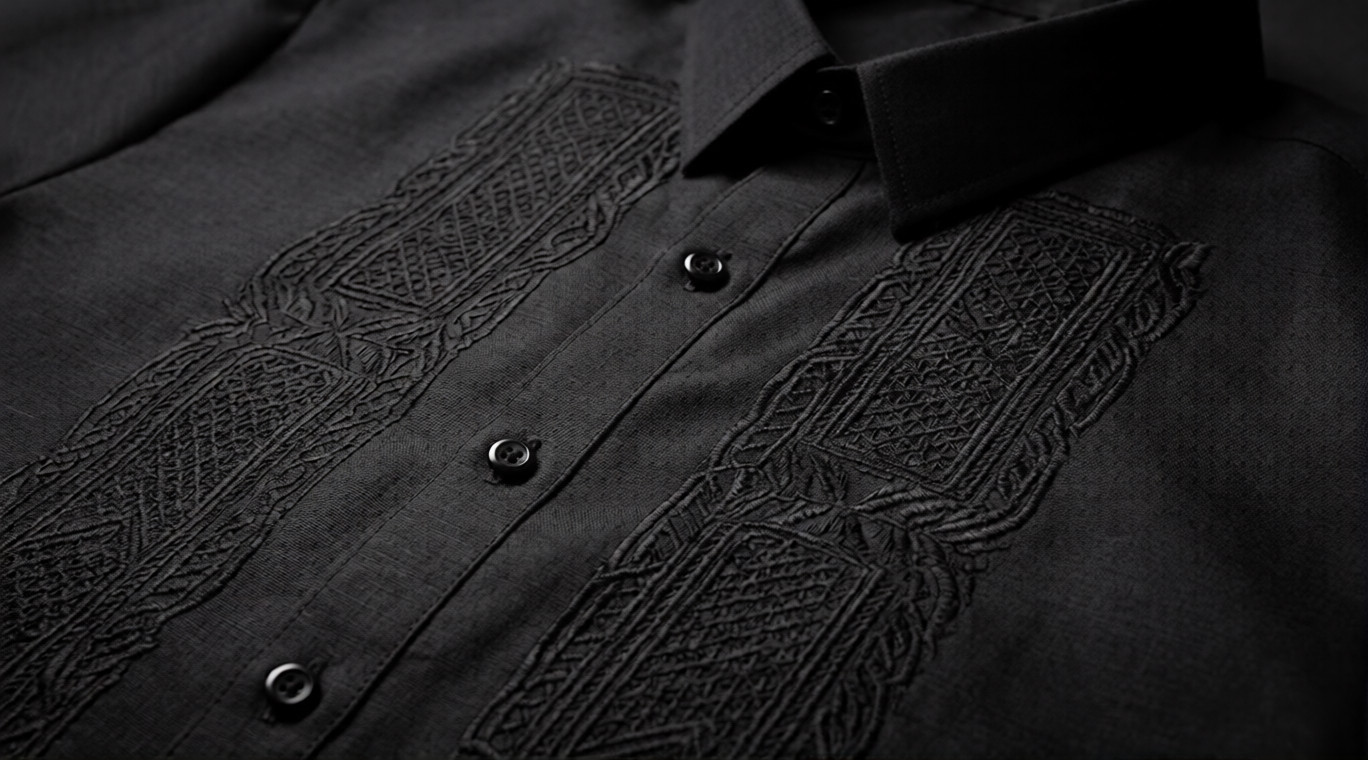
Black, navy, and deep green Barongs are rising in popularity for galas and evening events. A black Barong with black embroidery is the ultimate modern power look.

Everyday Barongs

Made from linen or ramie, these are short-sleeved, less sheer, and ideal for business-casual settings.

Women Wearing Barongs

Barong tops are increasingly worn by women, paired with trousers or skirts—redefining Filipiniana with confidence and strength.

Close-up of black-on-black embroidery on a modern Barong Tagalog for gala events.

How to Buy a Barong Tagalog Online in the USA

Buying a Barong Tagalog online requires attention to detail—especially with sizing.

Key Tips:

  • Check shoulder measurements carefully (Barongs do not stretch)
  • Look for lined Barongs if you want structure without an undershirt
  • Custom Barongs are always the best investment if budget allows

Custom sizing ensures:

  • Proper sleeve length
  • Balanced proportions
  • A truly elevated look

At Handmade Kapamilya, we ship across the United States—bringing the craftsmanship of Lumban, Laguna directly to Filipino-American homes nationwide.

Caring for Your Barong Tagalog

A quality Barong is an heirloom piece.

Never machine wash.
Hand wash gently using lukewarm water and mild detergent.

Do not scrub embroidery.
Use a gentle dip-and-sway method.

Storage:

  • Hang only
  • Use a padded hanger
  • Store in a breathable garment bag (never plastic)

Ironing:

  • Use the lowest silk setting
  • Best when slightly damp or steamed

Wear Your Culture with Pride

The Barong Tagalog is a bridge between generations—a garment that speaks without shouting. When you wear one, you don’t just dress well. You carry history, craftsmanship, and Kapamilya pride into every room you enter.

👉 Ready to find your perfect fit?
Explore our handcrafted collection and buy your Barong Tagalog online with confidence—trusted by Filipino-Americans across the United States.

Shop the Handmade Kapamilya Barong Collection:

More from the Kapamilya Blog

Salamat po. Mabuhay, Kapamilya! 🇵🇭