From Sacred Vows to Statecraft: The Soul of the Filipino National Dress
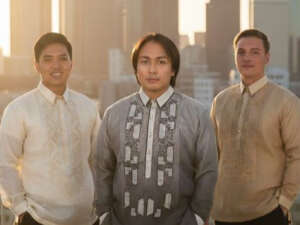
Mabuhay! If you are reading this, you aren’t just looking for a shirt; you are looking for a connection. For the modern Filipino—especially our Kapamilya in the diaspora—putting on a Barong Tagalog is a transformative act. It is the moment you stop being just a guest and start being a bearer of a 400-year-old legacy.
At Handmade Kapamilya, we see this transformation every day in our workshop. We’ve seen grooms tear up when they see their family crest embroidered into Piña fabric, and we’ve helped sons honor their fathers by restoring a “Pamana” (inheritance) Barong.
In this definitive guide, we’re going deep—”Skyscraper” deep—into the Barong Tagalog traditions that make this garment the most significant piece of clothing you will ever own.
The Historical Pulse: Why We Wear the Barong
Before we look at how to wear it, we must understand why it exists. The Barong Tagalog (literally, “Outfit of the Tagalog”) is a symbol of resilience. While colonial history tried to dictate our status through dress, the Filipino people turned the Barong into a canvas of defiance and elegance.
Unlike the heavy wool suits of the West, the Barong is designed for the tropical soul. It is transparent (representing honesty), worn untucked (representing freedom), and crafted from indigenous fibers (representing our bond with the land). When you buy a Barong Tagalog online from an authentic source, you aren’t just purchasing fashion; you are preserving a craft that survived centuries.
1. Wedding Traditions: The Groom’s Silent Vow
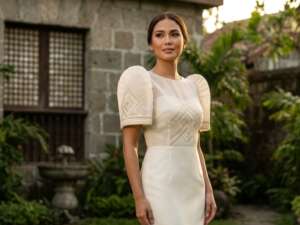
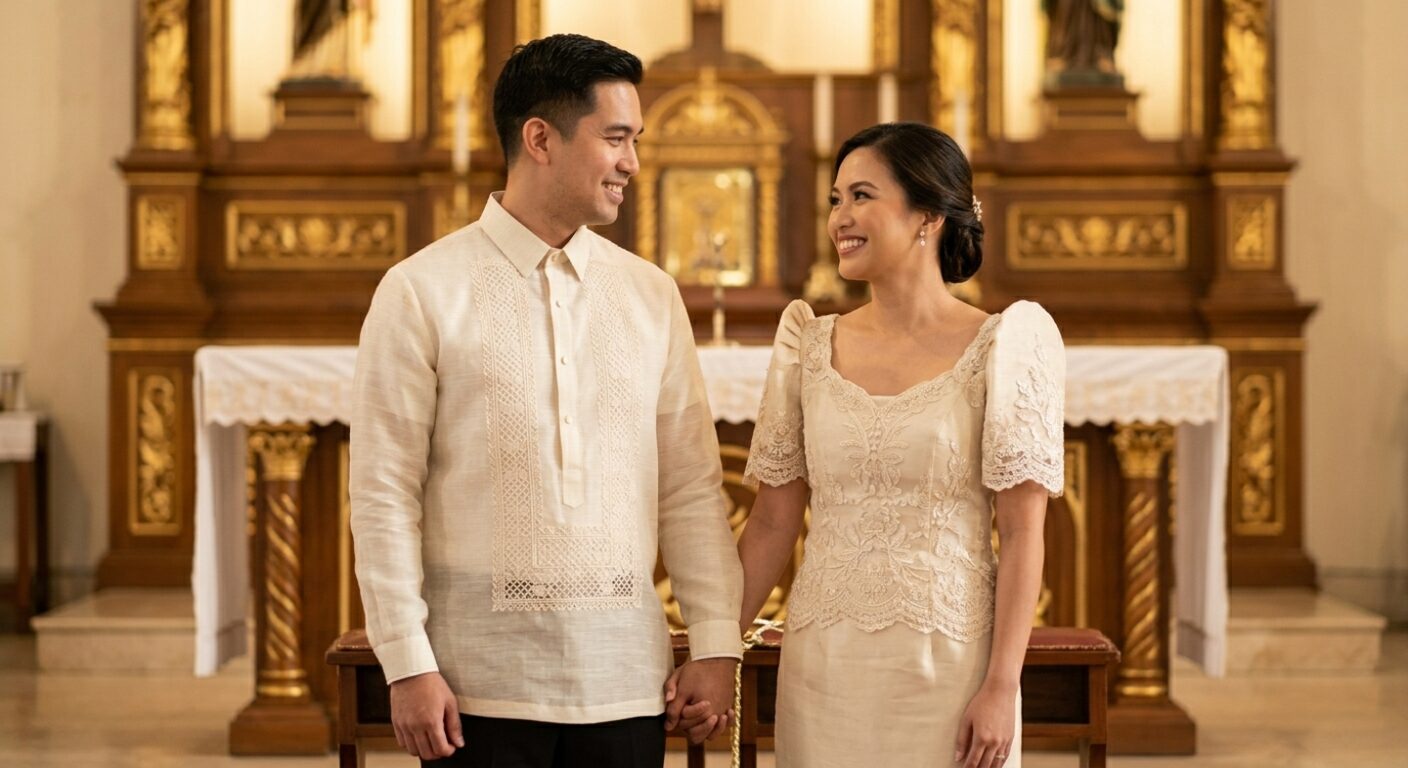
In a Filipino wedding, the Barong Tagalog is the centerpiece of the “Pamanhikan” and the ceremony itself. It is the masculine counterpart to the bride’s intricate Filipiniana or Mestiza dress.
The Symbolism of the “Puti” (White) and Piña
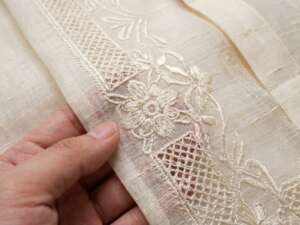
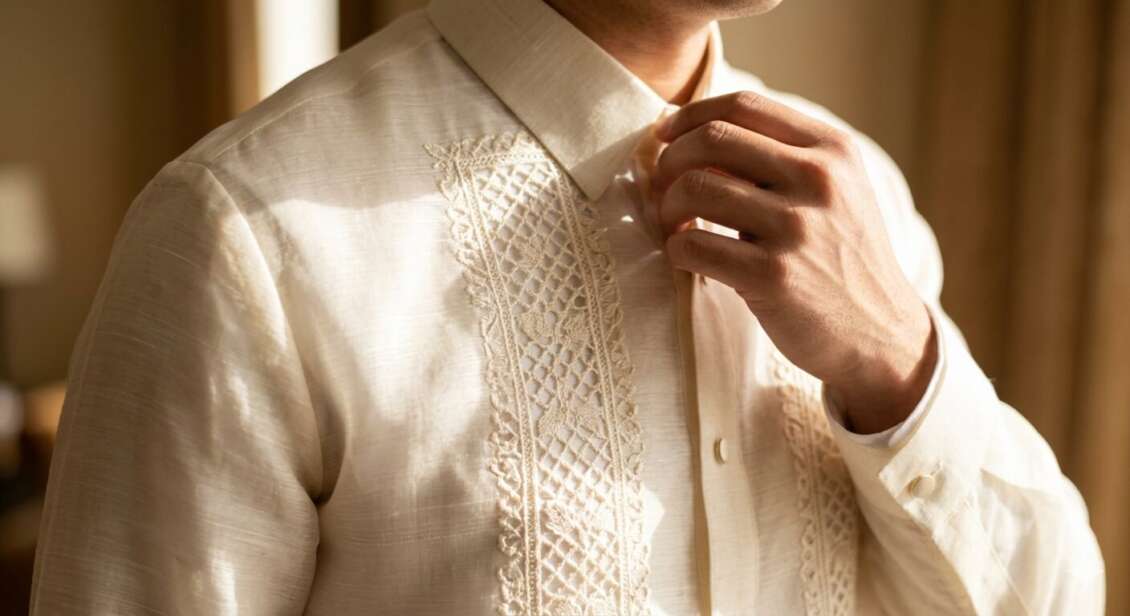
For a groom, the tradition starts with the fabric. The custom Barong Tagalog for weddings is almost always made of Piña. Derived from the Red Spanish Pineapple leaf, this fabric is translucent and ivory, symbolizing the purity of the commitment.
- The Unity Motif: We often advise grooms to choose embroidery patterns that mirror the floral lace on the bride’s gown. This creates a “harmonious ensemble,” a tradition signifying that the two are now one.
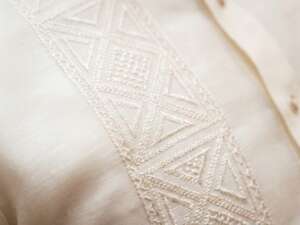
- The Camisa de Chino: Tradition dictates wearing a white, long-sleeved camisa de chino underneath. This isn’t just for comfort; it provides the solid backdrop necessary for the hand-embroidered “bordado” to pop.
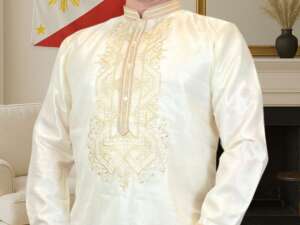
Our Workshop Secret: To truly honor tradition, the groom’s Barong should be slightly more ornate than his groomsmen’s. Look for “full-open” styles for the groom to distinguish him as the man of the hour.
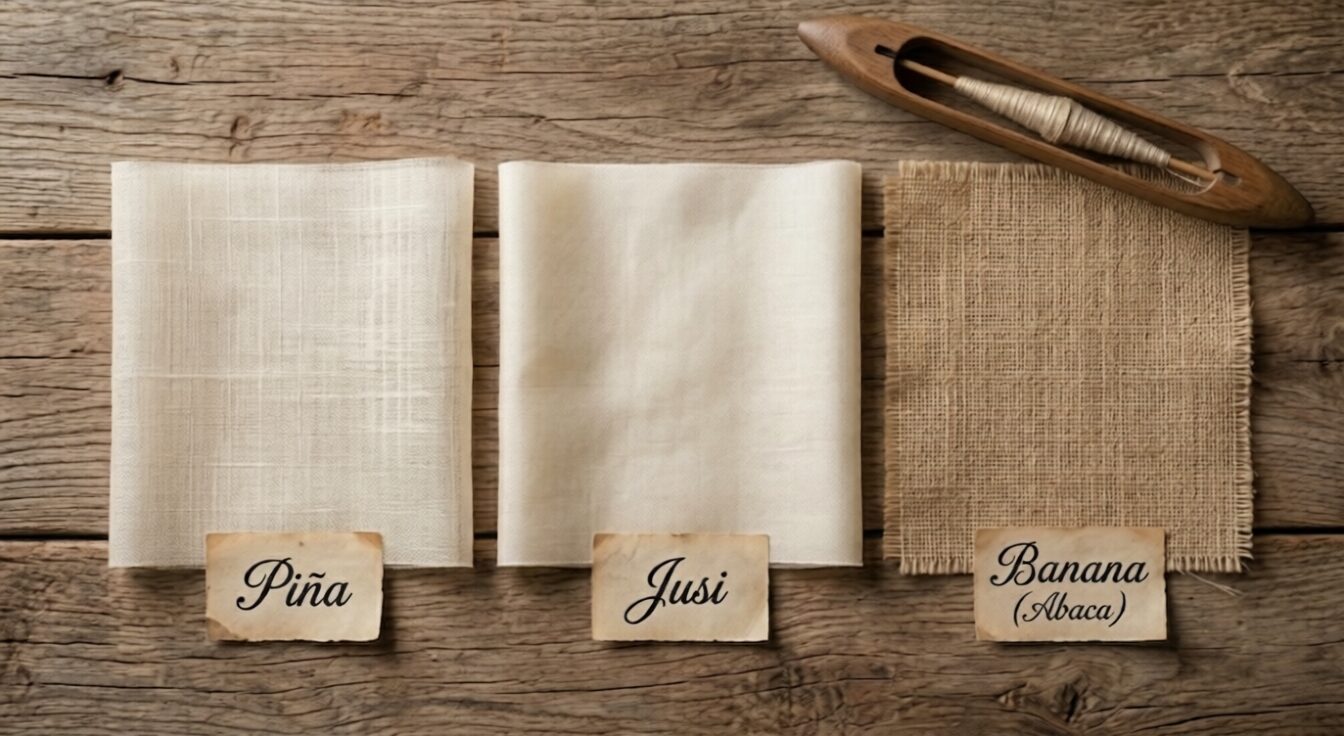
2. The Fabric Hierarchy: Understanding Your Heritage
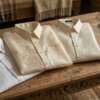
In our experience, the biggest hurdle for Fil-Ams is distinguishing between fabrics. To honor the tradition, you must know what you are wearing. Here is our expert breakdown:
|
Fabric Type |
Origin |
Traditional Significance |
Best Use Case |
|
Piña |
Pineapple Fiber |
The “Queen” of fabrics; highly prestigious. |
Weddings & State Events |
|
Jusi |
Raw Silk/Synthetic |
The “Classic” choice; crisp and durable. |
Galas & Formal Parties |
|
Banana (Abaca) |
Banana Fiber |
Earthy, stiff, and eco-friendly. |
Cultural Festivals |
|
Piña-Seda |
Piña & Silk Blend |
The “Modern Luxury” balance. |
High-end Guest Attire |
At Handmade Kapamilya, we prioritize authentic Filipino formal wear. We source our Piña from Aklan and our embroidery from the artisans of Lumban, Laguna—the “Embroidery Capital of the Philippines.”
3. Cultural Festivals: A Living Canvas of Identity
During vibrant festivals like Sinulog or local fiestas, the Barong Tagalog transforms from a formal garment into a symbol of regional pride.
- Regional Artistry: In the Visayas, you might see Barongs with ocean-inspired motifs. In Luzon, floral “Calado” (open-work) is king.
- The “Bordado” Tradition: These festivals are where the master embroiderers showcase their skills. Every stitch tells a story of a town’s history. Wearing a handmade Barong Tagalog during these times is a way of saying, “I know where I come from.”
4. Government and Statecraft: A Mark of Respect
The Barong Tagalog is the national formal attire of the Philippines for a reason. It is the “Great Equalizer.” From the President to the local clerk, the Barong removes the barriers of class.
- Official Functions: When government officials attend state visits, the Barong is a requirement. It signals transparency (due to the sheer fabric) and national sovereignty.
- Etiquette: If you are attending a formal event at a Philippine Consulate or a gala, the Barong is considered “Black Tie” equivalent. Never wear a tie with a Barong—the embroidery around the collar is meant to be seen, not covered.
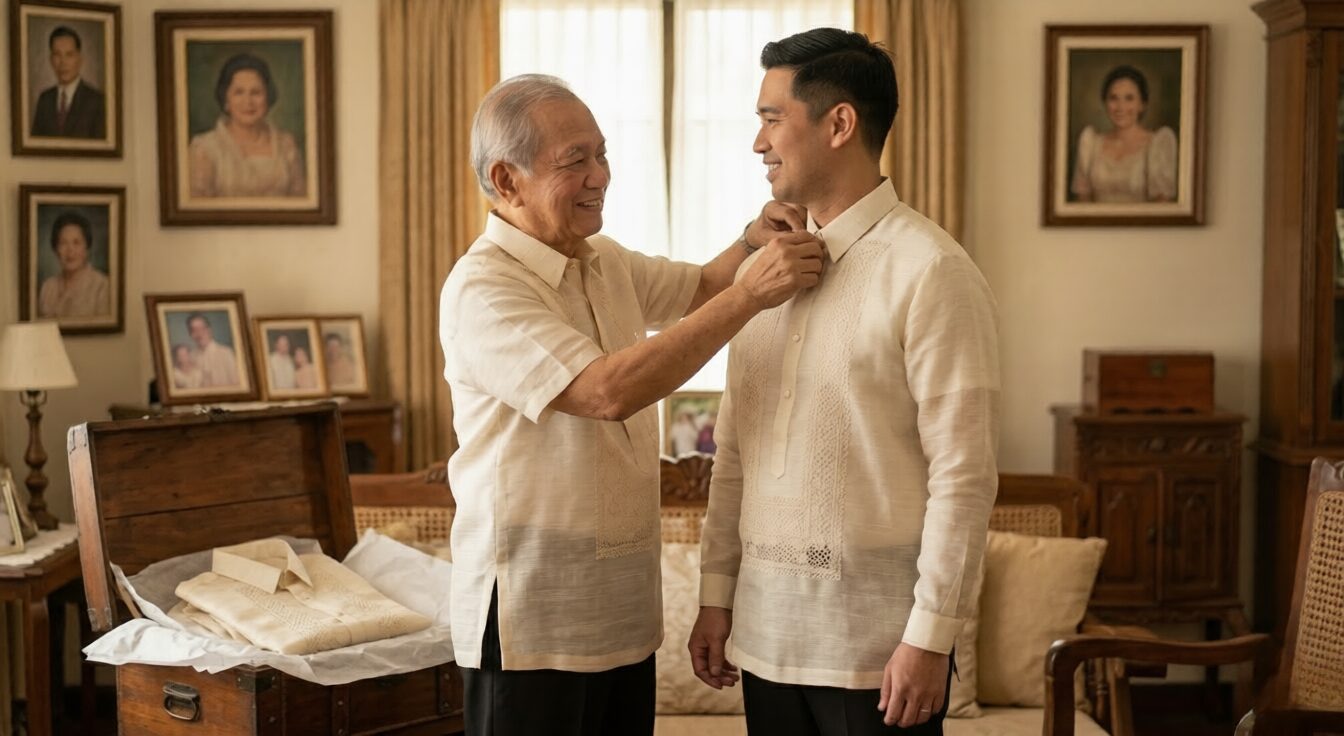
5. Family Celebrations: The “Pamana” Legacy
The most enduring Barong Tagalog tradition is the concept of Pamana—passing the garment down through generations.
“We recently had a client bring in a Barong from 1974. It was his father’s. We carefully restored the lace and resized it so he could wear his father’s legacy at his own wedding. That is the power of this garment.” — Lead Designer, Handmade Kapamilya.
- Continuity: When a father gifts his son his first Barong, it is a rite of passage. It marks the transition from childhood to being a “Gentleman of the Heritage.”
- Sentimental Bonds: Because high-quality Barongs (like those made of Jusi or Piña) last for decades, they become vessels for family memories.
6. Gifting the Barong: A Symbol of Affection
In Filipino culture, gifting a Barong is a profound gesture of respect. It is commonly given during:
- Graduations: To prepare the young man for his professional journey.
- Retirements: To honor a lifetime of hard work.
- Anniversaries: As a “renewal” of cultural pride.
Gifting a custom Barong Tagalog shows that you have taken the time to understand the recipient’s measurements, style, and heritage. It is a gift of identity.
7. The Modern “Pogi” Style: Etiquette for the Diaspora
For our Fil-Am community, wearing a Barong can feel intimidating. Here is how to maintain tradition while looking modern:
- The Fit: Traditionally, Barongs were boxy. Today, we recommend a “Modern Fit”—slim through the waist but allowing enough room for the fabric to breathe.
- The Undershirt: Always wear a long-sleeved white camisa de chino. A short-sleeved t-shirt creates a visible line at the biceps that breaks the “clean” look of the embroidery.
- Pants and Shoes: Pair your Barong with black dress slacks and polished black leather shoes. Avoid jeans or brown shoes unless it is a very casual outdoor event.
8. Caring for Your Barong: Preservation Tips
A Barong is an investment. To ensure it becomes a Pamana, follow these rules:
- No Machine Washing: The agitation will shred the delicate pineapple or silk fibers.
- Hand Wash with Mild Soap: Use a gentle touch and air dry.
- The Padded Hanger: Never use wire hangers. They create “shoulder nipples” in the delicate fabric. Use padded hangers to maintain the silhouette.
- Storage: Store in a breathable cotton garment bag. Plastic bags can trap moisture and cause the fabric to yellow.
Conclusion: Wear Your Story with Pride
Barong Tagalog traditions are more than just rules of fashion; they are the threads that connect us to our ancestors and our future. Whether you are walking down the aisle, accepting an award, or simply celebrating your roots at a family reunion, the Barong tells the world that you are proud of your Filipino blood.
At Handmade Kapamilya, we don’t just sell clothes. We craft legacies. We invite you to explore our collection and find the piece that speaks to your story.
Salamat po for being part of our journey.
[Shop our Authentic Barong Tagalog Collection]
[Explore Custom Wedding Barongs]
Must-Read Topics About Filipino Culture and Identity:
- Related Guide: Barong Tagalog US Guide for the Authentic Formal Wear
- Style Tips: How to Style Modern Filipino Fashion with Heritage Influence
- Cultural Deep Dive: Filipiniana Dress Guide: A Simple Look at Heritage, Style & Elegance