
Slide toggle
Monday - Friday: 09:00 - 5:00 CT 9001 Griggs Avenue Unit 243, Circle Pines, MN 55014 612-239-1469 orders@handmadekapamilya.com

Author: mplsoul

Barong Tagalog History

Barong Tagalog: Unraveling the Timeless Threads of Filipino Heritage

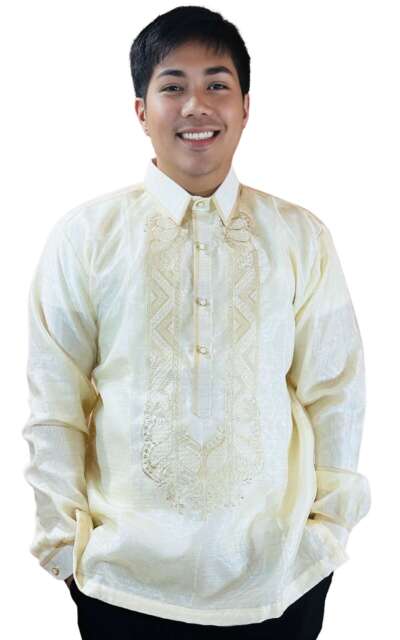
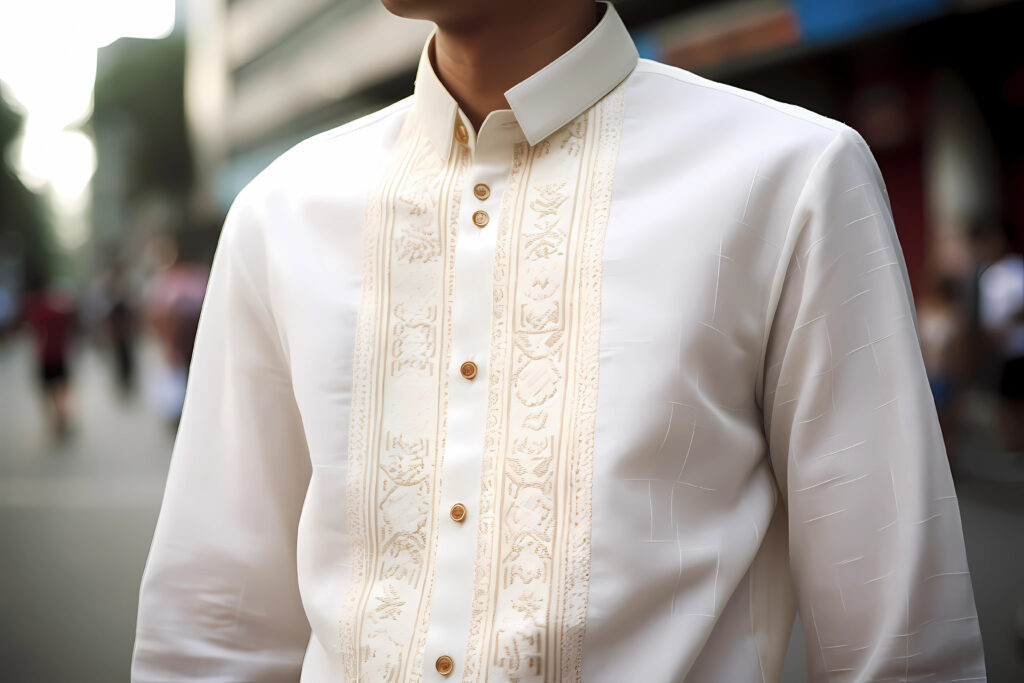
Here’s some Barong Tagalog history: The Barong Tagalog, with its intricate embroidery and graceful design, is not just a garment; it is a symbol of Filipino identity and cultural pride. This iconic traditional attire has a rich history that dates back centuries, weaving together tales of heritage, artistry, and national unity.

Origins of the Barong Tagalog

The origins of the Barong Tagalog can be traced back to the pre-colonial era of the Philippines. Early Filipinos, long before the arrival of foreign influences, donned loose-fitting, translucent shirts made from indigenous materials such as pineapple and abaca fibers. These light and breathable garments were well-suited to the country’s tropical climate, reflecting the ingenuity of the Filipino people in adapting clothing to their surroundings.

Influence of Spanish Colonization

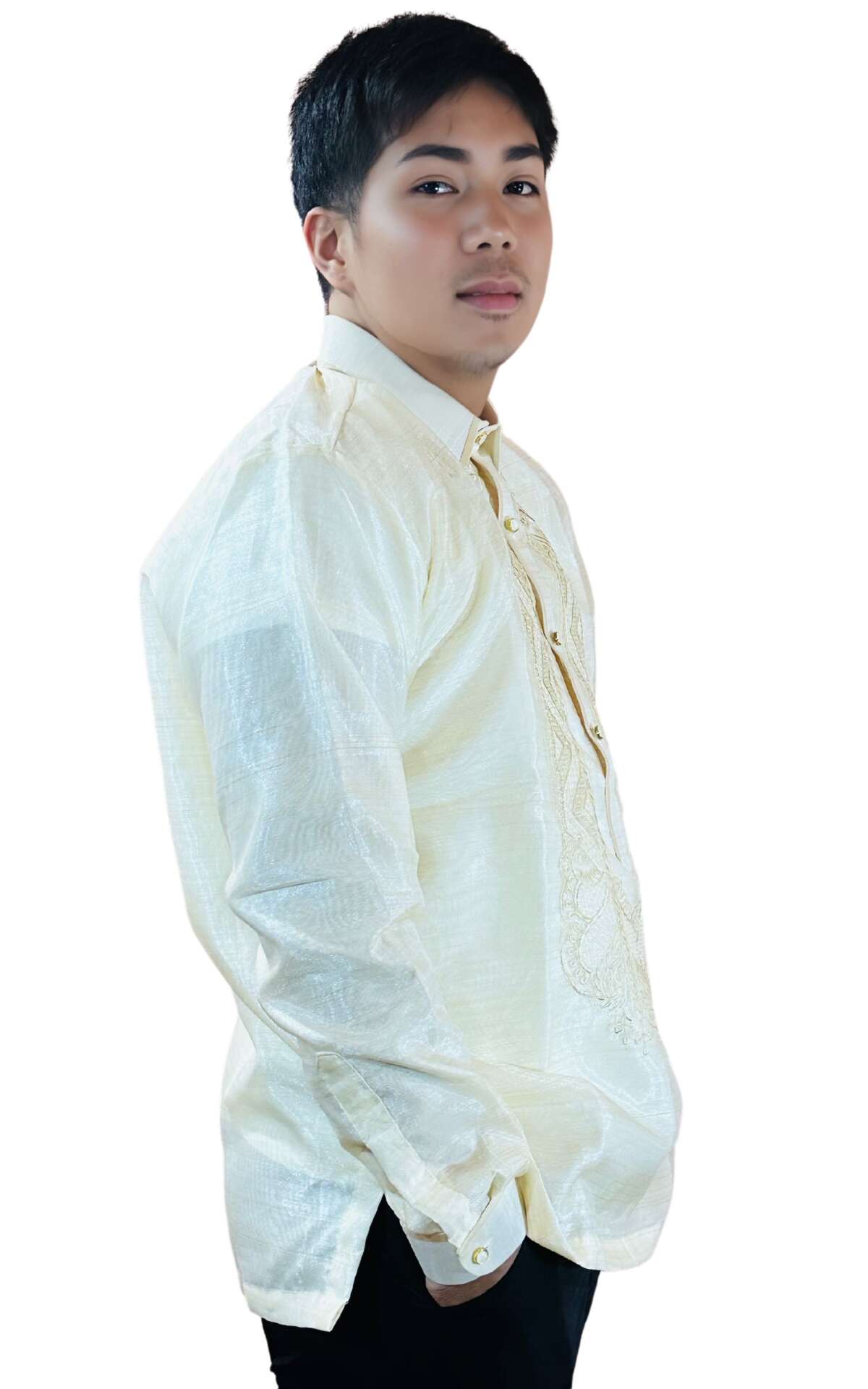
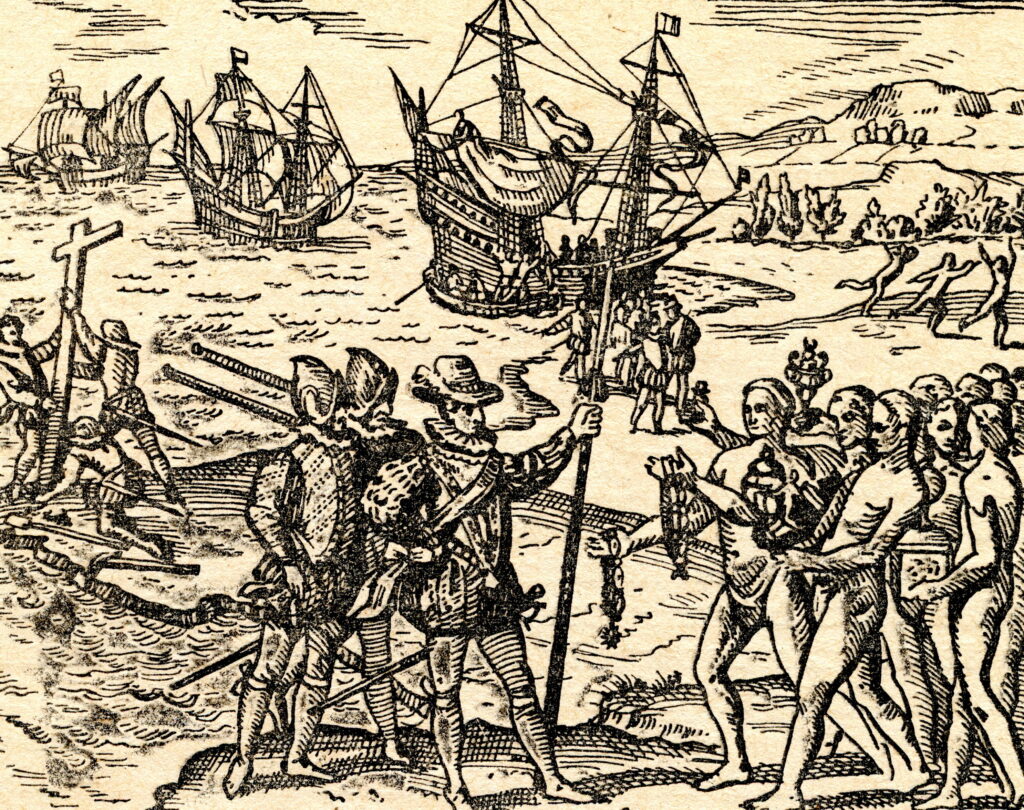
The Barong Tagalog, as we know it today, bears the mark of Spanish colonization. During the Spanish colonial period (16th to 19th century), the traditional Filipino attire underwent significant changes. The Spaniards introduced European fashion elements, and the once-sleeveless Barong gained long sleeves and a button-down front. The intricate embroidery work, inspired by Spanish lace and drawn threadwork, became a prominent feature of the Barong Tagalog, adding an exquisite touch to the garment.

Barong Tagalog History Comes From Spanish Colonization

National Symbol and Formal Attire

As the Philippines struggled for independence, the Barong Tagalog emerged as a potent symbol of Filipino resistance and identity. During the revolutionary period against Spanish rule and later against American colonization, the Barong was worn with pride by national heroes and freedom fighters. After gaining independence in 1946, the Philippine government declared the Barong Tagalog as the national formal attire for men, cementing its significance in the country’s history and culture.

Barong Tagalog in Modern Times

Despite the changing fashion landscape, the Barong Tagalog has endured the test of time and continues to be an integral part of Filipino culture and celebrations. From weddings and formal events to national holidays and traditional ceremonies, the Barong Tagalog remains a symbol of elegance and cultural heritage. Moreover, with the rise of “Barong Fridays” and a resurgence of national pride, more Filipinos are embracing this traditional attire in everyday wear, further preserving its legacy for future generations.

Craftsmanship and Artistry

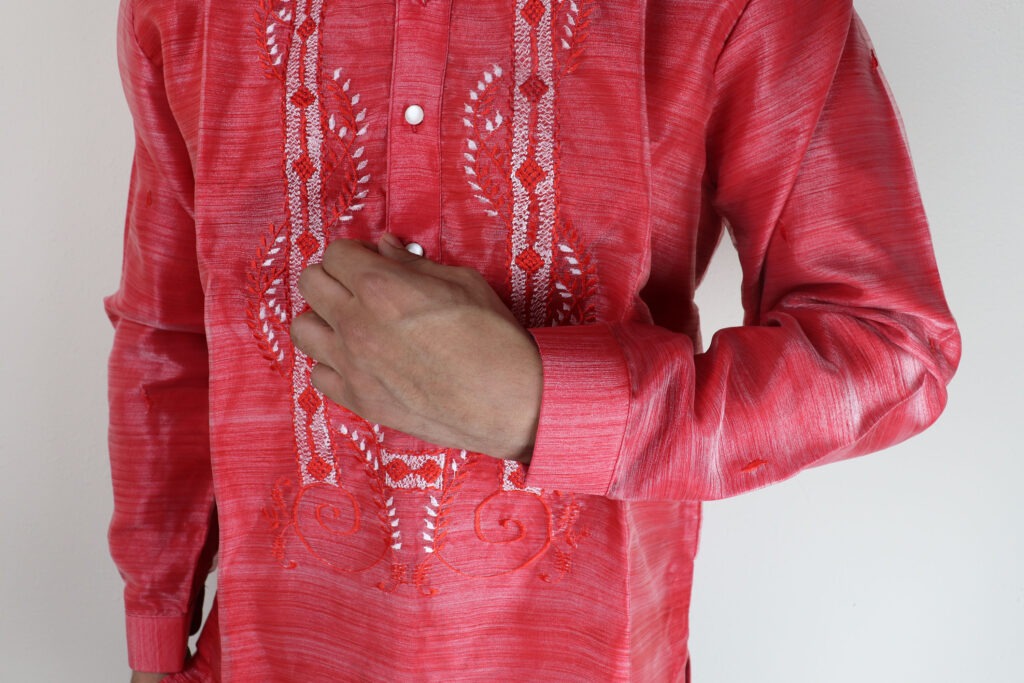
At the heart of the Barong Tagalog‘s allure lies the exceptional craftsmanship and artistry of Filipino weavers and embroiderers. Skilled artisans painstakingly create delicate patterns and designs, infusing each Barong with a unique story and artistic expression. This dedication to craftsmanship has made the Barong Tagalog not just a piece of clothing but a work of art that represents the soul of Filipino culture. These delicate pieces of clothing need special care for your Barong Tagalog.

Barong Tagalog History revolves around pineapple leaf fabric

Conclusion: Embracing the Barong Tagalog Legacy

The Barong Tagalog stands as a timeless masterpiece that encapsulates the beauty of Filipino culture and history. From its humble origins in pre-colonial times to its present-day prominence as a national symbol, the Barong Tagalog remains a testament to the resilience and creativity of the Filipino people.

As we don the Barong Tagalog with pride and admiration, let us remember the centuries of history and artistry woven into its fibers. Embracing this iconic garment is not just a fashion choice; it is a celebration of our shared heritage and a commitment to preserving the cultural legacy for generations to come. The Barong Tagalog continues to be a shining beacon of Filipino identity, connecting us to our roots and uniting us as one nation with a rich and vibrant history.

Filipino Funeral Attire & Filipino Funeral Gifts

A Farewell with Grace: Traditional Filipino Funerals and the Symbolic Barongs

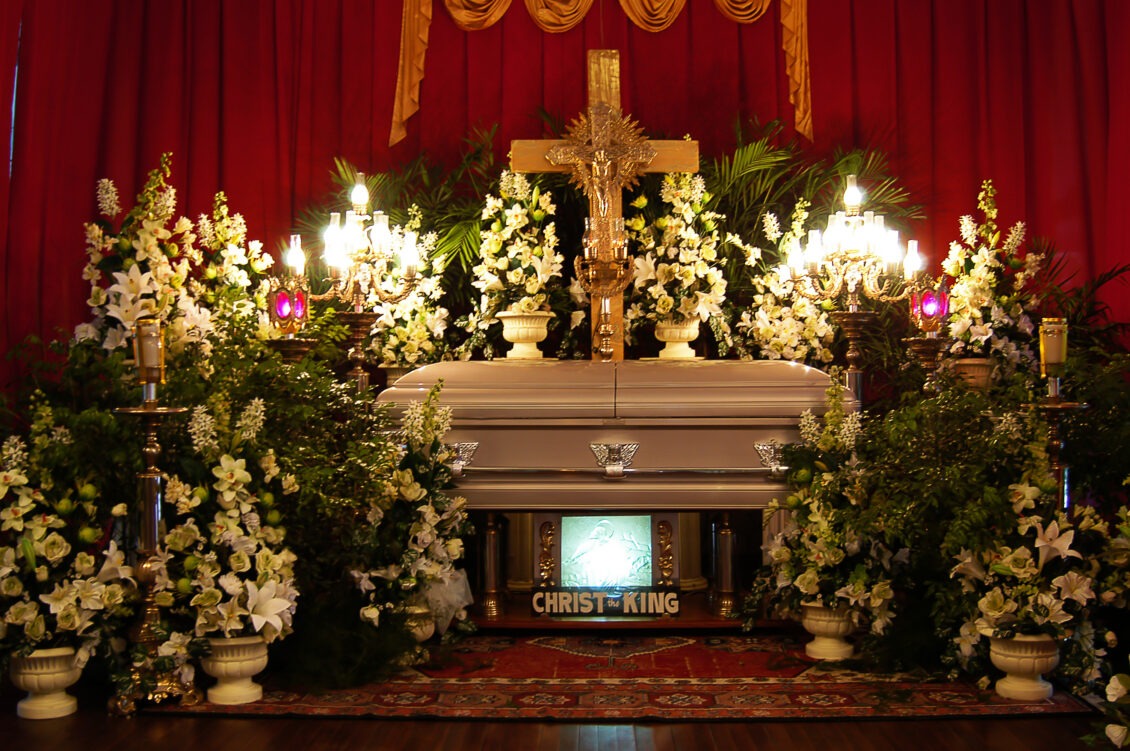
In the Philippines, funerals are not just somber occasions; they are a heartfelt tribute to the departed and a celebration of a life well lived. Amidst the mourning and grief, a sense of cultural pride and unity envelops these solemn events. At Filipino funerals, the traditional Barong Tagalog takes on a poignant role, symbolizing respect, dignity, and a final farewell with grace. Let’s explore the significance of Filipino funerals and the elegant presence of Barongs during these meaningful ceremonies.
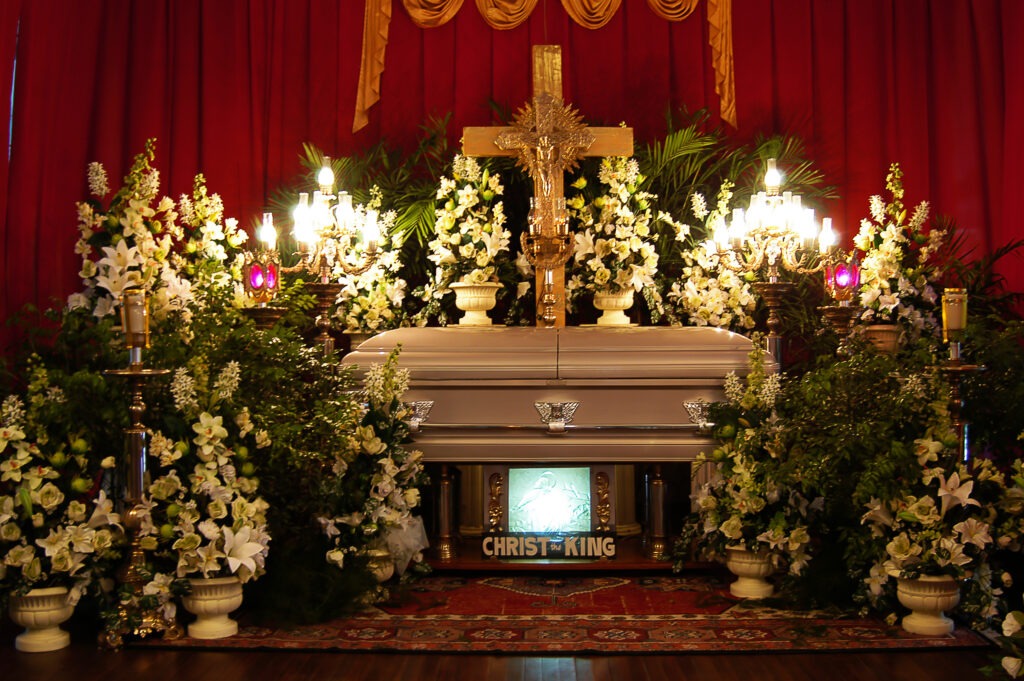
 

Filipino Funeral in Christian Church


Filipino Funeral Traditions: Embracing Respect and Unity

Filipino funerals are deeply rooted in cultural traditions that reflect the nation’s values of respect and unity. The grieving process is a collective affair, with friends, family, and community members coming together to offer condolences and support to the bereaved family. In the face of loss, Filipino funerals serve as a reminder of the strength of familial bonds and the resilience of the human spirit.


The Significance of Barong Tagalogs at Filipino Funerals

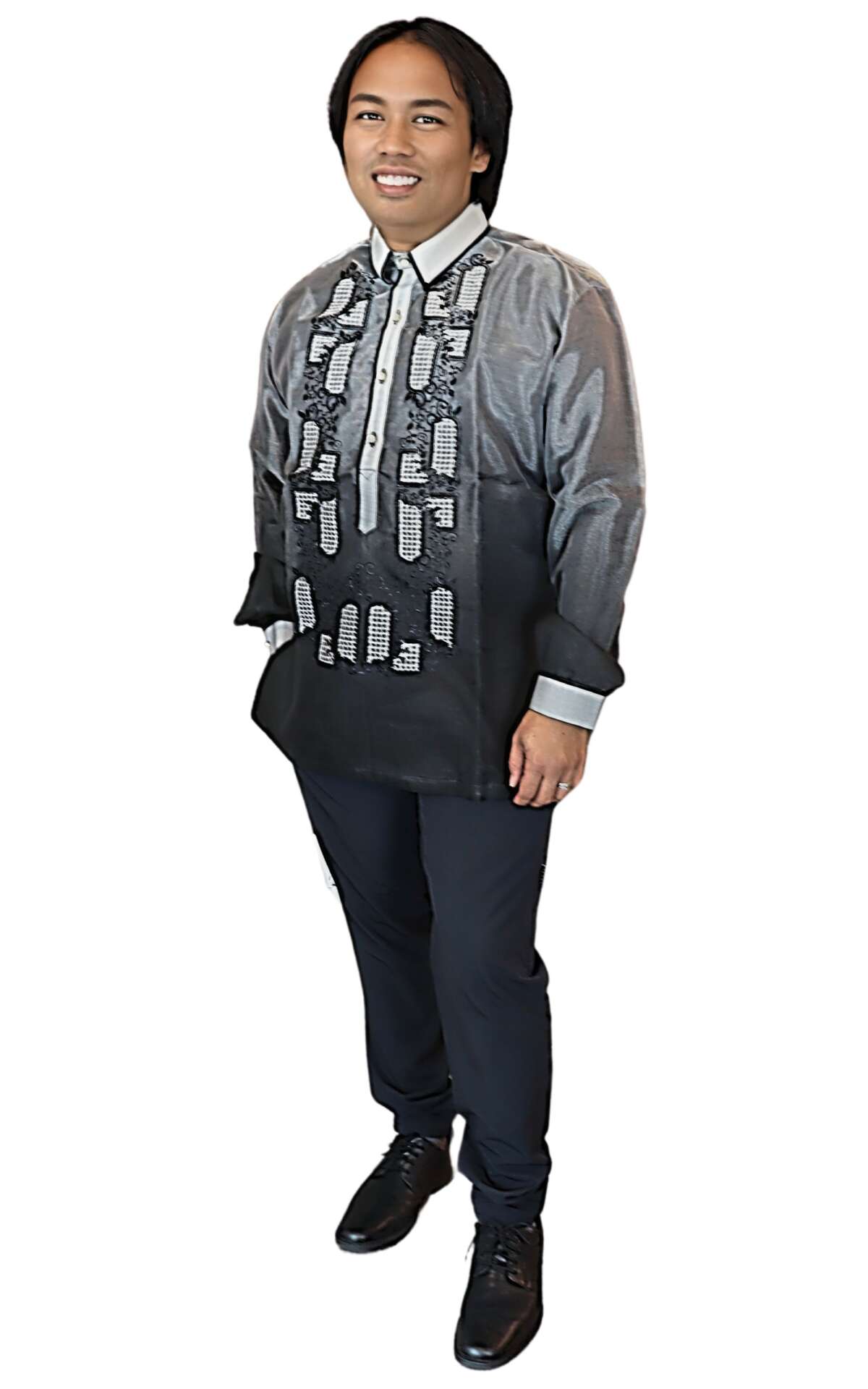
During Filipino funerals, Barong Tagalogs, typically either the classic white or black, play a significant role in honoring the departed and the mourning process. The elegant and dignified appearance of black Barongs symbolizes respect for the deceased and their family. Wearing Barongs demonstrates an acknowledgment of the solemnity of the occasion and the desire to pay tribute to the life that has passed.


Barong Tagalog Colors: A Display of Mourning at Filipino Funerals

In Filipino culture, white is the color associated with purity. Black barong is the color associated with mourning. During funerals, the Barong Tagalog worn by close family members, such as sons, brothers, and nephews, is often white or a subdued color to signify purity or black for mourning. The use of white Barongs exemplifies a sense of solemnity and reverence, honoring the memory of the departed.
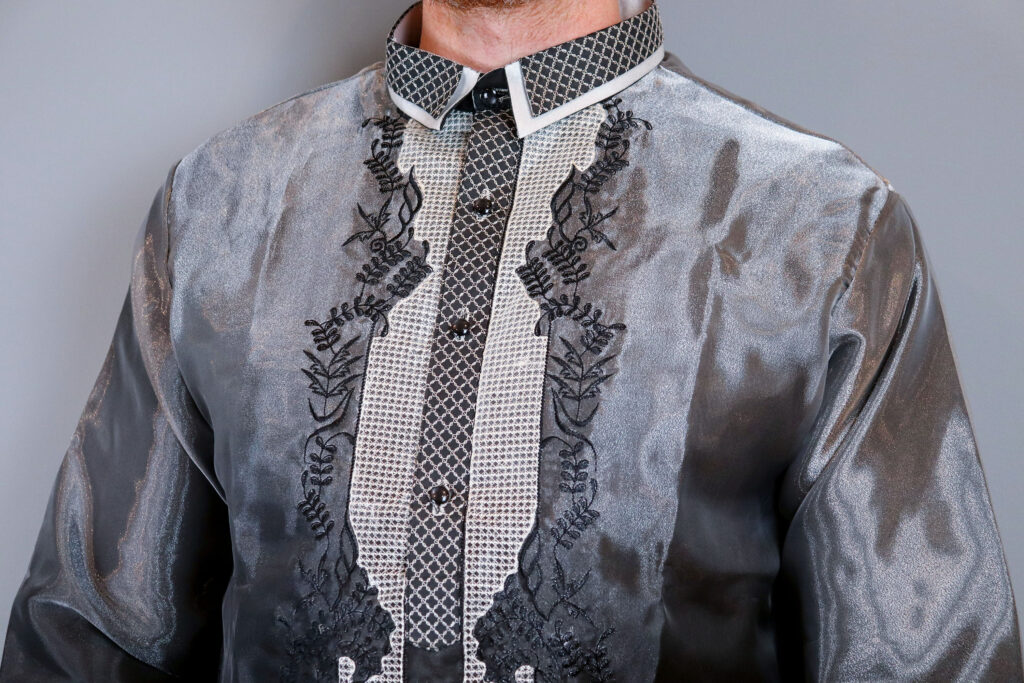
 

Filipino Black Barong Tagalog


Filipino Funeral Gifts

When attending a Filipino funeral, it is customary to bring gifts that show support and sympathy for the grieving family. Common gifts include flowers, often white, symbolizing purity and respect. Monetary contributions, known as “abuloy,” are also a significant tradition, helping with funeral expenses and showing communal solidarity. Additionally, food is frequently given, easing the family’s burden during their time of grief. These gestures embody the deep sense of community and compassion characteristic of Filipino culture.

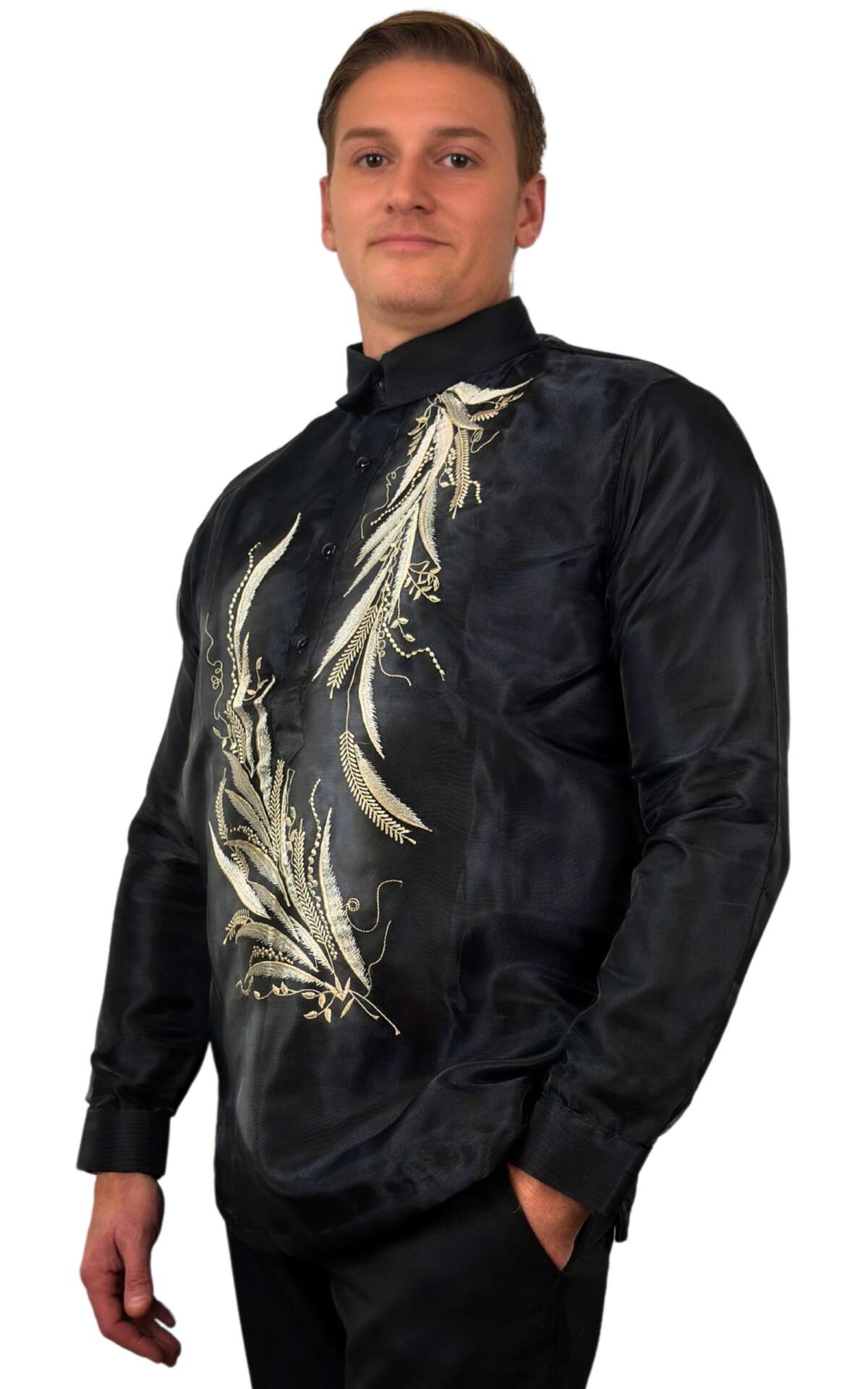
 

Black Feather Embroidered Long S...
Price range: $76.01 through $79.04
Black Long Sleeve Organza Barong...
Price range: $76.01 through $79.04
White Long Sleeve Organza Barong...
Price range: $76.01 through $79.04

Paying Final Respects with Elegance at Filipino Funerals

As the funeral service proceeds, the elegant Barong Tagalogs worn by family members add a touch of grace and dignity to the proceedings. The attire signifies that, even in the face of sorrow, the Filipino spirit remains resilient and dignified. It is a testament to the enduring cultural pride that persists through times of grief.


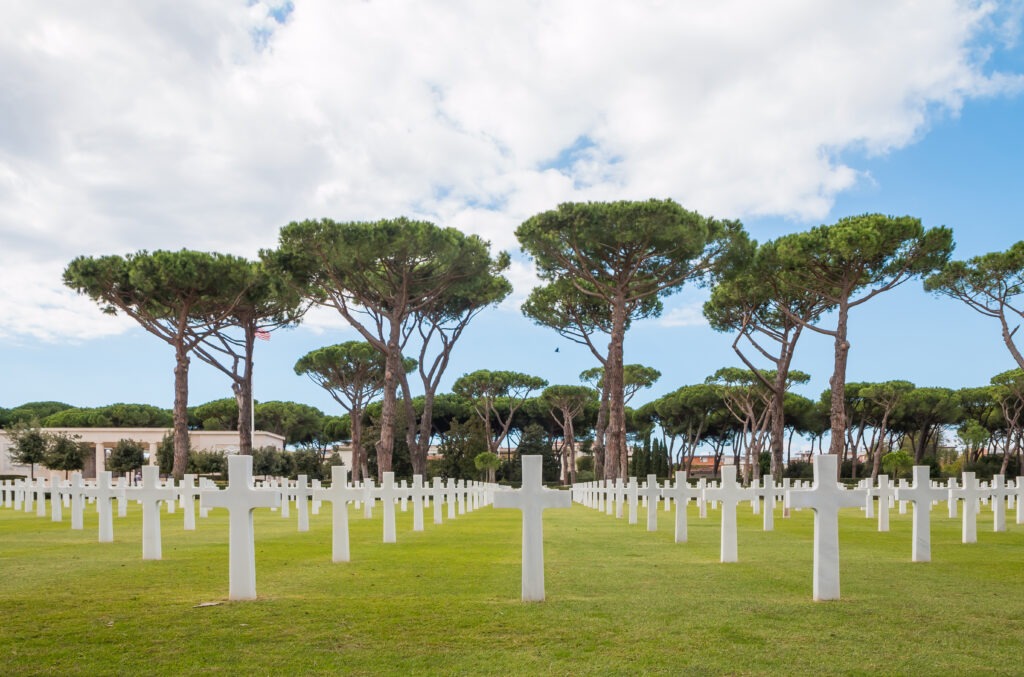
Filipino Funeral Grounds


Community Support and Unity

Throughout the funeral, the presence of the community and extended family offers comfort to the bereaved. The Barong Tagalogs worn by attendees foster a sense of unity, creating a visual reminder of shared cultural heritage and the collective mourning for the departed.


A Celebration of Life and Legacy

Filipino funerals are not solely a time for mourning; they are also an opportunity to celebrate the life and legacy of the departed. Through stories, eulogies, and shared memories, loved ones find solace in honoring the impact of the deceased on their lives. The elegance of Barongs adds a touch of grace to this celebration of a life well-lived.


Unique Burial Location on Side of Cliff
Sagada, Philippines-October 9, 2016: The Igorots practice unique funerary customs-the dead are buried in coffins tied or nailed to cliffs. Sagada-Mountain province-Cordillera region-Luzon-Philippines.


Conclusion: The Last Goodbye with Dignity

Filipino funerals, with the dignified presence of Barong Tagalogs, are a poignant reminder of the significance of cultural traditions during times of grief. These ceremonies reflect the profound respect and unity that characterize Filipino communities.


Filipino Funeral Precession

As the Barong Tagalog elegantly graces the final farewell, it symbolizes the enduring legacy of the departed and the spirit of resilience that unites the Filipino people. Funerals in the Philippines are not just a time of mourning; they are a testament to the strength of cultural heritage and the profound sense of respect that defines Filipino tradition.

Filipino Baptisms Gown & Traditions

Filipino Baptisms and the Graceful Presence of Barongs: A Sacred Rite of Passage

In the Philippines, baptisms are joyous celebrations, marking a child’s spiritual journey into Christian faith. Surrounded by love and cherished traditions, they forge lasting bonds, embracing family and culture. Enveloped in family warmth and Barong Tagalogs’ elegance, Filipino baptisms epitomize tradition and devotion. Let’s explore their significance.


Embracing Faith and Community Around Filipino Baptisms

Filipino baptisms hold a special place in the hearts of Filipino families. Beyond the religious significance, they symbolize a strong sense of community and familial bonds. As family and friends gather to witness this sacred event of a Filipino baptism, they come together in support and love, creating an atmosphere of joy and unity.


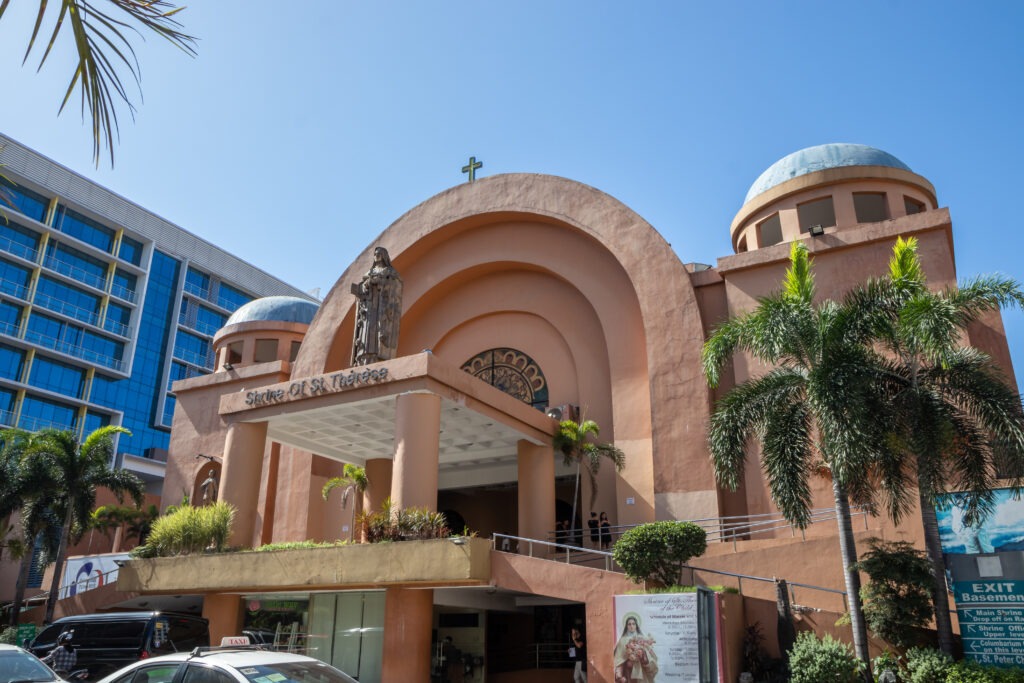
Church in Manila, Philippines


The Role of Godparents in Baptisms

Godparents, known as “ninong” (male) and “ninang” (female), play a pivotal role in Filipino baptisms. They are chosen by the child’s parents to provide spiritual guidance and support throughout the child’s life. The Godparents’ commitment to their role is a testament to the close-knit relationships within Filipino families and communities.


Baptismal Attire: The Elegance of Barong Tagalogs

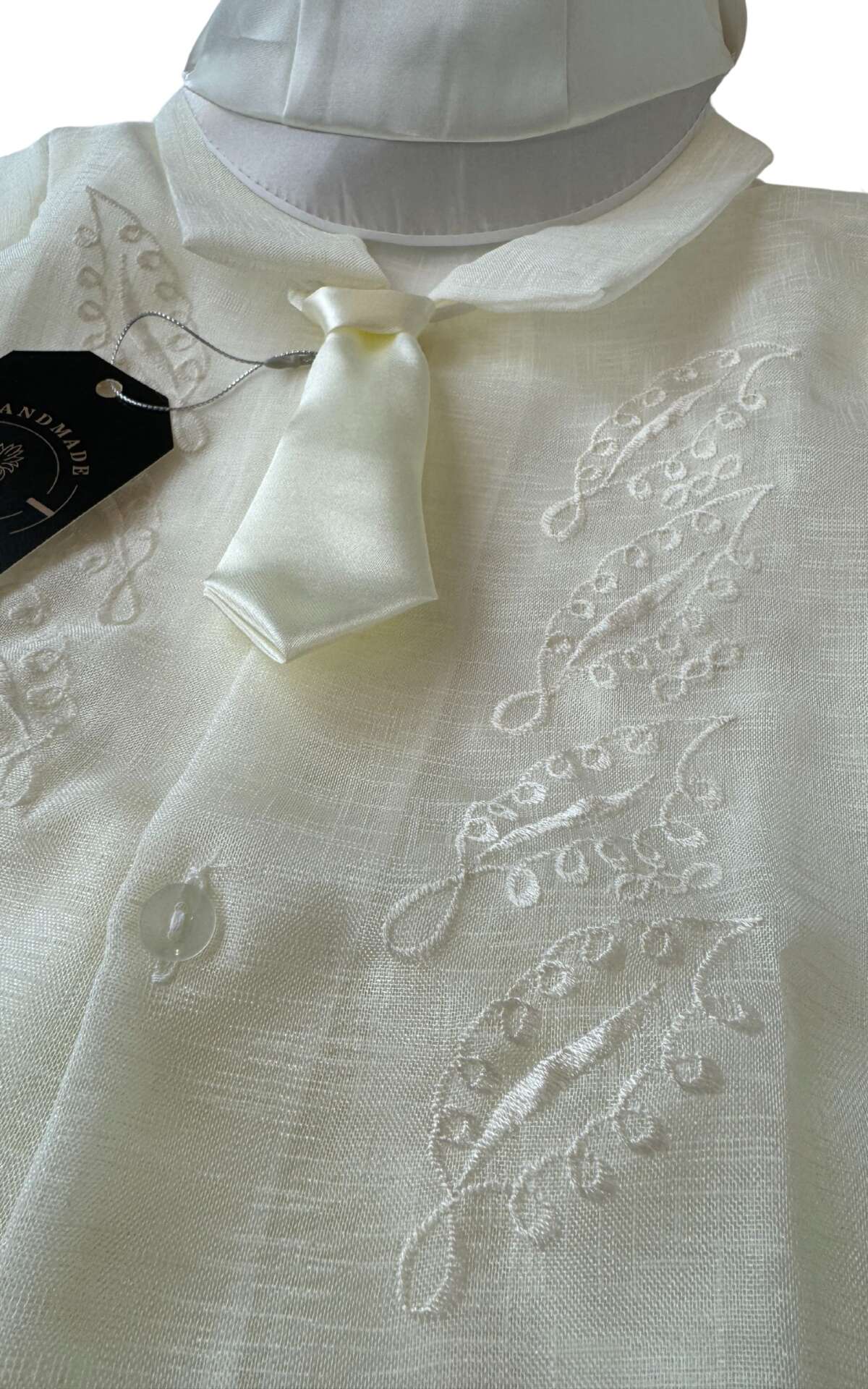
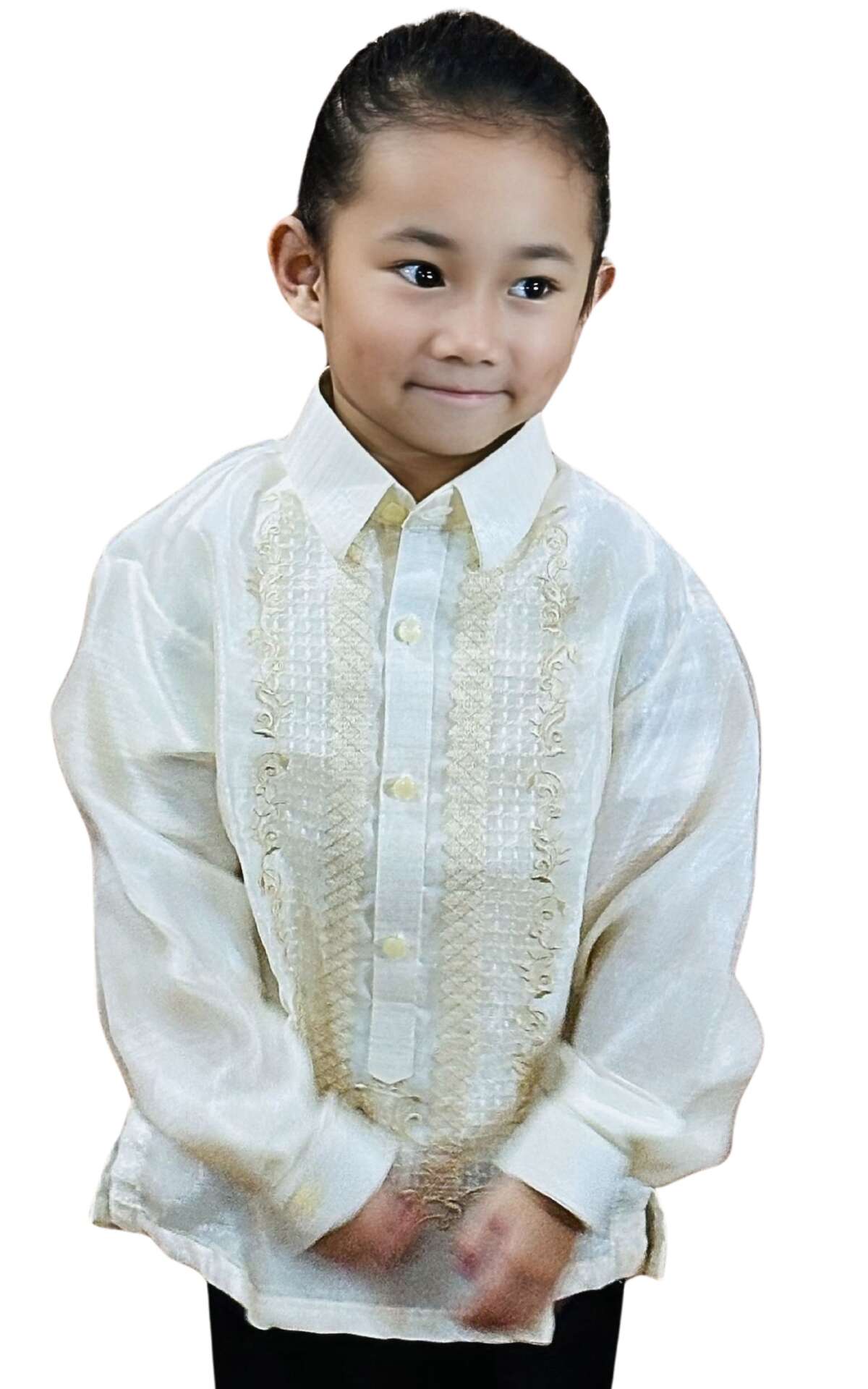
In Filipino baptisms, the attire of choice for young boys is the elegant Barong Tagalog. These finely crafted garments, often made from piña, jusi, or other delicate fabrics, embody the essence of Filipino elegance. Worn by the child, parents, and Godparents alike, the Barong Tagalog assumes a role of profound symbolism during this sacred occasion, signifying purity and reverence. With its immaculate design and graceful fabric, the Barong Tagalog embodies the essence of spiritual sanctity, enveloping the participants in an aura of solemnity and devotion as they come together to celebrate this cherished moment of faith and tradition.


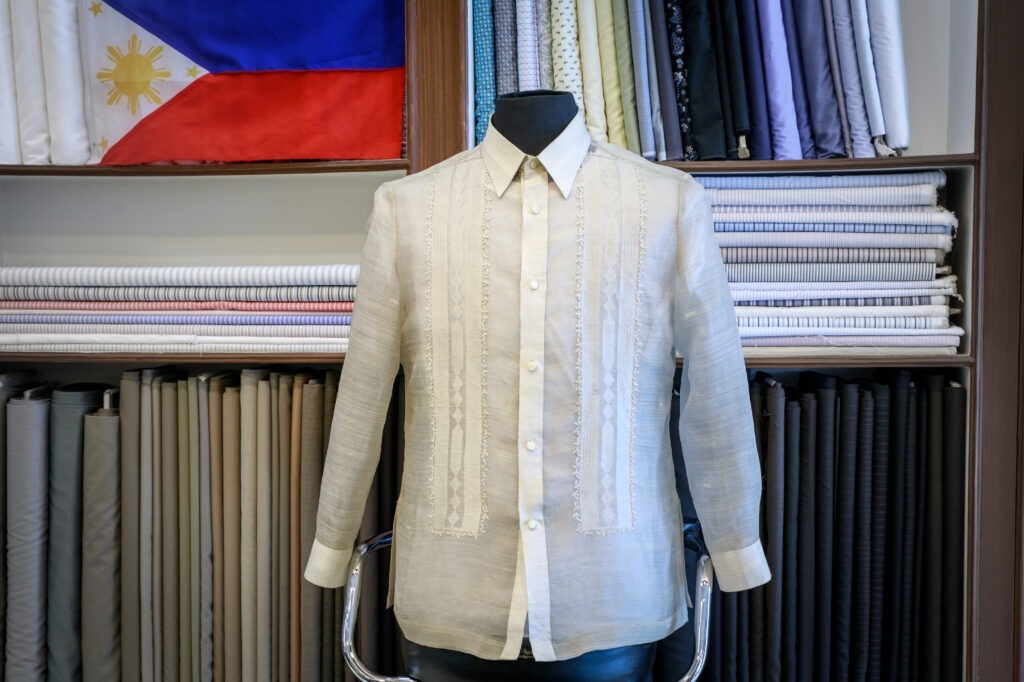
Filipino Barong Tagalog
Traditional Costume Barong Tagalog


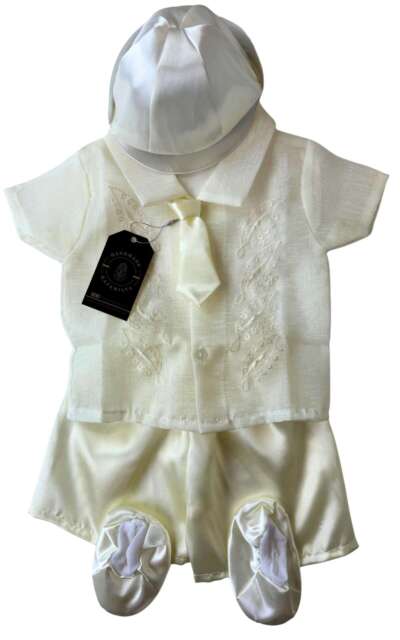
Infant Christening Baptism Outfi...
Original price was: $51.20.Current price is: $29.99.
-41%
Kids White Long Sleeve Organza B...
Price range: $66.37 through $78.44

A Ritual of Blessings and Symbolism in Filipino Baptisms

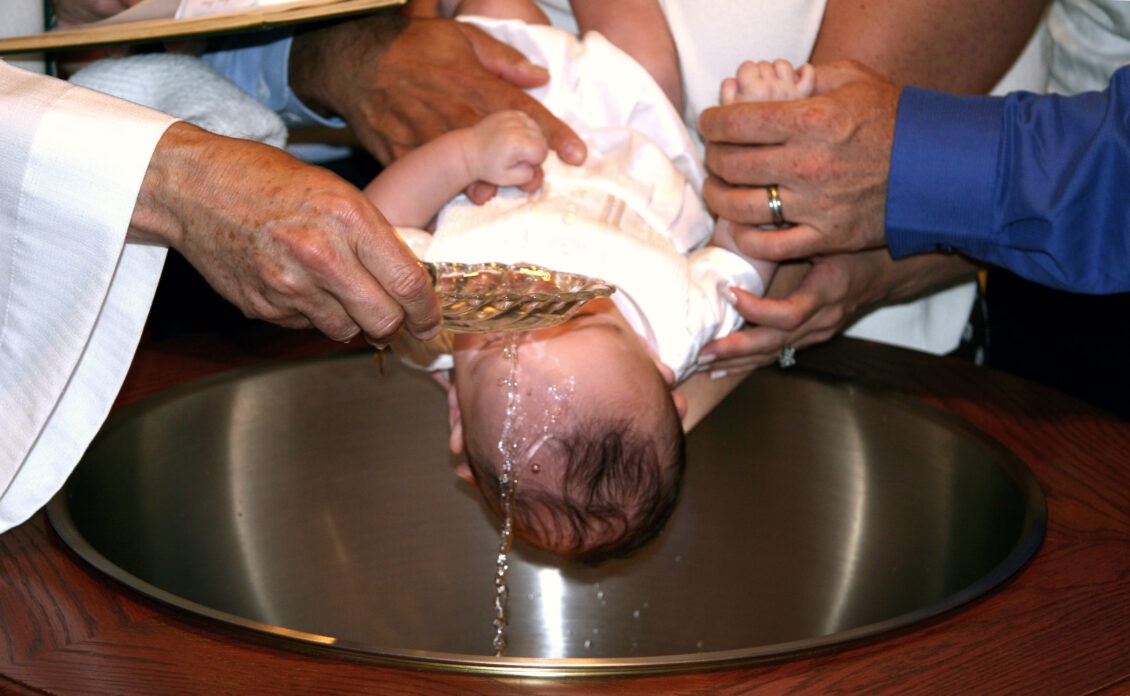
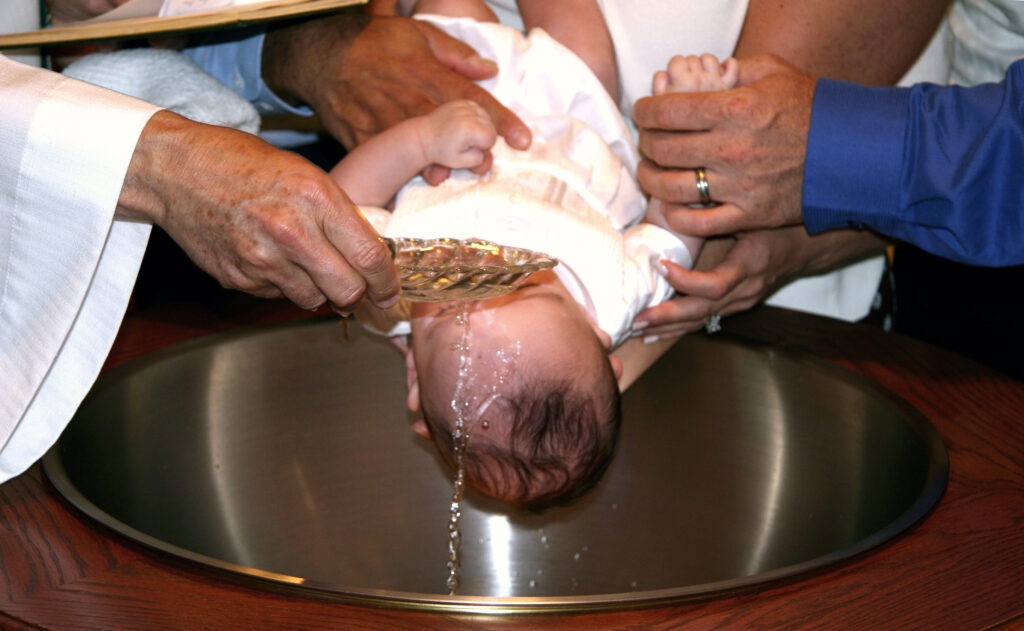
The baptismal ceremony itself is steeped in ritual and symbolism. The water used for baptism takes on a profound meaning, symbolizing purification and the cleansing of sins, while the sign of the cross gently traced on the forehead holds a sacred significance as it marks the child’s initiation into the Christian faith. These symbolic rituals not only sanctify the moment but also serve as a spiritual bridge, connecting the child to a lifelong journey of faith and devotion.Throughout the ceremony, prayers are offered, blessings bestowed, and the child is officially named, signifying their belonging to the Christian community.


Filipino baptism
Baby receiving baptism


Post-Baptismal Celebrations: Party Filipino Style

After the baptismal rites at the Filipino baptism, a joyful celebration ensues. Family and friends gather for a festive feast, where traditional Filipino dishes and delicacies abound. During these celebrations, the Barong Tagalogs remain a prominent sight, elegantly complementing the joyful atmosphere with their exquisite craftsmanship and traditional allure. As laughter and festivities fill the air, the graceful presence of these garments adds a touch of cultural pride and sophistication, symbolizing the cherished customs that bring families and friends together in harmonious celebration.


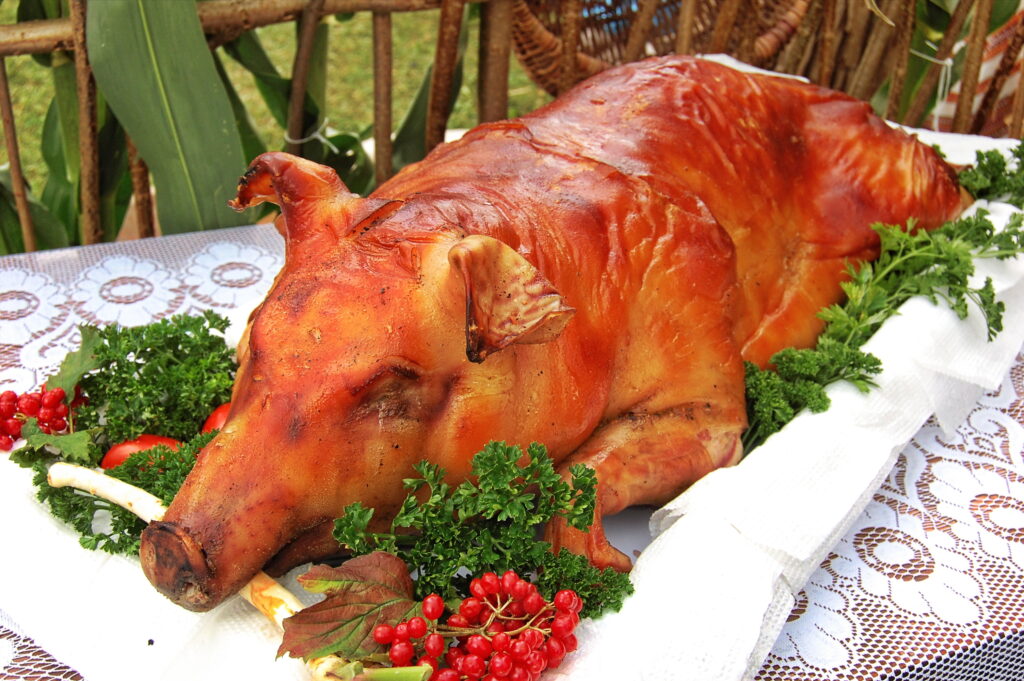
Filipino style lechon
Chefs serve the delicious pig as a dish called lechon, cooking it over a fire and preparing it for guests as a refined entertainment.


A Legacy of Baptism Faith and Tradition

As the child grows, the memory of their baptism remains an indelible part of their life’s journey. The Barong Tagalog worn during this sacred event becomes a cherished keepsake, lovingly passed down through generations, serving as a profound symbol of family unity and unwavering faith. This treasured garment, with its intricate embroidery and delicate fabric, not only preserves the memories of the past but also connects the threads of heritage, weaving a timeless bond that transcends time.


Conclusion: A Blessing of Love and Tradition

Filipino baptisms, adorned with the grace and elegance of Barongs, are a testimony to the profound significance of faith, family, and cultural heritage. These sacred rites of passage unite families and communities in celebration and devotion, creating a lasting bond that transcends time.

As the Barong Tagalog continues to grace the baptisms of young boys, it symbolizes not only elegance but also signifies the enduring legacy of Filipino traditions and values. Moreover, it serves as a poignant reminder of the rich cultural heritage passed down through generations, linking the past and the present in a seamless tapestry of identity and pride. Baptisms in the Philippines are not just moments of spiritual initiation; they are celebrations of love, faith, and cultural identity, beautifully woven together like the delicate threads of a Barong Tagalog, forming a timeless tapestry of Filipino heritage.

Caring for Your Barong Tagalog: Hand Wash Guide

Caring for Your Barong Tagalog: Hand Wash Guide

Caring for Your Barong Tagalog is a treasured piece of Filipino heritage, deserving of meticulous care to maintain its elegance and beauty. We have created this care guide to ensure your barong stays in pristine condition, follow these simple hand wash steps:

  1. Prepare the Solution: Fill a basin with water and add a mild detergent (we have found that either of these brands has worked best for us: Tide or Soak). Gently stir the solution with your hand to evenly distribute the soap.
  2. Submerge and Agitate: Immerse the barong in the detergent solution. With a delicate touch, agitate the fabric to allow the soap molecules to penetrate. Gently lift and lower the barong several times, letting the solution flow through the fabric.
  3. Stain Removal (For Jusi Barongs, the silk ones): If you have a jusi barong and notice stains, use a soft brush to gently treat the affected areas—such as the collar, cuffs, and armholes. For other barong types: (piña, piña-silk, abaca-cotton, or cocoon), avoid brushing and instead, apply more detergent directly to the stained areas. Continue immersing and lifting the barong until the dirt vanishes.
  4. Rinse with Care: Thoroughly rinse the barong with clean water. When rinsing, avoid squeezing or twisting the fabric to prevent damage.
  5. Air Drying: Hang the barong on a plastic or soft (not a wire one) round-edge hanger (or a plastic suit hanger for coats) and allow it to air dry naturally, it should be completely dry by morning.

A word of caution: Hand washing and ironing a barong may require time and skill. If you want to avoid any potential harm or lack the necessary expertise, entrusting your barong to a professional dry cleaner is the best option.

Remember, your barong represents the timeless elegance of Filipino culture, and by giving it proper care, you ensure it remains a cherished piece for generations to come. Embrace the art of caring for your barong, honoring the traditions and craftsmanship woven into its fabric.