Slide toggle
Monday - Friday: 09:00 - 5:00 CT 9001 Griggs Avenue Unit 243, Circle Pines, MN 55014 612-239-1469 orders@handmadekapamilya.com

Category: Filipino Culture

Explore the Vibrant Tapestry of Filipino Culture – Immerse yourself in the rich heritage of the Philippines with our captivating blog posts. Discover the fascinating traditions, artistry, and stories behind Barong Tagalogs, Filipinianas, and other exquisite handmade Filipino goods. Join us as we celebrate the essence of Filipino identity and traditions, and embark on a journey of cultural appreciation and craftsmanship.

Indulge in a diverse collection of articles that delve into the historical significance of traditional Filipino clothing, such as the iconic Barong Tagalog, a symbol of elegance and national pride. Dive into the world of Filipinianas, exploring their timeless appeal and their role in showcasing Filipino aesthetics and femininity.

Beyond clothing, our blog unravels the stories behind handmade Filipino goods, crafted with passion and skill, reflecting the nation’s artistic ingenuity. From intricately designed crafts to authentic culinary delights, we explore the soulful expressions of Filipino craftsmanship and creativity.

Enrich your understanding of Philippine festivals, rituals, and customs, as we bring you closer to the heart of Filipino celebrations and cultural practices. Through vibrant imagery and compelling narratives, we aim to foster an appreciation for the beauty and diversity that define the Filipino way of life.

Our blog isn’t just about showcasing traditions; it’s also about engaging with the vibrant present and future of Filipino culture. We celebrate contemporary Filipino artists, musicians, and influencers who are shaping the cultural landscape, melding heritage with modernity.

Whether you’re a Filipino eager to reconnect with your roots or an enthusiast of diverse cultures, our ‘Filipino Culture’ blog category offers a gateway to immerse yourself in the enchanting and ever-evolving world of Philippine heritage. Discover the depth and richness of Filipino identity through our curated content, and join us on this inspiring journey of exploration and cultural exchange.

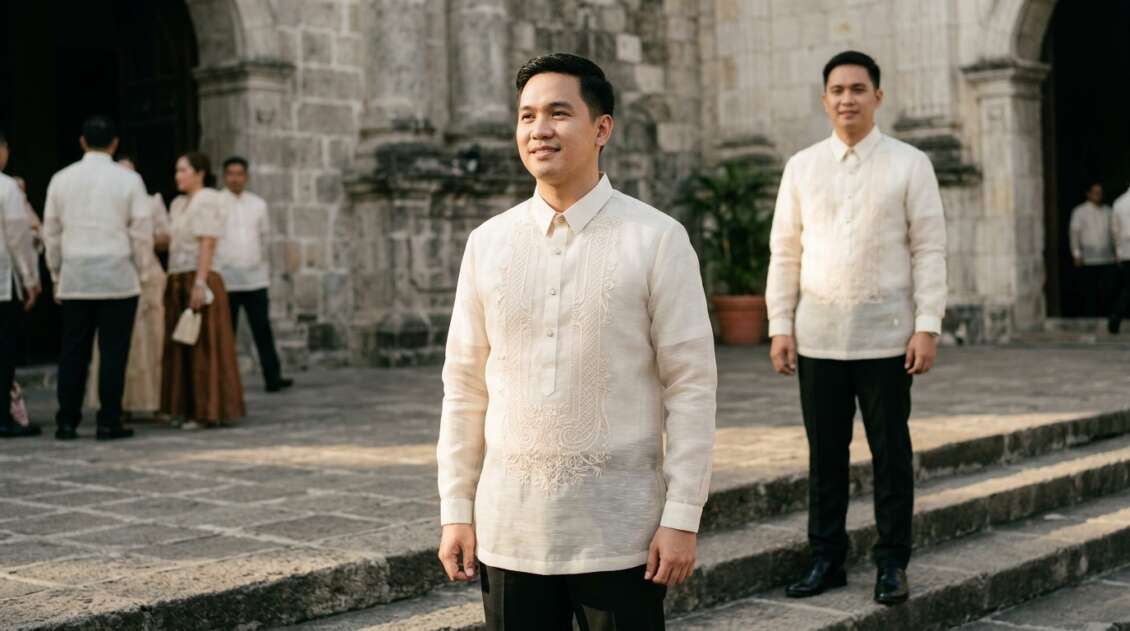
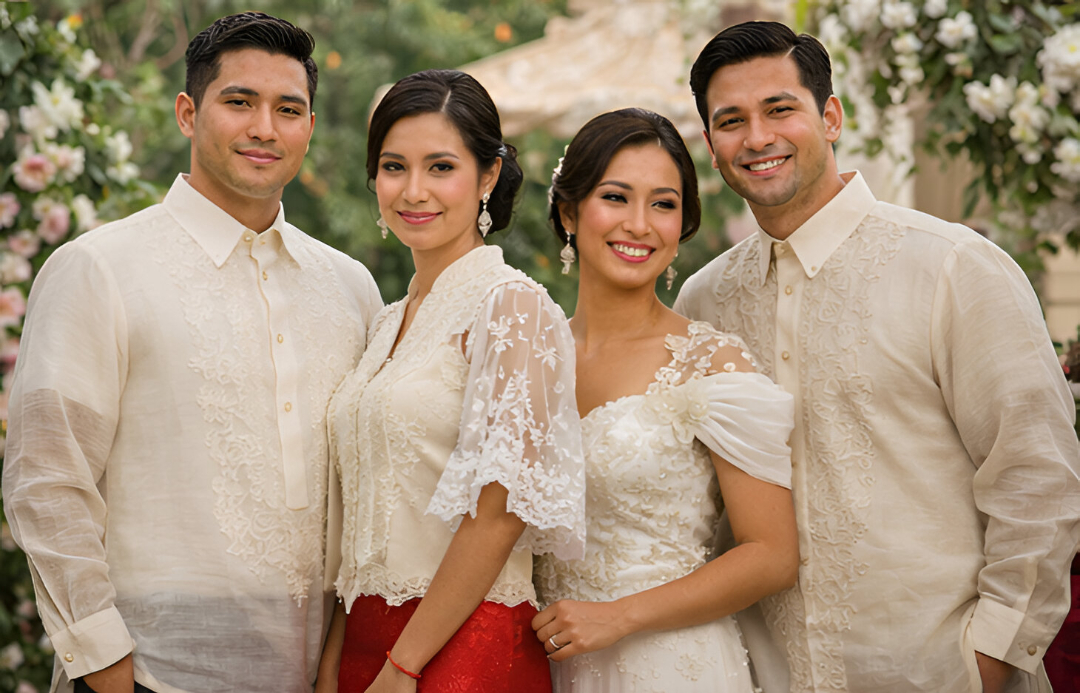
Four people wearing traditional Filipino attire (Barong Tagalog for the men and Filipiniana dresses for the women) posing together at a formal outdoor event or wedding with floral decorations in the background.

Barong Tagalog: From Roots to Modern Formalwear

Mabuhay po! Whether you’re a groom preparing for your wedding, a guest at a high-profile gala, or a Fil-Am reconnecting with your roots, wearing a Barong Tagalog is more than fashion. Indeed, it is a statement of pride, identity, and history.

At Handmade Kapamilya, we believe that understanding the story behind this iconic garment enhances the confidence with which you wear it. Therefore, this guide explores the rich history of the Barong Tagalog, tracing its journey from pre-colonial kangan to modern formalwear.

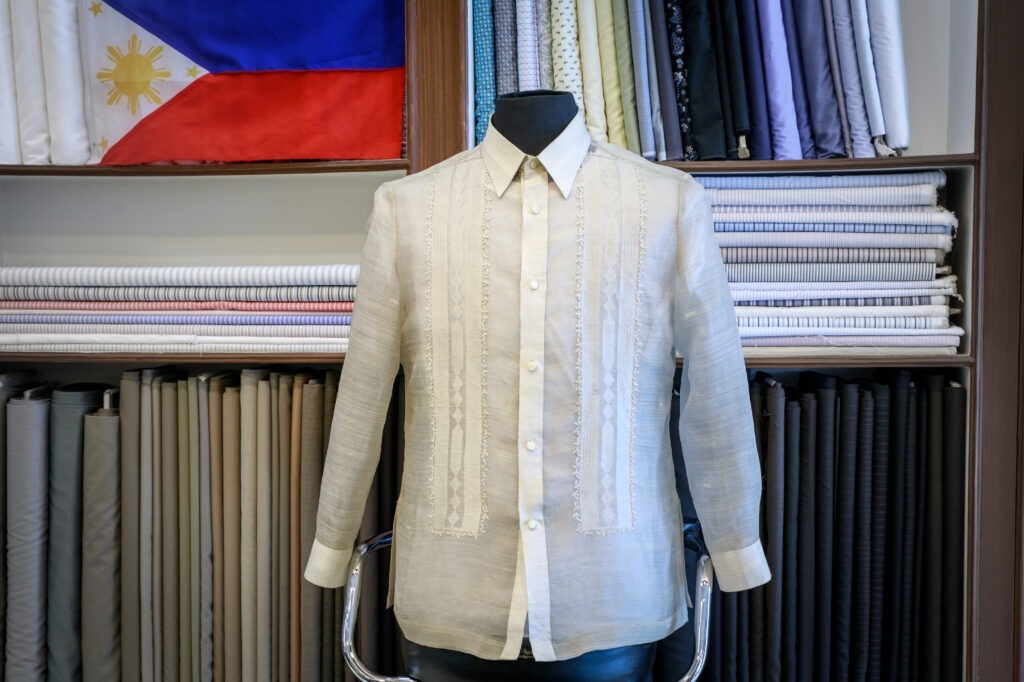
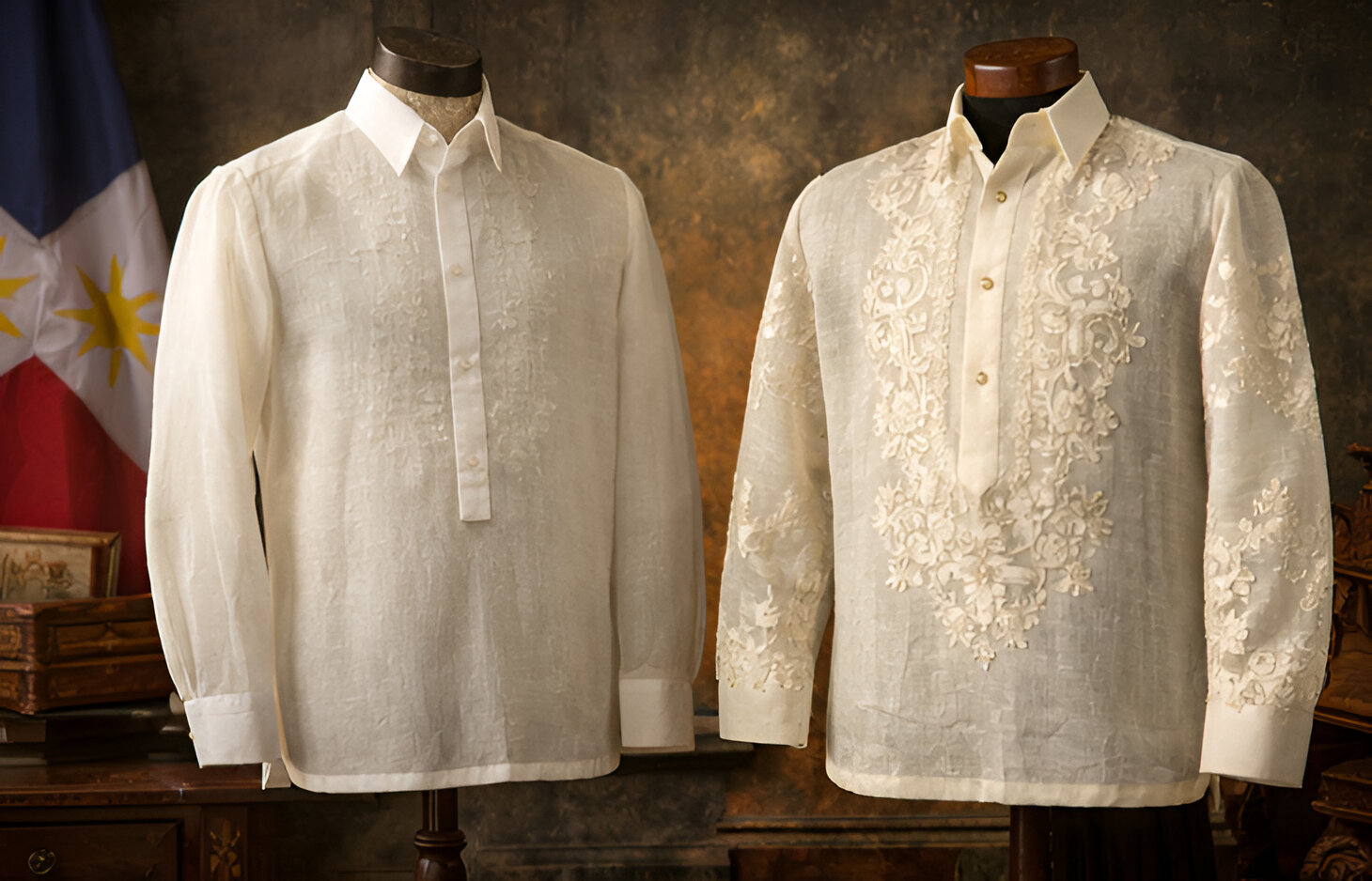
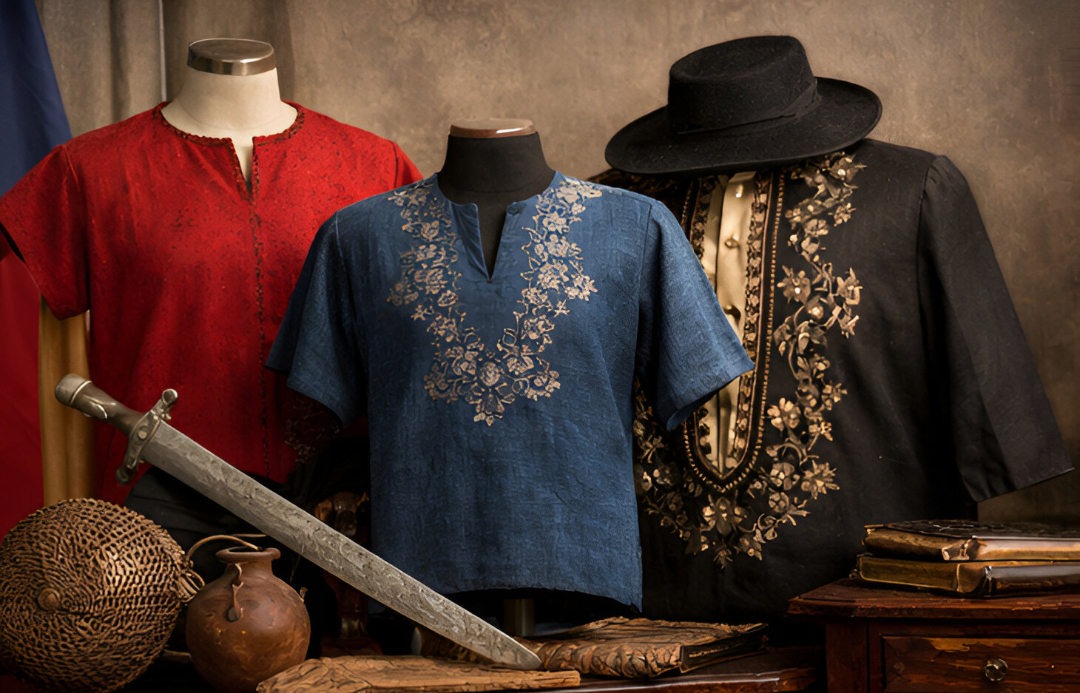
Two formal Barong Tagalog shirts made of translucent piña fabric with intricate embroidery on mannequins, set against a rustic background with a Philippine flag.

1. Pre-Colonial Kangan: Origins of Filipino Elegance

Long before Spanish colonizers arrived, Filipino men in the Tagalog region wore the kangan, collarless, short-sleeved shirts suitable for tropical heat. Interestingly, colors reflected social rank: chiefs wore red, while commoners wore blue or black.

Key Features:

  • Fabric & Function: Crafted from rough abaca or linen-like fibers, the shirts were breathable and ideal for humid climates.

  • Evolution to Baro: These simple, loose-fitting shirts laid the foundation for today’s Barong Tagalog silhouette.

Ultimately, the Barong’s essence has always been comfort and cultural identity.

2. Spanish Colonial Era: Tradition Meets European Influence

A common myth suggests that Spanish authorities mandated the untucked, sheer Barong to differentiate locals from Europeans and prevent concealed weapons. While partially true, practical adaptations to the tropical climate also played a significant role.

Developments During This Era:

  • Untucked Style: Functional for heat, it becomes symbolic over time.
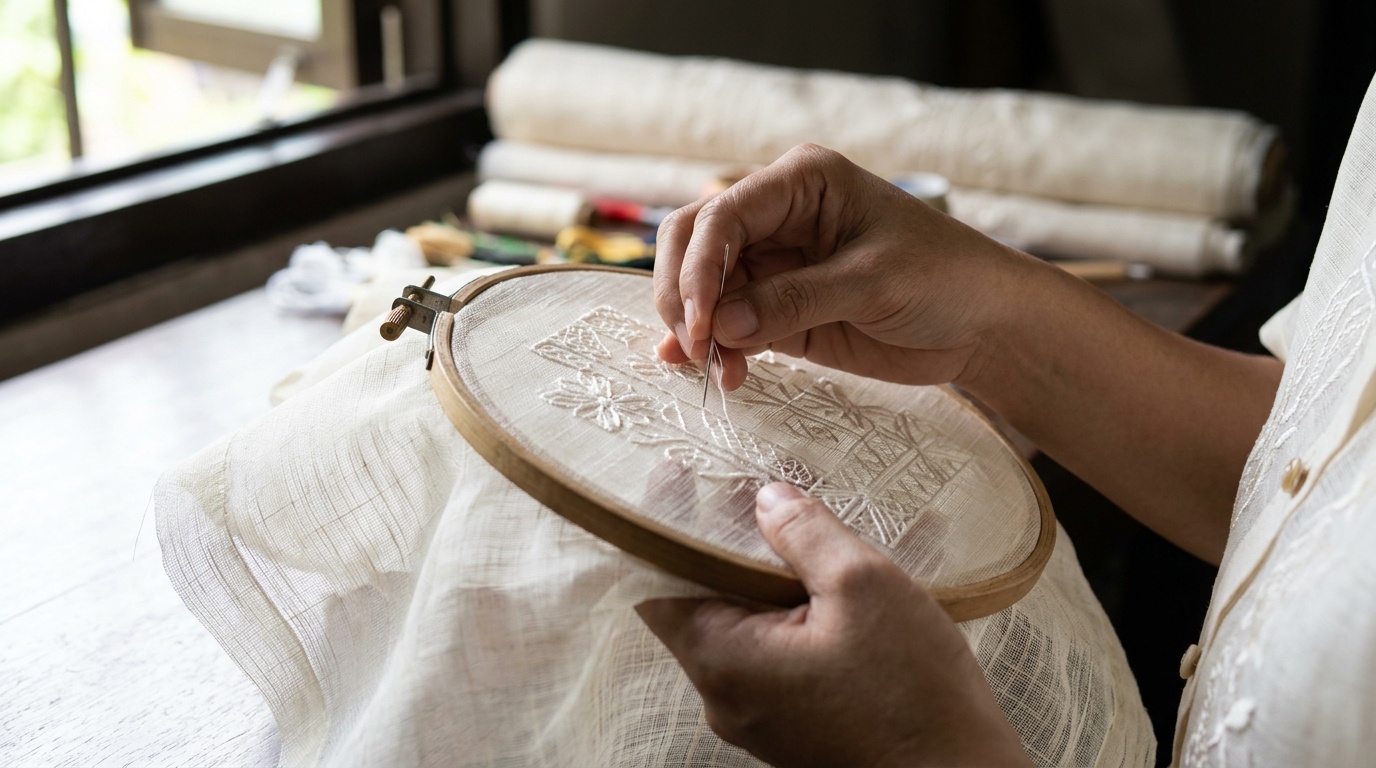
  • Lace & Embroidery: The introduction of collars and delicate calado hand embroidery transformed the Barong into wearable art.

As a result, the garment merged tradition with European influence.

3. 19th Century: The Rise of the Ilustrados

By the 1800s, the Barong symbolized the Ilustrados—educated, affluent Filipinos. High collars, intricate chest embroidery (pechera), and luxurious fabrics defined this era.

Fabric Innovations:

  • Piña Fabric: Golden age of pineapple fiber for elegance.
  • Jusi (Silk): Labor-intensive and luxurious, elevating the Barong to a status symbol.

Cultural Identity:
During revolutionary movements, the Barong quietly conveyed Filipino pride and resistance against colonial rule.

4. American Commonwealth Era: Naming & National Recognition

The term Barong Tagalog officially emerged in the early 20th century, meaning “Tagalog shirt.” Its status further evolved when President Ramon Magsaysay wore a Barong at his 1953 inauguration.

Impact:

  • Popularization: Symbol of the “people’s president.”
  • Classic Style Standardized: Long sleeves, open or half-open front, and a distinct collar become the standard.

Consequently, the Barong became a national emblem.

5. Modern Evolution: 21st Century Barong Tagalog

Today, the Barong blends tradition and innovation, offering options for weddings, galas, and even casual wear.

Modern Fabrics:

  • Cocoon Silk: Durable yet elegant alternative to Piña.
  • Organza: Lightweight and affordable, ideal for casual events.
  • Linen/Ramie: Practical for office or everyday Barongs.

A collection of traditional Filipino tunics in red, blue, and black with floral embroidery, displayed alongside historical artifacts including a kampilan sword and a native hat.

Inclusion & Gender Fluidity:

Women’s Barongs and Filipiniana-inspired dresses expand accessibility and relevance, making the garment inclusive and modern.

The Handmade Kapamilya Difference

While mass-produced Barongs exist, Handmade Kapamilya emphasizes craftsmanship. In addition:

  1. Hand-Guided Embroidery: Artisan-made in Lumban, Laguna.
  2. Bespoke Fit: Perfect shoulder drop, cuff length, and tailored silhouette.
  3. Preserving Legacy: Each piece honors centuries of Filipino history.

Choosing Your Barong by Occasion

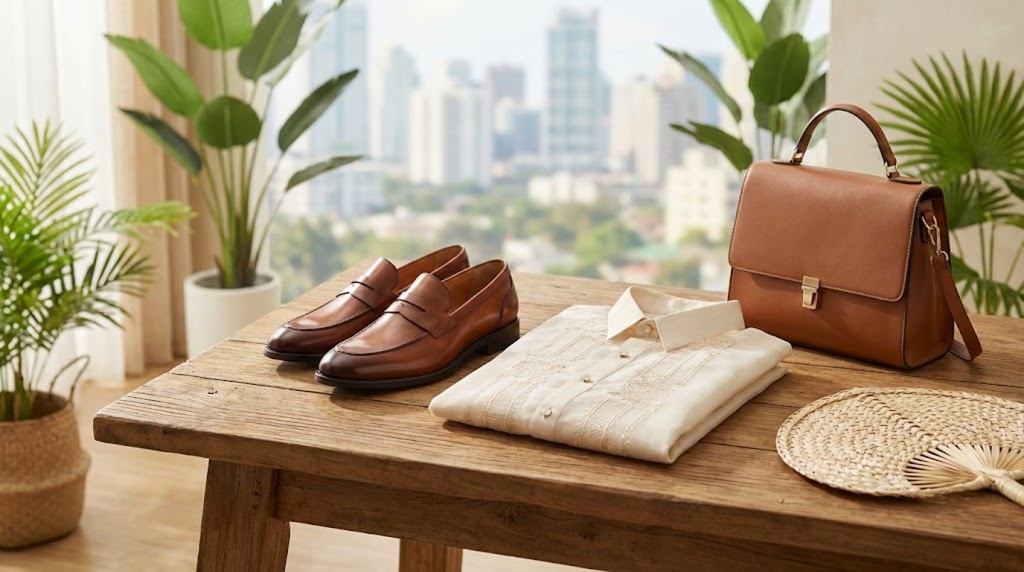
  • Weddings (Groom): Piña-Suksuk or Piña-Seda with calado embroidery.
  • Formal Events: Cocoon Silk for black-tie Filipino gatherings.
  • Office/Church: Short-sleeved Linen or Jusilyn Barongs for everyday pride.

Conclusion: Wear Your Story

The Barong Tagalog is more than attire—it embodies 500 years of Filipino culture, resilience, and artistry. At Handmade Kapamilya, you’re not just buying a shirt; you’re wearing history.

Ready to own your piece of history?

Further Reading:

Barong Tagalog Style Guide (USA): How to Choose & Wear

Mabuhay, Kapamilya! 🇵🇭

Finding formal wear in the United States that feels authentic, elegant, and proudly Filipino is not always simple. However, whether you are a groom planning a wedding in New Jersey, a guest attending a black-tie gala in Los Angeles, or a professional honoring your heritage, the goal is the same. You want an outfit that earns respect without losing identity.

That is where the Barong Tagalog stands apart. More than a shirt, it represents the highest form of Filipino formal wear. It carries history, skill, and pride in every stitch.

At Handmade Kapamilya, we work closely with artisans in Lumban, Laguna, as well as Filipino-Americans across the United States. Over time, we have noticed a clear change. Today’s modern man no longer wants stiff rentals or boxy cuts. Instead, he looks for the sharp fit of a tailored suit combined with true Filipino craftsmanship.

Because of this shift, this guide will help you choose, style, care for, and confidently buy a Barong Tagalog online in the USA. As a result, you can look pogi and feel proud at your next event.

Why the Barong Tagalog Matters: A Legacy of Resistance and Elegance

The Barong Tagalog is deeply rooted in Filipino history. Long before colonization, early Filipinos wore lightweight, collarless garments suited to the tropical climate. During the Spanish colonial era, these evolved into what we now recognize as the modern Barong.

There is a well-known piece of folklore suggesting Filipinos were forced to wear sheer, untucked shirts so they couldn’t hide weapons—meant to symbolize subjugation. Whether literal history or cultural metaphor, what matters is how Filipinos responded.

We transformed restriction into refinement.

Using delicate pineapple fibers, masterful hand embroidery, and immaculate craftsmanship, Filipinos elevated the Barong into a symbol of dignity and quiet resistance. Today, it stands shoulder-to-shoulder with the Western tuxedo—and in the Philippines, it often replaces it entirely at the highest levels of government and society.

When you buy a Barong Tagalog online today, you’re not just purchasing formalwear.
You’re wearing history—reimagined.
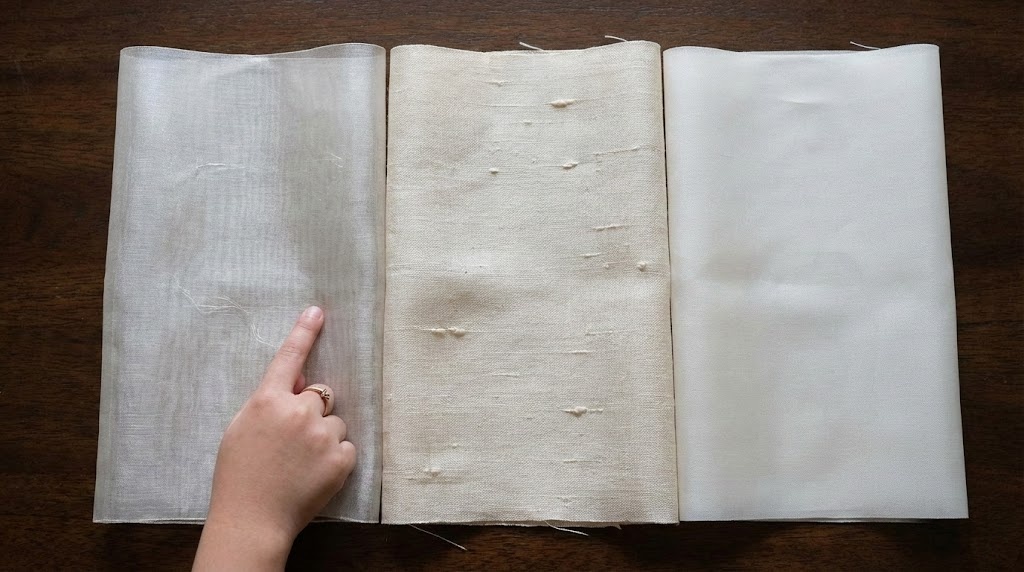
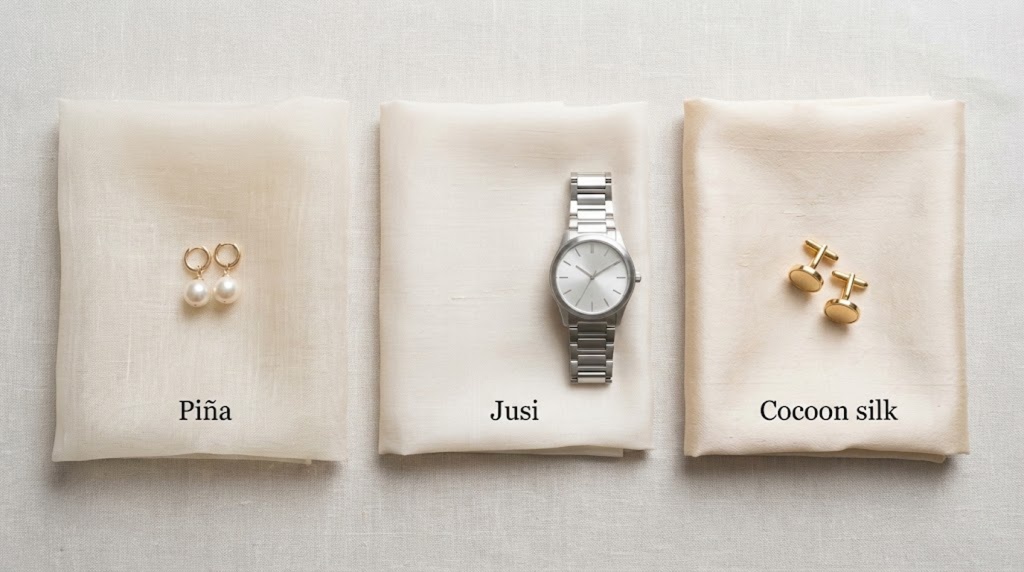
Comparison of Barong Tagalog fabrics: Piña Silk vs Cocoon Silk vs Jusi for Filipino formal wear.

Choosing the Right Fabric: The Soul of Your Barong Tagalog

Fabric selection is the single most important decision you’ll make. While Barongs were designed for tropical weather, many Filipino-Americans now wear them in churches, ballrooms, and outdoor venues across the United States.

Here’s how to choose wisely.

Piña Silk: The Gold Standard

Piña is handcrafted from pineapple leaf fibers and is considered the most prestigious Barong fabric.

Best for:

  • Grooms
  • Wedding parties
  • Heirloom pieces

Look & Feel:
Naturally ivory, sheer, elegant, and slightly crisp. Piña softens beautifully over time and photographs exceptionally well.

Jusi: The Versatile Classic

Traditionally woven from raw silk, Jusi is the most commonly worn fabric for formal events.

Best for:

  • Wedding guests
  • Fathers of the bride or groom
  • Formal galas

Look & Feel:
More opaque than Piña, smoother in texture, and ideal for intricate embroidery.

Cocoon Silk: Modern Luxury

A favorite in modern collections, Cocoon silk mimics the texture of Piña while offering greater durability.

Best for:

  • Long events
  • Men who want a premium look with less fragility

Look & Feel:
Matte, textured, sophisticated, and distinctly modern.

Organza: Entry-Level Formal

Organza is typically a silk blend or synthetic fabric and is commonly used for group orders.

Best for:

  • Choirs
  • Large entourages
  • Budget-friendly formalwear

Look & Feel:
Very sheer, stiff, and high-shine.
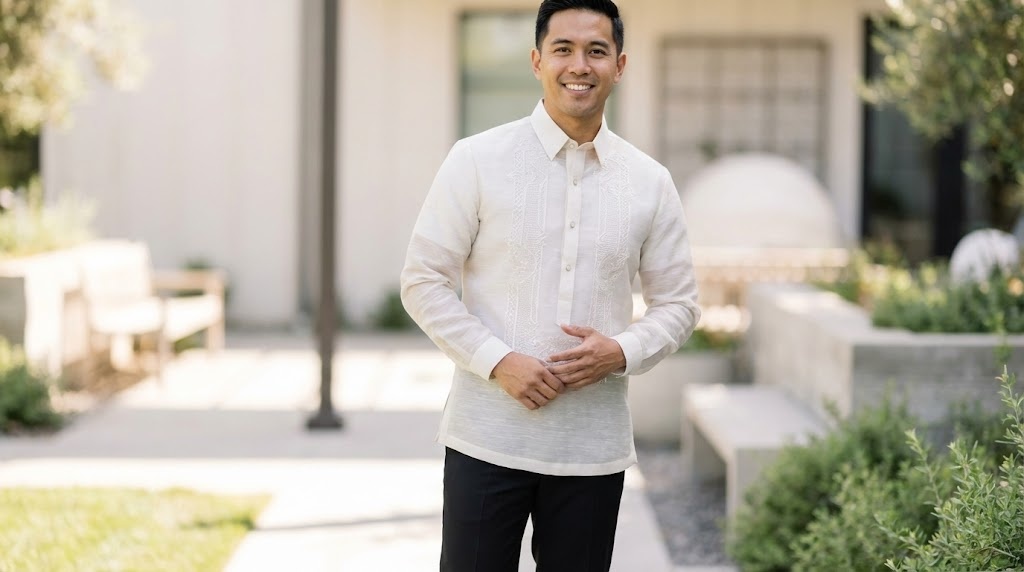
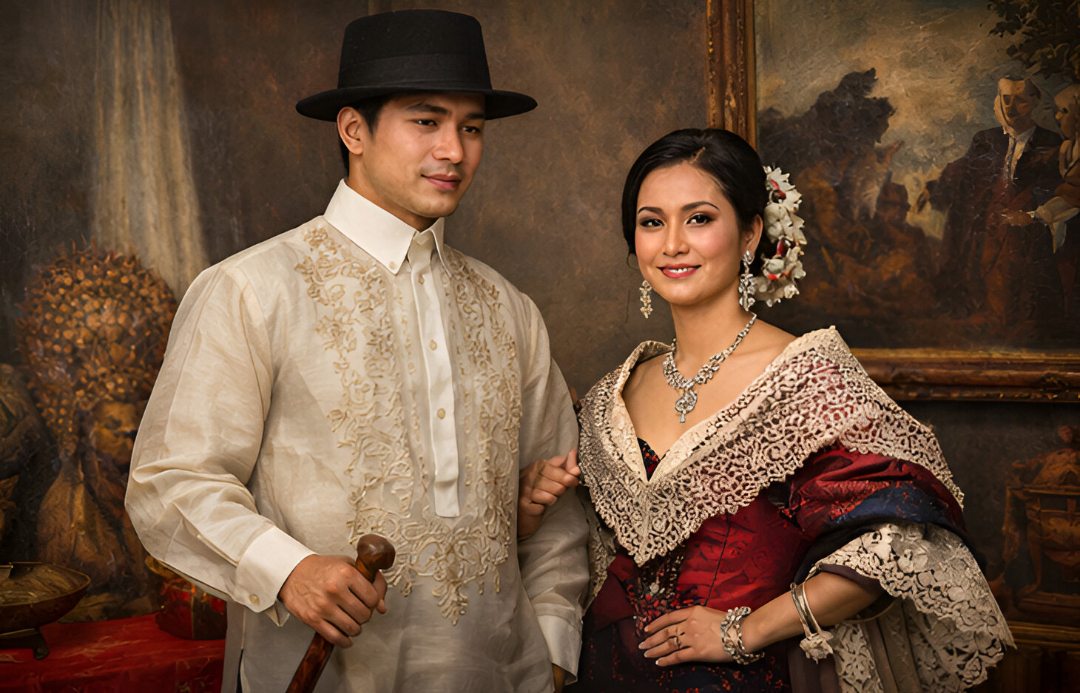
Modern slim-fit Barong Tagalog styled for a Filipino-American wedding in the United States.

Modern Fit vs. Traditional Fit: What Works Best in the USA?

The oversized Barongs of the 1990s are no longer the standard—especially in the United States.

Traditional Fit

  • Straight cut
  • Maximum airflow
  • Relaxed silhouette

Ideal for warm climates or those who prefer a classic look.

Contemporary Slim Fit

At Handmade Kapamilya, our slim-fit Barongs are tailored to modern proportions:

  • Subtle waist taper
  • Narrower sleeves
  • Clean shoulder structure

This fit photographs beautifully, pairs well with modern dress slacks, and delivers a polished, tailored appearance without losing authenticity.

How to Wear a Barong Tagalog Properly (Etiquette Matters)

1. Always Wear the Correct Undershirt

Never wear a standard T-shirt underneath a Barong. The sleeves and neckline will show through the fabric.

Correct choice:
A Camisa de Chino—a scoop-neck, long-sleeved undershirt that matches the Barong’s color.

2. Button It All the Way Up

For weddings and formal events, the Barong should always be fully buttoned.

3. Pants and Shoes

  • Pants: Black or charcoal dress slacks only
  • Shoes: Black leather Oxfords or Derbies, well-polished

Avoid denim, chinos, or casual footwear.

4. Never Tuck In a Barong

A Barong Tagalog is never tucked in. The side slits are intentional—designed for movement and tradition.

Modern Barong Tagalog Trends in the United States

The Barong continues to evolve—especially within the Filipino diaspora.

Colored Barongs

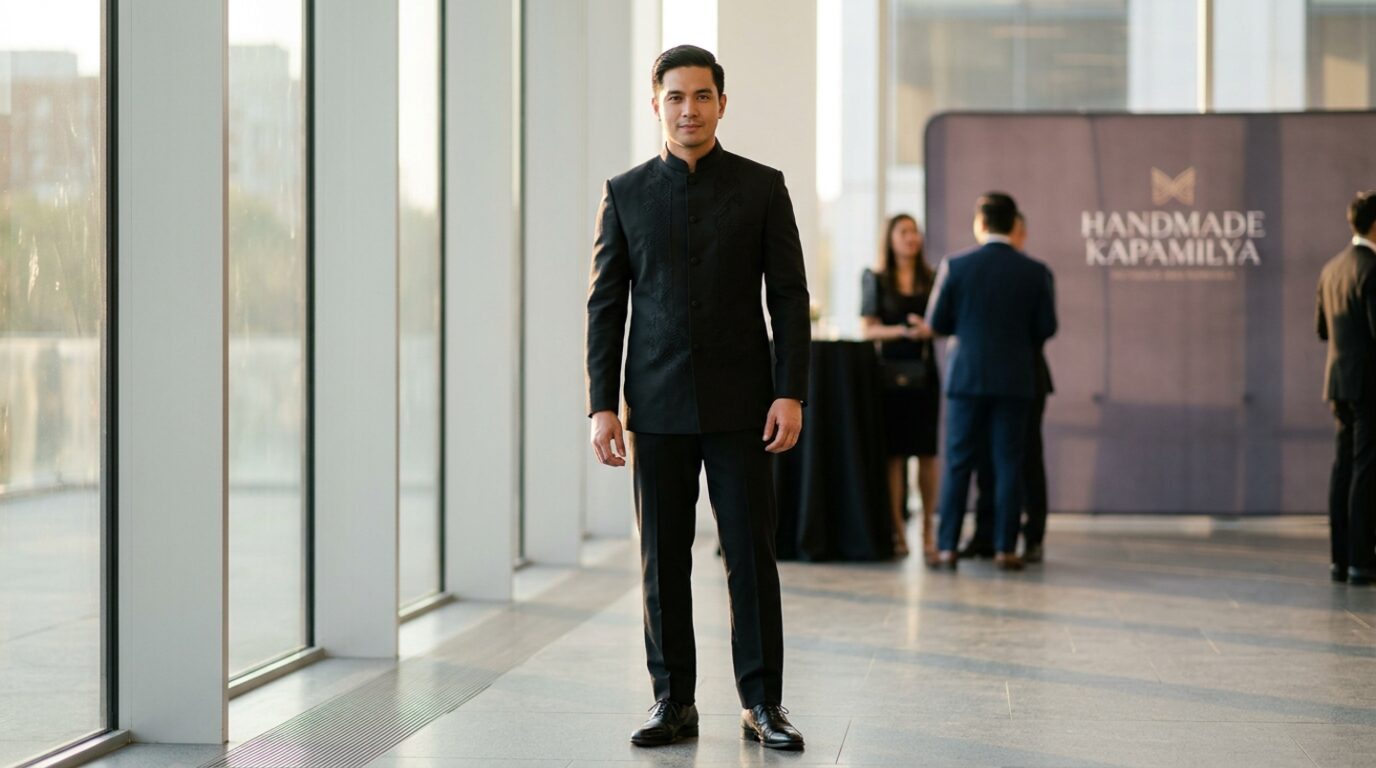
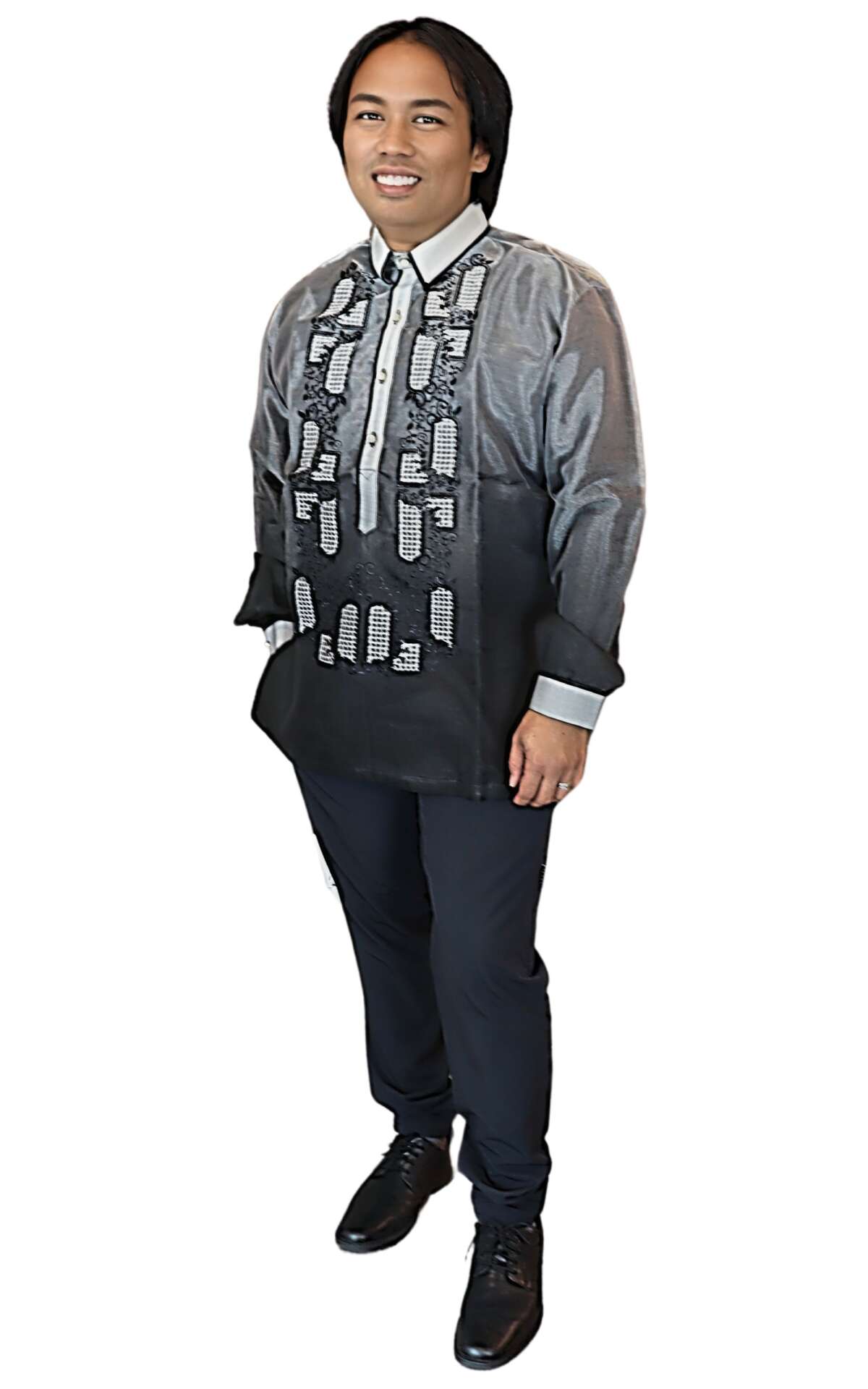
Black, navy, and deep green Barongs are rising in popularity for galas and evening events. A black Barong with black embroidery is the ultimate modern power look.

Everyday Barongs

Made from linen or ramie, these are short-sleeved, less sheer, and ideal for business-casual settings.

Women Wearing Barongs

Barong tops are increasingly worn by women, paired with trousers or skirts—redefining Filipiniana with confidence and strength.
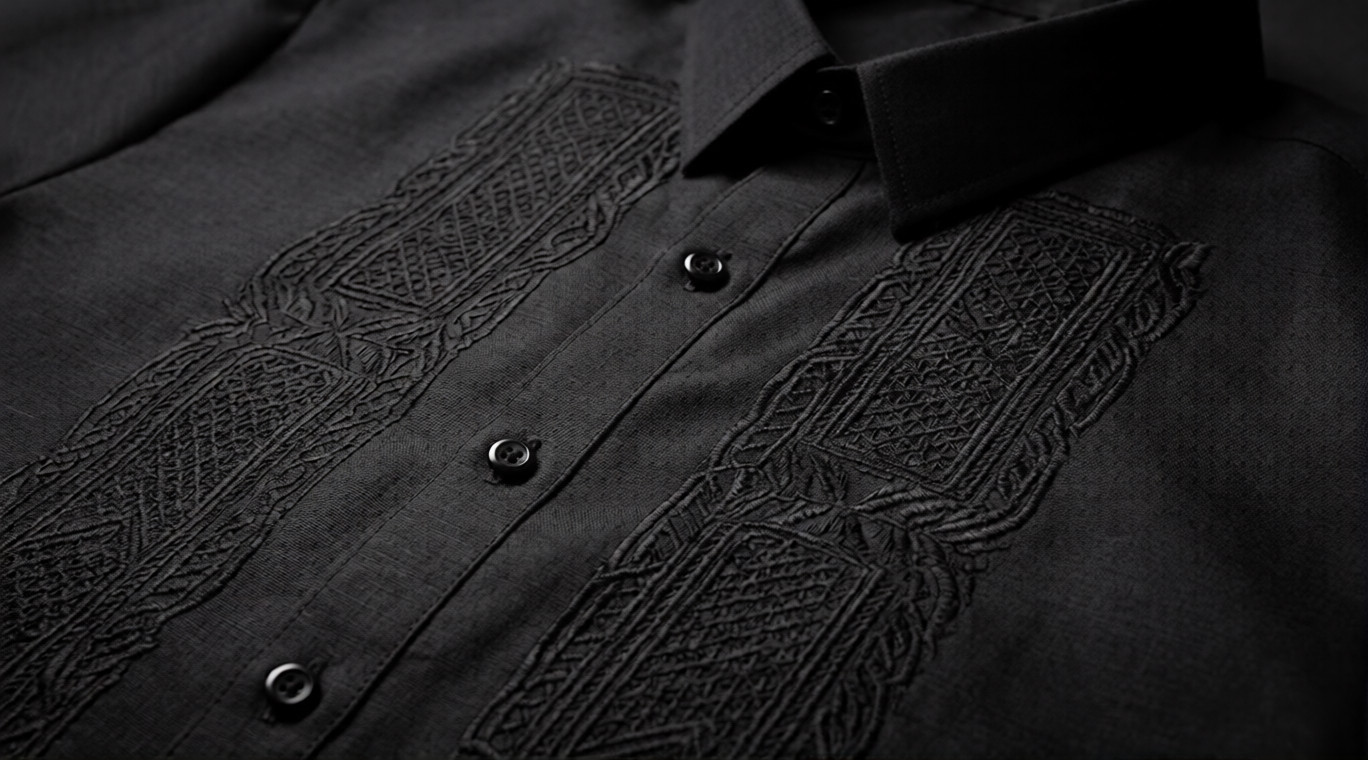
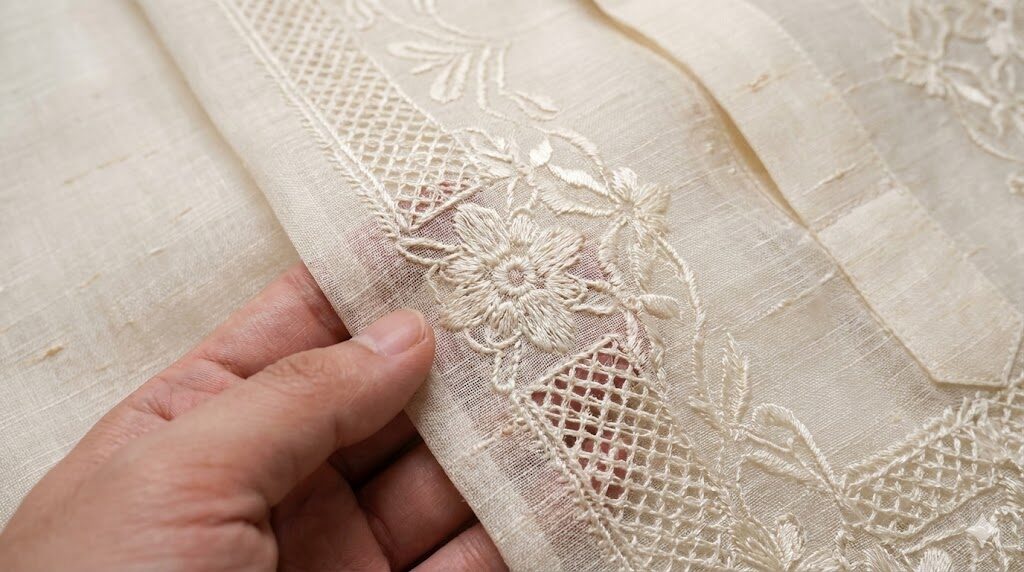
Close-up of black-on-black embroidery on a modern Barong Tagalog for gala events.

How to Buy a Barong Tagalog Online in the USA

Buying a Barong Tagalog online requires attention to detail—especially with sizing.

Key Tips:

  • Check shoulder measurements carefully (Barongs do not stretch)
  • Look for lined Barongs if you want structure without an undershirt
  • Custom Barongs are always the best investment if budget allows

Custom sizing ensures:

  • Proper sleeve length
  • Balanced proportions
  • A truly elevated look

At Handmade Kapamilya, we ship across the United States—bringing the craftsmanship of Lumban, Laguna directly to Filipino-American homes nationwide.

Caring for Your Barong Tagalog

A quality Barong is an heirloom piece.

Never machine wash.
Hand wash gently using lukewarm water and mild detergent.

Do not scrub embroidery.
Use a gentle dip-and-sway method.

Storage:

  • Hang only
  • Use a padded hanger
  • Store in a breathable garment bag (never plastic)

Ironing:

  • Use the lowest silk setting
  • Best when slightly damp or steamed

Wear Your Culture with Pride

The Barong Tagalog is a bridge between generations—a garment that speaks without shouting. When you wear one, you don’t just dress well. You carry history, craftsmanship, and Kapamilya pride into every room you enter.

👉 Ready to find your perfect fit?
Explore our handcrafted collection and buy your Barong Tagalog online with confidence—trusted by Filipino-Americans across the United States.

Shop the Handmade Kapamilya Barong Collection:

More from the Kapamilya Blog

Salamat po. Mabuhay, Kapamilya! 🇵🇭
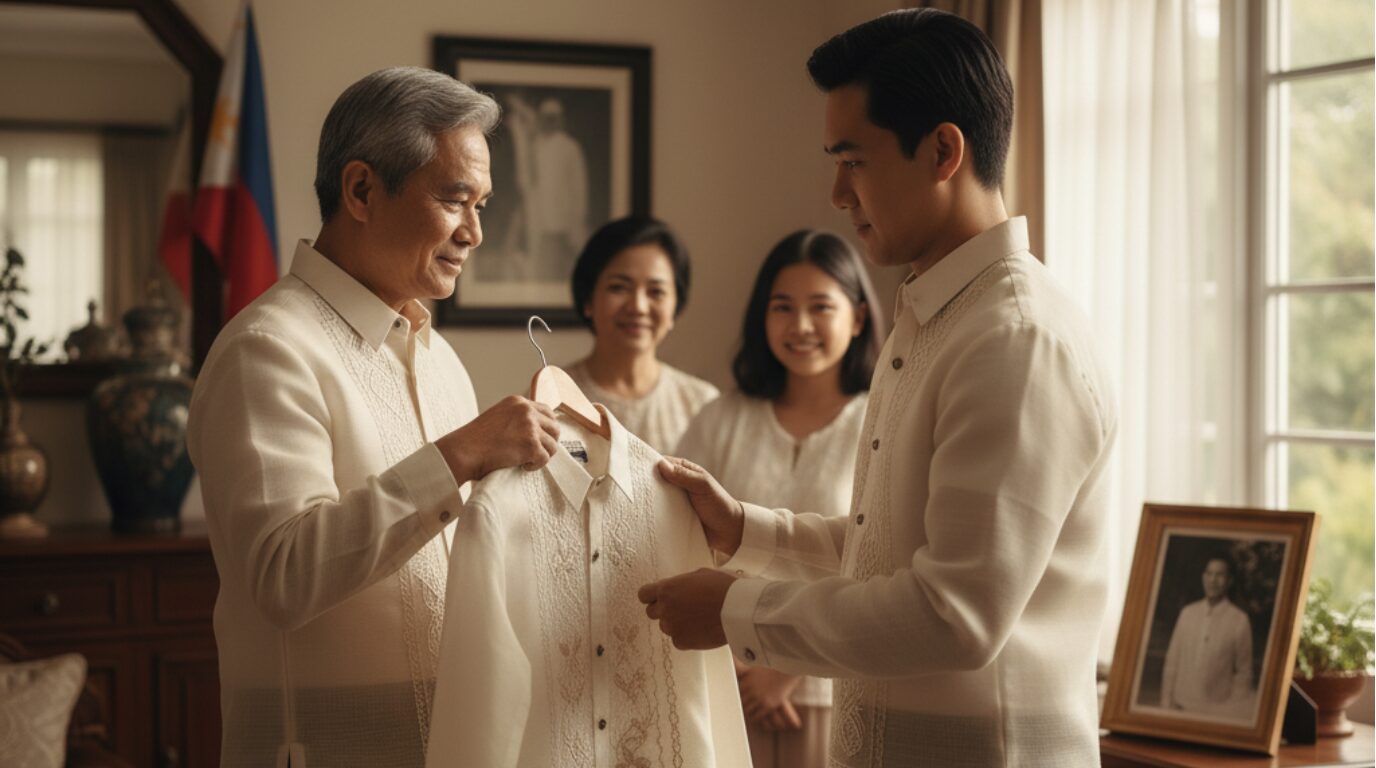
Barong Tagalog for Men: Embracing Time-Honored Traditions

Barong Tagalog for Men: A Journey Through Time-Honored Traditions

Embrace the heritage and pride of the Philippines with the Barong Tagalog for men. This iconic garment is more than clothing; it’s a symbol of tradition. Over generations, this timeless attire has been a cornerstone of Filipino customs. Join us as we explore the world of Barong Tagalog traditions and the profound cultural significance they hold.

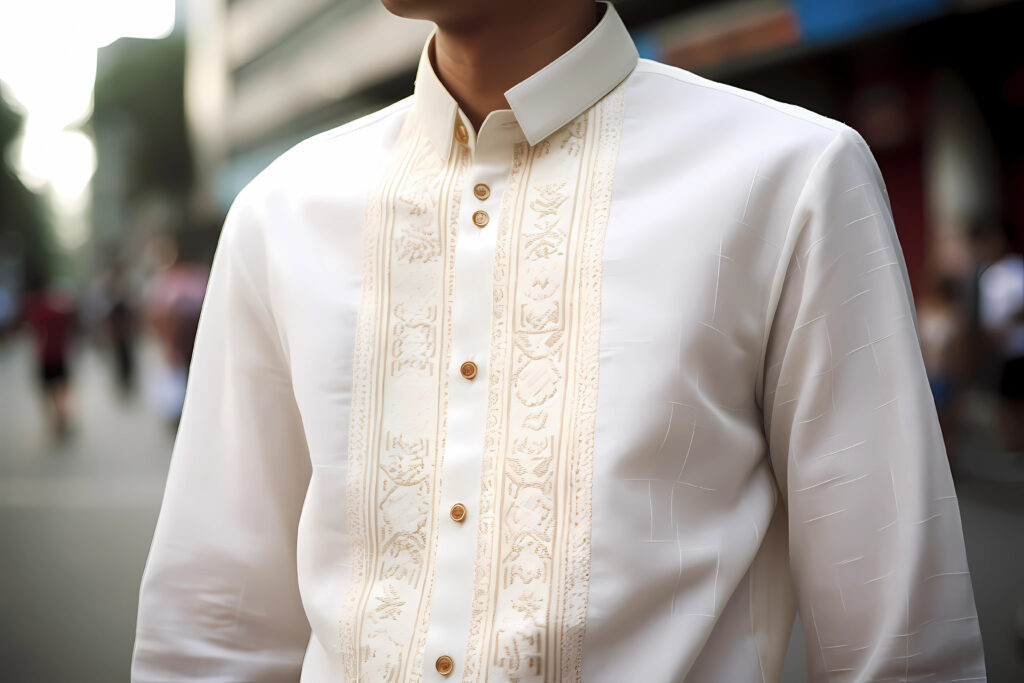
Barong Tagalog for Men
Traditional Barong Tagalog for Men

Weddings: Elevating Barong Tagalog Beside the Bride’s Gown

In the realm of Filipino weddings, the Barong Tagalog for men takes a prominent role alongside the bride’s gown. As a symbol of elegance and formality, it’s often the groom’s attire of choice. Its intricate embroidery and impeccable craftsmanship complement the bride’s gown, creating a harmonious ensemble that signifies unity and shared heritage. The Barong Tagalog signifies the groom’s embrace of Filipino culture as he embarks on a new chapter of life.

Filipino Wedding
Bride holding the arras given by the groom

Cultural Festivals: A Canvas of Heritage

Within vibrant cultural festivals and traditional celebrations, the Barong Tagalog shines as a beacon of Filipino identity and artistic expression. Its intricate designs and opulent fabrics mirror each region’s unique heritage and customs. From the elaborate Piña Barongs that grace Visayan festivals to the Jusi Barongs adorned with intricate motifs during local fiestas, the Barong Tagalog paints a vivid picture of Filipino diversity and innovation. These festivals serve as platforms for skilled artisans to showcase their talents, ensuring the art of crafting Barongs endures across generations.

Government and Formal Events: A Mark of Respect

The Barong Tagalog for men stands as the Philippines’ national formal attire, often worn by government officials during official functions and formal events. Its significance extends beyond fashion; it’s a symbol of respect for Filipino traditions and culture. During national holidays, ceremonies, and state visits, the Barong Tagalog becomes an emblem of the nation’s identity, inspiring unity and pride among Filipinos.

Family Celebrations: Passing Down a Legacy

Barong Tagalog traditions are cherished not only during significant events but also within families. Fathers commonly pass down their Barongs to their sons, fostering a sentimental connection to the past and ensuring continuity. Family gatherings and special occasions offer opportunities for the younger generation to wear their heritage with pride, paying homage to their ancestors and carrying forward an enduring legacy.

Barong Tagalog as a Gift: An Emblem of Affection

Gifting a Barong Tagalog is a gesture of love and appreciation. During milestone events like birthdays, graduations, or anniversaries, loved ones often present Barongs to express their affection. Giving a Barong Tagalog signifies a desire to share Filipino heritage and culture, forging a meaningful bond that transcends generations.

Gift - Barong Tagalog for Men
Woman giving Barong Tagalog as a gift isolated on national flag background.

Conclusion: The Enduring Allure of Barong Tagalog Traditions

Our journey through Barong Tagalog traditions reveals a vibrant and enduring cultural heritage. This beloved Filipino attire captivates hearts not only for its beauty and grace but also for the customs it represents.

Whether adorning weddings, festivals, formal gatherings, or intimate family moments, the Barong Tagalog for men serves as a conduit, connecting Filipinos to their shared history and the promise of a dynamic future. It remains a reminder of the importance of safeguarding cultural traditions and nurturing pride in one’s ancestry.

As the Barong Tagalog maintains its position in Filipino life, it weaves itself into the fabric of Filipino identity—a timeless tradition that resonates within the proud hearts of a nation.

Barong Tagalog as a Gift

Elegance Unwrapped: The Timeless of Giving a Barong Tagalog as a Gift

When it comes to finding the perfect gift that embodies sophistication, cultural pride, and enduring elegance, look no further than the Barong Tagalog. This traditional Filipino garment transcends fashion trends, making it a timeless present that captures the heart of both the giver and the receiver. Whether it’s for a special occasion or a token of appreciation, gifting a Barong Tagalog is a gesture that will be cherished for a lifetime. Let’s unwrap the beauty and significance of giving a Barong Tagalog as a gift.

Philippines Flag

A Symbol of Cultural Heritage

Gifting a Barong Tagalog is more than just presenting a piece of clothing; it is bestowing the essence of Filipino cultural heritage upon someone special. Whether the recipient is Filipino or not, the Barong Tagalog serves as a reminder of the rich traditions, artistry, and values that define the Philippines. The gift becomes a bridge that connects the recipient to the timeless elegance of Filipino culture.

Thoughtful and Personalized Barong Tagalog as a Gift

Choosing a gift that is thoughtful and meaningful can be a challenge, but a Barong Tagalog is a gift that radiates thoughtfulness and personalization. With a wide range of designs, fabrics, and styles available, you can select a Barong Tagalog that perfectly suits the recipient’s taste and personality. Whether they prefer classic embroidery, modern embellishments, or a particular fabric like piña or jusi, there’s a Barong Tagalog that reflects their individuality.

Barong Tagalog as a Gift
Guy secretly opens the gift box. He looks at what’s inside the box. Could it be a Barong Tagalog?

Perfect for Special Occasions

Barong Tagalogs are the epitome of elegance, making them an ideal gift for special occasions and milestone events. From weddings and anniversaries to birthdays and graduations, a Barong Tagalog adds an element of grace and sophistication to these memorable moments. Presenting the gift of a Barong Tagalog during significant life events symbolizes a desire to share in the joy and honor the importance of the occasion.

Creating Lasting Memories with the Barong Tagalog as a Gift

The beauty of gifting a Barong Tagalog lies not only in the present moment but in the lasting memories it creates. Every time the recipient wears the Barong Tagalog, they will be reminded of the occasion and the person who bestowed this cherished gift. The Barong Tagalog becomes a keepsake, passed down through generations, carrying with it the sentiment and love of the giver.

Strengthening Bonds

Gifting a Barong Tagalog is a gesture that goes beyond the material item; it strengthens bonds and fosters connections. For couples, exchanging matching Barongs can be a symbol of unity and commitment. For families, gifting Barongs to sons, brothers, or nephews during significant life events reinforces the ties that bind them together. The Barong Tagalog becomes a thread that weaves connections and strengthens relationships.

Spreading Cultural Appreciation

When you give a Barong Tagalog as a gift, you are not only presenting an elegant garment but also spreading cultural appreciation and understanding. The recipient may not have been familiar with Filipino culture before, but through this gift, they get a glimpse of the richness and beauty that the Philippines has to offer.

Barong Tagalog

Conclusion: A Gift Beyond Compare

Gifting a Barong Tagalog is a gesture that transcends borders and generations. It is a timeless treasure that embodies elegance, tradition, and the enduring spirit of Filipino culture. From special occasions to intimate celebrations, the Barong Tagalog stands as a symbol of cultural heritage, love, and thoughtfulness.

As you bestow the gift of a Barong Tagalog, you are not merely presenting a garment; you are offering a piece of history and tradition. In the unwrapping of the Barong Tagalog, the recipient discovers a gift that is beyond compare – an embodiment of grace and an enduring connection to the captivating elegance of the Philippines.

Barong Tagalog History

Barong Tagalog: Unraveling the Timeless Threads of Filipino Heritage

Here’s some Barong Tagalog history: The Barong Tagalog, with its intricate embroidery and graceful design, is not just a garment; it is a symbol of Filipino identity and cultural pride. This iconic traditional attire has a rich history that dates back centuries, weaving together tales of heritage, artistry, and national unity.

Origins of the Barong Tagalog

The origins of the Barong Tagalog can be traced back to the pre-colonial era of the Philippines. Early Filipinos, long before the arrival of foreign influences, donned loose-fitting, translucent shirts made from indigenous materials such as pineapple and abaca fibers. These light and breathable garments were well-suited to the country’s tropical climate, reflecting the ingenuity of the Filipino people in adapting clothing to their surroundings.

Influence of Spanish Colonization

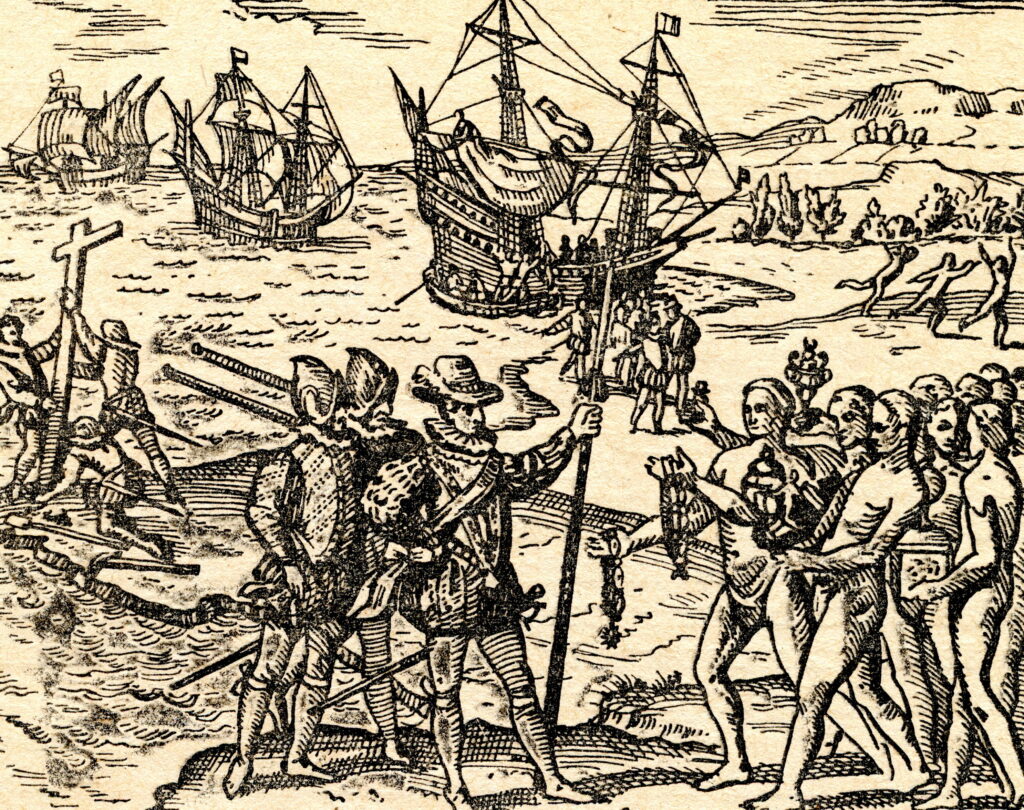
The Barong Tagalog, as we know it today, bears the mark of Spanish colonization. During the Spanish colonial period (16th to 19th century), the traditional Filipino attire underwent significant changes. The Spaniards introduced European fashion elements, and the once-sleeveless Barong gained long sleeves and a button-down front. The intricate embroidery work, inspired by Spanish lace and drawn threadwork, became a prominent feature of the Barong Tagalog, adding an exquisite touch to the garment.

Barong Tagalog History Comes From Spanish Colonization

National Symbol and Formal Attire

As the Philippines struggled for independence, the Barong Tagalog emerged as a potent symbol of Filipino resistance and identity. During the revolutionary period against Spanish rule and later against American colonization, the Barong was worn with pride by national heroes and freedom fighters. After gaining independence in 1946, the Philippine government declared the Barong Tagalog as the national formal attire for men, cementing its significance in the country’s history and culture.

Barong Tagalog in Modern Times

Despite the changing fashion landscape, the Barong Tagalog has endured the test of time and continues to be an integral part of Filipino culture and celebrations. From weddings and formal events to national holidays and traditional ceremonies, the Barong Tagalog remains a symbol of elegance and cultural heritage. Moreover, with the rise of “Barong Fridays” and a resurgence of national pride, more Filipinos are embracing this traditional attire in everyday wear, further preserving its legacy for future generations.

Craftsmanship and Artistry

At the heart of the Barong Tagalog‘s allure lies the exceptional craftsmanship and artistry of Filipino weavers and embroiderers. Skilled artisans painstakingly create delicate patterns and designs, infusing each Barong with a unique story and artistic expression. This dedication to craftsmanship has made the Barong Tagalog not just a piece of clothing but a work of art that represents the soul of Filipino culture. These delicate pieces of clothing need special care for your Barong Tagalog.

Barong Tagalog History revolves around pineapple leaf fabric

Conclusion: Embracing the Barong Tagalog Legacy

The Barong Tagalog stands as a timeless masterpiece that encapsulates the beauty of Filipino culture and history. From its humble origins in pre-colonial times to its present-day prominence as a national symbol, the Barong Tagalog remains a testament to the resilience and creativity of the Filipino people.

As we don the Barong Tagalog with pride and admiration, let us remember the centuries of history and artistry woven into its fibers. Embracing this iconic garment is not just a fashion choice; it is a celebration of our shared heritage and a commitment to preserving the cultural legacy for generations to come. The Barong Tagalog continues to be a shining beacon of Filipino identity, connecting us to our roots and uniting us as one nation with a rich and vibrant history.

Filipino Funeral Attire & Filipino Funeral Gifts

A Farewell with Grace: Traditional Filipino Funerals and the Symbolic Barongs

In the Philippines, funerals are not just somber occasions; they are a heartfelt tribute to the departed and a celebration of a life well lived. Amidst the mourning and grief, a sense of cultural pride and unity envelops these solemn events. At Filipino funerals, the traditional Barong Tagalog takes on a poignant role, symbolizing respect, dignity, and a final farewell with grace. Let’s explore the significance of Filipino funerals and the elegant presence of Barongs during these meaningful ceremonies.


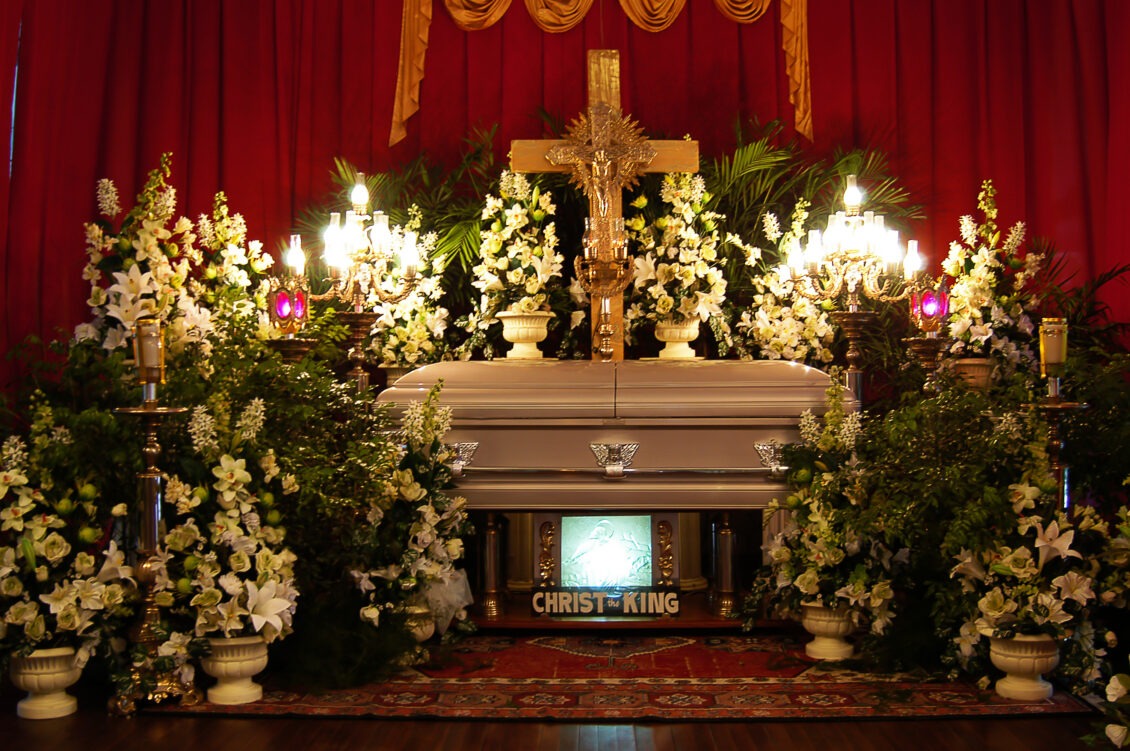
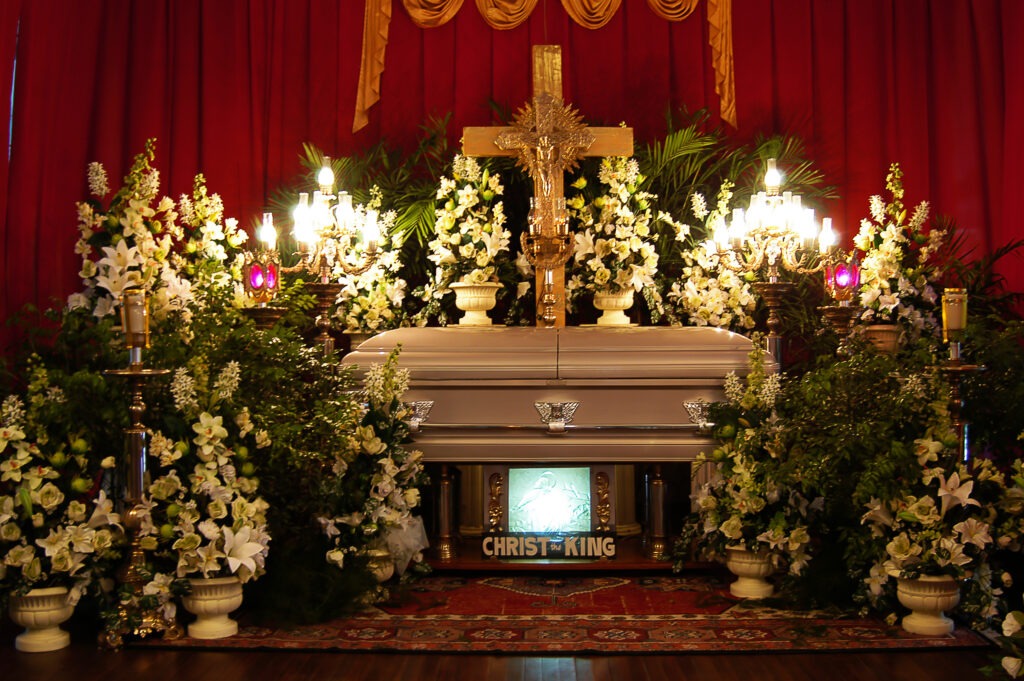
Filipino Funeral in Christian Church


Filipino Funeral Traditions: Embracing Respect and Unity

Filipino funerals are deeply rooted in cultural traditions that reflect the nation’s values of respect and unity. The grieving process is a collective affair, with friends, family, and community members coming together to offer condolences and support to the bereaved family. In the face of loss, Filipino funerals serve as a reminder of the strength of familial bonds and the resilience of the human spirit.


The Significance of Barong Tagalogs at Filipino Funerals

During Filipino funerals, Barong Tagalogs, typically either the classic white or black, play a significant role in honoring the departed and the mourning process. The elegant and dignified appearance of black Barongs symbolizes respect for the deceased and their family. Wearing Barongs demonstrates an acknowledgment of the solemnity of the occasion and the desire to pay tribute to the life that has passed.


Barong Tagalog Colors: A Display of Mourning at Filipino Funerals

In Filipino culture, white is the color associated with purity. Black barong is the color associated with mourning. During funerals, the Barong Tagalog worn by close family members, such as sons, brothers, and nephews, is often white or a subdued color to signify purity or black for mourning. The use of white Barongs exemplifies a sense of solemnity and reverence, honoring the memory of the departed.


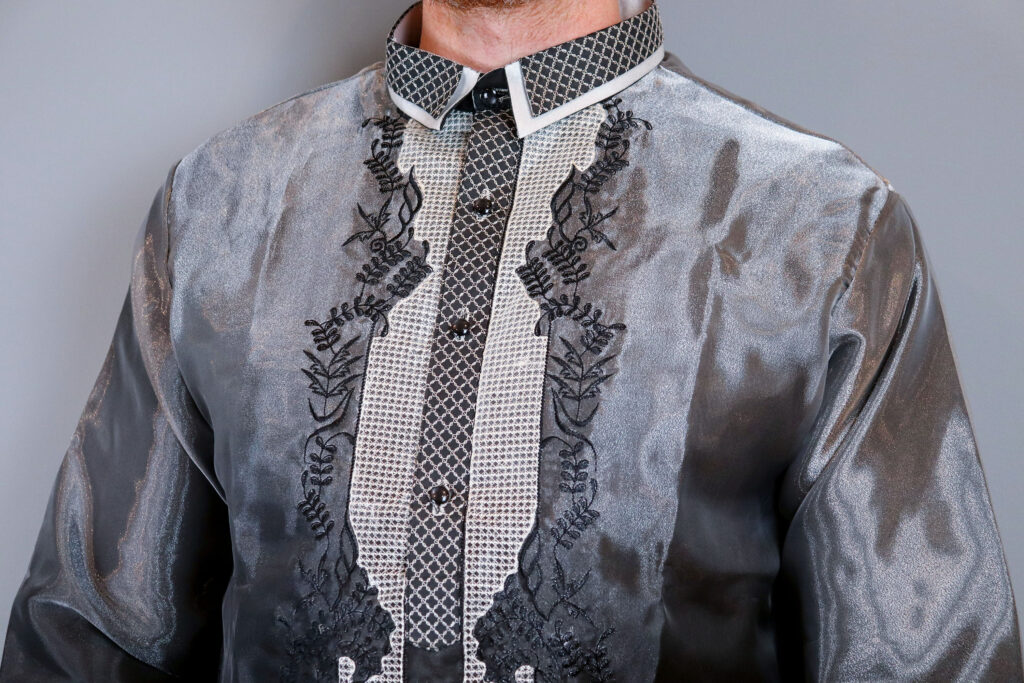
Filipino Black Barong Tagalog


Filipino Funeral Gifts

When attending a Filipino funeral, it is customary to bring gifts that show support and sympathy for the grieving family. Common gifts include flowers, often white, symbolizing purity and respect. Monetary contributions, known as “abuloy,” are also a significant tradition, helping with funeral expenses and showing communal solidarity. Additionally, food is frequently given, easing the family’s burden during their time of grief. These gestures embody the deep sense of community and compassion characteristic of Filipino culture.


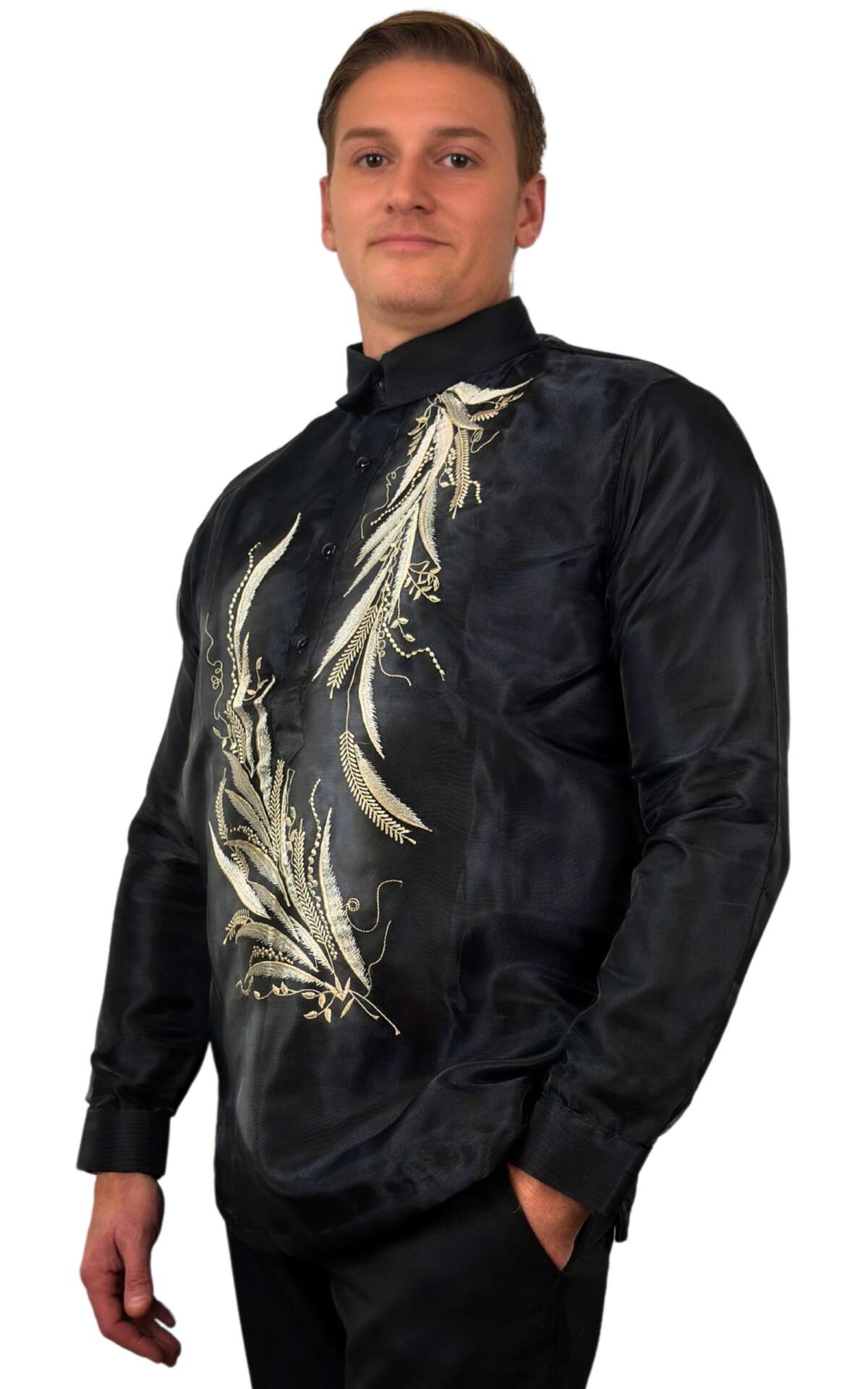
Black Feather Embroidered Long S...
Price range: $76.01 through $79.04
Black Long Sleeve Organza Barong...
Price range: $76.01 through $79.04
White Long Sleeve Organza Barong...
Price range: $76.01 through $79.04

Paying Final Respects with Elegance at Filipino Funerals

As the funeral service proceeds, the elegant Barong Tagalogs worn by family members add a touch of grace and dignity to the proceedings. The attire signifies that, even in the face of sorrow, the Filipino spirit remains resilient and dignified. It is a testament to the enduring cultural pride that persists through times of grief.


Filipino Funeral Grounds


Community Support and Unity

Throughout the funeral, the presence of the community and extended family offers comfort to the bereaved. The Barong Tagalogs worn by attendees foster a sense of unity, creating a visual reminder of shared cultural heritage and the collective mourning for the departed.


A Celebration of Life and Legacy

Filipino funerals are not solely a time for mourning; they are also an opportunity to celebrate the life and legacy of the departed. Through stories, eulogies, and shared memories, loved ones find solace in honoring the impact of the deceased on their lives. The elegance of Barongs adds a touch of grace to this celebration of a life well-lived.


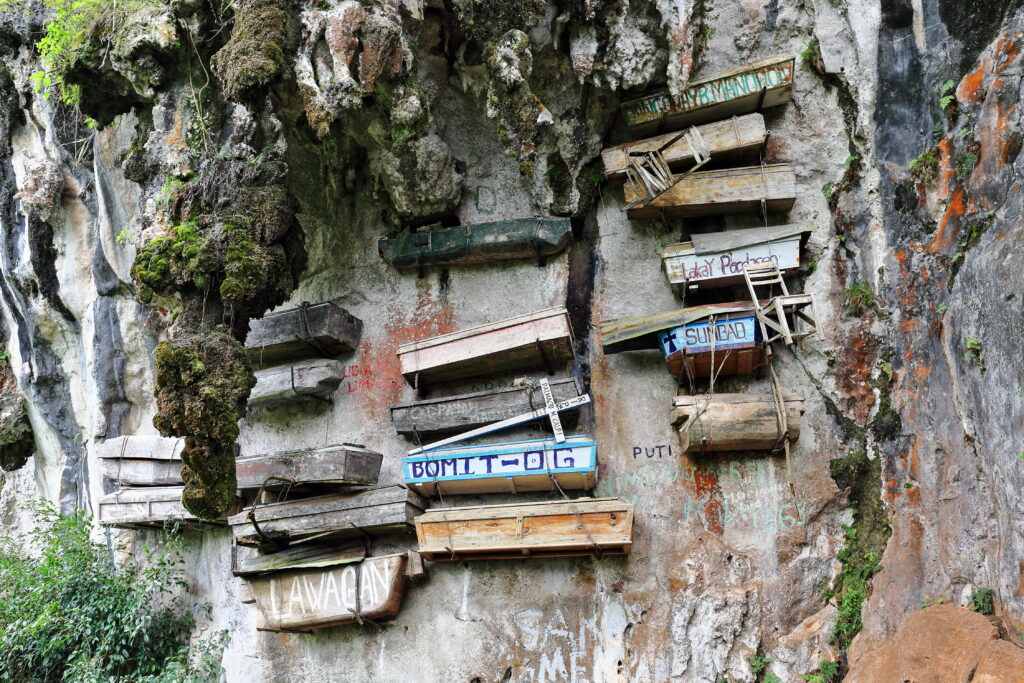
Unique Burial Location on Side of Cliff
Sagada, Philippines-October 9, 2016: The Igorots practice unique funerary customs-the dead are buried in coffins tied or nailed to cliffs. Sagada-Mountain province-Cordillera region-Luzon-Philippines.


Conclusion: The Last Goodbye with Dignity

Filipino funerals, with the dignified presence of Barong Tagalogs, are a poignant reminder of the significance of cultural traditions during times of grief. These ceremonies reflect the profound respect and unity that characterize Filipino communities.


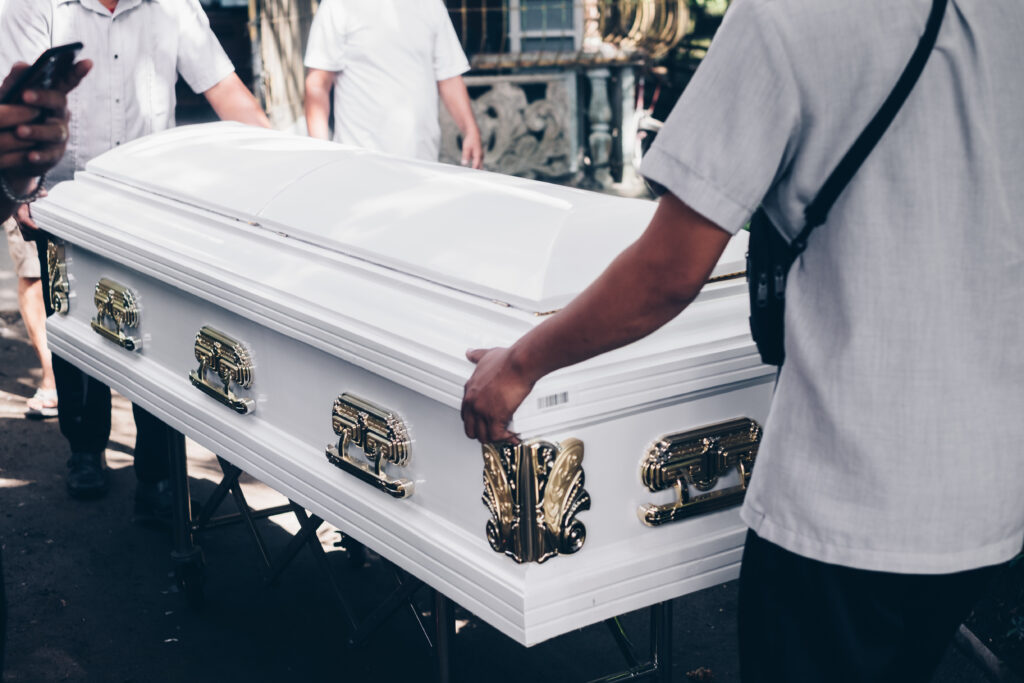
Filipino Funeral Precession

As the Barong Tagalog elegantly graces the final farewell, it symbolizes the enduring legacy of the departed and the spirit of resilience that unites the Filipino people. Funerals in the Philippines are not just a time of mourning; they are a testament to the strength of cultural heritage and the profound sense of respect that defines Filipino tradition.

Filipino Baptisms Gown & Traditions

Filipino Baptisms and the Graceful Presence of Barongs: A Sacred Rite of Passage

In the Philippines, baptisms are joyous celebrations, marking a child’s spiritual journey into Christian faith. Surrounded by love and cherished traditions, they forge lasting bonds, embracing family and culture. Enveloped in family warmth and Barong Tagalogs’ elegance, Filipino baptisms epitomize tradition and devotion. Let’s explore their significance.


Embracing Faith and Community Around Filipino Baptisms

Filipino baptisms hold a special place in the hearts of Filipino families. Beyond the religious significance, they symbolize a strong sense of community and familial bonds. As family and friends gather to witness this sacred event of a Filipino baptism, they come together in support and love, creating an atmosphere of joy and unity.


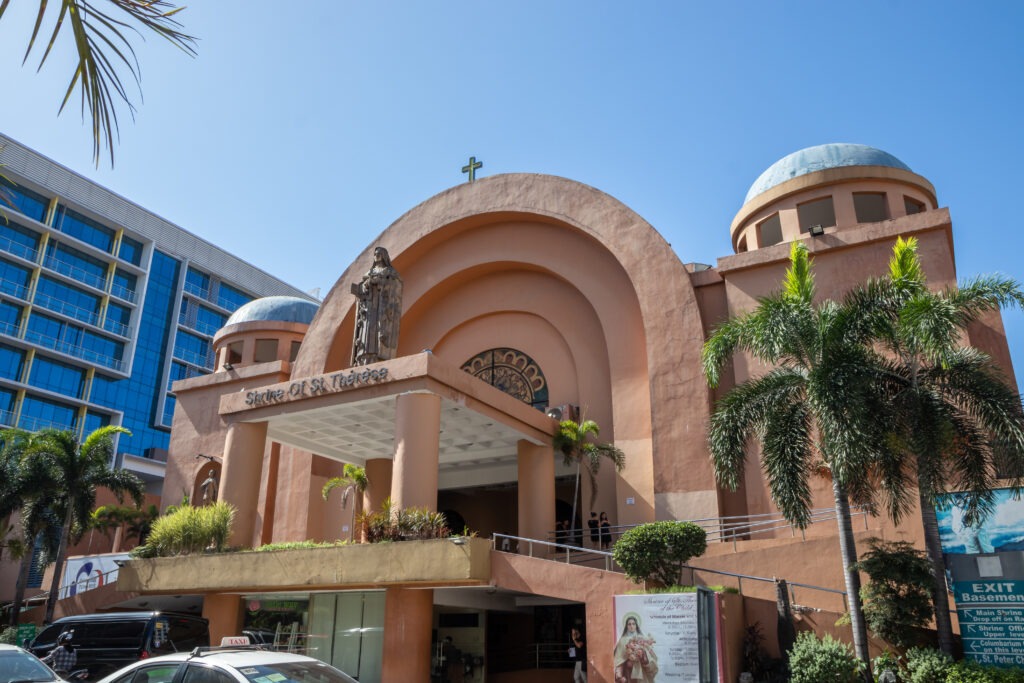
Church in Manila, Philippines


The Role of Godparents in Baptisms

Godparents, known as “ninong” (male) and “ninang” (female), play a pivotal role in Filipino baptisms. They are chosen by the child’s parents to provide spiritual guidance and support throughout the child’s life. The Godparents’ commitment to their role is a testament to the close-knit relationships within Filipino families and communities.


Baptismal Attire: The Elegance of Barong Tagalogs

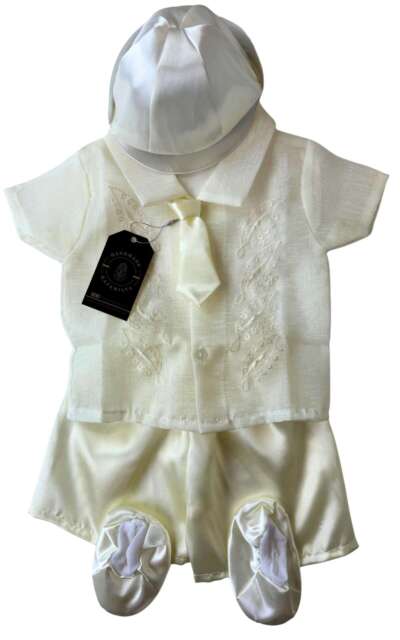
In Filipino baptisms, the attire of choice for young boys is the elegant Barong Tagalog. These finely crafted garments, often made from piña, jusi, or other delicate fabrics, embody the essence of Filipino elegance. Worn by the child, parents, and Godparents alike, the Barong Tagalog assumes a role of profound symbolism during this sacred occasion, signifying purity and reverence. With its immaculate design and graceful fabric, the Barong Tagalog embodies the essence of spiritual sanctity, enveloping the participants in an aura of solemnity and devotion as they come together to celebrate this cherished moment of faith and tradition.


Filipino Barong Tagalog
Traditional Costume Barong Tagalog


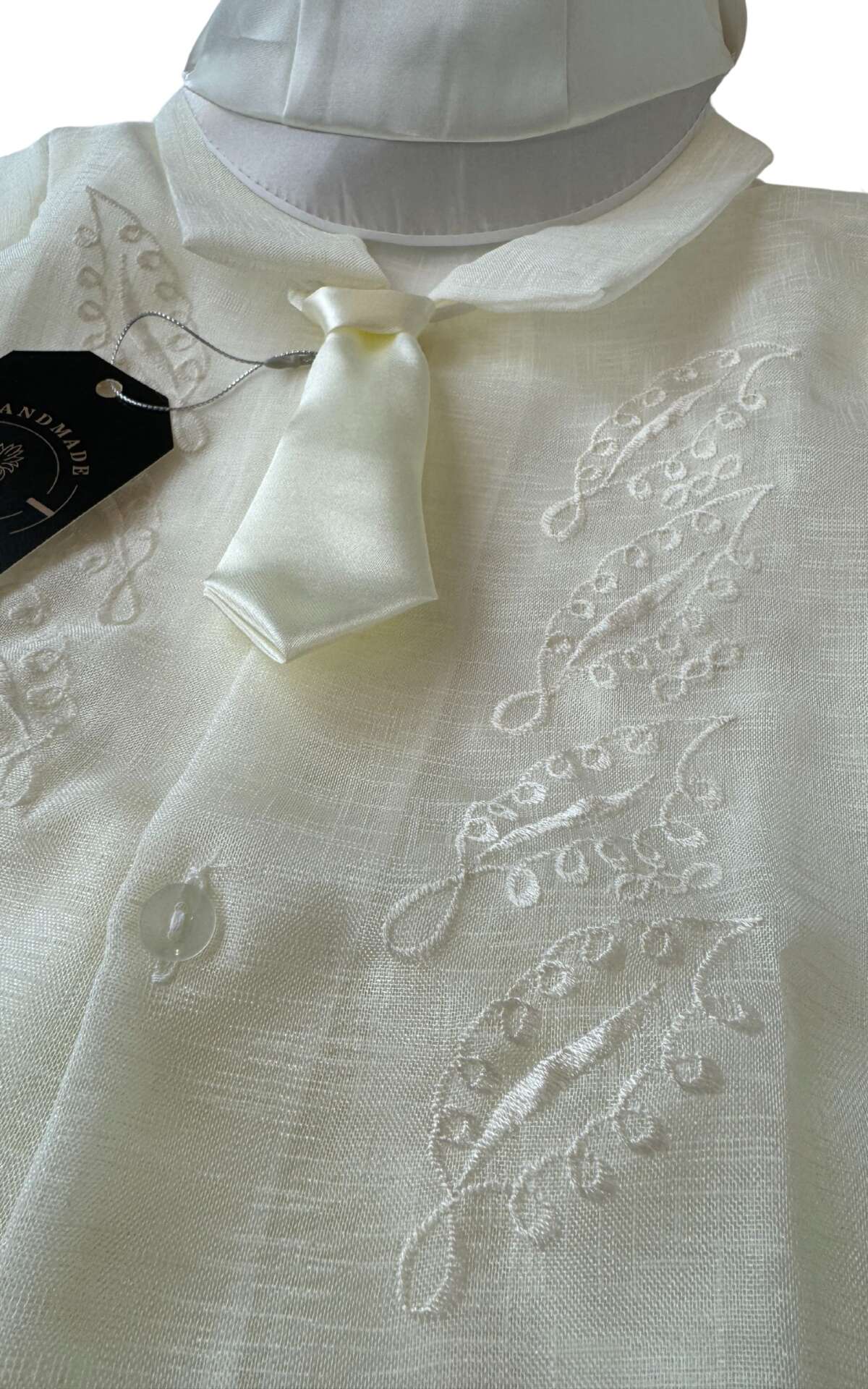
Infant Christening Baptism Outfi...
Original price was: $51.20.Current price is: $29.99.
-41%
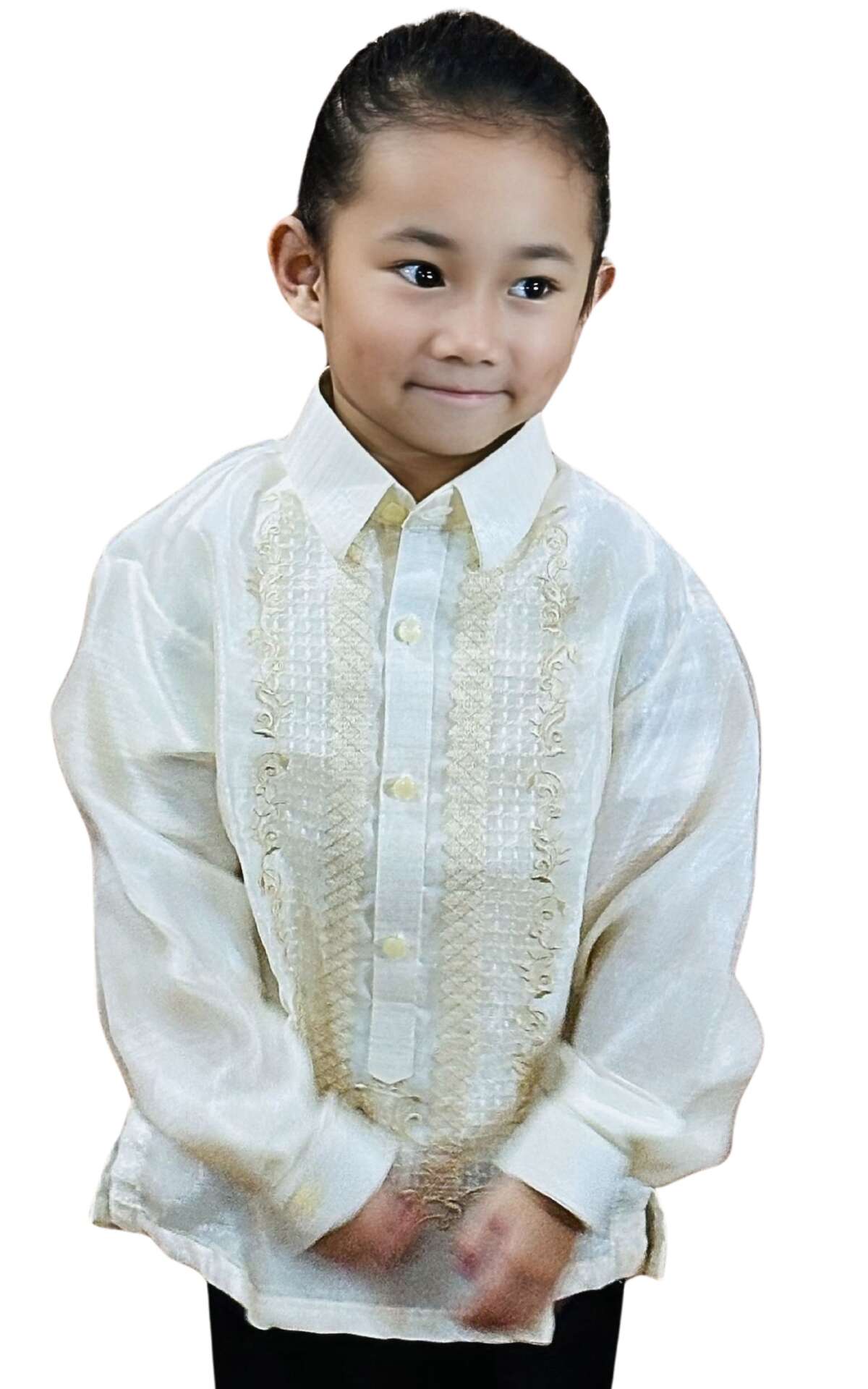
Kids White Long Sleeve Organza B...
Price range: $66.37 through $78.44

A Ritual of Blessings and Symbolism in Filipino Baptisms

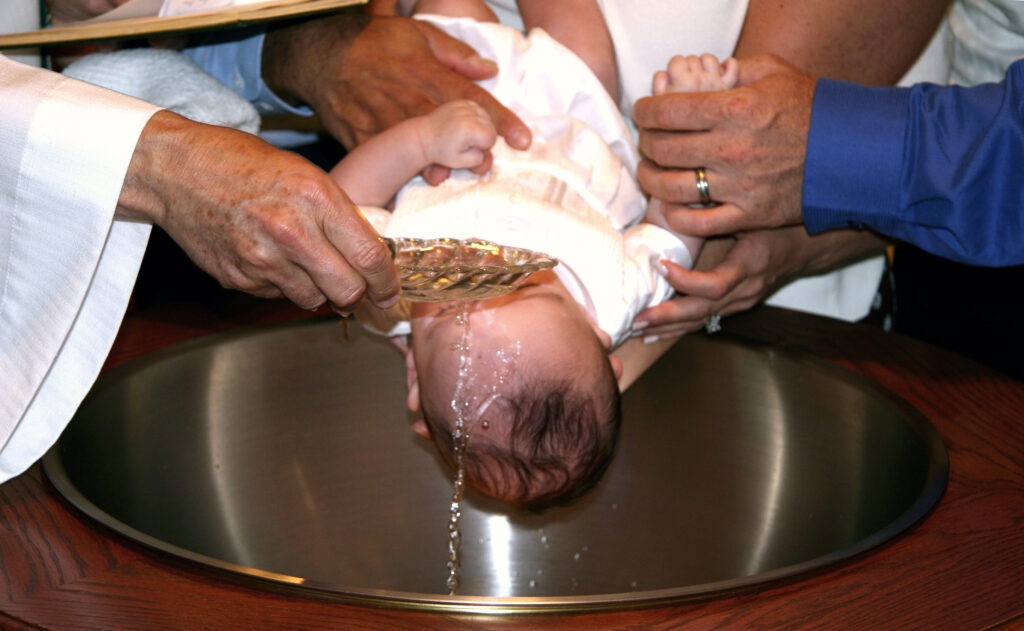
The baptismal ceremony itself is steeped in ritual and symbolism. The water used for baptism takes on a profound meaning, symbolizing purification and the cleansing of sins, while the sign of the cross gently traced on the forehead holds a sacred significance as it marks the child’s initiation into the Christian faith. These symbolic rituals not only sanctify the moment but also serve as a spiritual bridge, connecting the child to a lifelong journey of faith and devotion.Throughout the ceremony, prayers are offered, blessings bestowed, and the child is officially named, signifying their belonging to the Christian community.


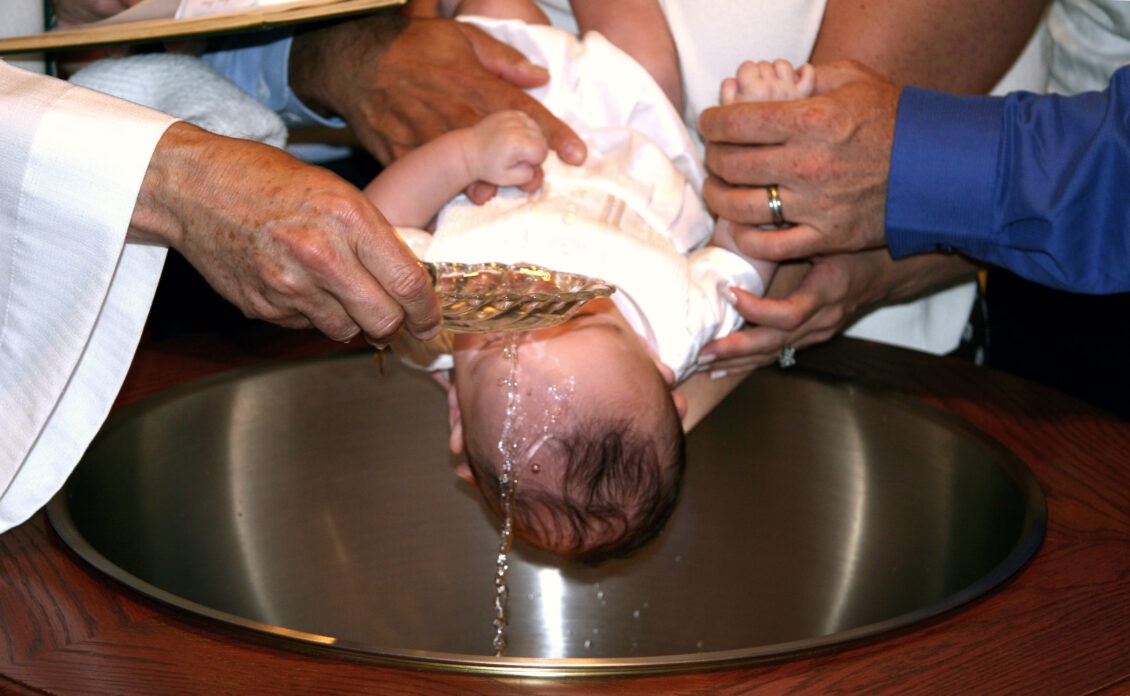
Filipino baptism
Baby receiving baptism


Post-Baptismal Celebrations: Party Filipino Style

After the baptismal rites at the Filipino baptism, a joyful celebration ensues. Family and friends gather for a festive feast, where traditional Filipino dishes and delicacies abound. During these celebrations, the Barong Tagalogs remain a prominent sight, elegantly complementing the joyful atmosphere with their exquisite craftsmanship and traditional allure. As laughter and festivities fill the air, the graceful presence of these garments adds a touch of cultural pride and sophistication, symbolizing the cherished customs that bring families and friends together in harmonious celebration.


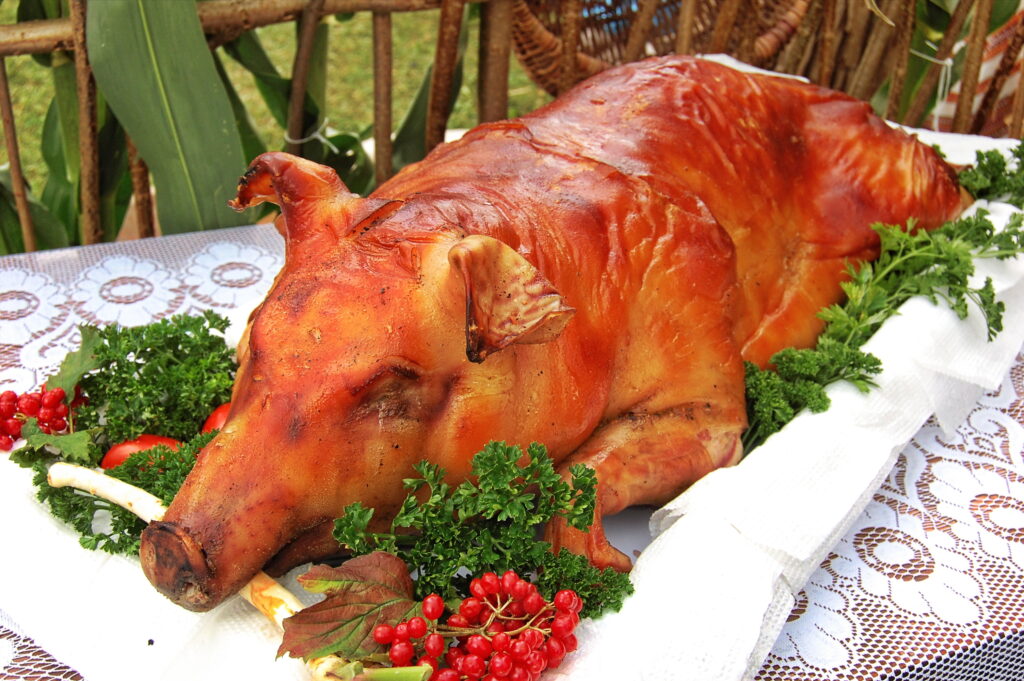
Filipino style lechon
Chefs serve the delicious pig as a dish called lechon, cooking it over a fire and preparing it for guests as a refined entertainment.


A Legacy of Baptism Faith and Tradition

As the child grows, the memory of their baptism remains an indelible part of their life’s journey. The Barong Tagalog worn during this sacred event becomes a cherished keepsake, lovingly passed down through generations, serving as a profound symbol of family unity and unwavering faith. This treasured garment, with its intricate embroidery and delicate fabric, not only preserves the memories of the past but also connects the threads of heritage, weaving a timeless bond that transcends time.


Conclusion: A Blessing of Love and Tradition

Filipino baptisms, adorned with the grace and elegance of Barongs, are a testimony to the profound significance of faith, family, and cultural heritage. These sacred rites of passage unite families and communities in celebration and devotion, creating a lasting bond that transcends time.

As the Barong Tagalog continues to grace the baptisms of young boys, it symbolizes not only elegance but also signifies the enduring legacy of Filipino traditions and values. Moreover, it serves as a poignant reminder of the rich cultural heritage passed down through generations, linking the past and the present in a seamless tapestry of identity and pride. Baptisms in the Philippines are not just moments of spiritual initiation; they are celebrations of love, faith, and cultural identity, beautifully woven together like the delicate threads of a Barong Tagalog, forming a timeless tapestry of Filipino heritage.