Barong Tagalog History: Unraveling the Timeless Threads of Filipino Heritage
Finding the perfect attire for your wedding or a prestigious gala isn’t just about following a dress code; it’s about wearing your story. For the modern Filipino—whether you are in Manila, Los Angeles, or London—the Barong Tagalog is more than a shirt; it is an heirloom of identity, a masterpiece of resilience, and the ultimate “power suit” of the Philippines.
In our workshop at Handmade Kapamilya, we see the Barong as a living canvas. Kumusta po to our readers who are embarking on a journey to reconnect with their roots. Understanding Barong Tagalog history is the first step in wearing this garment with the dignity it deserves. In this definitive guide, we will dive deep into the origins, the colonial evolution, and the meticulous craftsmanship that makes this “Barong” a world-class icon.
The Pre-Colonial Genesis: The “Baro” Before the Conquest
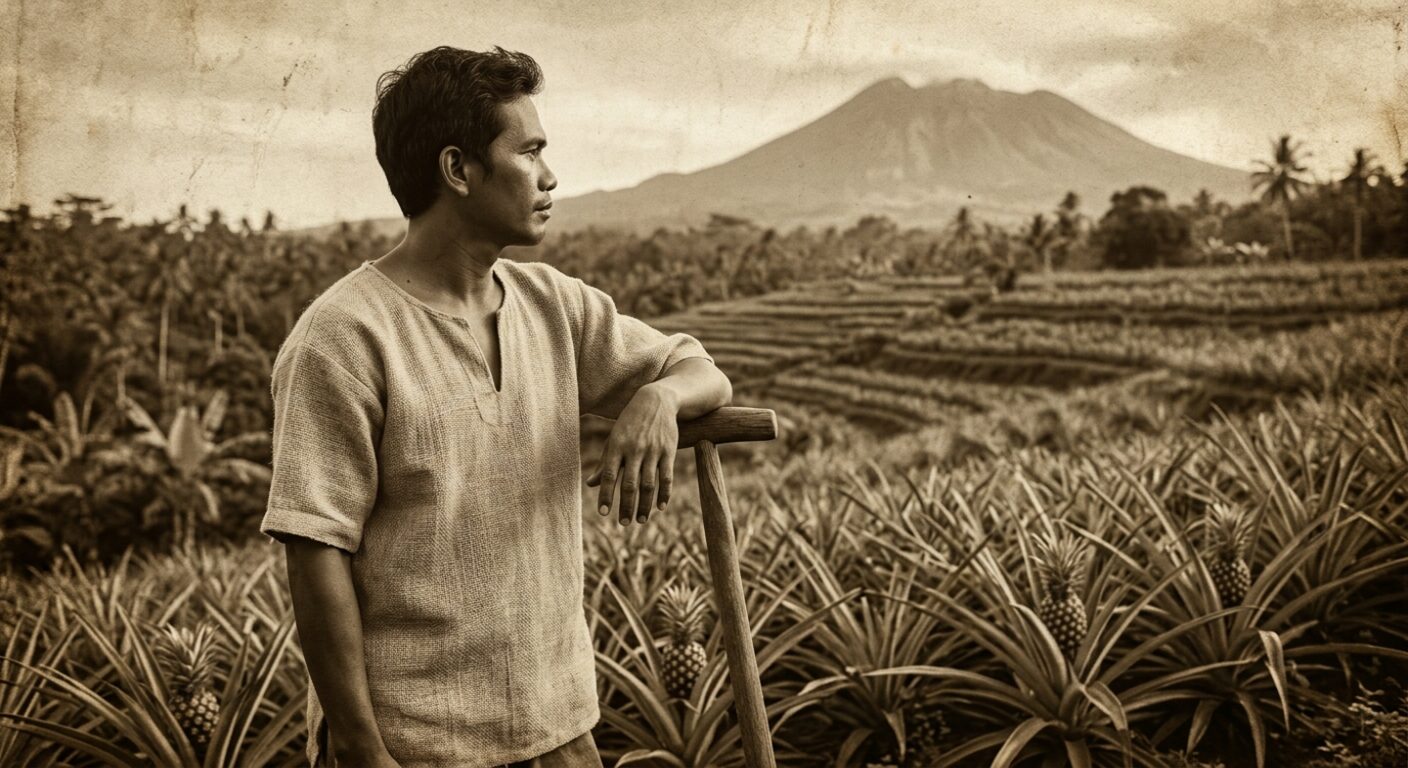
Long before the first Spanish galleon touched our shores, the indigenous people of the Philippine archipelago were already masters of tropical weaving. Barong Tagalog history begins with the Baro—a simple, collarless, loose-fitting shirt made from local fibers.
Indigenous Ingenuity
Early Filipinos, long before foreign influence, donned translucent garments made from indigenous materials. These weren’t just clothes; they were a response to the environment.
- Abaca (Manila Hemp): Known for its incredible strength and durability.
- Piña (Pineapple Fiber): Extracted from the leaves of the Red Spanish pineapple, creating a silk-like translucency.
- Cotton (Kapas): Used for more everyday wear in various regions.
These light and breathable garments were well-suited to the country’s tropical climate, reflecting the ingenuity of the Filipino people. At Handmade Kapamilya, we still source fibers that mimic these ancient textures to ensure our custom Barong Tagalog pieces remain breathable and authentic.
Influence of Spanish Colonization: Evolution and Resistance
The Barong Tagalog, as we know it today, bears the mark of Spanish colonization. During the Spanish colonial period (16th to 19th century), traditional Filipino attire underwent significant changes.
The Introduction of European Elements
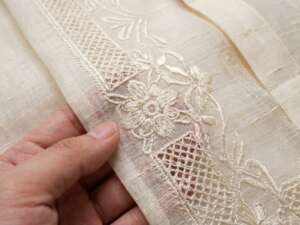
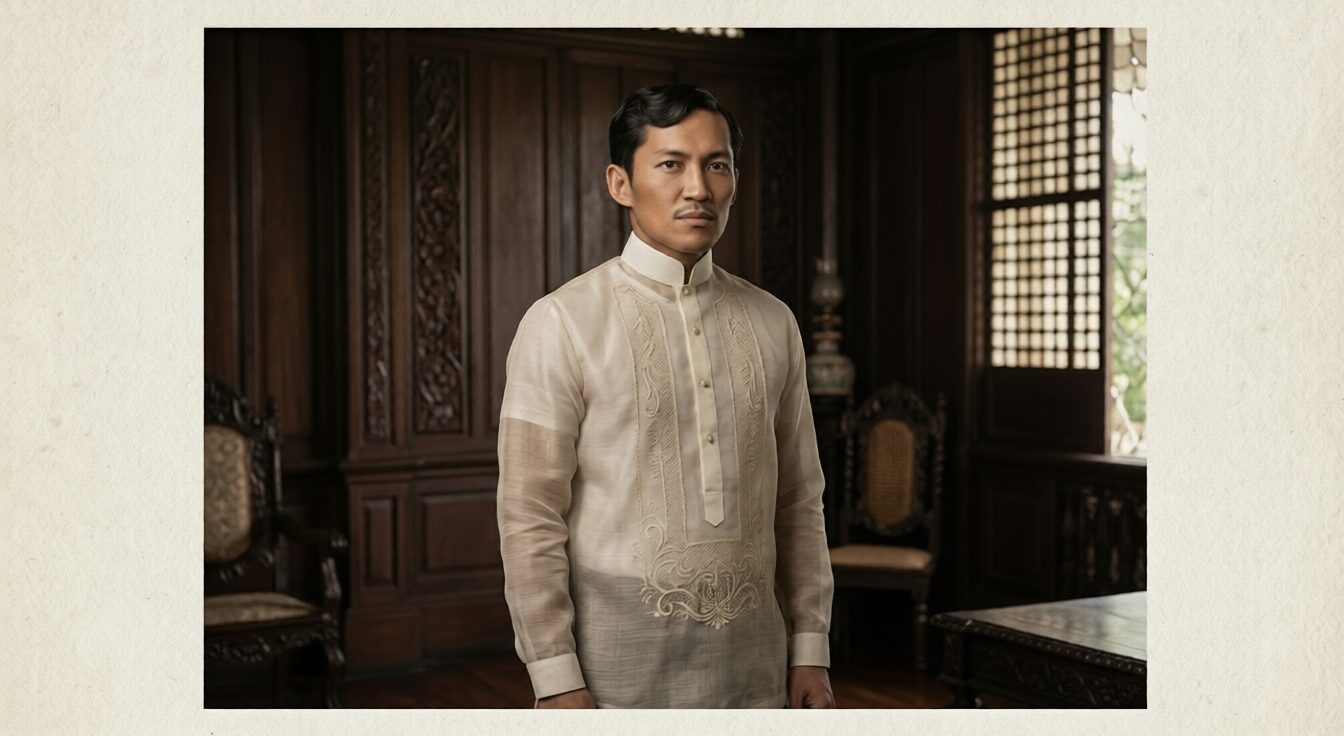
The Spaniards introduced European fashion elements, and the once-sleeveless Baro gained long sleeves and a button-down front. However, the Filipinos made it their own. The intricate embroidery work, inspired by Spanish lace and drawn threadwork, became a prominent feature, adding an exquisite touch to the garment.
The Myth of the “Untucked” Shirt
A common piece of Barong Tagalog history folklore suggests that the Spaniards forced Filipinos to wear transparent fabrics without pockets so they couldn’t hide weapons or stolen goods. While historians debate the “surveillance” aspect, the fact remains that the Indios (locals) were forbidden from tucking in their shirts—a style meant to denote lower social status.
In a beautiful act of cultural subversion, Filipinos took this “marker of inferiority” and turned it into a symbol of elegance. By the 19th century, the Ilustrados (the “enlightened” educated class) elevated the Barong with standing collars and French-inspired embroidery, making it a garment of the elite.
The Fabric of a Nation: The Piña Leaf Revolution
If you ask us in our workshop what the soul of a Barong is, we will always point to the fabric. Barong Tagalog history revolves around pineapple leaf fabric.
Why Piña?
The Piña fiber is the “Queen of Philippine Fabrics.” It is a grueling process to produce:
- Extraction: Scraping the leaves with a broken porcelain plate to reveal the fine fibers.
- Warping: Manually knotting each strand to create a continuous thread.
- Weaving: Using a traditional backstrap or floor loom.
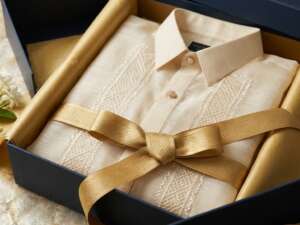
This dedication to craftsmanship has made the Barong Tagalog not just a piece of clothing but a work of art. For a wedding Barong Tagalog, there is no substitute for the shimmering, ivory glow of authentic Piña.
Comparison: Choosing the Right Fabric for Your Event
When browsing our Handmade Kapamilya collection, it’s important to know which fabric suits your needs.
|
Fabric Type |
Texture |
Formality |
Best For |
|
Pure Piña |
Soft, sheer, delicate |
Highest |
Grooms, Presidential Events |
|
Piña-Seda |
Silk-blend, slight sheen |
Very High |
Weddings, Galas |
|
Jusi (Raw Silk) |
Sturdier, opaque |
High |
Wedding Guests, Formal Dinners |
|
Linen/Ramie |
Breathable, easy-care |
Moderate |
“Barong Fridays,” Casual Events |
National Symbol and the Rise of the Filipino Identity
As the Philippines struggled for independence, the Barong Tagalog emerged as a potent symbol of resistance. During the revolutionary period against Spanish rule and later against American colonization, the Barong was worn with pride by national heroes like Jose Rizal and freedom fighters.
Post-Independence Recognition
After gaining independence in 1946, the Philippine government sought to solidify a national identity.
- 1950s: President Ramon Magsaysay famously wore the Barong Tagalog to his inauguration, choosing the “garment of the people” over the Western tuxedo.
- 1975: President Ferdinand Marcos officially declared the Barong Tagalog as the national formal attire.
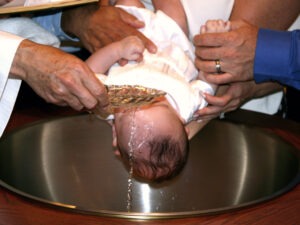
Today, it is the standard for every major milestone in a Filipino man’s life. From christenings to funerals, the Barong is our constant companion.
Craftsmanship and Artistry: The “Handmade” Difference
At the heart of our work at Handmade Kapamilya lies the exceptional artistry of Filipino weavers and embroiderers. These are not factory-made items; they are labor-intensive legacies.
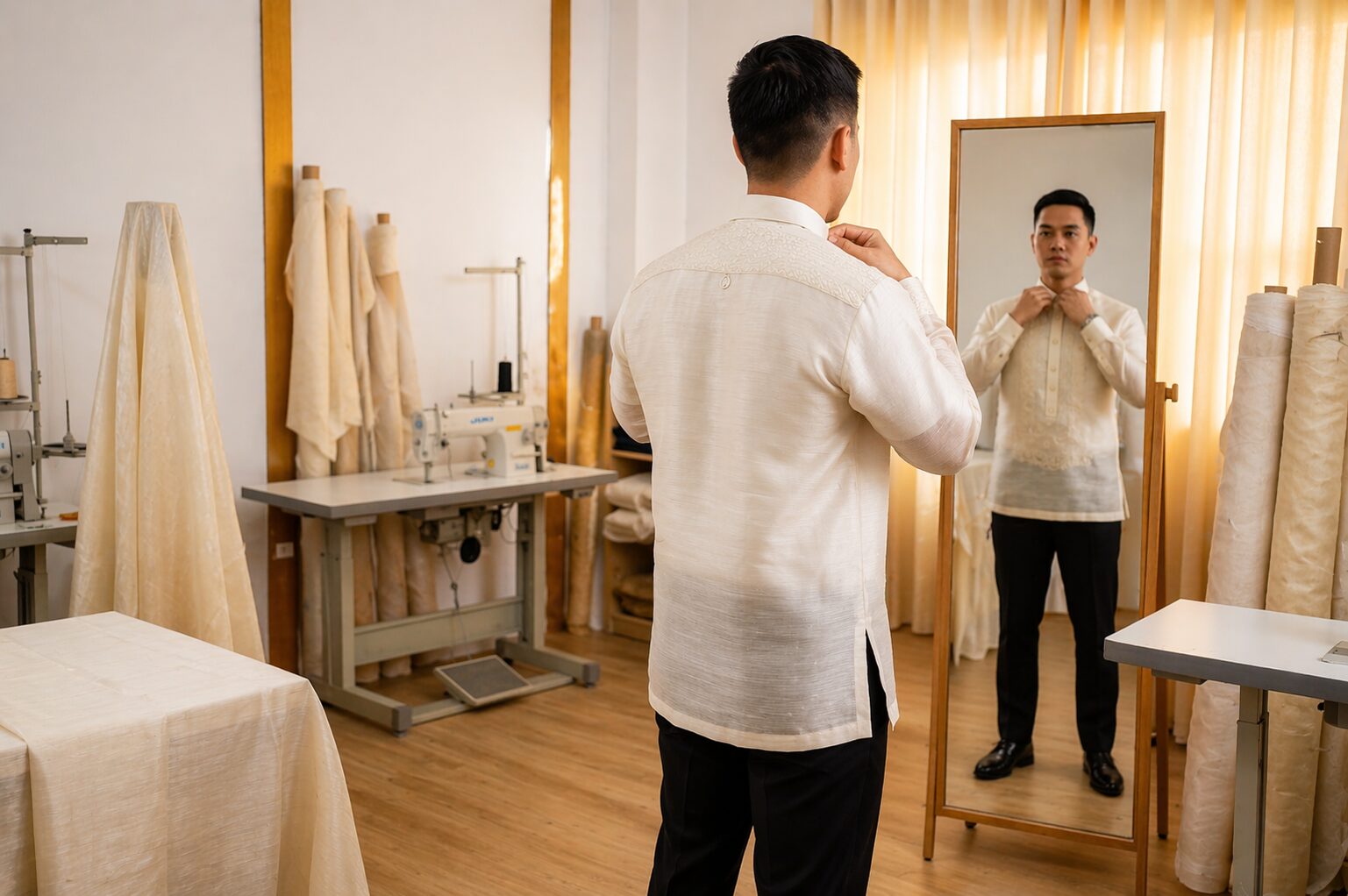
A man adjusts a meticulously crafted Barong Tagalog in a workshop filled with rolls of traditional pineapple-fiber fabric.
The Art of Calado
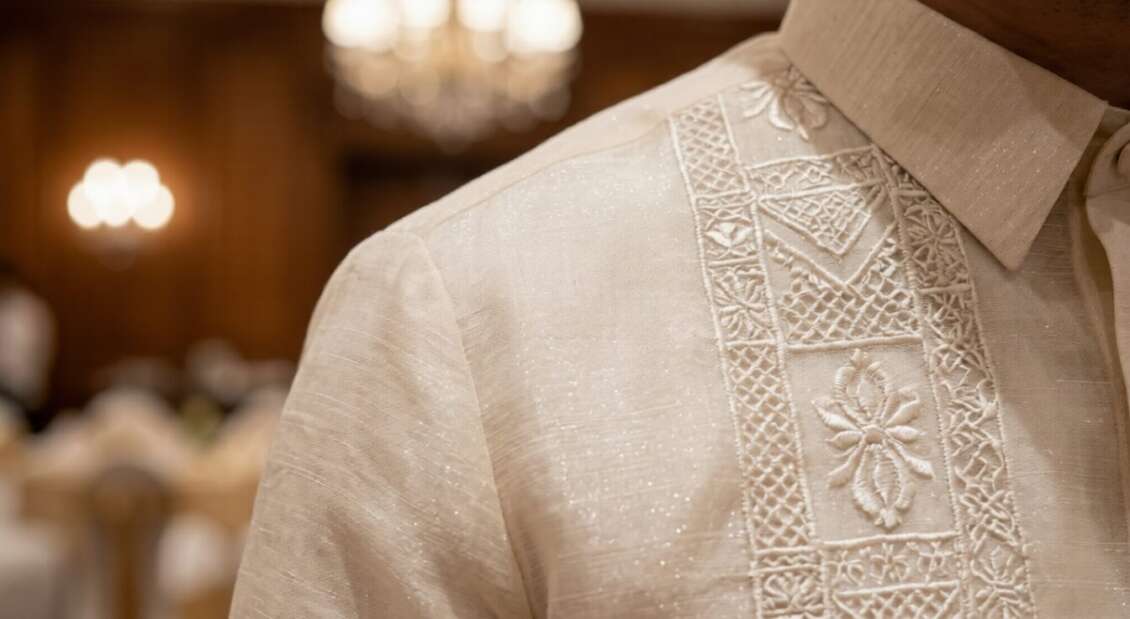
One of the most complex techniques in Barong Tagalog history is Calado. This involves pulling individual threads from the woven fabric to create a “net” or “lattice” effect, which is then intricately embroidered over. It creates a three-dimensional texture that machine-embroidery simply cannot replicate.
“We often see grooms get emotional when they try on a hand-embroidered Barong for the first time. They realize they aren’t just wearing a shirt—they are wearing 50 hours of a master artisan’s life.” — Lead Strategist, Handmade Kapamilya
Modern Times: Barong Fridays and Global Galas
Despite the changing fashion landscape, the Barong Tagalog has endured. We are currently seeing a massive resurgence in “Barong Fridays” in the Philippines, and a “Barong Renaissance” among Fil-Ams in the States.
Modern iterations now include:
- Short-sleeve Barongs: For the tropical office environment.
- Colored Embroidery: Moving beyond traditional cream to include blues, blacks, and even gold.
- The Mestiza Dress: Women are also reclaiming the Barong aesthetic through Barong-inspired tops and dresses.
Essential Care for Your Barong Tagalog
Because these are delicate pieces of clothing, they require special care. Whether you own a premium Barong Tagalog or an heirloom piece from your Lolo, follow these steps:
- Hand Wash Only: Never, ever put a Piña or Jusi Barong in a washing machine. Use a very mild soap.
- The “Dip and Shake”: Gently submerge the garment and shake it in the water. Do not scrub the embroidery.
- Drying: Lay it flat on a clean white towel. Hanging it while wet can stretch the delicate fibers.
- Ironing: Use a low heat setting and always iron on the reverse side of the embroidery to keep the patterns crisp.
Conclusion: Embracing the Barong Tagalog Legacy
The Barong Tagalog stands as a timeless masterpiece that encapsulates the beauty of Filipino culture and history. From its humble origins in pre-colonial times to its present-day prominence as a national symbol, it remains a testament to our resilience.
As you don the Barong Tagalog with pride, remember the centuries of history and artistry woven into its fibers. Embracing this iconic garment is not just a fashion choice; it is a celebration of our shared heritage.
Salamat for choosing to honor our culture. Mabuhay!
Ready to Find Your Heritage Piece?
At Handmade Kapamilya, we combine traditional techniques with modern fits to ensure you look your best while honoring your roots.
Continue Exploring Here: