The Evolution of the Barong: Modern Everyday Styles and Women’s Barong Trends
Are you standing in front of your closet, torn between a stiff traditional suit and a Barong Tagalog that feels like it belongs in your Lolo’s old photographs? You want to honor your heritage at your wedding or gala, but you don’t want to look like you’re wearing a costume.
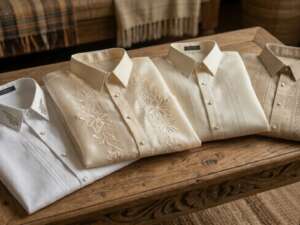
At Handmade Kapamilya, we understand this struggle. We often see grooms and professionals who crave the “Kapamilya” vibe—that perfect balance of being “respectfully traditional” and “effortlessly modern.” In our workshop, we are witnessing a renaissance. The modern Barong Tagalog trends of 2024 and 2025 are moving away from the itchy, oversized silhouettes of the past toward breathable fabrics, tailored fits, and bold color palettes.
Mabuhay! Welcome to your ultimate guide to the evolution of the Philippines’ national dress. Whether you are looking for a wedding Barong Tagalog or a versatile piece for your professional wardrobe, we’ve gathered the insights you need to make an informed, stylish choice.
The Cultural Significance: Why the Barong Still Matters
Before we dive into the “what,” we must understand the “why.” The Barong Tagalog is not just a shirt; it is a narrative of resilience. Originally crafted from indigenous fibers like pineapple and abaca, it was a garment that allowed Filipinos to remain cool in the tropical heat while resisting the heavy, restrictive layers of colonial Spanish dress.
Today, wearing a Barong is a statement of cultural pride. For the Fil-Am community, it serves as a bridge between two worlds. When you browse our Barong Tagalog for sale, you aren’t just buying formal wear; you are participating in a living tradition that supports local weavers and embroiderers in artisanal hubs like Lumban, Laguna.
- Fabric Innovation: Beyond the “Itchy” Stereotype
One of the biggest modern Barong Tagalog trends is the shift in textile science. At Handmade Kapamilya, we believe that comfort is just as important as aesthetics. If you’re going to be dancing at a reception for six hours, the fabric matters.
Piña and Piña-Sede (The Gold Standard)
Derived from the leaves of the Red Spanish Pineapple, Piña is the “Queen of Philippine Fabrics.” It is incredibly lightweight, translucent, and possesses a soft, golden sheen.
- Trend Note: We are seeing a rise in Piña-Sede (Piña silk), which blends pineapple fiber with silk to create a more durable, less “crunchy” feel while maintaining that luxury texture.
Cocoon Silk (The Modern Favorite)
If you want the look of Piña but require a more robust fabric that holds its shape, Cocoon silk is the answer. It is characterized by its slightly textured, “slubby” appearance.
- Why it’s trending: It’s less transparent than Jusi, making it ideal for those who prefer a more structured look for a custom Barong Tagalog.
Jusi and Jusilyn (Accessible Elegance)
Jusi (mechanically woven silk) and Jusilyn (a synthetic blend) remain staples for their affordability and smooth finish.
- The “Handmade Kapamilya” Expert Tip: Always check for a high-quality lining. A modern Barong should feel like a second skin, not a plastic bag.

- The Rise of the “Everyday Barong”
Gone are the days when the Barong was reserved solely for the altar or the presidential palace. One of the most significant modern Barong Tagalog trends is the “Everyday” or “Office Barong.”
We are seeing a massive surge in demand for short-sleeved Barongs made from linen, ramie, or cotton-blend chambray. These pieces serve as the Filipino equivalent of “Business Casual.”
- The Silhouette: Slimmer through the waist with a shorter hemline designed to be worn untucked.
- The Styling: Pair a linen Barong with dark denim or chinos for a “Paskong Pinoy” dinner or a high-end business meeting in San Francisco or New York.
- Bold Colors and Monochromatic Embroidery
Traditionally, the Barong was off-white or cream. However, the modern Barong Tagalog trends of the current season are embracing the dark side.
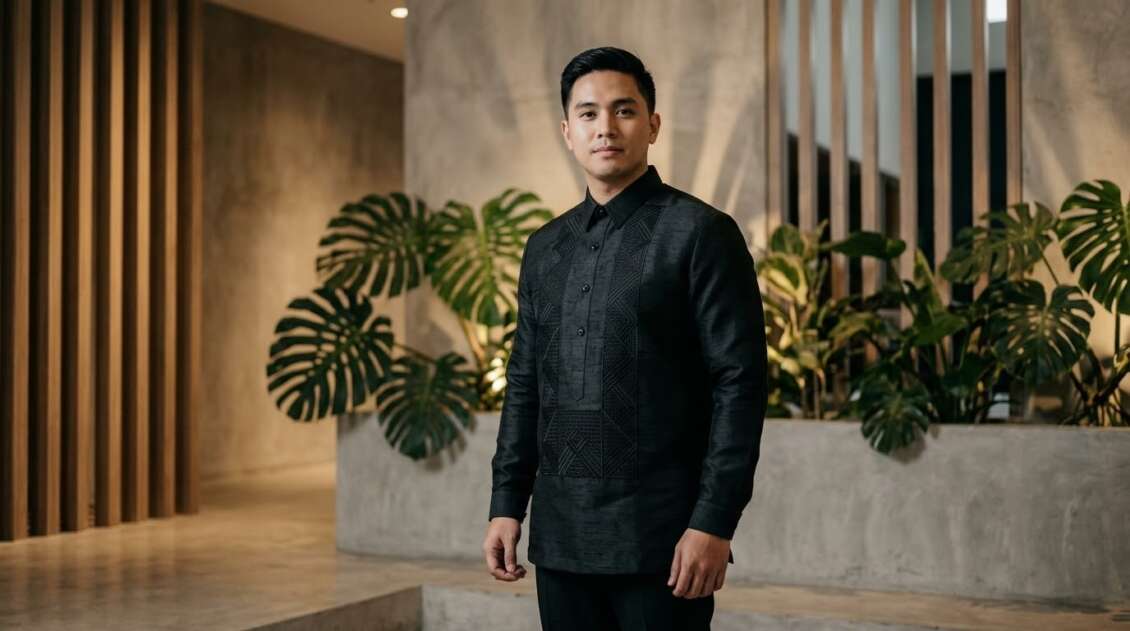
The Black Barong
A black-on-black Barong (black fabric with black embroidery) is the height of modern sophistication. It’s mysterious, formal, and incredibly slimming.
- Perfect for: Evening galas or black-tie optional weddings.
Earth Tones and Deep Blues
We are increasingly crafting custom Barong Tagalogs in sage green, terracotta, and navy blue. These colors reflect the natural landscapes of the Philippines while offering a contemporary alternative to the standard tuxedo.
- Redefining Embroidery: Minimalist vs. Calado
Embroidery is the “soul” of the Barong. In our workshop, we categorize the current trends into two distinct paths:
Minimalist Geometric Patterns
For the modern professional, less is more. We are seeing a move toward “asymmetrical” embroidery—patterns that run down only one side of the chest or are concentrated solely on the cuffs and collar. This creates a clean, architectural look.
The Revival of Calado and Suksuk
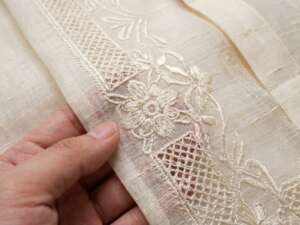
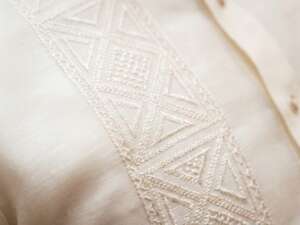
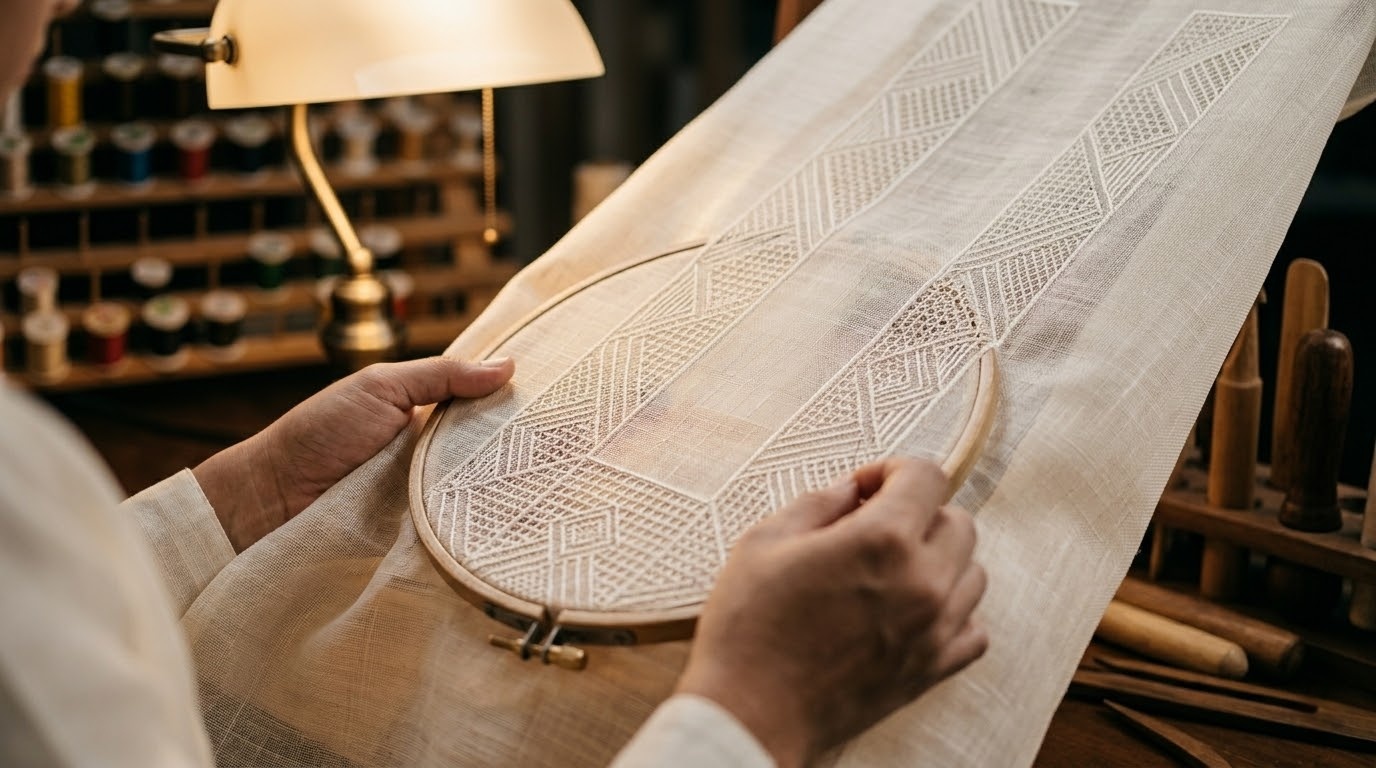
Conversely, there is a renewed appreciation for “Calado”—a painstaking technique where threads are pulled from the fabric to create a lace-like, perforated effect.
- Trend Insight: Grooms looking for a wedding Barong Tagalog are opting for “Suksuk” (inserted weft) patterns that tell a story, often incorporating indigenous motifs from the Kalinga or Mindanao regions to honor their specific ancestral roots.
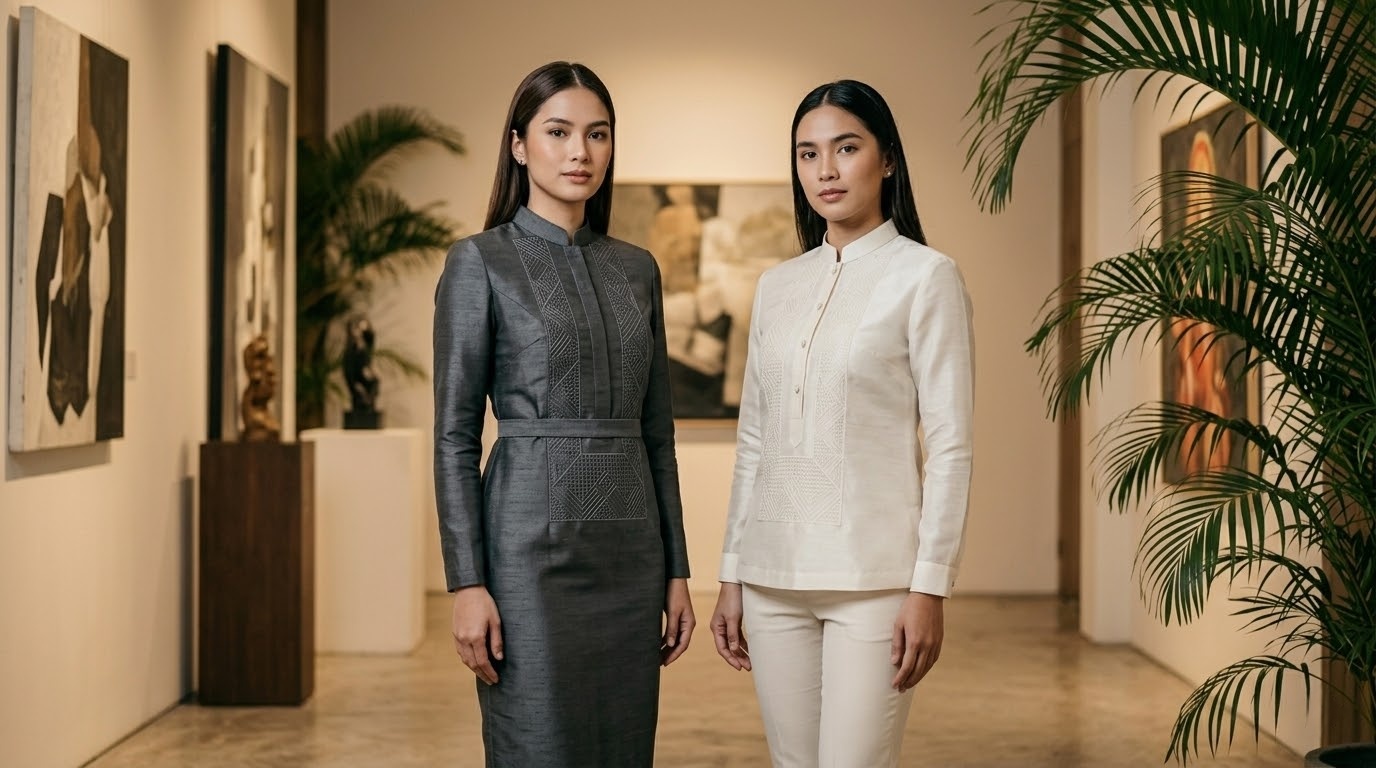
- The Gender-Neutral Shift: Women’s Barongs
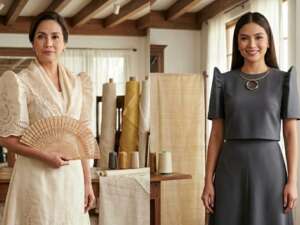
The Barong is no longer “just for the boys.” The evolution of Filipino formal wear has seen the Barong silhouette adapted into stunning Barong dresses, boleros, and tops for women.
Modern Filipina leaders and brides are choosing the “Barong Tagalog for Women”—a button-down piece with traditional embroidery but tailored with feminine darts and often paired with sleek trousers. It’s a powerful statement of identity and equality.
How to Choose Your Masterpiece: A “Kapamilya” Checklist
If you are looking for a Barong Tagalog for sale online, how do you know you’re getting quality? Use our expert checklist:
- Check the “Calado”: Is the embroidery hand-guided or machine-stamped? Hand-guided embroidery has slight variations that indicate artisanal work.
- The Fit: A traditional Barong is “A-line” (wider at the bottom). A modern Barong should have a slight taper.
- The Undergarment: A Barong is transparent by design. Always wear a Camisa de Chino (a long-sleeved white undershirt) underneath. Never wear a standard Hanes T-shirt; the collar lines will ruin the silhouette.
- Collar Stiffeners: Ensure the collar is crisp. A “floppy” collar is the fastest way to look unpolished.
Preserving Your Heritage: Care and Maintenance
Salamat for investing in a handmade piece. To ensure your Barong lasts for generations, you must treat it with care. In our experience, the biggest mistake owners make is putting their Barong in a washing machine.
- Handwash Only: Use a mild detergent (or even baby shampoo). Swirl it in cool water, do not scrub.
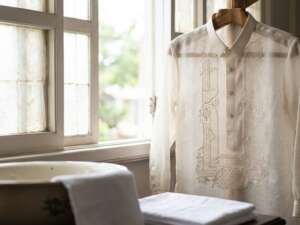
- The Hanger Rule: Never fold your Barong. Use a padded hanger to maintain the shoulder shape.
- Air Dry: Hang it in a shaded area. Direct sunlight can yellow Piña and Jusi fibers over time.
Elevate Your Wardrobe with Handmade Kapamilya
The modern Barong Tagalog trends we see today are a testament to the enduring beauty of Filipino craftsmanship. Whether you are walking down the aisle or leading a boardroom meeting, the Barong allows you to carry your history with dignity.
At Handmade Kapamilya, we don’t just sell clothes; we help you find your “cultural fit.” Each of our pieces is a labor of love, designed to make you look like the best version of yourself while staying true to your roots.
Ready to find your perfect fit? Shop our Exclusive Modern Barong Tagalog Collection
📚 Continue Your Journey into Filipino Formal Wear
- Planning a wedding? Check out our guide on Filipino Wedding Traditions.
- Confused about fabrics? Read our deep dive: Barong Tagalog in the US: The Ultimate “Fabric Expert” Guide to Authentic Filipino Formal Wear.
- Event Etiquette: Explore our latest Heritage Meets Trend: A Modern Filipino Styling Guide.
Maraming salamat po for supporting authentic Filipino craftsmanship. We look forward to welcoming you into the Handmade Kapamilya family!