Tag: Tradition

The Ultimate Barong Tagalog for Men: Tradition & Style Guide
Honoring Filipino Heritage Through Craft, Culture, and Timeless Elegance
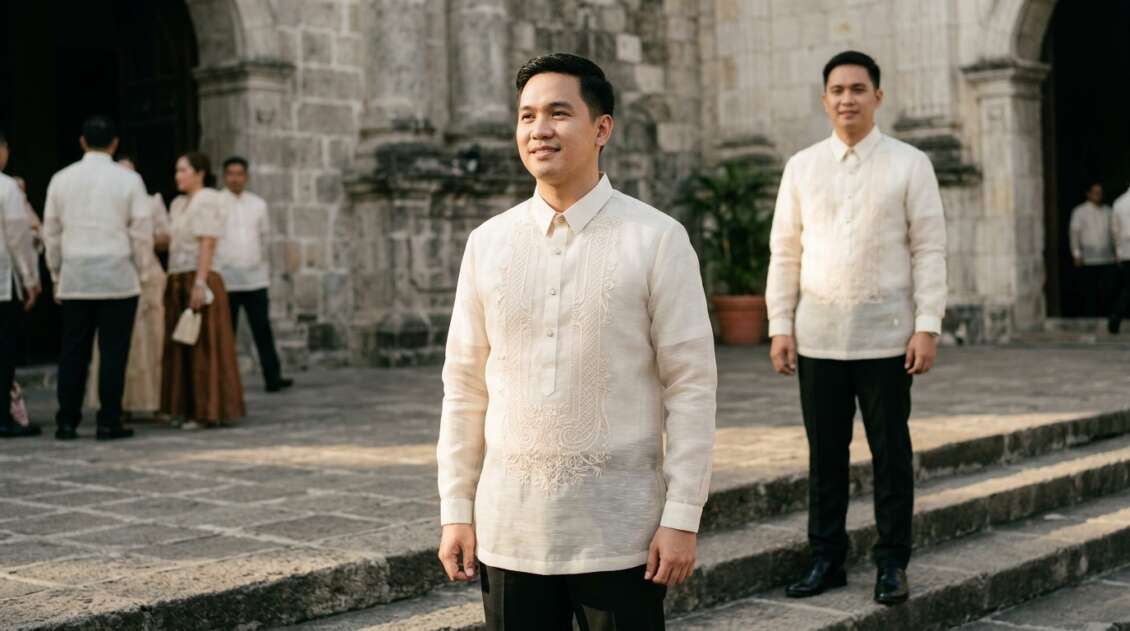
Are you searching for the perfect formal attire that speaks to your heritage while maintaining sophisticated, timeless elegance? Whether you are a groom preparing for your big day or a guest attending an upscale gala, the Barong Tagalog is more than just a shirt—it is a powerful symbol of Filipino identity, resilience, and pride.
At Handmade Kapamilya, we believe that every man deserves to wear his culture with confidence. In this guide, we dive deep into the history, fabric science, and styling etiquette of the Barong Tagalog, helping you embrace this time-honored tradition for your next formal occasion.
The Cultural Significance: Why the Barong Tagalog Matters
The Barong Tagalog is not merely a piece of clothing; it is a primary artifact of Philippine history. Its origins trace back to the pre-colonial era, where native populations wore lightweight, collarless jackets crafted from local linens.
Following Spanish colonization, the garment evolved into the iconic piece we recognize today. Folklore often suggests that colonial decrees mandated the shirt be worn untucked and transparent, intended to prevent the concealment of weapons. Over time, this forced adaptation was reclaimed by Filipinos as a distinct symbol of national identity and dignity. Today, wearing a Barong is a profound statement of cultural pride, honoring centuries of tradition while remaining perfectly suited to modern formal events.
Choosing Your Fabric: The Science of Elegance
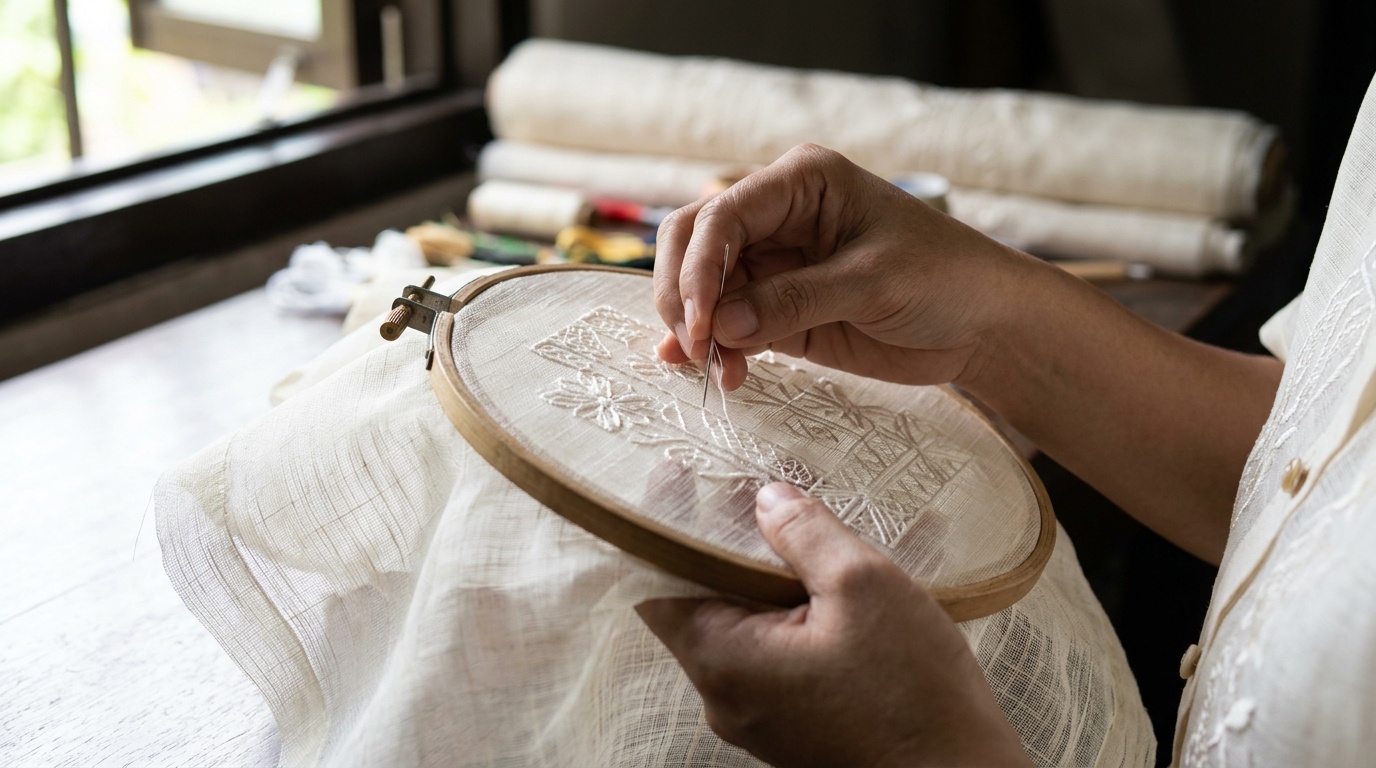
Selecting the right fabric is the most crucial step in commissioning or purchasing a high-quality Barong. At our workshop, we often guide clients through the unique characteristics of premium materials:
- Piña Silk: Derived from pineapple leaf fibers, this is the gold standard. It is lightweight, breathable, and offers a luxurious, stiff drape that is perfect for weddings and black-tie events.
- Jusi: Originally made from banana fibers (though often synthetic blends today), Jusi is a superb alternative for those seeking value without sacrificing the classic, elegant look.
- Organza: Known for its crisp, sheer appearance, organza is a popular choice for structured, modern designs that need to hold their shape throughout long events.
- Cocoon: Silk cocoon fabric offers a soft, rich texture that provides a more contemporary and comfortable feel while maintaining an undeniably formal aesthetic.
Styling Your Barong: Etiquette for the Modern Man
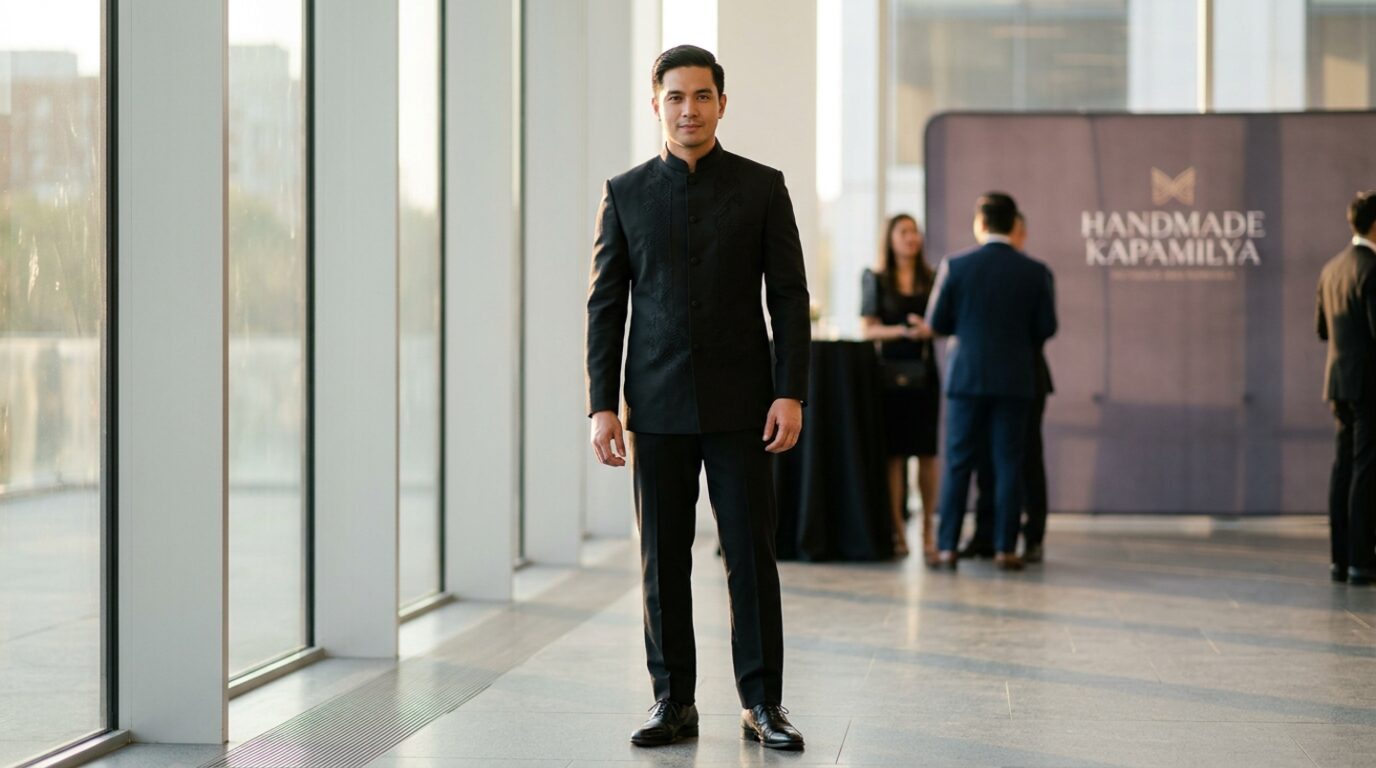
Mastering the art of the Barong requires attention to detail. Here is how to ensure you look your best:
- The Undershirt: The Barong is, by tradition, transparent. Always wear a Camisa de Chino or a clean, skin-toned undershirt underneath to maintain the formal, elegant look expected at weddings and official functions.
- The Fit: Whether you prefer a traditional, loose fit or a modern, tapered silhouette, the shoulder seams should always sit exactly where your shoulders end.
- Footwear: Pair your Barong with polished dress shoes. While it is formal, it carries a sense of tropical elegance; avoid overly casual footwear.
From Weddings to the Workplace: Versatility in Formal Wear
The Barong Tagalog has evolved from a traditional garment to a versatile staple in the modern Filipino-American wardrobe.
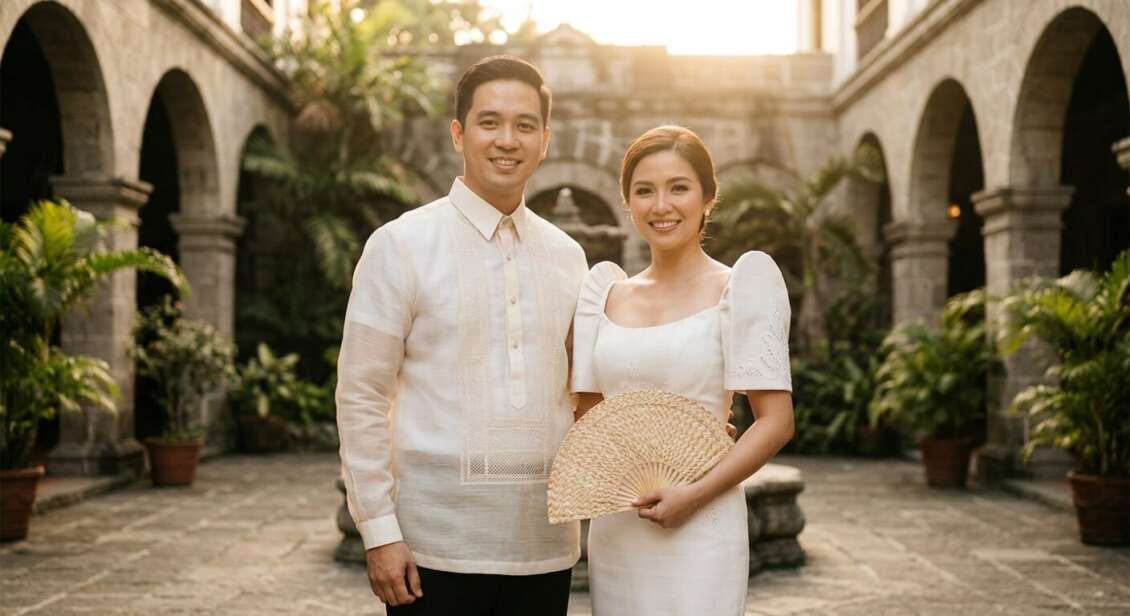
- Weddings: The Barong is the groom’s attire of choice, creating a harmonious ensemble alongside the bride’s gown. It signifies unity and a deep respect for shared heritage.
- Formal Events & Government Functions: As the official national formal attire, it is the standard for government officials and prestigious ceremonies, symbolizing respect and professionalism.
Everyday Elegance: Modern “office Barongs,” often made from cotton blends or ramie, are becoming an acceptable alternative to the traditional suit and tie, offering a comfortable yet professional business-casual look.
Passing Down the Legacy: A Gift of Affection
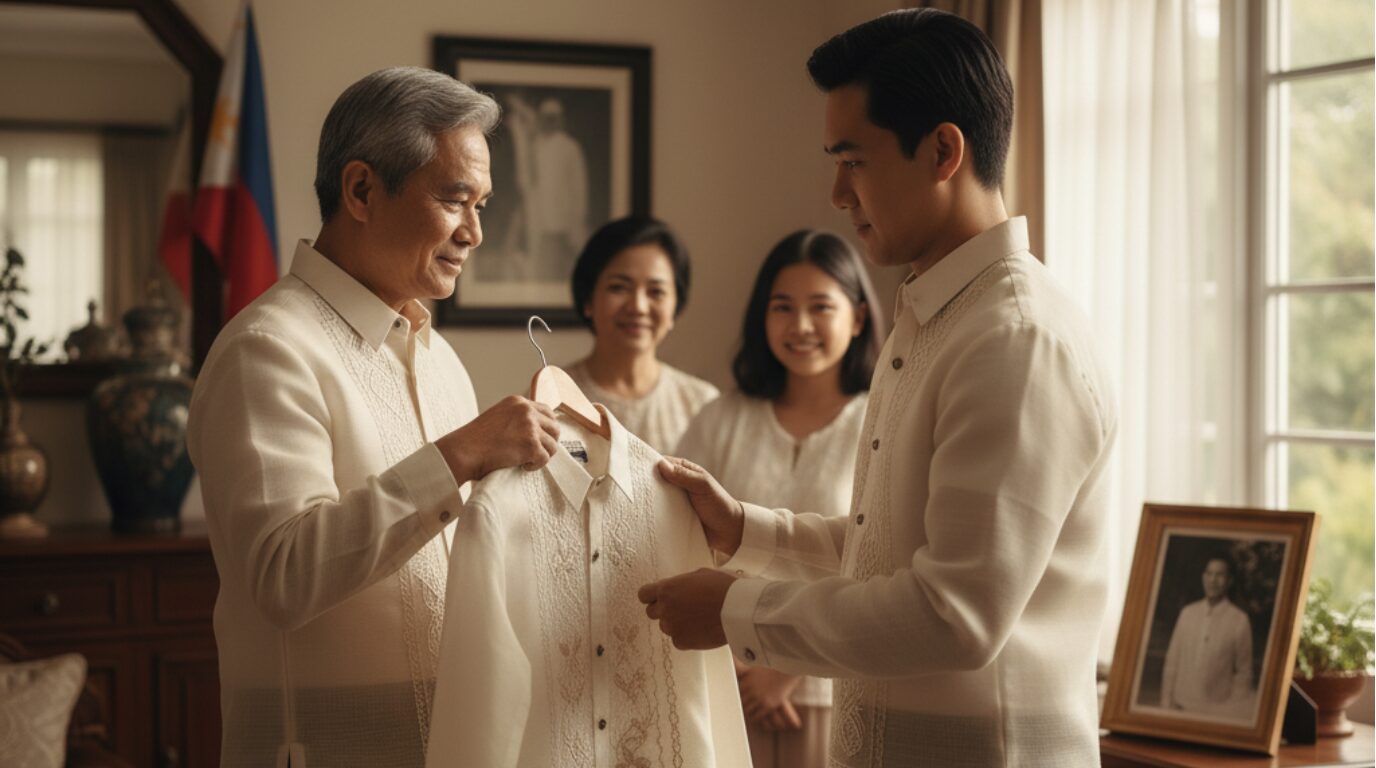
Gifting a Barong is a profound gesture of love. Whether for a milestone graduation, a birthday, or a wedding anniversary, presenting a loved one with a handmade Barong signifies the passing of a legacy. It is a way to share Filipino heritage across generations, forging bonds that transcend time and distance.
Conclusion: Wear Your History with Pride
The Barong Tagalog is more than just a shirt; it is a living tradition that resonates within the proud hearts of Filipinos everywhere. As we continue to innovate and blend traditional techniques with contemporary design, we ensure that this iconic garment remains a symbol of elegance for generations to come.
Want to learn more about caring for your investment? Check out our guide on.How to Wash a Barong Tagalog Without Ruining It
Continue Your Journey Through Filipino Elegance:
Mabuhay ang dugong Pilipino! We look forward to being part of your next milestone.
Filipiniana Traditions: A Powerful Story of Heritage
Filipiniana Traditions: Ultimate Guide to Cultural Attire
Kumusta po, Kapamilya! Have you ever stood before a mirror, adjusting the sharp collar of a Barong Tagalog or the iconic butterfly sleeves of a Terno, and felt a sudden, profound connection to ancestors you’ve never met? This desire to bridge the gap between our modern lives in the diaspora and our vibrant roots in the Philippines is what drives us every day in our “Handmade Kapamilya” workshop.
Filipiniana traditions are not merely “costumes” to be worn once and forgotten; they are an exquisite tapestry of customs and practices that reflect the rich and diverse cultural heritage of the Philippines. Through generations, these cherished traditions have become an integral part of Filipino life, celebrating the nation’s history, values, and identity. In this comprehensive guide, we will unravel the vibrant fabric of Filipiniana traditions and discover the beauty and significance they hold for Filipinos everywhere.
The Heart of Filipiniana: A Living History
To understand Filipiniana traditions, one must first look at the evolution of the garments themselves. Our national attire is a primary artifact of Philippine resistance and adaptation.
- Pre-Colonial Origins: Before Spanish arrival, the native population wore collarless jackets crafted from local linens, suited for the tropical climate.
- Spanish Influence: During the colonial era, the Barong Tagalog underwent a forced evolution, with some folklore suggesting a decree required native men to wear transparent shirts to prevent the concealment of weapons.
- The Rise of the Maria Clara: Inspired by the 19th-century heroine of Jose Rizal’s Noli Me Tangere, this four-piece ensemble—consisting of a baro (blouse), saya (skirt), pañuelo (fichu), and tapis (overskirt)—symbolized the fusion of indigenous and Spanish aesthetics.
- Modern Interpretations: Today, modern Filipiniana represents a flexible, ever-changing idea that combines cultural mores with elegant silhouettes, integrating traditional techniques into daily wear like work attire and graduations.
Flores de Mayo: A Floral Filipiniana Extravaganza
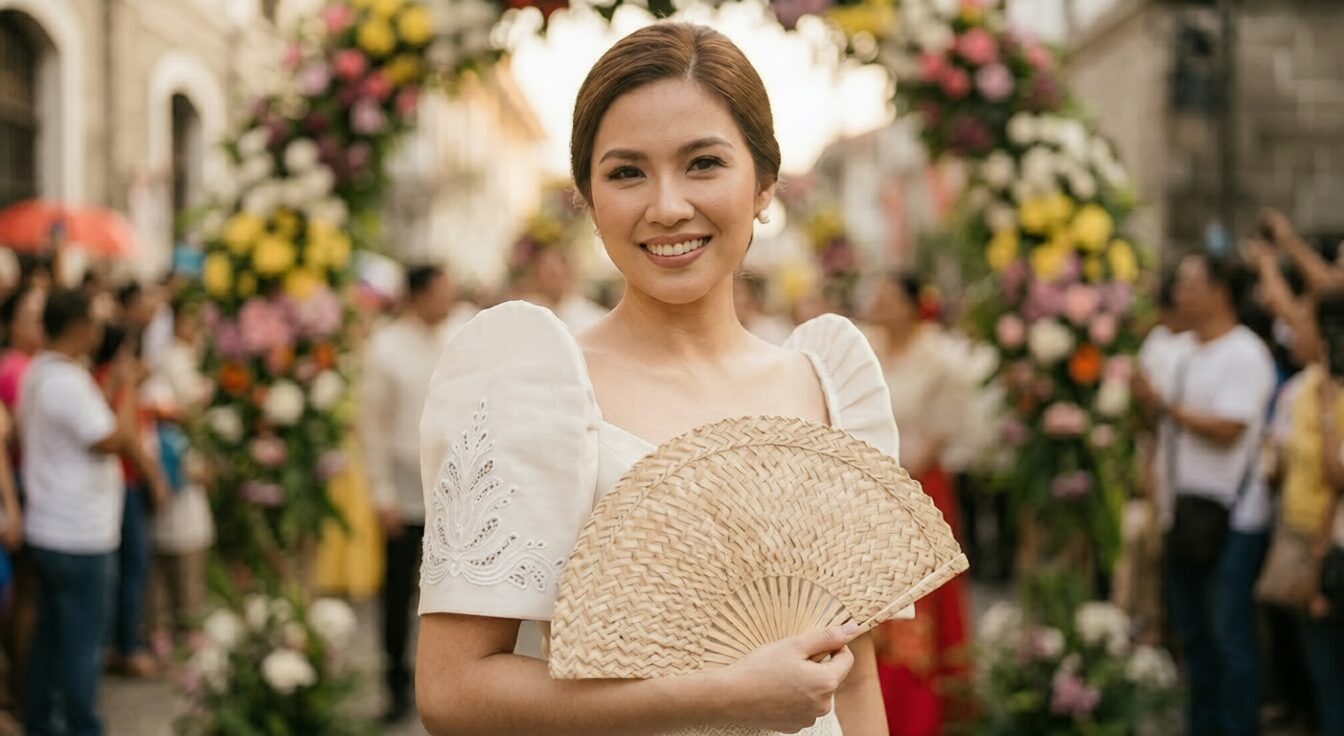
Flores de Mayo, or the “Flowers of May,” is a cherished Filipino tradition celebrated throughout the entire month of May. This religious and cultural event pays homage to the Virgin Mary and honors her with colorful and elaborate floral offerings.
In our experience, this is the season where the “Modern Filipiniana” truly shines. Young women and girls participate in processions and parades, carrying ornate bouquets and delicately woven garlands. They often wear lightweight fabrics like Organza or Jusi, which allow for breathability during the humid May afternoons. Flores de Mayo showcases the Filipinos’ deep devotion and appreciation for the beauty of nature, artistry, and spirituality.
Santacruzan: A Graceful Filipiniana Pageant
Santacruzan is a grand pageant held in May, typically towards the end of the Flores de Mayo celebrations. This tradition commemorates the discovery of the Holy Cross by Empress Helena, the mother of Constantine the Great.
The Queen of the Pageant: The Terno
The highlight of any Santacruzan is the Elena or Queen of Queens. She typically wears a Terno, characterized by its iconic, stiffened butterfly sleeves.
- Fabric Choice: High-end Ternos are often made from Piña, a fabric hand-loomed from pineapple leaf fibers, representing the pinnacle of Filipino craftsmanship.
- Symbolism: The Santacruzan features a procession of young ladies representing biblical characters, each elegantly dressed in Filipiniana gowns that embody grace, beauty, and faith.

The Barong Tagalog: The Men’s National Formal Attire
For the men, the Barong Tagalog stands as the ultimate symbol of Filipino identity. It is cultural identity, practical elegance, and a statement of pride. Whether you are a groom, a guest at a gala, or attending a business function, knowing your Barong is essential.
Choosing Your Fabric: The Artisan’s Perspective
In our workshop, we always emphasize that the fabric is more than just textile; it tells a story of heritage.
- Piña: The “Queen of Philippine Fabrics.” It is sheer, delicate, and often used for the most formal occasions like weddings.
- Cocoon: Often called “Cocoon Silk,” it mimics the look of Piña but is more durable and less prone to wrinkling, making it ideal for international travel.
- Jusi: A mechanically woven fabric made from silk or synthetic fibers. It is more opaque than Piña and offers a more affordable entry point for high-quality formal wear.
- Organza: A sheer, lightweight material often used for more budget-friendly Barongs. While beautiful, it lacks the natural luster and “breathability” of silk-based fabrics.
Styling Your Barong
- The Undershirt: Always wear a long-sleeved Camisa de Chino underneath your Barong to absorb perspiration and keep the outer garment looking crisp.
- The Fit: Modern styles favor a “Contemporary Fit” which is slimmer and more tapered, while “Traditional Fit” offers more room for movement.
- Occasion Matching: While a white or off-white Barong is classic for weddings, colored Barongs—such as blue, black, or brown—are modern takes perfect for christenings or business events.
Barrio Fiesta and Pahiyas Festival: Celebrating Community
The Barrio Fiesta is a beloved Filipino tradition that brings communities together to celebrate local culture. This is where you see the Barong Tagalog and Balintawak (a less formal Terno with a kerchief) in their natural habitat.
Pahiyas Festival: A Feast for the Senses
Celebrated in Lucban, Quezon, the Pahiyas Festival is a splendid display of gratitude for a bountiful harvest.
- The Attire: Locals proudly wear Filipiniana costumes as they participate in lively street dances.
- The Decorations: Homes are adorned with colorful rice wafers called kiping, creating a visual feast that captures the essence of Filipino creativity.
Filipino Weddings: Embracing Tradition and Love
Filipino weddings are steeped in tradition and cultural customs that highlight the unity of two families. They are a masterclass in how Filipiniana traditions adapt to modern love stories.
The Bride and Groom
The bride often chooses a Filipiniana-inspired gown, embracing the elegance of traditional styles like the Terno or a modern Filipiniana Bolero over a white dress. The groom’s Barong Tagalog exudes sophistication and respect for heritage.
Symbols of Unity
During the ceremony, specific symbols are used to represent the couple’s bond:
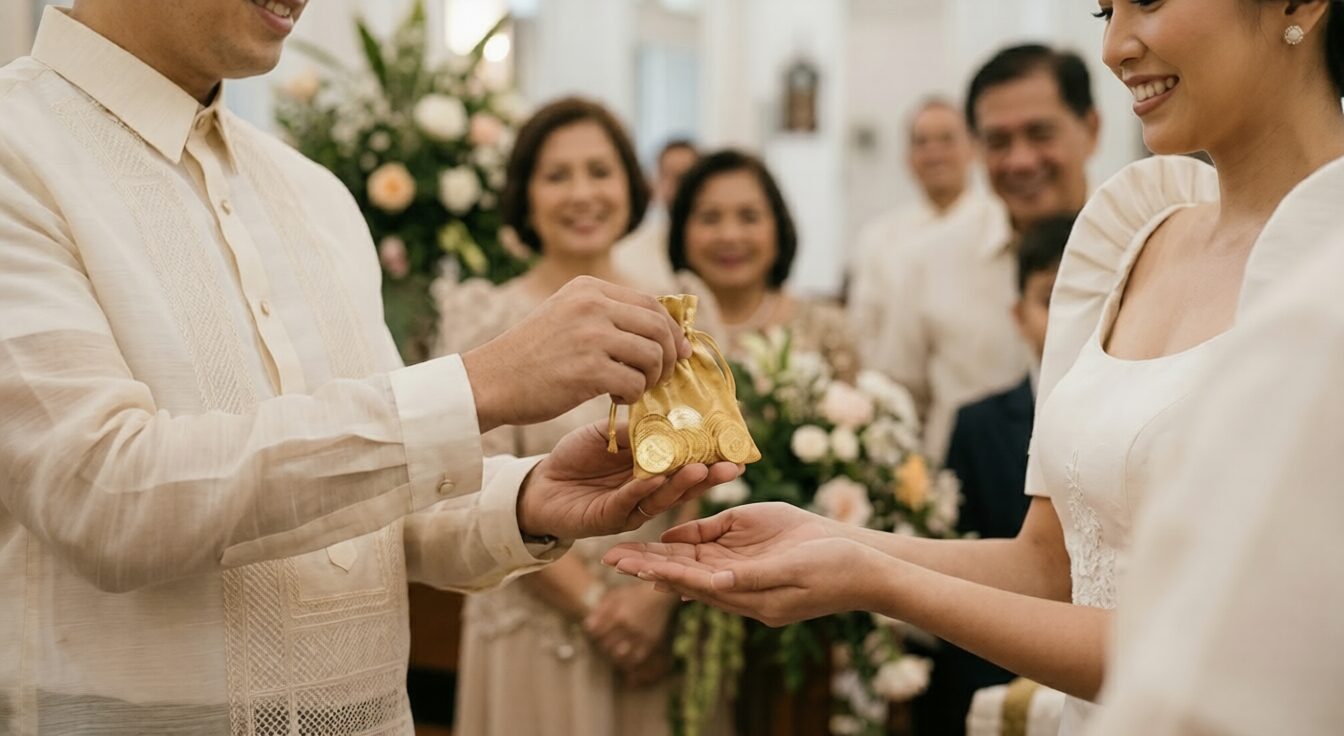
- Arras (Coins): Symbolize prosperity and the groom’s commitment to the welfare of his family.
- Candles: Represent the light of Christ and the couple’s role as the “light” of their new home.
- Veil and Cord: The veil symbolizes the couple being “clothed as one,” while the cord (yugal) represents an everlasting bond.
Caring for Your Heritage: Maintenance Tips
Because these garments are often handmade and delicate, proper care is vital to ensure they remain heirlooms.
- Hand Washing: Most Barongs and Filipiniana dresses should be hand-washed using mild detergent and lukewarm water.
- Stain Removal: Never scrub the fabric. Dab stains gently to avoid damaging the embroidery.
- Drying: Lay the garment flat on a clean towel or hang it on a padded hanger. Avoid direct sunlight to prevent yellowing.
- Ironing: Use a low-to-medium heat setting. For Piña or Jusi, use a pressing cloth between the iron and the garment to protect the fibers.
Conclusion: Embracing the Colors of Filipino Heritage
Mabuhay! Filipiniana traditions are a kaleidoscope of colors, each representing a unique facet of Filipino identity and culture. These cherished customs serve as a tapestry that weaves the threads of history, artistry, and spirituality into the fabric of Filipino life.
As we partake in the joyous festivities of Flores de Mayo, Santacruzan, and weddings, we celebrate the beauty of our homeland and the shared bonds of our communities. These traditions are not only a reflection of the past but also a promise to preserve and pass on the vibrant heritage to future generations.
Ready to represent your culture with pride? Whether you’re preparing for your “Big Day” or looking for a modern touch for your office wear, we are here to help you find the perfect piece.
Explore our collections today:
- Shop our Premium Barong Tagalog Collection
- Browse Modern Filipiniana Dresses & Ternos
- Find the Perfect Accessories for Your Next Event
Salamat for choosing to keep our traditions alive.
Internal Links to Consider:

Filipiniana History: Tracing the Evolution
Unveiling the Story of Filipiniana History: Tracing the Evolution of Traditional Clothing
Embark on a captivating journey through the annals of time as we delve deep into the captivating history of Filipiniana, a traditional attire that has etched its legacy in the tapestry of Filipino culture.
A Glimpse into Filipiniana History
The roots of Filipiniana history extend back to the pre-colonial era, where ingenious early Filipinos expertly crafted garments from indigenous materials like piña, abaca, and jusi. These fabrics were meticulously woven and adorned with hand embroidery, offering a window into the artistry and craftsmanship of our ancestors. These garments, designed to be loose and flowing, perfectly suited to the tropical climate, embodying the seamless blend of functionality and aesthetics.
Spanish Influences and Evolving Silhouettes
The arrival of Spanish colonizers during the 16th century marked a pivotal moment in the history of Filipiniana. Traditional clothing took on Spanish elements, giving birth to the iconic terno—a distinct ensemble famed for its butterfly sleeves. Initially known as the “Maria Clara” dress, this design emerged as an embodiment of grace and femininity. As time unfolded, the terno underwent metamorphosis, embracing changes in sleeve shapes, lengths, and fabric selections that mirrored the shifting preferences and influences of the era.
Filipiniana in Colonial Times: An Essential Part of Filipiniana History
Throughout the expanse of the Spanish colonial period, Filipiniana history played an integral role in formal gatherings and festivities. Women adorned themselves in exquisitely embroidered baro’t saya, a combination of a baro (blouse) and a saya (skirt). These elaborate embroideries featured delicate patterns and floral motifs, all meticulously handcrafted by skilled artisans. As women from diverse social strata donned their personalized renditions of the baro’t saya, this ensemble metamorphosed into a symbol of cultural pride and societal identity.
The Golden Age of Terno and Its Place in Filipiniana History
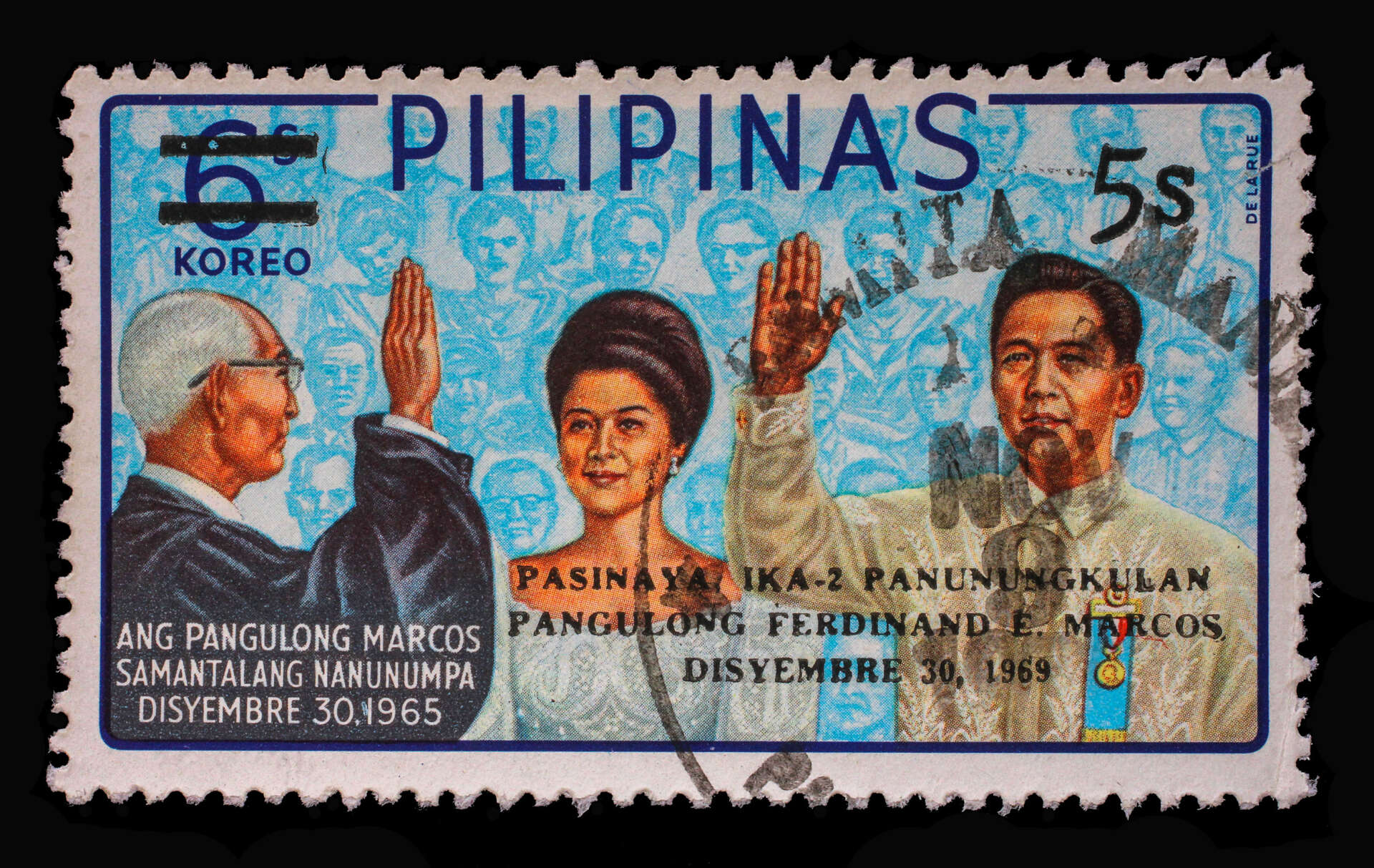
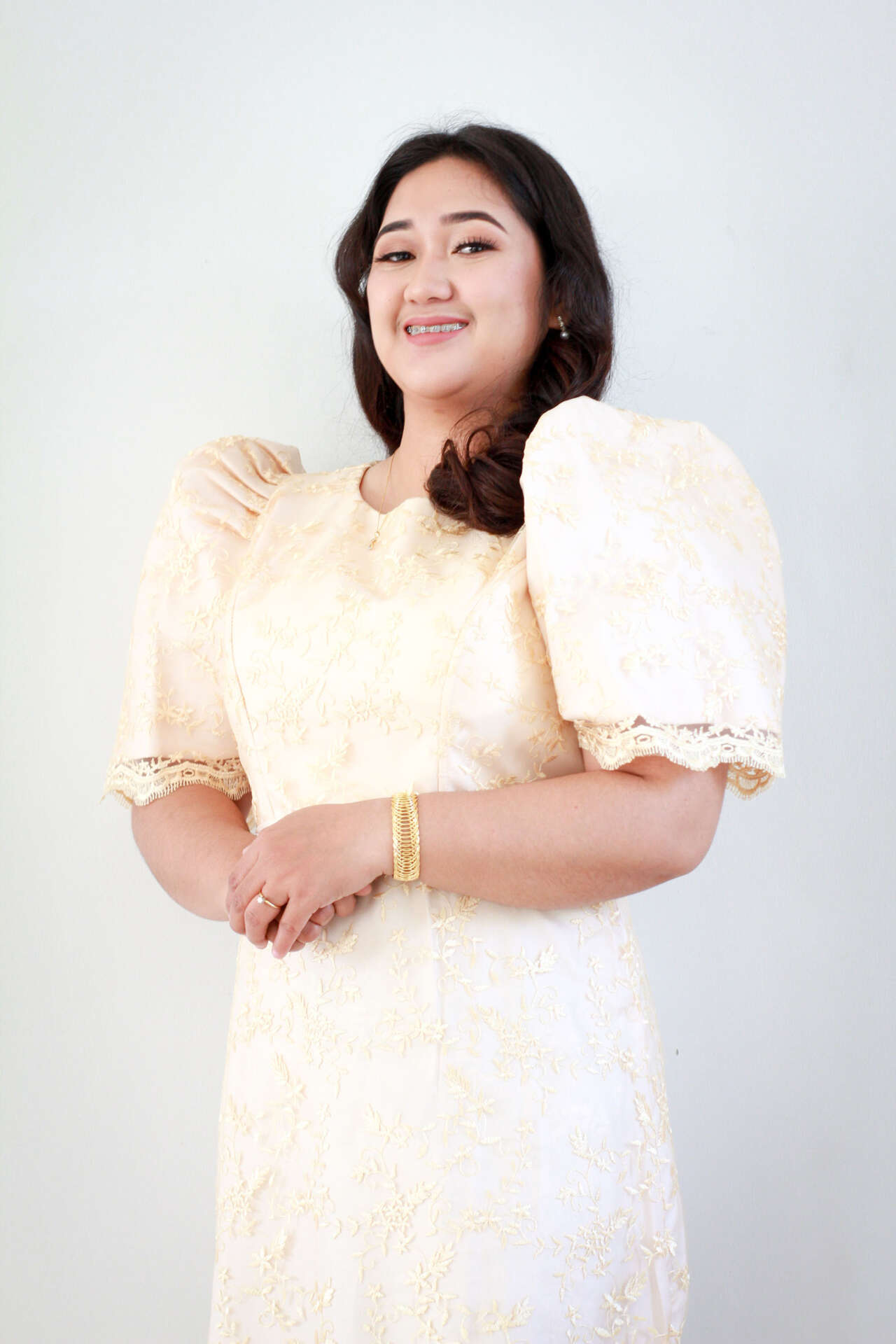
The mid-20th century witnessed the zenith of the terno’s popularity, propelling it to the forefront of the global fashion scene. The influential First Lady, Imelda Marcos, renowned for her refined style, championed the terno as an emblem of elegance. She elegantly showcased its versatility and allure on international platforms, garnering admiration and acclaim worldwide. The terno, adorned with its signature butterfly sleeves, became synonymous with Filipino sophistication and poise.
Revival and Modern Renaissance: Reconnecting with Filipiniana History
In recent decades, Filipiniana history has experienced a resurgence of interest. Filipino designers and artisans have breathed new life into traditional ensembles, fusing contemporary elements with the essence of cultural heritage. The Filipiniana has transcended boundaries, emerging as a favored choice for weddings, special events, and even global runways. Contemporary adaptations, including modern terno tops paired with trousers or skirts, seamlessly integrate this attire into everyday wear.
Sustaining Cultural Heritage
As the journey of Filipiniana history unfolds, it remains a potent expression of Filipino identity and cultural heritage. It stands as a testament to the intricate tapestry of our past, weaving together indigenous origins with influences shaped by centuries of cross-cultural interactions. The Filipiniana signifies more than an appreciation for beauty and fashion; it represents a deep connection to our shared history and a commitment to preserving our legacy for generations to come.
Conclusion: Embracing the Essence of Filipiniana
The Filipiniana transcends being a mere fashion statement; it encapsulates a celebration of our collective identity and heritage. From its humble beginnings in pre-colonial times to its contemporary revival, the Filipiniana continues to capture hearts with its enduring elegance and cultural significance.
As we wholeheartedly embrace these resplendent ensembles, we honor the remarkable craftsmanship and artistry of our forebearers. Embracing the essence of Filipiniana serves as a profound tribute to our history, a tribute to our roots, and an inspiration for a future where the timeless allure of Filipino culture flourishes. Beyond garments, the Filipiniana embodies the indomitable spirit and grace of the Filipino people.

Barong Tagalog Traditions
Embracing Barong Tagalog: A Journey Through Time-Honored Traditions
The Barong Tagalog, an exquisite and iconic Filipino garment, is more than just a piece of clothing; it is a symbol of cultural heritage and pride. Through generations, this traditional attire has been at the heart of various time-honored Filipino customs and traditions. Let’s delve into the captivating world of Barong Tagalog traditions and discover the rich cultural significance they hold.
Weddings: The Barong Tagalog and the Bride’s Gown
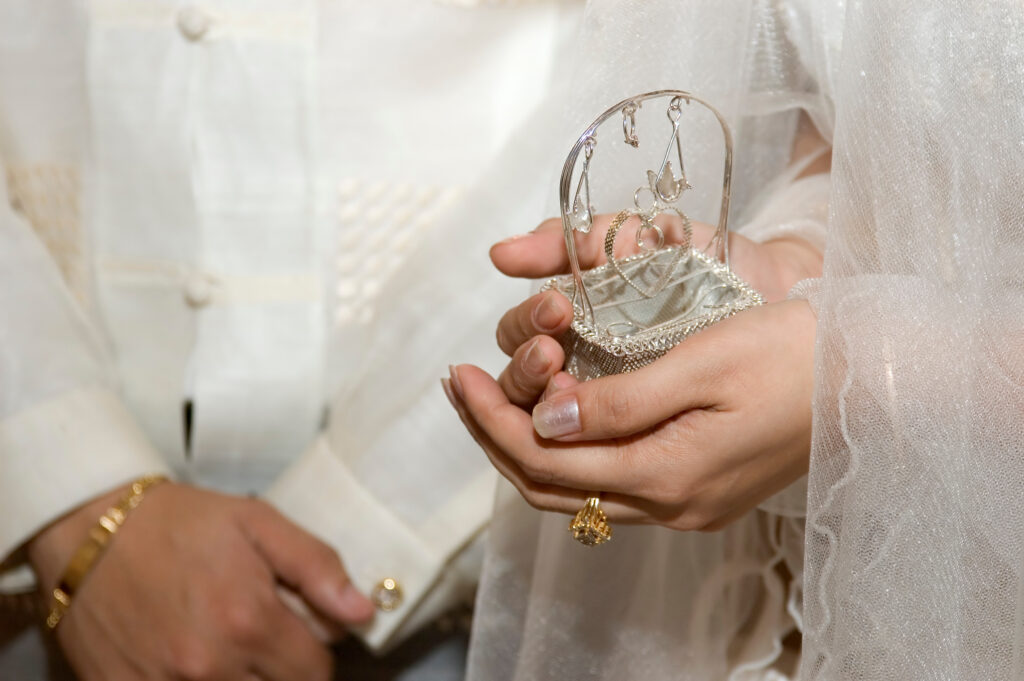
In Filipino weddings, the Barong Tagalog takes center stage alongside the bride’s gown. As a classic symbol of Filipino elegance and formality, the Barong Tagalog is often the attire of choice for grooms during the ceremony. It’s intricate embroidery and fine craftsmanship perfectly complement the bride’s gown, creating a harmonious and stylish ensemble that signifies the couple’s unity and shared heritage. The Barong Tagalog embodies the groom’s commitment to embracing Filipino culture and traditions as he embarks on a new chapter in life.
Cultural Festivals: A Showcase of Heritage
During vibrant cultural festivals and traditional celebrations, the Barong Tagalog shines as a symbol of Filipino identity and artistic expression. The intricate designs and rich fabrics reflect the region’s distinct heritage and customs. Whether it’s the elaborate Piña Barongs of the Visayan festivals or the Jusi Barongs adorned with intricate patterns during local fiestas, the Barong Tagalog serves as a living canvas of Filipino diversity and creativity. These festivals provide a platform for talented artisans to showcase their skills, ensuring the art of crafting Barongs is passed down through generations.
Government and Formal Events: A Mark of Respect
The Barong Tagalog is the national formal attire for men in the Philippines, and it is often worn by government officials during official functions and formal events. Its significance extends beyond fashion; it represents the wearer’s respect for Filipino traditions and culture. During national holidays, ceremonies, and state visits, the Barong Tagalog becomes a powerful emblem of the nation’s identity, evoking a sense of unity and pride among the Filipino people.
Family Celebrations: Passing Down a Legacy
Barong Tagalog traditions are not only observed during major events but also cherished within families. It is common for fathers to pass down their Barongs to their sons, creating a sentimental connection to the past and instilling a sense of continuity. Family gatherings and special occasions become opportunities for the younger generation to wear their heritage with pride, paying homage to their ancestors and carrying on a timeless legacy.
Barong Tagalog as a Gift: Symbol of Affection
Gifting a Barong Tagalog is a gesture of affection and appreciation. During significant life events like birthdays, graduations, or anniversaries, loved ones often present Barongs to express their love and admiration. The act of giving a Barong Tagalog symbolizes a desire to share Filipino heritage and culture with someone special, creating a meaningful bond that transcends generations.
Conclusion: The Enduring Charm of Barong Tagalog Traditions
As we traverse through the tapestry of Barong Tagalog traditions, we discover a vibrant and enduring cultural heritage. This cherished Filipino attire continues to captivate hearts, not only for its beauty and elegance but also for the deep-rooted traditions it represents.
Whether worn during weddings, festivals, formal events, or intimate family gatherings, the Barong Tagalog serves as a conduit that connects Filipinos to their shared past and the promise of a vibrant future. It stands as a reminder of the importance of preserving cultural customs and instilling a sense of pride in one’s heritage.
As Barong Tagalog continues to be an integral part of Filipino life, it weaves its way into the fabric of Filipino identity, a timeless tradition that resonates with the hearts of a proud nation.